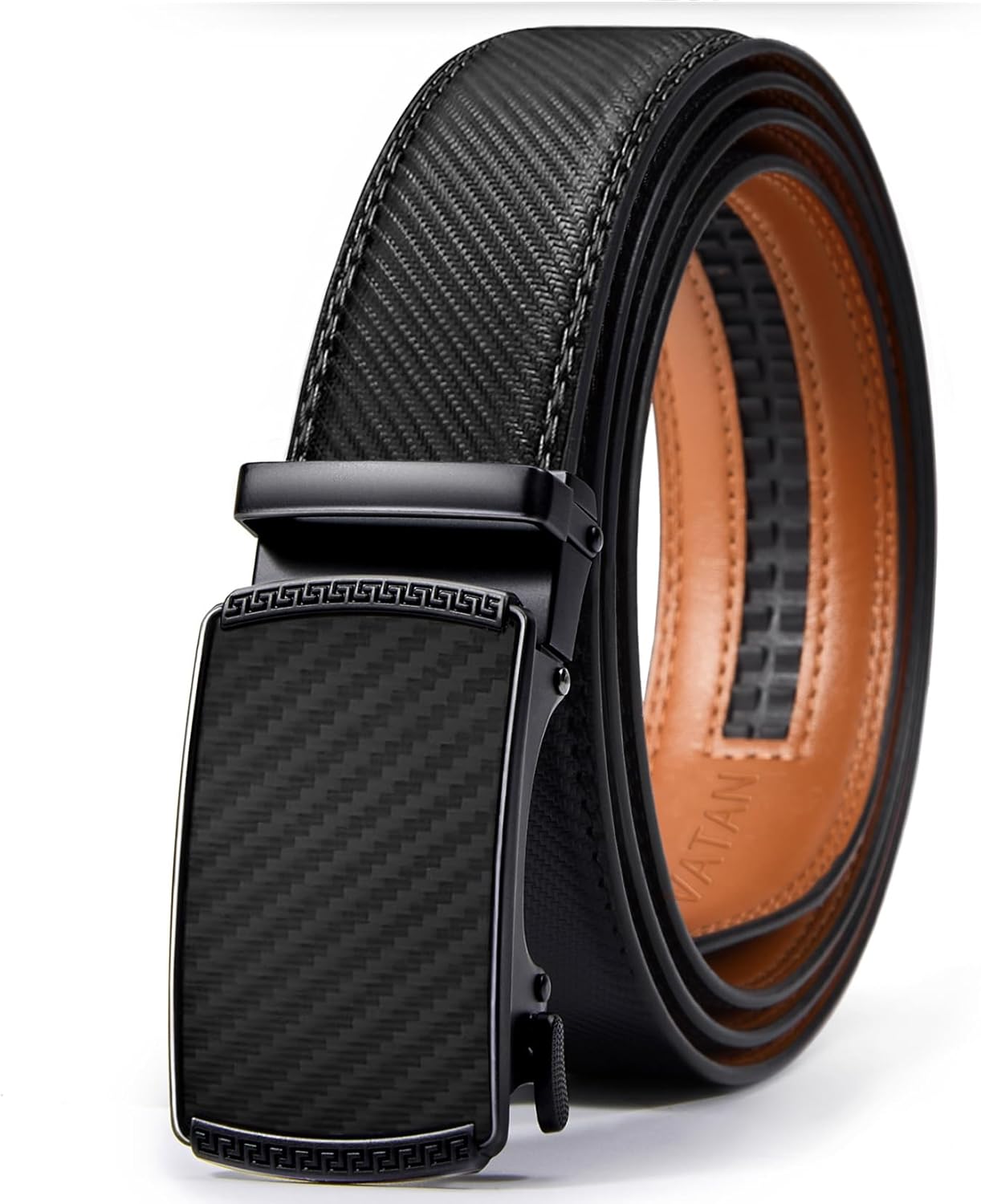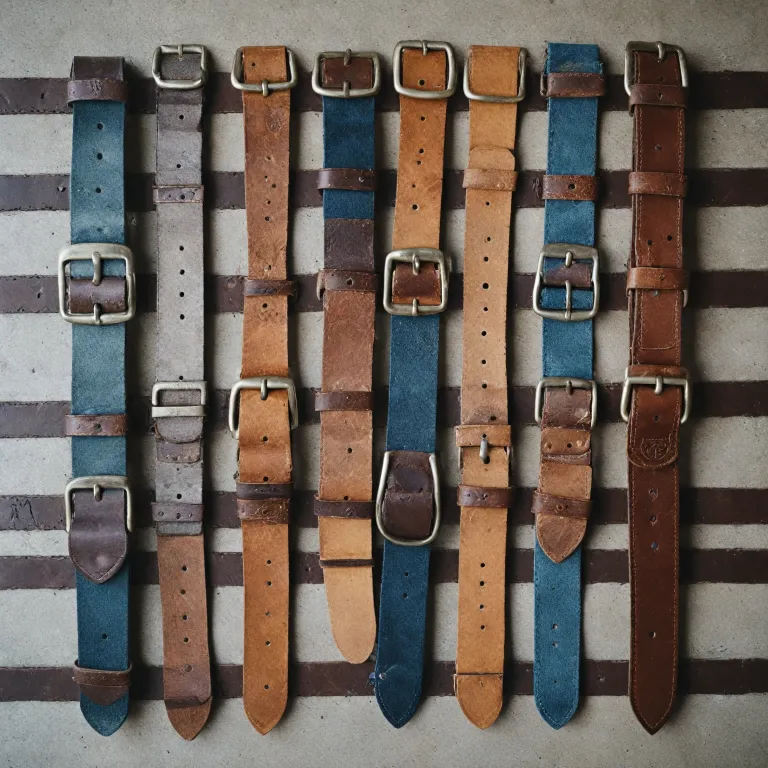

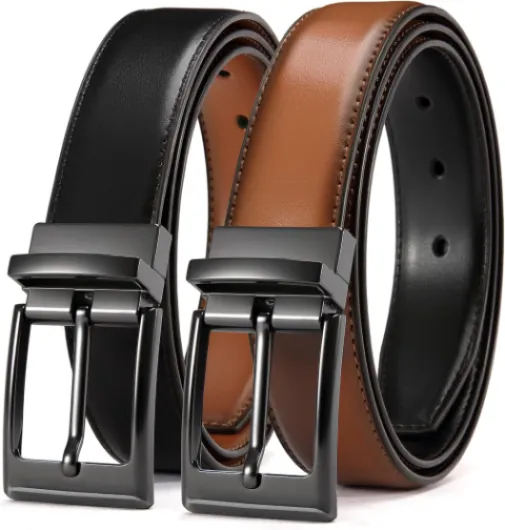
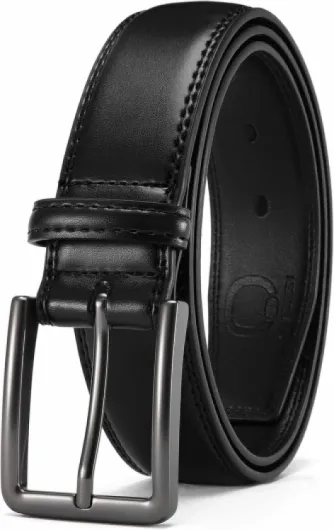
Understanding the mens belt size chart
Decoding Belt Sizes: What the Numbers Really Mean
Finding the perfect fit for men’s belts starts with understanding how belt sizes are measured and what those numbers on the size chart actually represent. Unlike pant sizes, which usually refer to your waist size in inches, belt sizes are typically a few inches longer. This extra length allows the belt to comfortably wrap around your waist and fasten at the middle hole, ensuring a secure and stylish fit.
- Belt size is usually measured from the buckle to the middle hole, not the end of the belt.
- Most belt sizes are listed in inches, but some brands use centimeters, so always check the size chart before you buy.
- For the best fit, your belt size should be 1 to 2 inches larger than your pant waist size. For example, if your waist size is 34 inches, look for a belt size of 36 inches.
When shopping for leather belts or any other style, remember that sizing can vary between brands and materials. Western belts, for example, may have different sizing conventions compared to dress belts or canvas belts. Always refer to the brand’s specific size chart before making a purchase, especially during a sale when returns might be limited.
To avoid common sizing mistakes, you’ll want to measure your waist with a tape measure and compare your measurement to the brand’s size chart. This step is crucial for ensuring your new belt will fit perfectly, whether you plan to wear it with jeans, chinos, or dress pants.
For those who want to keep their overall look sharp, don’t forget that a well-chosen belt can complement your grooming routine. Check out this guide on enhancing your grooming routine to elevate your style even further.
Understanding the basics of belt sizing is just the first step. Next, you’ll learn how to accurately measure your waist for a belt, ensuring you always find the right fit when you buy a new belt.

How to measure your waist for a belt
Getting the Right Measurement for Your Belt
Finding the perfect fit for men’s belts starts with knowing your waist size. A common mistake is to guess or use your pant size, but this often leads to belts that are too tight or too loose. For a reliable fit, you’ll need a tape measure and a few minutes to get it right.
- Use a flexible tape measure: Wrap it around your waist where you usually wear your belt. This could be at your natural waist or lower, especially if you prefer low rise pants. Make sure the tape is snug but not tight.
- Note the measurement in inches: Most belt sizes are listed in inches. Write down the number where the tape meets itself.
- Add 1-2 inches: To find your ideal belt size, add 1 to 2 inches to your waist measurement. For example, if your waist is 34 inches, a 36-inch belt will usually fit best.
- Check the size chart: Brands may have slight differences in sizing, so always compare your measurement with the size chart provided when you buy belt online or in store.
When you measure belt length, remember that the size refers to the length from the buckle to the middle hole. This ensures your leather belt or canvas belt fits comfortably, with enough room to adjust as needed. If you’re shopping for western belts or belts men wear for formal occasions, the same rules apply.
Don’t forget, the right measurement helps you avoid common sizing pitfalls and makes it easier to choose belt styles and materials that suit your wardrobe. For more tips on how to enhance your look, check out this guide on elevating your look with Tarte’s Glow Tape Highlighter.
Taking the time to measure correctly will help you find belt sizes that offer the perfect fit, whether you’re buying leather belts for sale or looking for a new buckle style. Remember, a well-fitting belt is an essential accessory for men who care about style and comfort.
Common sizing pitfalls and how to avoid them
Why Belt Sizing Gets Tricky
Finding the perfect fit for men’s belts isn’t always as simple as matching your pant size to a belt size chart. Many men run into common sizing pitfalls that can make a new leather belt feel too tight, too loose, or just awkward to wear. Here’s what you need to watch out for when you buy a belt, whether it’s for everyday wear or a western-inspired look.
- Pant Size vs. Belt Size: A frequent mistake is assuming your pant size is your belt size. In reality, most belts men wear should be 1 to 2 inches larger than your waist size. For example, if your pants are a 34-inch waist, a 36-inch belt usually fits best. Always check the size chart before you buy belt online or in-store.
- Measurement Methods: Using a tape measure is the most accurate way to find your size. Measure your waist where you wear belt most often—this could be higher or lower depending on your style. Low rise pants may require a slightly longer belt. Don’t just guess or rely on old belts; leather stretches over time, and your measurement may have changed.
- Inconsistent Sizing Across Brands: Not all brands use the same sizing standards. A size 36 in one brand’s leather belts might fit differently than another’s. Always refer to the specific size chart provided by the brand or retailer before making a purchase.
- Ignoring Belt Width and Buckles: The width of the belt and the style of buckles can affect the fit. Wider belts or chunky western buckles may require you to size up for comfort and style.
Tips to Avoid Sizing Mistakes
- Use a flexible tape measure to get your current waist size in inches.
- Compare your measurement to the brand’s belt size chart, not just your pant size.
- Consider how you’ll wear the belt—over jeans, dress pants, or with a suit.
- Account for the material; leather belts may stretch, while canvas belts tend to hold their shape.
Getting the right measurement is essential for comfort and style. If you’re looking to elevate your style with a navy blue suit and tie, the right belt size will make all the difference in your overall look. Take the time to measure belt length correctly, and you’ll avoid the hassle of returns or ill-fitting accessories. Remember, a well-chosen belt is more than just a functional item—it’s a key part of your personal style.
Choosing the right belt width and style
Width and Style: Matching Your Belt to Your Look
When you want to find the perfect fit, it’s not just about the belt size or how you measure your waist. The width and style of your belt play a huge role in how your outfit comes together. Here’s what men passionate about fashion should keep in mind:- Classic widths: Most leather belts for men come in widths between 1 inch and 1.5 inches. A 1.25-inch leather belt is a safe choice for dress pants, while a 1.5-inch width works well with jeans or casual trousers.
- Dress vs. casual: Dress belts are usually slimmer and have a sleeker buckle. If you wear a suit or tailored pants, choose a narrow belt that matches your shoes. For casual wear, like denim or chinos, a wider belt with a more robust buckle adds character.
- Western and statement styles: Western belts, often with decorative buckles and embossed leather, are trending. These are best paired with low rise jeans or western-inspired outfits. Just make sure the belt size matches your waist measurement for comfort and style.
- Material and finish: Leather belts are timeless, but canvas or woven belts offer a relaxed vibe. When you buy a belt, consider the material’s flexibility and how it fits with your wardrobe.
How to Choose the Right Width for Your Body and Outfit
- Use a tape measure to check your pant loops. Most dress pants fit a 1 to 1.25-inch belt, while casual pants can handle up to 1.5 inches.
- If you have a slim waist, a narrower belt will look more proportional. For broader waists, a slightly wider belt can balance your silhouette.
- Always check the size chart before you buy belt styles online or on sale, as sizing can vary between brands.
Quick Tips for Belt Sizing and Style
- Match your belt and shoes for a polished look, especially with leather belts.
- For western or statement belts, let the buckle be the focal point—keep the rest of your outfit simple.
- Measure your waist size in inches using a tape measure, then add 1-2 inches to find belt size for the perfect fit.
- Don’t forget to consider the rise of your pants—low rise jeans may require a different belt size than high-waisted trousers.
Material matters: leather, canvas, and more
Comparing Leather, Canvas, and Other Belt Materials
When you’re looking to find the perfect fit, the material of your belt matters as much as the size. The right choice can elevate your style, affect comfort, and even influence how you measure for the best fit. Let’s break down the most common materials for men’s belts and how they impact sizing and wear.
- Leather Belts: Leather is the classic choice for men. A genuine leather belt offers durability, a refined look, and adapts slightly to your waist over time. When you buy a leather belt, always check the size chart and use a tape measure to ensure the measurement matches your waist size in inches. Leather belts tend to stretch a bit, so if you’re between sizes, consider the smaller option for a snug fit that will relax with wear.
- Canvas Belts: Canvas belts are lightweight, flexible, and often more casual. They’re ideal for low rise pants or when you want a relaxed look. Canvas doesn’t stretch as much as leather, so the size you measure is the size you’ll wear. Always use a tape measure to find your waist size in inches before you buy.
- Other Materials: Belts for men also come in synthetic blends, suede, and even western styles with decorative buckles. Each material has its own sizing quirks. For example, synthetic belts may not stretch at all, so precise measurement is key. Western belts often run wider, so check the width and ensure it fits your pant loops before you choose a belt.
How Material Influences Sizing and Fit
The material you select will affect how the belt fits and feels. Leather belts, especially high-quality ones, mold to your waist with time, while canvas and synthetics keep their original measurement. Always measure your waist with a tape measure, and compare it to the size chart before you buy a belt. If you’re shopping a sale, double-check the belt sizing since some brands use different size charts or list sizes in inches or pant size.
| Material | Best For | Stretch | Style Notes |
|---|---|---|---|
| Leather | Formal, business, everyday | Moderate (molds to waist) | Classic, versatile, durable |
| Canvas | Casual, summer, low rise pants | Minimal | Lightweight, relaxed, easy to clean |
| Synthetic/Western | Statement, western, casual | Varies (usually minimal) | Decorative buckles, bold styles |
Remember, the perfect fit isn’t just about the belt size—it’s about how the material works with your waist, your pant size, and your personal style. Take the time to measure, review the size chart, and choose a belt that matches both your needs and your wardrobe.
Caring for your belts to maintain fit and style
Keeping Your Belts in Top Shape
Once you find the perfect fit and buy a belt that matches your waist size and style, taking care of it is key to long-lasting wear. Whether you prefer classic leather belts, rugged western buckles, or casual canvas options, proper maintenance will help your belts men collection look sharp and fit right for years.
- Store your belts properly: Hang your belts vertically or roll them loosely to avoid creases. Avoid folding, especially with leather, as it can crack over time.
- Keep them clean: For leather belts, wipe with a soft, damp cloth and use a leather conditioner every few months. Canvas belts can be spot-cleaned with mild soap and water. Always let them air dry away from direct heat.
- Rotate your belts: If you wear belt styles daily, rotate between a few options. This prevents excessive wear on any single belt and helps maintain the perfect fit.
- Watch out for moisture: Water and sweat can damage leather. If your belt gets wet, pat it dry and let it air out. For western or dress belts, avoid wearing them on rainy days if possible.
- Check the size regularly: Your waist size can change. Use a tape measure every few months to ensure your belt size still matches your measurement in inches. This is especially important if you buy belt styles on sale and want to keep the right fit.
- Inspect buckles and holes: Buckles should be secure and not loose. If holes stretch or crack, it may be time to find belt replacements or have them repaired by a professional.
Material matters when it comes to care. Leather belts need conditioning, while canvas belts are more forgiving but still benefit from gentle cleaning. Always check the size chart before you buy belt replacements, and use a tape measure to confirm your waist size in inches. With the right care, your belts will keep their measurement, style, and fit, making it easy to choose belt options that elevate your look every day.