

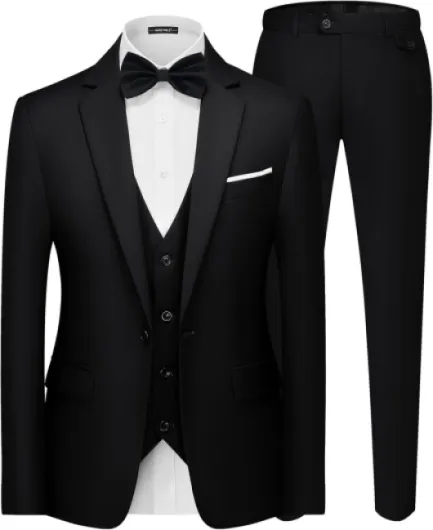
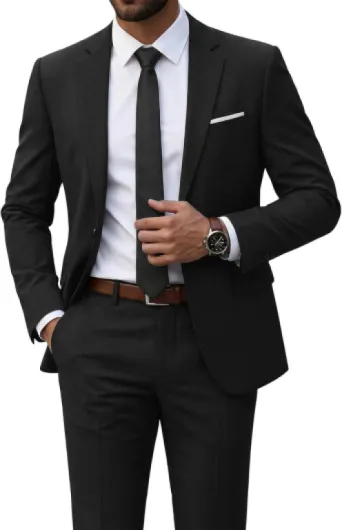
Understanding the basics: suit versus tuxedo
What Makes a Suit Different from a Tuxedo?
For men passionate about fashion, knowing the difference between a suit and a tuxedo is essential. Both are staples of formal wear, but their details and intended events set them apart. Understanding these basics will help you make the right choice for any dress code or occasion.
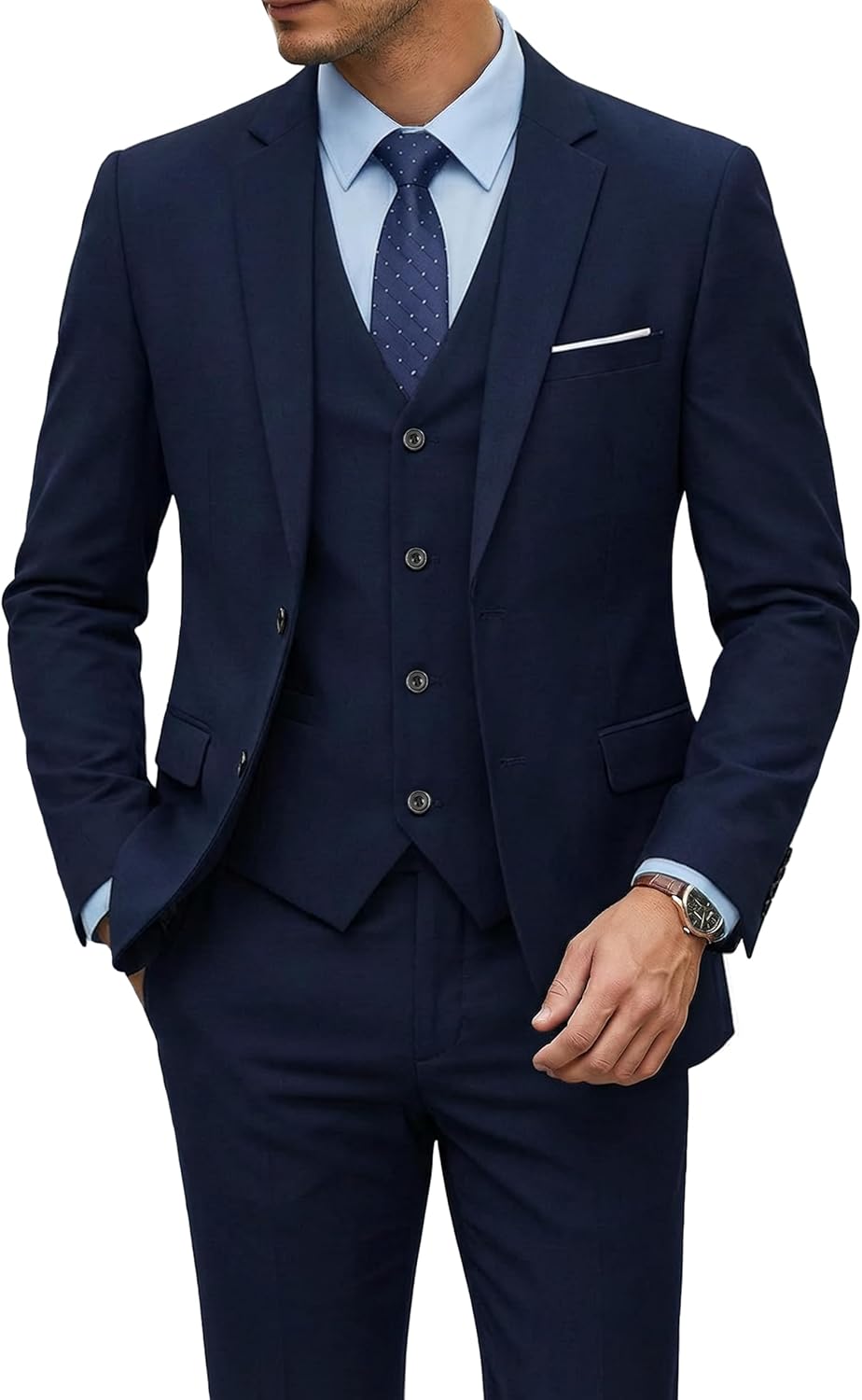
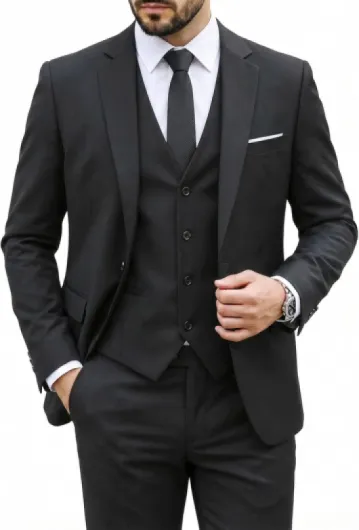
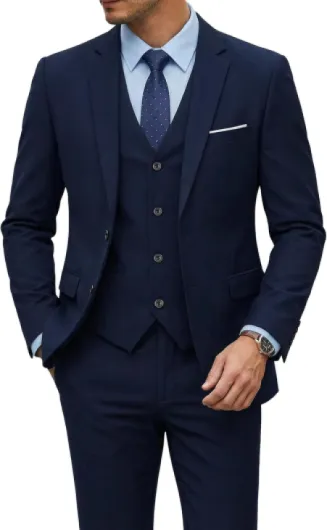
- Suits are versatile and can be worn to a range of semi formal and formal events. They usually come in various colors, fabrics, and styles, including single or double breasted jackets. Suits are often paired with a tie and a classic dress shirt.
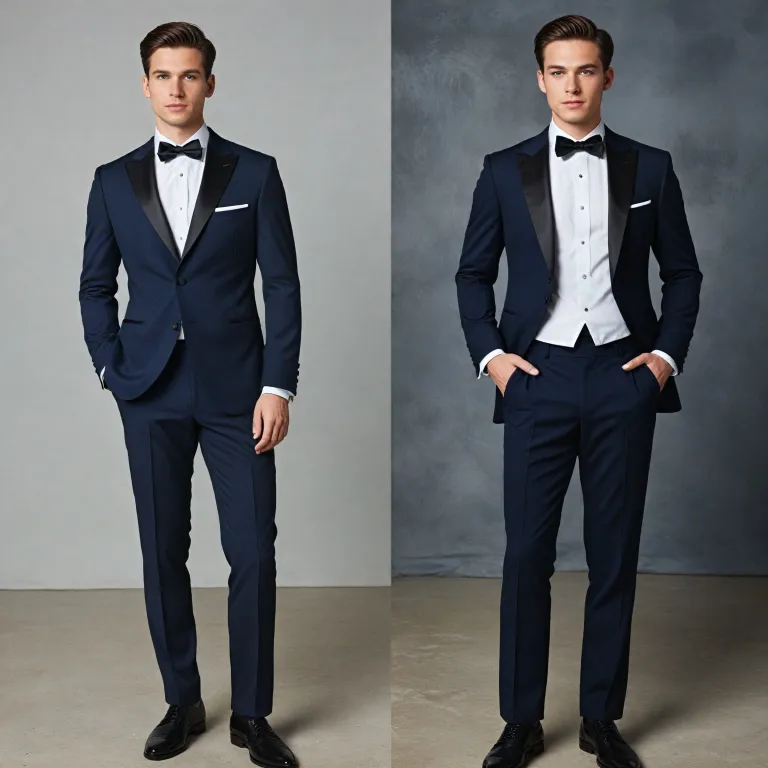
- Tuxedos are reserved for the most formal events, especially those with a black tie dress code. The tuxedo suit is defined by its use of satin on the lapels, buttons, and sometimes the side stripe of the trousers. Tuxedos are traditionally black, though midnight blue is also popular, and are worn with a bow tie and a formal shirt.
The main difference between a suit and a tuxedo lies in these details. Tuxedos suits feature satin elements, while suits do not. The lapel style also varies: tuxedos often have a shawl lapel or a peaked lapel, while suits may have a notch lapel. The choice between suit tuxedo options depends on the event and your personal style.
For those who want to explore more about unique suit styles, check out this guide on how to wear a lavender suit for men. This resource dives into color, fit, and how to make a statement with your formal wear.
As you read on, you will discover the key visual details that set suits and tuxedos apart, when to wear each, and how to personalize your look for any event.

Key visual details that set them apart
Spotting the Details: What Makes a Suit Different from a Tuxedo?
For men passionate about fashion, knowing the difference between a suit and a tuxedo is more than just a matter of dress code. The visual cues are subtle but crucial, especially when you want to make the right impression at formal events. Here’s what to look for when distinguishing between tuxedos suits and classic suits.
- Lapel Style and Fabric: Tuxedos almost always feature satin on the lapels, buttons, and sometimes the pocket trim. The most common lapel styles for tuxedos are the shawl lapel and peak lapel, both with a smooth, shiny finish. Suits, on the other hand, have lapels made from the same fabric as the jacket, often with notch or peak lapels, but rarely in satin.
- Buttons and Trims: The buttons on a tuxedo suit are usually covered in satin, matching the lapel. Suits use plastic, horn, or fabric-covered buttons that blend with the jacket. This is a key difference between tuxedo and suit construction.
- Shirt and Accessories: Tuxedos are paired with a formal shirt, often pleated or with a bib front, and always with a bow tie or a black tie for black tie events. Suits allow more flexibility—think ties, pocket squares, or even open collars for semi formal occasions.
- Pants: Tuxedo pants feature a satin stripe running down the side, echoing the lapel’s shine. Suit pants are simpler, with no satin and more variety in cut and style.
- Color and Occasion: Tuxedos are traditionally black or midnight blue, reserved for formal wear and black tie events. Suits come in a wider range of colors and patterns, suitable for everything from business meetings to less formal gatherings. If you’re curious about experimenting with color, check out this guide on how to wear a lavender suit for men.
Understanding these details will help you choose the right look for any event, and avoid common tuxedo questions or style missteps. Whether you’re dressing for a wedding, gala, or a semi formal event, knowing the difference between suit tuxedo options is essential for any fashion-forward man.
When to wear a suit and when to choose a tuxedo
Choosing the Right Attire for the Occasion
Understanding the difference between a suit and a tuxedo is essential, but knowing when to wear each is just as important for any man passionate about fashion. The choice between tuxedos and suits comes down to the event’s dress code, the level of formality, and your personal style goals.
- Formal Events: Tuxedos are the go-to for black tie events, galas, and formal weddings. The satin lapels, satin stripe on the trousers, and the classic bow tie set the tuxedo apart as the pinnacle of formal wear. If the invitation says "black tie," a tuxedo suit is expected. A shawl lapel or peak lapel in satin adds to the elegance.
- Semi-Formal and Business Events: Suits are more versatile and suitable for a wide range of occasions, from business meetings to cocktail parties. A suit with a tie or pocket square can be dressed up or down, depending on the event. Double breasted jackets or a simple notch lapel offer different style options within suits.
- Daytime vs. Evening: Traditionally, tuxedos are reserved for evening events, while suits are appropriate for both day and night. Wearing a tuxedo black jacket to a daytime event can feel out of place, while a well-fitted suit transitions seamlessly.
- Dress Code Clues: Always check the invitation for cues like "black tie," "formal," or "cocktail attire." If you’re unsure about the difference between suit tuxedo requirements, it’s better to ask than to guess.
What really sets the two apart is not just the visual difference between tuxedos suits and regular suits, but the message they send at an event. Tuxedos signal a celebration of style and tradition, while suits offer flexibility and modern flair. For those who want to push the boundaries of formalwear, consider exploring unique accessories or even layering with unexpected pieces. For example, a cashmere poncho can add a touch of effortless style to your formal look, especially during cooler months.
Ultimately, the difference between a suit and a tuxedo is about more than just satin or lapels. It’s about respecting the dress code, understanding the event, and expressing your own style with confidence.
Styling tips for suits and tuxedos
Choosing the Right Accessories
Styling a suit or tuxedo is all about the details. The difference between a sharp look and a forgettable one often comes down to your choice of accessories. For tuxedos, a classic black bow tie is the standard for black tie events. If you’re wearing a suit, you have more flexibility: a tie in silk, wool, or even a knit texture can work, depending on the dress code and event.
- Pocket squares: A crisp white pocket square is timeless for tuxedos, while suits allow for more color and pattern.
- Shirts: Tuxedo shirts typically feature a pleated or bib front and are paired with cufflinks. For suits, a classic dress shirt in white or light blue is always safe, but you can experiment with subtle patterns for semi formal events.
- Shoes: Patent leather shoes are the go-to for tuxedos. For suits, black or brown leather oxfords or derbies are versatile choices.
Lapels, Buttons, and Beyond
The lapel style can make a big difference between a suit and a tuxedo. Tuxedos often feature satin on the lapels, buttons, and sometimes the pocket trim. Shawl lapels are common on tuxedos, giving them a distinct formal edge. Suits usually have notch or peak lapels without satin, and double breasted jackets are more common in suits than tuxedos.
Mixing Classic and Modern Elements
Don’t be afraid to blend traditional and modern touches. A tuxedo suit with a slim fit and a modern shawl lapel can look just as sharp as a classic cut. For suits, try mixing textures—think a wool jacket with a silk tie or a patterned shirt. The key is to respect the dress code of the event while letting your personal style show.
Color and Fabric Choices
Black is the standard for tuxedos suits at formal events, but midnight blue is a sophisticated alternative. Suits come in a wider range of colors and fabrics, from charcoal to navy to lighter greys, and even seasonal fabrics like linen or tweed for less formal events. The difference between a suit and a tuxedo will always be most obvious in the details: satin, lapel style, and the overall level of formality.
Final Touches for a Polished Look
- Always check the dress code for the event. Black tie means tuxedo, while semi formal or business events call for a suit.
- Keep your look balanced. If your jacket has bold lapels, keep your shirt and tie more understated.
- Don’t forget grooming and fit. Even the best tuxedo or suit will fall flat if it doesn’t fit well or if you overlook personal grooming.
Common mistakes men make with suits and tuxedos
Frequent Formalwear Faux Pas
Even the most passionate men’s fashion enthusiasts can stumble when it comes to suits and tuxedos. Understanding the difference between a suit and a tuxedo is one thing, but avoiding common mistakes is another. Here are some missteps to watch out for when dressing for formal events:
- Mixing up dress codes: Wearing a tuxedo to a semi formal event or a suit to a black tie occasion is a classic error. The difference between a suit and a tuxedo is crucial for matching the right outfit to the event.
- Confusing accessories: A bow tie is standard with tuxedos, while a tie is more appropriate with suits. Wearing a tie with a tuxedo suit or a bow tie with a business suit can look out of place.
- Ignoring lapel details: Tuxedos feature satin lapels, often in shawl or peak styles, while suits usually have notch lapels without satin. Mixing these up can blur the line between suit tuxedo looks and true formal wear.
- Poor shirt choices: A crisp white shirt with a pleated or pique front is best for tuxedos. For suits, a classic dress shirt works. Wearing the wrong shirt can undermine your entire look.
- Overlooking the pocket square: A pocket square adds polish to both suits and tuxedos, but the style and fold should match the formality of the event. Avoid flashy colors for black tie events.
- Wearing the wrong shoes: Patent leather shoes are ideal for tuxedos, while suits pair better with classic leather dress shoes. Mixing these up can disrupt the overall style.
- Misjudging fit: Whether it’s a double breasted jacket or a single button tuxedo black ensemble, fit is everything. Ill-fitting jackets, pants that are too long, or sleeves that cover the shirt cuff will detract from your appearance.
How to Avoid These Mistakes
- Always check the dress code for the event before choosing between tuxedos suits and regular suits.
- Pay attention to the details: lapels, satin accents, and shirt style all signal the difference between formal wear options.
- Don’t be afraid to ask tuxedo questions at your tailor or menswear shop. Understanding what difference each element makes will help you dress with confidence.
Mastering the difference between suit tux and tuxedo suit styles will ensure you look sharp and appropriate at every formal event.
How to personalize your formalwear
Making Your Formalwear Uniquely Yours
Personalizing your formal wear is about more than just picking between a suit and a tuxedo. It’s about expressing your style within the boundaries of dress codes and event expectations. Whether you’re dressing for black tie events or a semi formal gathering, the details you choose will set you apart.
- Pocket Squares: A pocket square is a simple way to add a pop of color or pattern. For tuxedos, keep it classic with white or subtle silk. With suits, you can play with bolder prints or colors, as long as they complement your tie and shirt.
- Lapels and Buttons: The difference between a peak lapel, shawl lapel, or notch lapel can change the vibe of your jacket. Tuxedos often feature satin lapels, while suits stick to matching fabric. Double breasted jackets add a vintage edge, while single breasted is more versatile.
- Bow Tie or Tie: For black tie events, a black bow tie is the standard. But for less formal events, you can switch to a slim tie or even a knit tie for texture. The key is matching the formality of your tie with your suit or tuxedo.
- Shirts: The shirt you choose can highlight the difference between a suit and a tuxedo. Tuxedo shirts often have pleats or a bib front, and are worn with studs. For suits, a crisp white or light blue shirt is always a safe bet, but don’t be afraid to try subtle patterns.
- Footwear: Patent leather shoes are a must for tuxedos suits, especially for formal events. With suits, you have more freedom—oxfords, loafers, or even dress boots can work depending on the event.
- Accessories: Cufflinks, tie bars, and even a tasteful lapel pin can add personality. Just remember, less is more. Let one or two pieces stand out rather than overloading your look.
Understanding the difference between suit tuxedo options and knowing what difference each detail makes will help you navigate dress codes with confidence. Whether you’re wearing a tuxedo black for a gala or a sharp suit for a business event, your choices in lapels, ties, and accessories will define your style. If you have tuxedo questions or want to know more about the difference between tuxedos suits and regular suits, always consider the event and your personal taste. That’s what will make your formal wear truly yours.