

Origins and evolution of the dinner suit and tuxedo
The roots of refined menswear
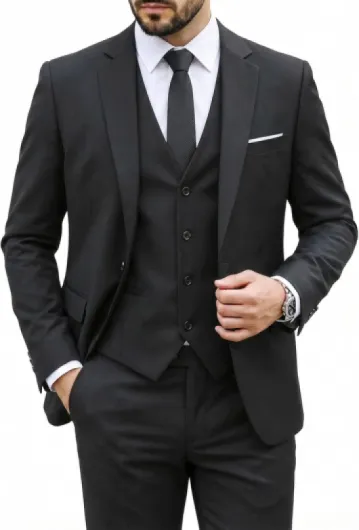
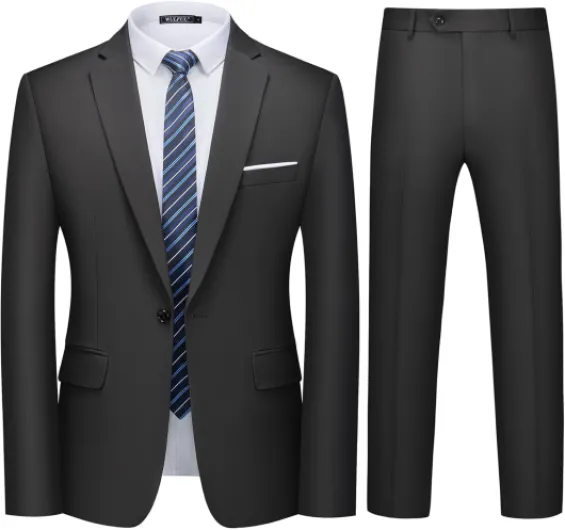
The story of the dinner suit and tuxedo is a journey through the evolution of men’s formal style. Both garments have become icons of black tie events, but their origins and development reveal subtle distinctions that continue to shape how they are worn today. The dinner suit, often called the dinner jacket in the United Kingdom, emerged in the late 19th century as a more relaxed alternative to the white tie dress code. Meanwhile, the tuxedo suit gained popularity in the United States, where it was embraced for its modern take on evening wear.
From white tie to black tie: a shift in dress codes
Originally, formal evening attire for men meant a tailcoat, white waistcoat, and a wing collar shirt—what we now call white tie. As social norms shifted, the dinner jacket and tuxedo replaced the tailcoat for less rigid occasions. This change marked the birth of the black tie dress code, which allowed for more comfort and personal style while maintaining a sense of elegance. The introduction of satin lapels, single breasted and double breasted options, and the use of midnight blue fabrics all contributed to the evolution of these garments.
Global influences and modern interpretations
While the dinner suit and tuxedo share a common heritage, regional preferences have influenced their design and use. In the United States, the term "tuxedo" became synonymous with black tie attire, while in Europe, "dinner jacket" remains the preferred term. Over time, details such as the choice between a turndown collar or wing collar, the presence of a waistcoat or waist covering, and the use of satin buttons or trims have become key style markers. Today, men passionate about style can explore a range of options, from classic black to white dinner jackets for warm weather events, always mindful of the occasion’s dress code.
For those interested in how these traditions influence current trends, check out this guide on styling a black and gold men’s suit for a standout look.

Key design differences between a dinner suit and a tuxedo
Spotting the Details: What Sets a Dinner Suit Apart from a Tuxedo?
For men passionate about style, understanding the key design differences between a dinner suit and a tuxedo is essential. Both are staples in the world of formal menswear, but their details set them apart, especially when it comes to dress codes and the impression you want to make.
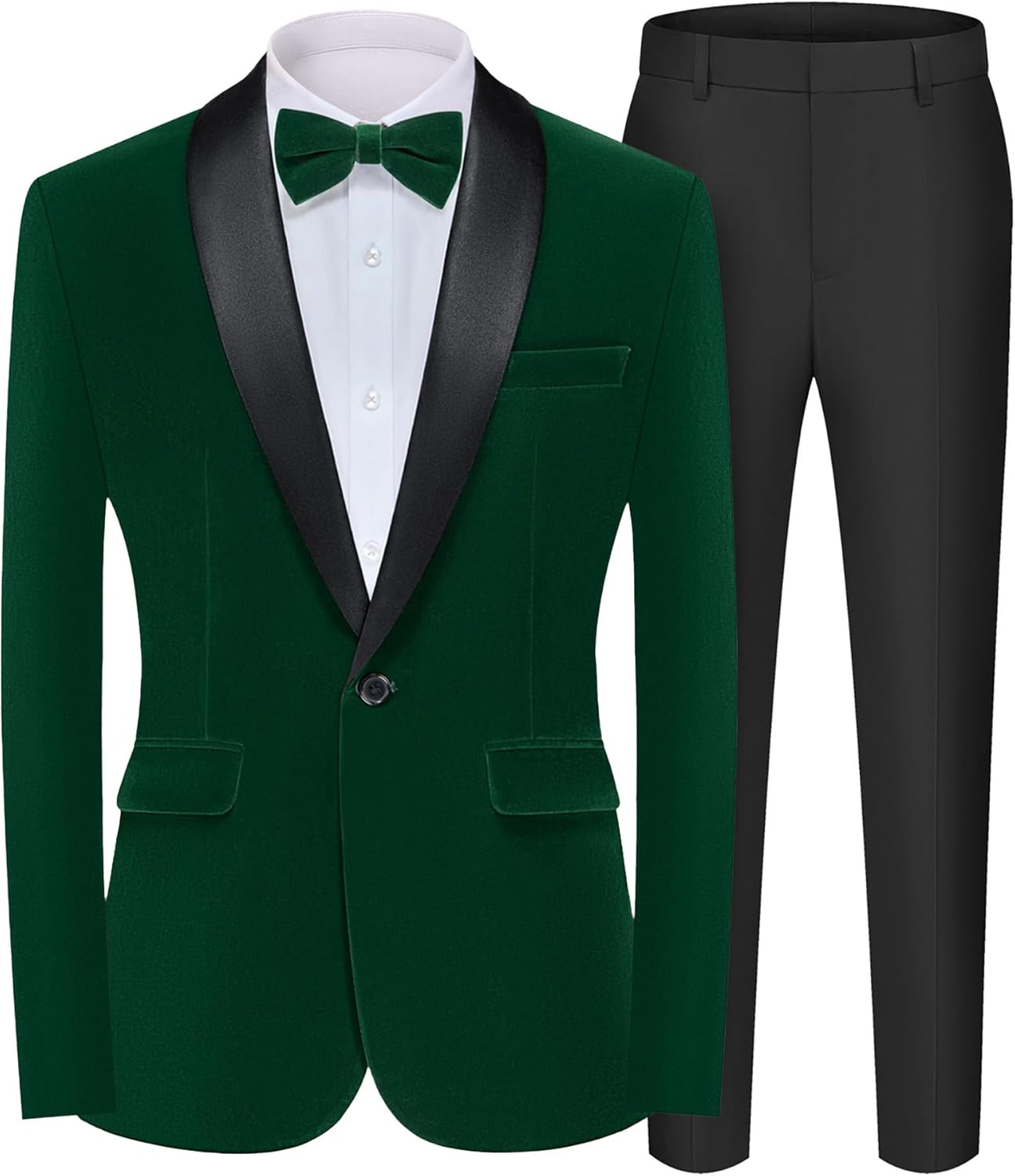
- Lapels: The tuxedo jacket traditionally features satin-faced lapels, often in a shawl or peak style. Dinner jackets may also have satin lapels, but you’ll sometimes see grosgrain or even self-faced lapels, especially in single breasted options.
- Buttons: Tuxedo suits usually have satin-covered buttons, while dinner suits might use regular buttons matching the fabric. This subtle touch can signal the level of formality.
- Waist Covering: A tuxedo is typically worn with a waistcoat or a cummerbund, both in black or midnight blue. Dinner suits can be paired with a waistcoat, but it’s not always required, especially for semi formal occasions.
- Shirt and Collar: The classic tuxedo shirt is white, with a pleated or pique front, and often features a wing collar or turndown collar. Dinner suits are more flexible, but a white shirt remains the standard for formal events.
- Trousers: Tuxedo trousers have a satin stripe running down the side. Dinner suit trousers may skip this detail, making them slightly less formal.
- Accessories: Tuxedos are almost always paired with a black bow tie, while dinner suits can accommodate a regular tie or bow tie, depending on the dress code. For a full tie guide, always consider the event’s requirements.
- Color and Fabric: Black is the most common color for both, but midnight blue is a sophisticated alternative, especially for tuxedos. In warm weather, white dinner jackets are popular, particularly in the United States.
- Jacket Styles: Both single breasted and double breasted jackets are seen in dinner suits and tuxedos, but single breasted is more common for black tie events.
Choosing the right suit fabric for your personal style can also impact the look and feel of your formalwear. For more on this, check out this guide to selecting suit fabrics.
Ultimately, the difference comes down to the level of formality and the details. Tuxedos are the go-to for black tie and white tie dress codes, while dinner suits offer a bit more flexibility for less strict events. Understanding these distinctions will help you dress with confidence, whether you’re attending a wedding, gala, or any formal occasion.
When to wear a dinner suit vs a tuxedo
Choosing the Right Occasion for Each Formal Look
Understanding when to wear a dinner suit versus a tuxedo is essential for men passionate about style. Both garments are rooted in tradition and have evolved with changing dress codes, but their use is still guided by specific social cues and expectations.
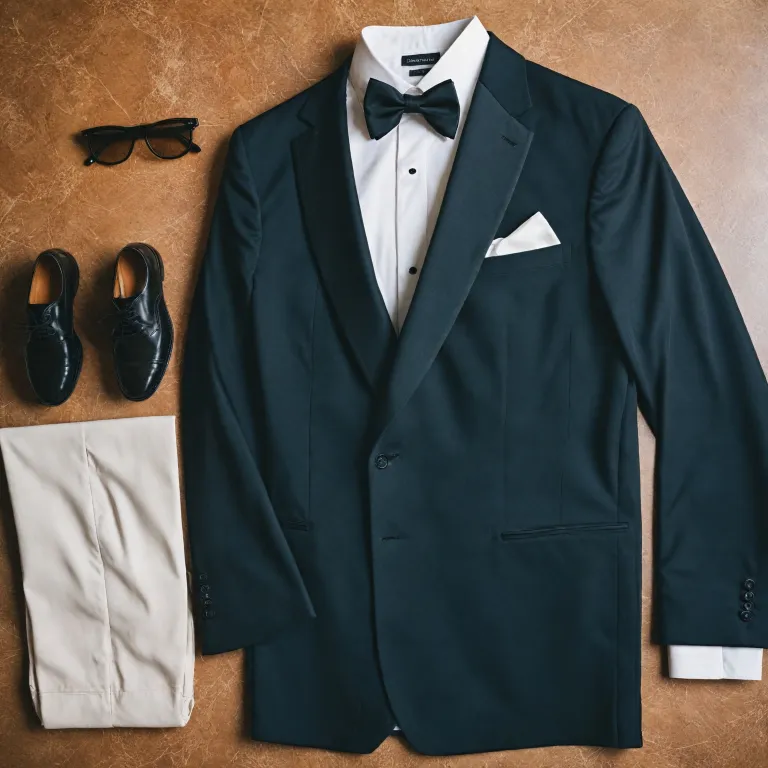
- Tuxedo: The tuxedo is the classic choice for black tie events. It is typically worn in the evening, after 6 PM, and is considered the standard for formal occasions such as galas, formal weddings, and award ceremonies. The tuxedo jacket often features satin lapels and buttons, and is paired with a white dress shirt, a black bow tie, and a waist covering like a cummerbund or waistcoat. In the United States and Europe, the tuxedo suit is synonymous with the black tie dress code.
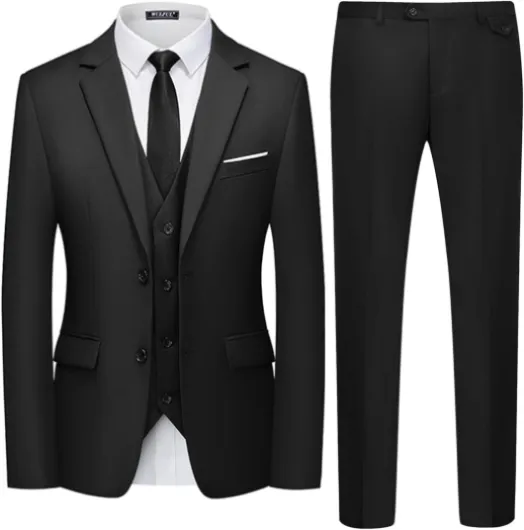
- Dinner Suit: The term "dinner suit" is often used interchangeably with tuxedo, especially in the UK. However, some consider the dinner jacket to be a slightly less formal option, suitable for semi formal events or private dinner parties. Dinner jackets can be single breasted or double breasted, and in warm weather, white dinner jackets are a stylish alternative. Midnight blue is also a popular choice for a modern twist.
When it comes to weddings, the dress code will usually specify whether a tuxedo or dinner suit is appropriate. For black tie weddings, a tuxedo is expected. For less formal or daytime weddings, a dark suit may be more suitable. Always pay attention to the invitation and the specified dress codes.
For those looking to add a personal touch, accessories like a gold color bow tie can elevate your look while still respecting the formality of the event. Just remember, the key is to balance individuality with the established code.
Finally, remember that white tie is even more formal than black tie, requiring a tailcoat, wing collar shirt, and white waistcoat. This is reserved for the most formal occasions and is rarely required outside of state dinners or royal events.
Styling tips for the modern man
Modern Ways to Wear Classic Formalwear
Styling a dinner suit or tuxedo today is about balancing tradition with personal flair. While the black tie dress code sets clear expectations, there’s still room to express your own style. Here are some practical tips to help you look sharp, whether you’re attending a wedding, gala, or any formal event.
- Choose the right shirt: A crisp white shirt is essential. For a classic look, opt for a wing collar or turndown collar. Pleated fronts work well with tuxedos, while a plain front is suitable for dinner jackets.
- Pay attention to lapels: Satin lapels are a hallmark of tuxedos, adding a subtle sheen. Dinner suits may feature grosgrain or satin, and both single breasted and double breasted jackets are appropriate. Midnight blue is a sophisticated alternative to black, especially in warm weather.
- Accessorize with care: A black bow tie is the standard for black tie events. Waist coverings, such as a cummerbund or waistcoat, are not just tradition—they help create a polished silhouette. Avoid regular ties unless the dress code is semi formal.
- Mind your buttons: Tuxedo jackets typically have one button, while dinner jackets may have one or two. Keep your jacket buttoned when standing, and unbuttoned when seated for comfort and style.
- Footwear matters: Patent leather shoes or well-polished black oxfords complete the look. Match your socks to your trousers for a seamless appearance.
Adapting to Dress Codes and Occasions
Understanding the nuances of dress codes is key. White tie is the most formal, requiring a tailcoat and white waistcoat. Black tie calls for a tuxedo suit or dinner jacket, black bow tie, and a white shirt. For less formal occasions, a dark suit with a tie may suffice, but always check the invitation or event guidelines.
In the United States, black tie is often worn at weddings and formal dinners. In warm weather, lighter fabrics and white dinner jackets are acceptable, but always ensure your choices align with the event’s expectations.
Personalizing Your Look
While tradition is important, don’t be afraid to add subtle touches that reflect your personality. Consider a pocket square, tasteful cufflinks, or a midnight blue jacket for a modern twist. Just remember, the goal is to enhance, not overpower, the classic elegance of formalwear.
Common mistakes to avoid with formalwear
Frequent Pitfalls in Formalwear
Even the most passionate men’s fashion enthusiasts can fall into common traps when it comes to formal dress codes. Whether you’re preparing for a black tie event, a wedding, or a semi formal gathering, understanding the nuances of dinner suits and tuxedos is essential. Here are some mistakes to watch out for:
- Mixing up dress codes: Black tie, white tie, and semi formal all have distinct requirements. For example, a tuxedo suit is typically reserved for black tie events, while a dinner jacket might be worn for less formal occasions or warm weather events. Always check the invitation for the correct dress code.
- Incorrect shirt selection: A classic tuxedo calls for a white shirt, often with a wing collar or turndown collar. Avoid colored shirts or those with visible buttons unless the dress code allows for more creative style.
- Neglecting waist coverings: For black tie, a waistcoat or cummerbund is traditionally worn to cover the waistband. Skipping this detail can disrupt the formal silhouette.
- Choosing the wrong lapels: Satin lapels are a hallmark of tuxedos, while dinner suits may feature grosgrain or self-faced lapels. Not all lapels are created equal—peak and shawl lapels are classic for formalwear, while notch lapels are less traditional.
- Improper fit: Whether single breasted or double breasted, your jacket should fit your body type. Too tight or too loose, and the elegance of your suit or tuxedo is lost. Pay attention to shoulder width, sleeve length, and jacket length.
- Over-accessorizing: Keep it simple. A black bow tie, subtle cufflinks, and a white pocket square are usually enough. Avoid loud patterns or excessive jewelry.
- Wearing the wrong shoes: Patent leather shoes are the standard for tuxedos. Avoid brown shoes or casual styles, as they clash with the formal nature of the outfit.
- Ignoring fabric and color codes: Midnight blue and black are classic choices for tuxedos and dinner jackets. White dinner jackets are reserved for warm weather or specific dress codes, especially in the United States.
Attention to these details ensures your formalwear is always appropriate, stylish, and respectful of the occasion. Remember, mastering the art of the dinner suit or tuxedo is about understanding both tradition and modern style.
How to find the perfect fit for your body type
Mastering the Fit: What Matters Most
The perfect fit is the foundation of any successful formal look, whether you’re choosing a dinner suit or a tuxedo. A well-fitted jacket, shirt, and trousers will elevate your style and ensure you respect the dress code, whether it’s black tie, white tie, or semi formal. Here’s how to get it right:
- Jacket Fit: The jacket should hug your shoulders without pulling or sagging. For both single breasted and double breasted dinner jackets or tuxedo jackets, the sleeve should show about half an inch of your shirt cuff. Lapels—whether satin or grosgrain—should lie flat and not bow out.
- Trousers: Trousers should sit at your natural waist and break just above your shoes. For a classic black tie or white dinner look, avoid overly slim or baggy fits. A slight taper is modern but keep it formal.
- Shirt: A dress shirt for formal occasions should fit close to the body but allow movement. Wing collar and turndown collar options both work, but ensure the collar sits neatly under your jacket lapels.
- Waist Covering: Whether you choose a waistcoat or a cummerbund, it should cover the waistband of your trousers. This detail is essential for a polished tuxedo suit or dinner suit ensemble.
Adapting to Your Body Type
Every man’s body is different, and tailoring is your best friend. Off-the-rack suits and tuxedos rarely fit perfectly. Here’s a quick guide:
| Body Type | Jacket Tips | Trouser Tips |
|---|---|---|
| Lean | Opt for single breasted jackets with slim lapels | Choose flat-front trousers for a streamlined look |
| Broad Shoulders | Double breasted jackets balance proportions | Pleated trousers add comfort and shape |
| Tall | Longer jackets and wider lapels add balance | Ensure trousers have enough length for a clean break |
| Short | Shorter jacket length elongates the legs | Go for a slight taper to avoid a boxy look |
Seasonal and Regional Considerations
For warm weather or summer weddings, lighter fabrics and colors like midnight blue or white dinner jackets are often worn. In the United States, black tie events may allow more flexibility with tuxedo suit styles, but always check the dress codes. Satin lapels and buttons remain classic, while a waistcoat or cummerbund is still expected for formal occasions.
Remember, whether you’re dressing for a wedding, gala, or any formal event, the right fit will always set you apart. Take the time to tailor your suit or tuxedo, and don’t overlook the details—from the bow tie to the waist covering. The result is a look that’s both timeless and uniquely yours.