


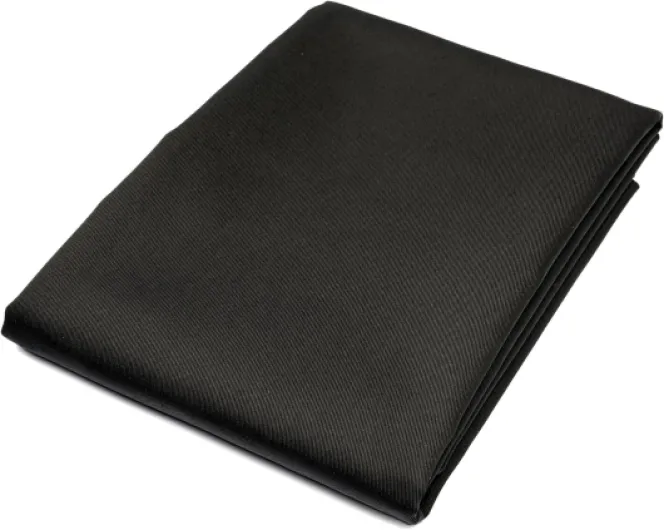
Understanding the basics of suit fabric
The Foundation of Suiting: What Makes a Quality Fabric?
When diving into the world of men’s suiting, understanding the basics of fabric is essential. The fabric you choose not only defines the look and feel of your suit but also impacts comfort, durability, and how well it suits your personal style. From classic wool suiting to innovative blends, the options can seem endless. Let’s break down what you need to know before you pick your next suit.
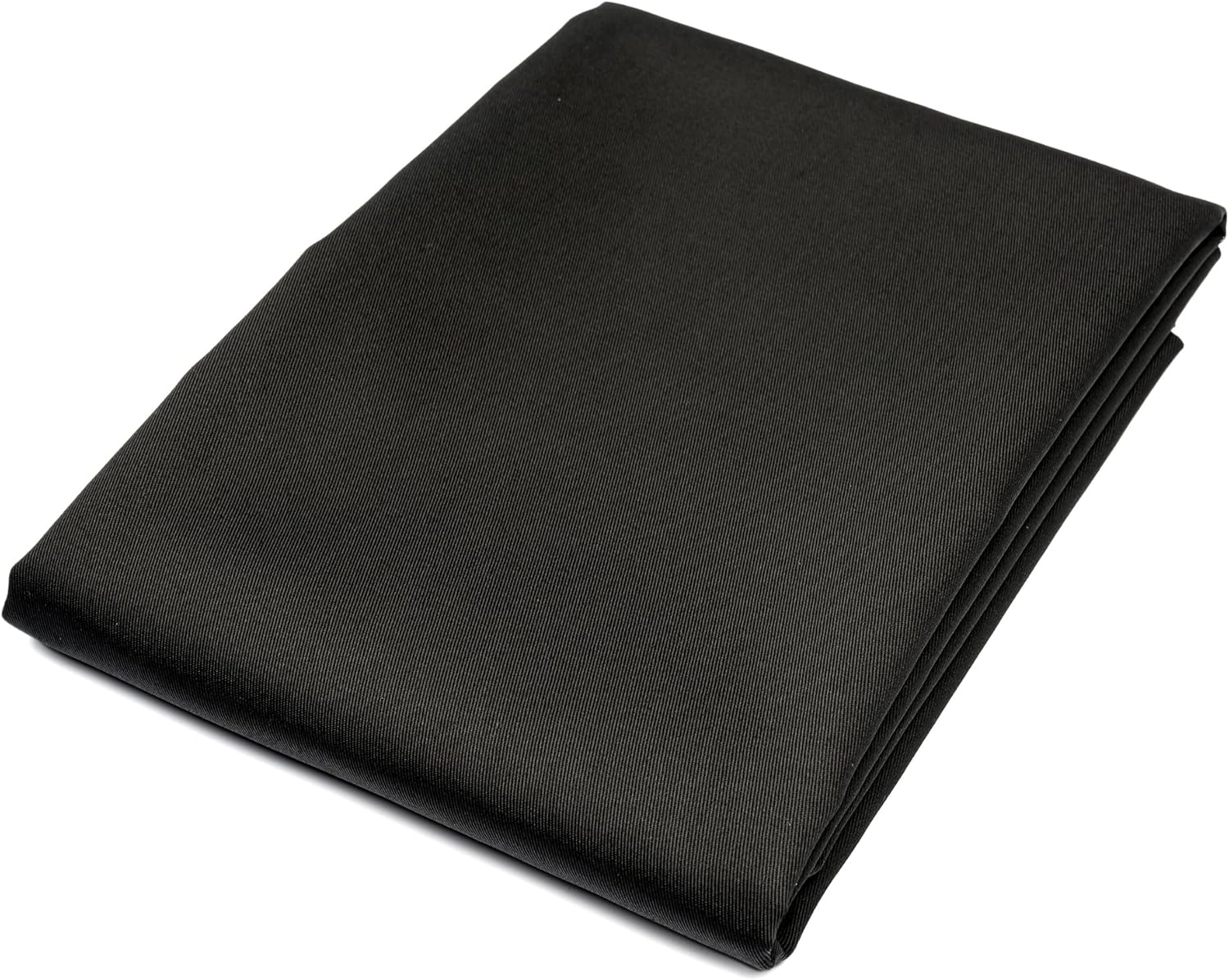
- Wool: The gold standard for suiting, wool is prized for its versatility, breathability, and natural drape. Virgin wool and super wool are especially valued for their softness and resilience. Italian mills, such as those producing Vitale Barberis and Barberis Canonico fabrics, are renowned for their high-quality wool suiting.
- Cotton: Cotton suits offer a lighter, more casual alternative. They’re ideal for warmer climates and come in a range of colors, from classic navy and light grey to bold blue and white.
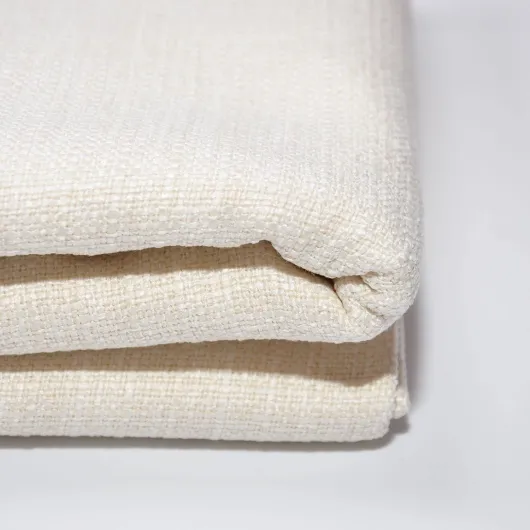
- Linen: Linen is the go-to for summer suiting. It’s lightweight and breathable, though it tends to wrinkle more easily. Wool linen blends can offer a balance between structure and coolness.
- Blends: Blended fabrics, such as wool silk, wool blend, or polyester blend, combine the best qualities of each material. For example, silk cashmere blends add a touch of luxury and softness, while wool blend suiting can improve durability and reduce cost.
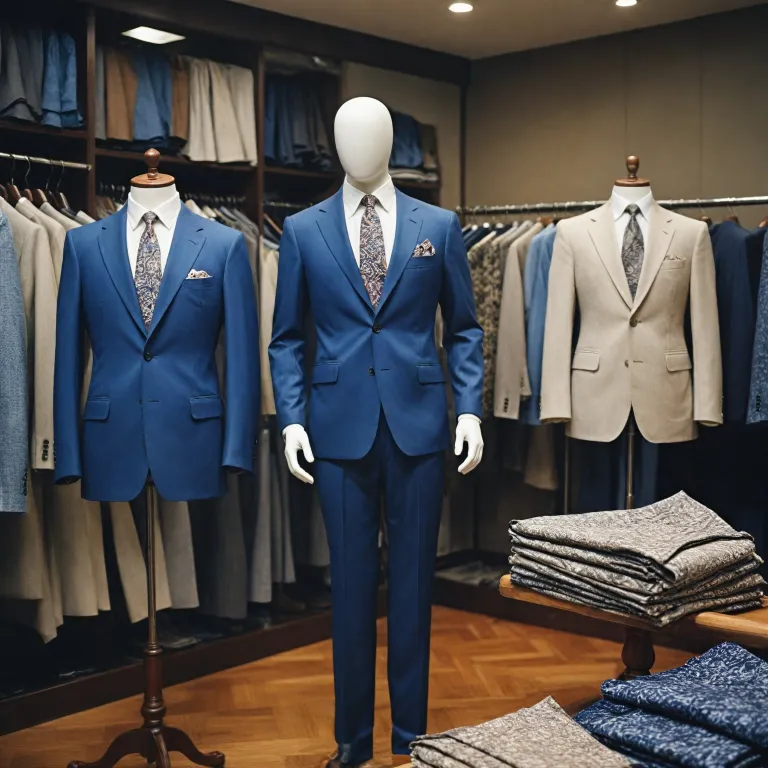
Color and pattern also play a crucial role. Solid colors like black, navy, and grey are timeless, while patterns such as plaid, glen plaid, and windowpane add personality. The choice between a classic black suit, a sharp blue, or a subtle light grey can set the tone for your entire wardrobe.
Understanding these basics will help you make informed decisions as you explore the advantages of different suit fabrics, how to match them with the season, and express your personal style. For those looking to refine their suiting knowledge further, check out this guide on elevating your style with a western sport coat for more inspiration on fabric choices and styling.

Popular types of suit fabric and their advantages
Classic Suiting Fabrics: The Foundation of Men’s Style
When it comes to choosing a suit, the fabric is at the heart of both comfort and style. Wool remains the gold standard for suiting, prized for its versatility, breathability, and timeless appeal. Super wool, including super 100s and above, offers a finer, softer feel, making it a top pick for those who want a luxurious touch. Virgin wool, sourced from the first shearing, is especially valued for its purity and resilience. Italian mills, like Vitale Barberis Canonico, are renowned for producing exceptional wool suiting fabrics, often seen in classic colors such as navy, black, and grey.
Exploring Popular Suit Fabrics and Their Advantages
- Wool: The most popular choice for men’s suits. It’s durable, wrinkle-resistant, and available in a range of weights. Wool suits in solid navy or dark grey are wardrobe essentials, while glen plaid and windowpane patterns add subtle personality.
- Cotton: Lighter and more casual than wool, cotton suits are ideal for warmer months. They come in classic shades like light grey, blue, and even black. Cotton suiting fabric offers breathability but tends to wrinkle more easily.
- Linen: Known for its airy feel, linen is perfect for summer. While it wrinkles easily, this is part of its relaxed charm. Linen suits in light colors such as white or light grey are popular for daytime events.
- Wool Blend & Polyester Blend: Blending wool with silk, linen, or synthetic fibers like polyester can enhance durability, reduce cost, or add a subtle sheen. Wool silk and wool linen blends are especially favored for their unique texture and drape.
- Silk & Cashmere: These luxury fibers are often blended with wool to create suiting fabrics with a soft hand and elegant finish. Silk cashmere blends are rare but offer unmatched comfort and sophistication.
Patterns, Colors, and Italian Craftsmanship
Beyond the basic fabric types, the choice of color and pattern plays a big role in personalizing your suit. Solid colors like black, navy, and grey are timeless, while plaid, windowpane, and glen plaid patterns add visual interest. Italian suiting, especially from renowned mills, is synonymous with quality and style. Fabrics from Italy often feature rich textures and deep, saturated colors, making them a favorite among fashion-forward men.
For those looking to experiment with bolder choices, consider a lavender suit or other unconventional shades. These options can make a statement while still maintaining elegance, especially when crafted from high-quality suiting fabric.
| Fabric Type | Key Advantages | Popular Colors/Patterns |
|---|---|---|
| Wool / Super Wool | Versatile, breathable, classic | Navy, black, grey, glen plaid, windowpane |
| Cotton | Lightweight, casual, breathable | Light grey, blue, black, white |
| Linen | Airy, cool, relaxed | Light grey, white, blue |
| Wool Blend / Polyester Blend | Durable, cost-effective, textured | Dark grey, navy, plaid, solid |
| Silk Cashmere / Wool Silk | Luxurious, soft, elegant | Italian blue, black white, light |
How to match suit fabric with the season
Choosing Fabrics for Every Season
When it comes to selecting the right suit fabric, the season plays a crucial role. Not all fabrics perform the same in different weather conditions, and understanding these differences helps you stay comfortable and stylish year-round.
- Wool and Super Wool: Wool suiting is a classic choice for its versatility. Super wool, virgin wool, and Italian wool suiting fabrics are breathable yet insulating, making them ideal for autumn and winter. Dark grey, navy, and black wool suits are timeless for colder months.
- Linen and Wool Linen Blends: For spring and summer, linen and wool linen blends are popular. These fabrics are light and airy, perfect for keeping cool. Light grey, blue, and white linen suits offer a fresh, relaxed look. Italian linen, especially from renowned mills like Vitale Barberis Canonico, is prized for its quality.
- Cotton and Cotton Blends: Cotton suiting is another warm-weather favorite. It’s less formal but very comfortable. Solid colors like navy or light blue work well for business casual or summer events.
- Polyester and Polyester Blends: Polyester blend suiting fabrics are durable and wrinkle-resistant, making them suitable for travel or unpredictable weather. However, they may not breathe as well as natural fibers.
- Wool Silk and Silk Cashmere: For transitional seasons, wool silk and silk cashmere blends provide a luxurious feel and a subtle sheen. These fabrics are often used in plaid, windowpane, or glen plaid patterns for added visual interest.
Color also matters with the seasons. Light grey, blue, and white suits are best for spring and summer, while black, dark grey, and navy dominate fall and winter wardrobes. Patterns like plaid, windowpane, and glen plaid add personality and can be chosen based on the occasion and your personal style.
For those looking to add a bold accent to their seasonal look, consider pairing your suit with a black and gold necktie for a sophisticated touch.
Ultimately, the right suiting fabric and color will keep you comfortable, stylish, and confident, no matter the season.
Suit fabric and personal style expression
Expressing Your Identity Through Suit Fabrics
Choosing the right suit fabric is more than a technical decision—it’s a statement about who you are. The fabric you select can subtly or boldly communicate your personality, preferences, and even your lifestyle. Here’s how different fabrics and patterns help you express your unique style:
- Classic Wool and Super Wool: Wool suiting, especially super wool and virgin wool, is a timeless choice. It’s favored for its versatility and refined look. Opting for a solid navy or grey wool suit signals confidence and professionalism, while a light grey or dark grey wool blend can add a modern touch.
- Italian Influence: Italian fabrics, such as those from renowned mills like Vitale Barberis and Barberis Canonico, are celebrated for their luxurious feel and craftsmanship. Choosing an Italian wool or wool silk blend suiting fabric shows an appreciation for quality and tradition.
- Seasonal and Casual Fabrics: For a relaxed vibe, cotton and linen suits are excellent. Linen, wool linen, and blend suiting fabrics in light shades like white or light grey are perfect for warmer months and casual events. They project an easy-going, approachable style.
- Bold Patterns and Colors: If you want to stand out, consider plaid, glen plaid, windowpane, or even a striking black and white combination. These patterns, especially in suiting black or blue, add personality and flair. A navy windowpane or a blue plaid suit can be both sophisticated and expressive.
- Modern Blends: Wool blend, polyester blend, and silk cashmere fabrics offer comfort and a contemporary edge. They’re ideal for men who value practicality without sacrificing style.
Ultimately, your choice of suit fabric—whether it’s a solid black wool suiting for formal occasions or a light Italian wool linen for summer—should reflect your personal taste and the image you want to project. The right fabric not only enhances your appearance but also boosts your confidence every time you wear your suit.
Caring for your suit fabric to ensure longevity
Essential Steps for Preserving Suit Fabrics
Proper care is the foundation for keeping your suit fabrics—whether wool, cotton, linen, or blends—looking sharp and lasting longer. Each fabric, from classic navy wool suiting to light grey linen, demands specific attention. Here’s how to maintain the integrity and appearance of your favorite suits:
- Brushing and airing: After wearing, use a soft brush to remove dust and lint from wool, wool blend, or virgin wool suits. Hang your suit in a well-ventilated space to let the fabric breathe, especially for Italian wool or wool silk blends.
- Proper storage: Always use wide, contoured hangers to support the shoulders of your suit. Store suits in breathable garment bags—avoid plastic, which can trap moisture and damage fabrics like super wool or wool linen.
- Cleaning routines: Dry cleaning is necessary, but not after every wear. Over-cleaning can break down fibers, especially in delicate fabrics such as silk cashmere or wool suiting from renowned Italian mills like Vitale Barberis Canonico. Spot clean stains on solid or plaid suits with a damp cloth and mild detergent.
- Pressing and steaming: Use a steamer to remove wrinkles from linen, cotton, or blend suiting. For crisp lines in windowpane or glen plaid suits, press with a cloth between the iron and fabric to avoid shine, particularly on dark grey or color black suits.
- Rotation and rest: Give your suits a day or two of rest between wears. This helps fabrics like wool blend or polyester blend recover their shape and reduces wear on high-stress areas.
Special Considerations for Different Fabrics
Not all suit fabrics are created equal. Wool and super wool are resilient but benefit from regular brushing. Linen and cotton are more prone to wrinkles and need gentle handling. For luxury blends like wool silk or silk cashmere, professional cleaning is recommended to preserve the fabric’s unique texture and sheen.
Pay attention to color as well. Black, navy, and grey suits show lint and dust more easily, so regular maintenance is key. Light fabrics, such as light grey or white, can stain easily and require prompt spot cleaning.
Trustworthy Sources and Best Practices
For suiting fabrics sourced from reputable Italian mills, such as Vitale Barberis Canonico, following the manufacturer’s care instructions is essential. These guidelines are designed to maintain the quality and longevity of your investment pieces. Whether you own a classic black white glen plaid or a modern windowpane suit, proper care ensures your wardrobe remains timeless and versatile.
Emerging trends in suit fabric for fashion-forward men
Innovative Suiting Fabrics Shaping Modern Style
Men’s suiting is experiencing a transformation, with new fabrics and blends redefining what it means to wear a suit. While classic wool and cotton remain staples, the market is seeing a surge in innovative materials and patterns that cater to both comfort and individuality.
- Performance Blends: Wool blend and polyester blend suiting fabrics are gaining traction. These blends offer the breathability of virgin wool with the durability and wrinkle resistance of synthetic fibers. For men who travel or need all-day comfort, these fabrics are practical without sacrificing style.
- Lightweight Options: Light grey, light blue, and even white suits in linen or wool linen blends are becoming popular for warmer months. These fabrics are airy and help regulate temperature, making them ideal for spring and summer events.
- Luxury Touches: Italian mills, such as Vitale Barberis Canonico, are leading the way with super wool, wool silk, and silk cashmere blends. These fabrics offer a soft hand feel and subtle sheen, elevating the look of both solid and patterned suits.
- Bold Patterns: Glen plaid, windowpane, and plaid suiting fabrics are making a comeback. Navy, black, and dark grey bases with contrasting checks or stripes add personality while maintaining a professional edge.
- Sustainable Choices: There is a growing interest in eco-friendly fabrics, including recycled wool and organic cotton. These options appeal to men who value both style and environmental responsibility.
Color and Texture: The New Frontier
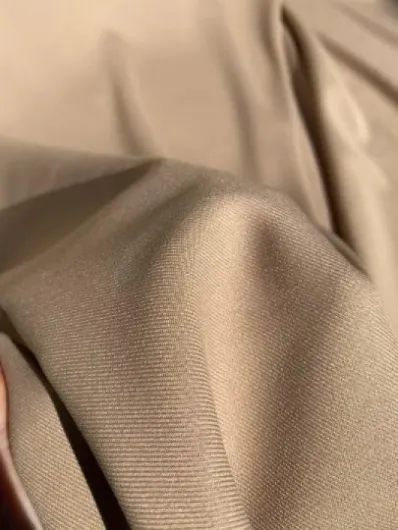
Beyond fabric composition, color and texture are at the forefront of current trends. While suiting black and navy remain timeless, there’s a noticeable shift toward lighter shades and textured finishes. Light grey, blue, and even black white combinations are being used in both formal and casual settings. Textured fabrics, such as wool suiting with a subtle weave or blend suiting with a tactile finish, add depth and interest to classic silhouettes.
For those seeking to express personal style, experimenting with fabric, color, and pattern is key. Whether you choose a super wool suit in solid navy or a wool silk blend in windowpane, the right fabric can set you apart and ensure your wardrobe feels both modern and timeless.