
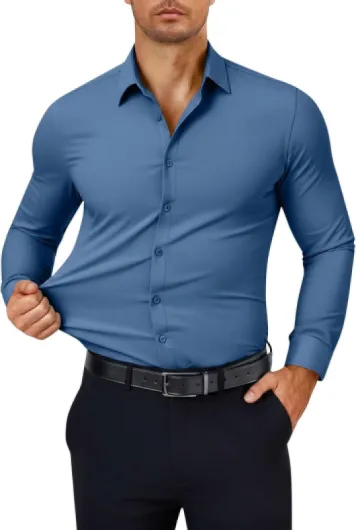
Understanding why sleeve length matters
The impact of sleeve length on your overall look
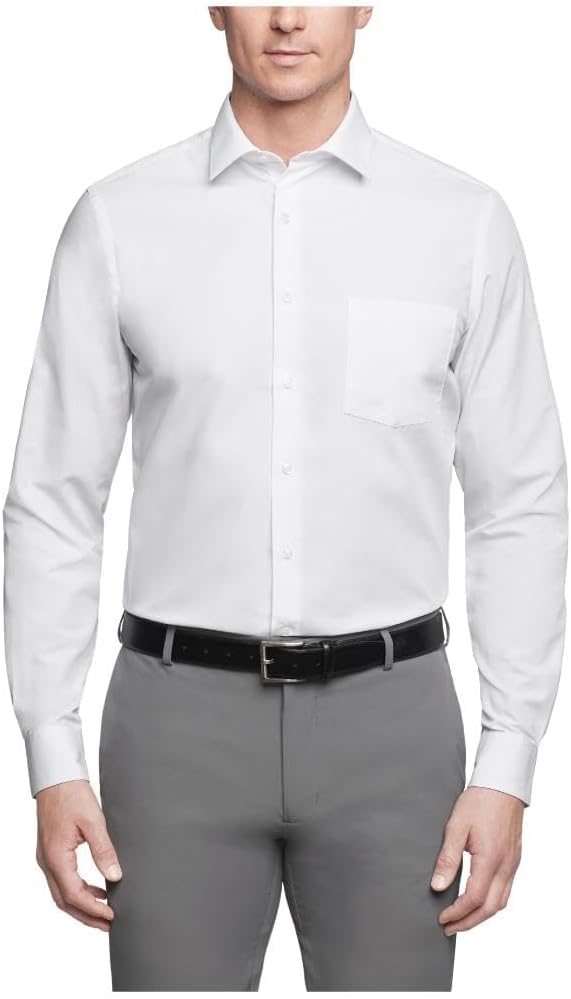
When it comes to dress shirts, getting the perfect fit is more than just a matter of comfort—it’s about style, confidence, and making the right impression. The sleeve length is a detail that can transform the way your shirt looks and feels. If your shirt sleeves are too short, your wrists will show awkwardly, making even the most expensive shirt look ill-fitting. On the other hand, sleeves that are too long can bunch up at the cuffs, giving a sloppy appearance and hiding your watch or accessories.
Why does this matter so much? The right sleeve length ensures your shirt complements your body shape and highlights your personal style. Whether you prefer a slim fit or a classic cut, the way your sleeves sit on your arm and at your wrist is crucial for achieving that sharp, tailored look. A well-measured sleeve will align with your shoulder and allow for comfortable movement, especially when you widen your wrist or reach forward.
- Fit and comfort: A shirt with the correct sleeve length feels natural, allowing you to move freely without pulling or bunching.
- Professional appearance: Properly measured sleeves help you look polished, whether you’re at the office or out for an evening event.
- Versatility: A well-fitting dress shirt can be styled with or without a jacket, making it a staple in any wardrobe.
Getting the sleeve length right is also essential when you explore collection options or shop shirts online. Since brands may have different size charts and sleeve lengths, knowing your exact measurement helps you pick the best fitting shirt every time. If you want to learn more about elevating your wardrobe with the perfect shirt, check out this guide to finding the right shirt.
In the next steps, you’ll discover the tools you need for accurate measuring and how to measure your sleeve length for a truly custom fit. Mastering this detail will help you avoid common mistakes and make sense of size charts, so you always look your best in any dress shirt.

Essential tools you need for accurate measurement
Gathering the Right Tools for Measuring
Getting the perfect fit for your dress shirt starts with having the right tools on hand. Accurate measurements are essential, especially when it comes to sleeve length and overall shirt fit. Here’s what you’ll need before you start measuring:
- Soft tape measure – A flexible tape measure is crucial for wrapping around your arm, neck, and chest. Avoid using rigid rulers or metal tapes, as they won’t follow your body’s natural curves.
- Fitted shirt – If you already own a dress shirt that fits well, use it as a reference for your measurements. This helps you compare sleeve lengths and overall fit.
- Mirror or helper – For the most accurate sleeve and shoulder measurements, it’s helpful to have someone assist you or use a full-length mirror to check your tape placement.
- Notepad or phone – Record your measurements as you go. This makes it easier to match your numbers to size charts and explore collections when shopping for new shirts.
When measuring, make sure the tape is flat and snug but not tight. This ensures your shirt sleeve and neck measurements reflect your actual size, leading to a better fit and style. If you’re curious about the differences between classic dress shirts and other styles, explore the differences between Oxford and dress shirts to understand how measurements can vary by shirt type.
With these tools ready, you’ll be prepared to measure your sleeve length, chest size, and more with confidence. This sets the foundation for finding a dress shirt that fits perfectly, whether you prefer a slim fit or a more traditional cut.
Step-by-step guide to measuring your sleeve length
How to Accurately Measure Your Sleeve Length
Getting the perfect fit for your dress shirt starts with knowing how to measure your sleeve length correctly. A well-measured sleeve ensures your shirt looks sharp, feels comfortable, and complements your style. Here’s a step-by-step guide to help you measure sleeve length like a pro, using a tape measure and a fitting shirt.
- Wear a shirt that fits well: Put on a dress shirt or a slim fit shirt that you already like the fit of. This helps you get a realistic measurement for your next shirt.
- Stand straight and relax your arm: Let your arm hang naturally at your side, slightly bent at the elbow. This mimics how your shirt sleeve will sit in real life.
- Start at the center neck: Place the tape measure at the center back of your neck, just below the collar band. This is the starting point for measuring sleeve length.
- Measure across the shoulder: Run the tape over the top of your shoulder, following the curve to the edge where your shoulder meets your arm. This is crucial for an accurate shirt measure.
- Continue down the arm: With the tape still in place, measure down the outside of your arm to your wrist bone. Widen your wrist slightly to ensure the sleeve length allows for movement and comfort.
- Record the measurement: Note the total length in inches or centimeters. This is your sleeve length for dress shirts and will help you shop shirts with confidence.
For best results, repeat the process on both arms, as measurements can differ. Always round up to the nearest half inch if you’re between sizes. If you’re exploring different styles, remember that some brands offer various sleeve lengths and fits, such as slim fit or classic. Matching your measurement to the right size sleeve is key to achieving that perfect fit.
Want to elevate your look even further? Explore our collection of black and gold neckties for a sophisticated finishing touch to your dress shirt ensemble.
| Step | What to Measure | Tips |
|---|---|---|
| 1 | Center neck to shoulder | Keep tape flat and straight |
| 2 | Shoulder to wrist | Arm slightly bent, wrist widened |
| 3 | Total sleeve length | Repeat for both arms |
Accurate measurements are the foundation for a great fit, whether you’re shopping for classic dress shirts or exploring new styles. Take your time, use a reliable tape measure, and enjoy the confidence that comes with a shirt that fits just right.
Common mistakes to avoid when measuring
Watch Out for These Measuring Pitfalls
Getting the perfect fit for your dress shirt depends on accurate measurements, especially when it comes to sleeve length. Even with the right tools and a clear step-by-step process, there are some common mistakes that can throw off your results. Here’s what to keep in mind to avoid frustration and ensure your shirt sleeves look sharp and feel comfortable.
- Using the Wrong Starting Point: Always begin at the center neck, not the edge of the collar. Starting too far out or in can add or subtract crucial centimeters from your sleeve length, affecting the overall fit of your dress shirt.
- Not Placing the Tape Measure Correctly: The tape should follow the natural curve from the center neck, over the top of the shoulder, and down the arm. If the tape measure slips off the shoulder or isn’t straight, your measurement won’t reflect your true size.
- Forgetting to Widen the Wrist: When measuring sleeve length, slightly widen your wrist as you would when moving. This ensures your shirt sleeves won’t feel tight during daily activities. Overlooking this step can lead to a restrictive fit, especially with slim fit or tailored shirts.
- Measuring Over Bulky Clothing: Always measure over a thin, fitting shirt or directly on the skin. Measuring over a sweater or jacket will distort your sleeve and chest size, leading to a poor fit.
- Ignoring Posture and Arm Position: Keep your arm relaxed and slightly bent at the elbow. Measuring with a straight or overly bent arm can result in sleeve lengths that are too short or too long for your style and comfort.
- Not Double-Checking Measurements: It’s easy to misread the tape or forget a step. Double-check your measurements for sleeve, neck, and waist to avoid surprises when you shop shirts or explore a new collection.
By steering clear of these mistakes, you’ll get a more accurate shirt measure and a better fitting dress shirt. This attention to detail helps you match your measurements to the right size chart and ensures your next shirt, whether classic or slim fit, feels like it was made just for you.
How to read size charts and match your measurements
Decoding Size Charts for the Right Sleeve Length
Once you have your sleeve measurement, it’s time to match it with the size chart provided by the brand or retailer. Every brand can have slight variations in how they size their dress shirts, so don’t assume your usual size will always guarantee the perfect fit. Here’s how to make sense of those numbers and get the best results for your shirt sleeves:
- Compare your measurements directly: Take your tape measure results for sleeve length, neck, and chest size, and look for these numbers on the size chart. Most charts will list sleeve lengths in inches, sometimes as a range (like 32-33), so choose the closest match to your measurement.
- Check for fit options: Many dress shirts come in different styles, such as slim fit or classic fit. Your chest and waist measurements will help you decide which fit will look best and feel comfortable. A slim fit shirt will be more tailored, while a classic fit offers more room.
- Look for dual sizing: Some brands use a two-number system for sizing, like 15.5/34. The first number is the neck size, and the second is the sleeve length. Make sure both numbers align with your measurements for a fitting shirt.
- Account for personal style: If you prefer to wear your shirt sleeves slightly longer or want to accommodate a watch, you might want to size up by half an inch. However, avoid going too long, as excess fabric can look sloppy.
- Review return policies: Even with careful measuring, sometimes the fit isn’t quite right. Check if you can exchange or return shirts if the sleeve length or overall fit doesn’t meet your expectations.
Remember, accurate measuring and understanding size charts are key steps to achieving that perfect fit. Take your time, use your tape measure carefully, and don’t hesitate to explore collections from different brands to find the ideal dress shirt for your style and body type.
When to seek professional help for measurements
Knowing When to Trust a Professional Tailor
Even with the best tape measure and careful steps, getting the perfect fit for your dress shirt sleeve can be tricky. If you’ve measured your sleeve length, neck, and chest size but still find your shirts don’t fit as expected, it might be time to consult a professional. Tailors have the expertise to assess your shoulder, arm, and waist proportions, ensuring your shirt sleeves match your style and body shape.
- Unusual body proportions: If your arm length or shoulder width doesn’t match standard size charts, a tailor can help you achieve a custom fit.
- Frequent fit issues: If you often find dress shirts too tight in the chest or too loose at the waist, professional measurement can solve these problems.
- Special occasions: For important events or when investing in top-quality shirts, expert measuring ensures your dress shirt fits perfectly from the center neck to the cuff.
Professional tailors use advanced techniques, such as measuring from the center neck down the shoulder and along the arm, to determine the exact sleeve length. They’ll also consider how you move, whether you prefer a slim fit or a classic style, and how the shirt sits when you widen your wrist or raise your arm.
Ultimately, if you want to explore a collection of shirts that truly fit, or if you’re unsure about your own measuring skills, seeking professional help is a smart move. It’s the best way to guarantee your dress shirts look sharp and feel comfortable, no matter your size or style preferences.