Length, cut and style codes for performance focused men
Length is the most visible style signal when people choose sports socks. Ankle socks, micro crew designs and classic crew socks each send a different message about how you balance performance with aesthetics. Selecting the best cut for your sport and outfit will refine your athletic look while protecting your feet where it matters.
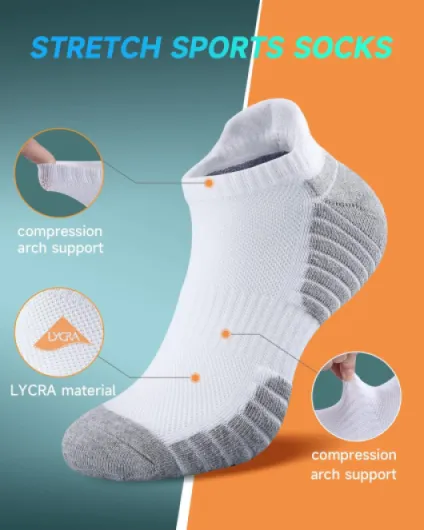
Low ankle socks work well with minimalist trainers and shorts when you want a clean leg line. For road running, these ankle length options should still rise high enough to prevent the shoe collar from rubbing your skin, so check key specs for exact height in centimeters. Those who prefer a more assertive style can move to micro crew or half calf cuts that frame the calf muscle and echo the proportions of tailored trousers.
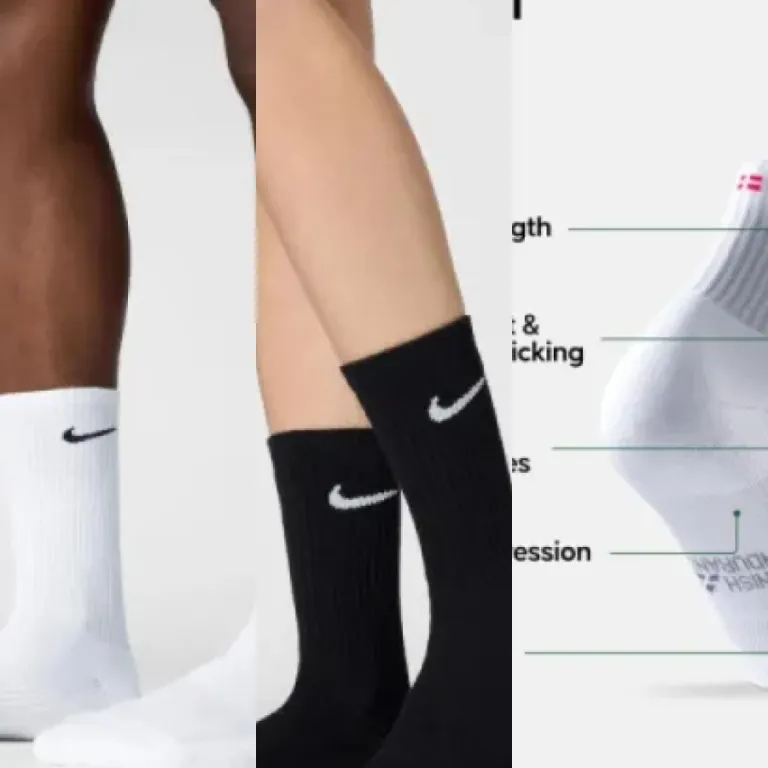
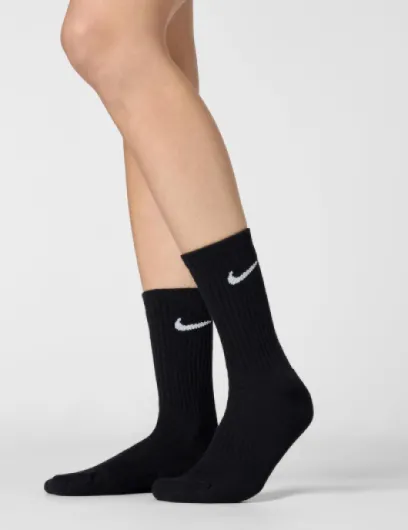
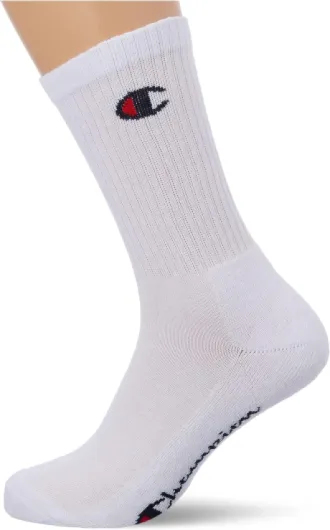
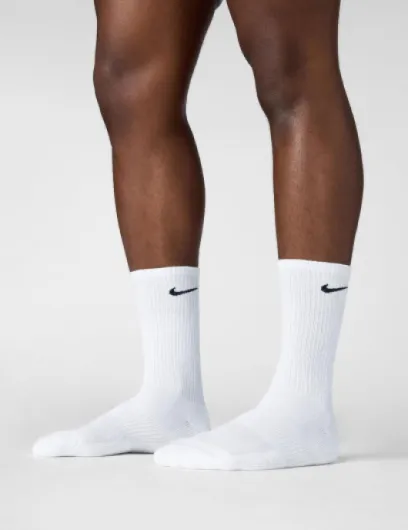
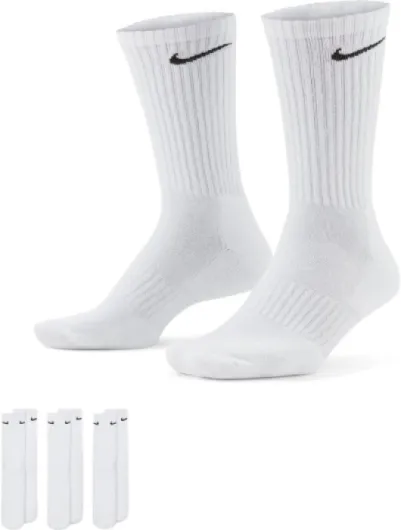
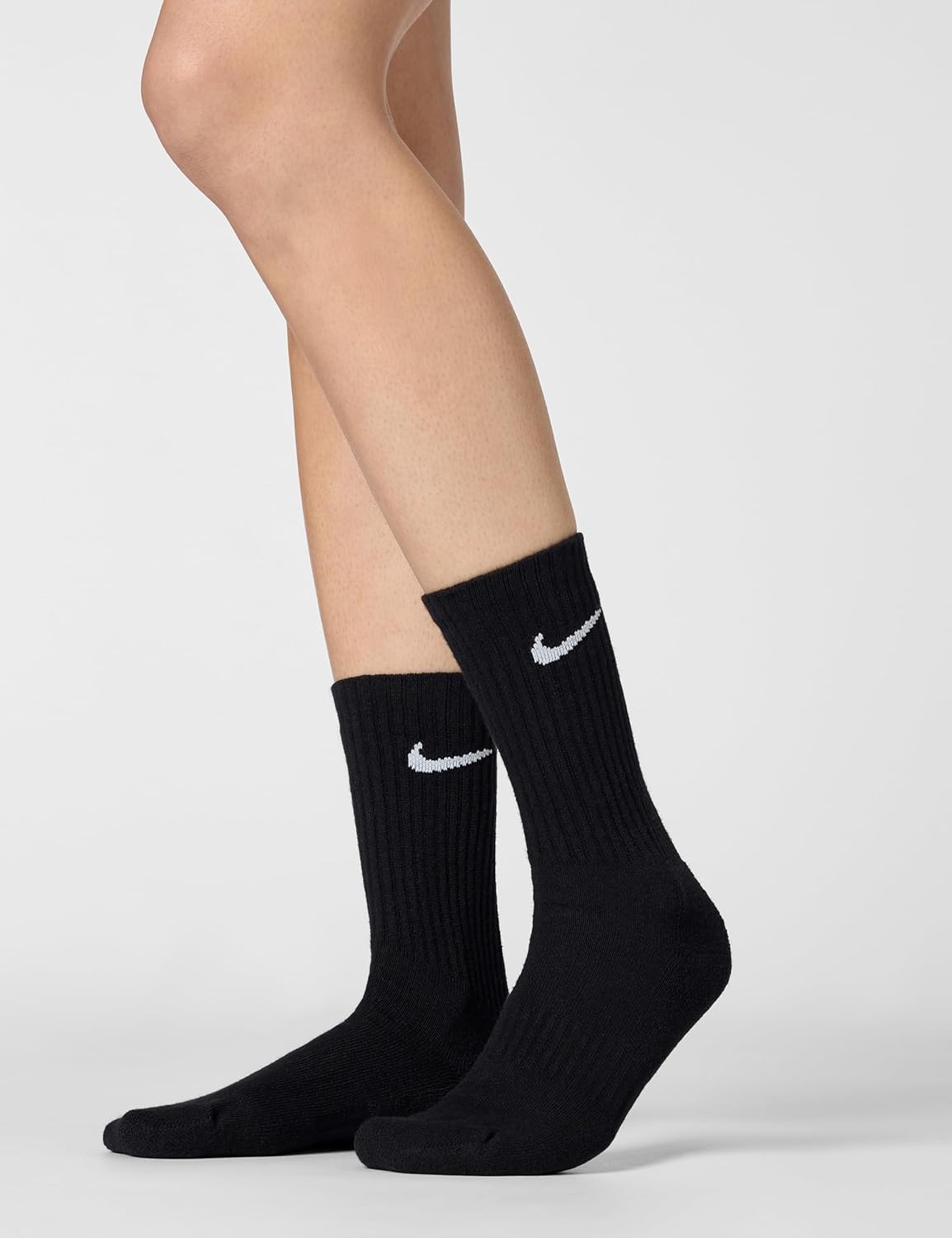
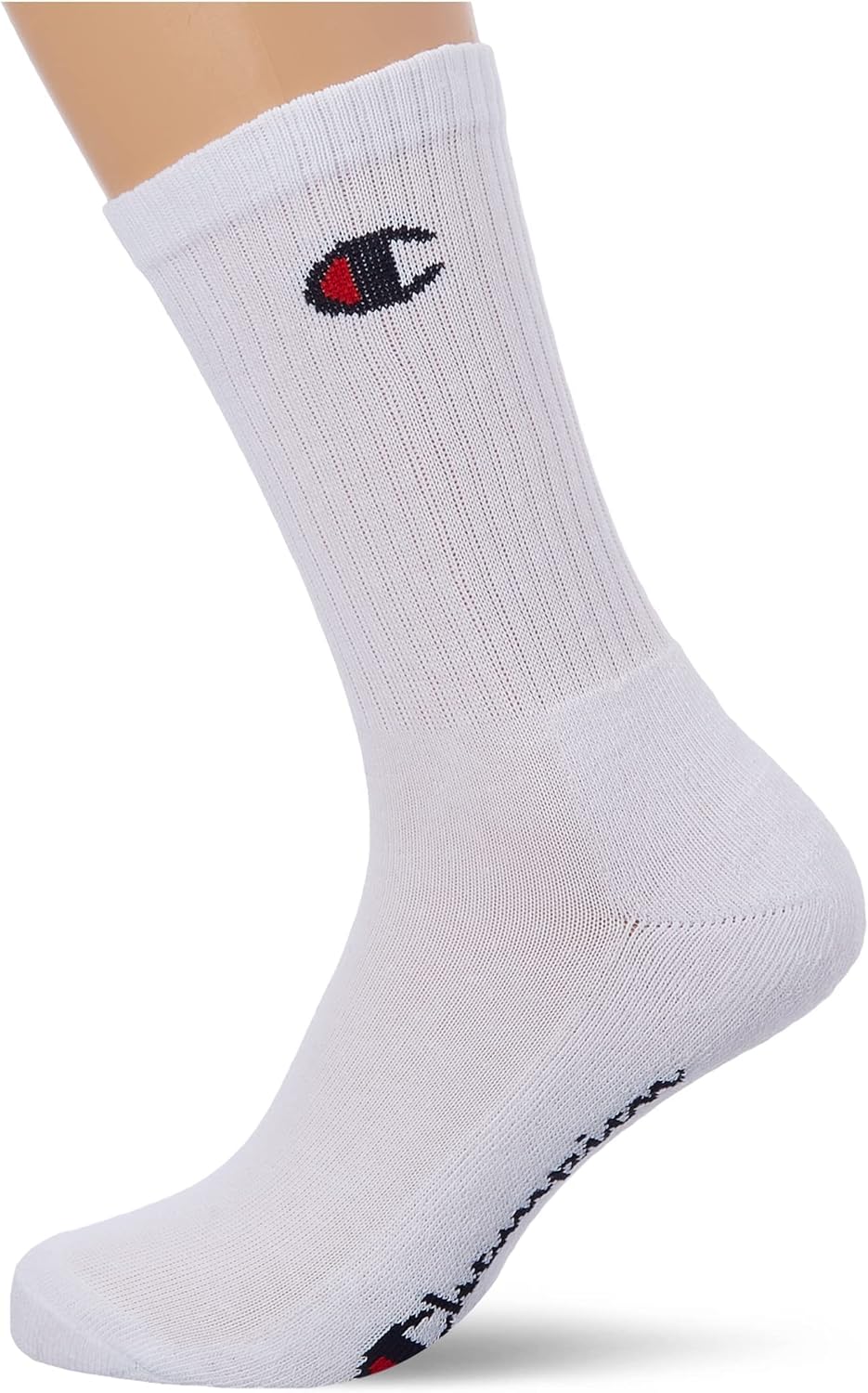
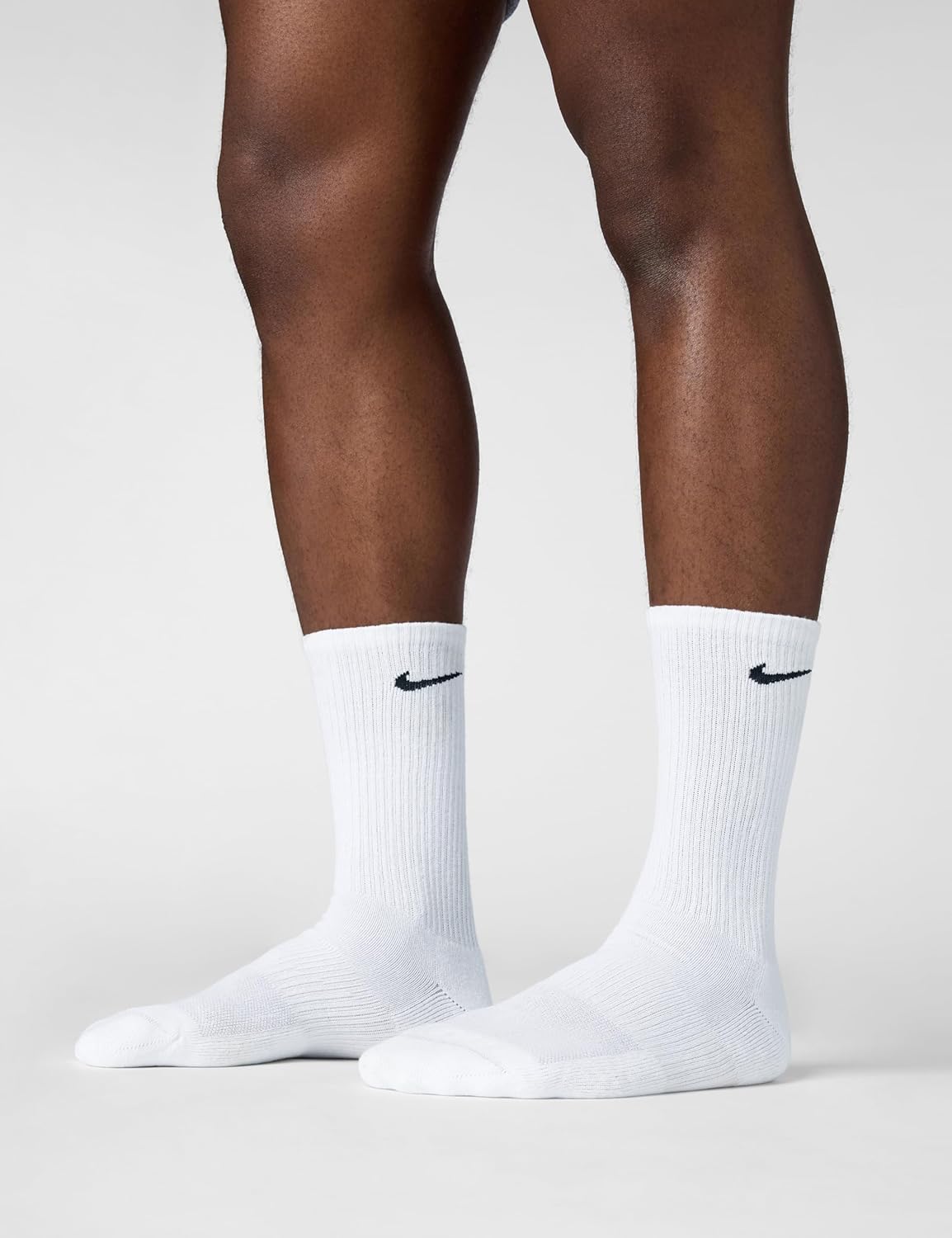
Traditional crew socks remain the most versatile choice for multi sport wardrobes. A well designed crew sock reaches mid calf, covering the lower leg for warmth while leaving enough skin above to show definition when you wear fitted training shorts. In gyms where style matters, tonal crew socks in black, grey or deep navy pair seamlessly with compression tights and layered shorts.
Calf socks and half calf silhouettes also play a functional role for trail running and field sports. Extra coverage shields shins from brush, turf and debris, while structured ribbing helps the sock stay in place during lateral movements. When you compare sports socks for outdoor use, prioritize models with reinforced fronts and moisture wicking panels that keep feet dry even when conditions shift quickly.
People who share training space with women often underestimate how unisex many performance designs have become. Several brands now offer the same technical crew socks for men and socks women in parallel size runs, which allows couples or training partners to align their style while respecting anatomical differences. When you browse a curated guide to top performance sports socks, pay attention to whether the same pattern appears in both men and women versions.
From a fashion perspective, color blocking and logo placement on athletic socks deserve careful thought. A subtle stripe at the top of a crew or calf sock can echo the accent color of your sneakers, while bold branding works best when the rest of your outfit stays restrained. The best sports socks for style conscious men use pattern and length to frame the leg, not to shout louder than your footwear or training kit.
Cushioning, support and compression for high performance feet
Under the surface, cushioning and support define how sports socks perform for serious athletes. Strategic padding under the heel and forefoot absorbs impact, while thinner zones over the top of the foot prevent excess bulk. This sculpted approach allows each sock to protect your feet without compromising the sleek line of your trainers.
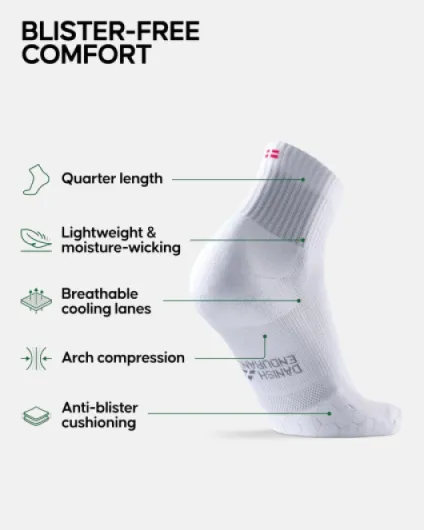
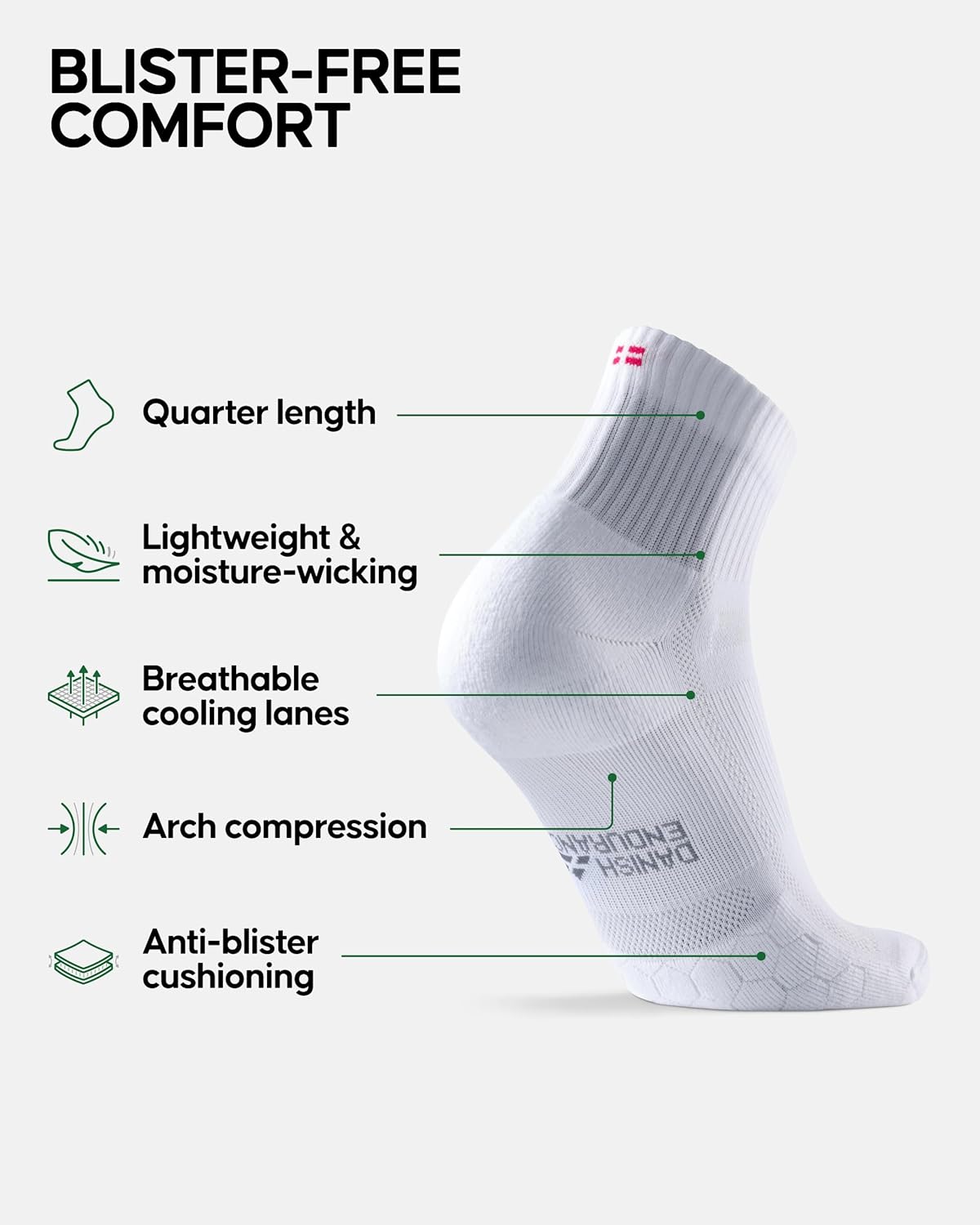
Running socks designed for road mileage usually feature medium cushioning and firm arch support. That structure stabilizes the midfoot during repetitive strides, which reduces fatigue and helps keep feet aligned inside neutral or stability shoes. For trail running, extra cushioning around the toe box and lateral edges protects against rocks and uneven terrain while still relying on moisture wicking yarns to manage sweat.
Compression socks deserve special attention from fashion minded athletes. Graduated compression applies more pressure at the ankle and less toward the calf, encouraging blood flow back toward the heart during long sessions. Market analyses of performance socks by NPD Group and Allied Market Research indicate that running specific models now represent approximately one third of technical sock sales globally, reflecting how men prioritize dedicated designs over generic everyday options.
Men who combine compression tights with half calf or calf socks should choose tonal colors so the visual line remains continuous rather than broken at the ankle. Light compression also benefits everyday wear when you move between office and gym. A discreet pair of black compression socks under tailored trousers can support circulation during long meetings, then transition directly into a high intensity class without changing your base layer.
For winter training, pairing such socks with a technical base like this sport compression suit for men creates a streamlined, performance driven silhouette. Support features also extend to the top band and instep of your sports socks. A well engineered cuff will grip the leg without digging into the skin, preventing the sock from sliding down during sprints or plyometrics.
Elasticated panels over the top of the foot lock the sock in place, which stops friction and helps keep feet free from blisters even in narrow performance shoes. Consumer surveys from major sports retailers including Decathlon and Fleet Feet report that over 60 % of runners who switch from basic cotton socks to moisture wicking athletic socks notice improved comfort and fewer hot spots within the first month of use.
Modern training often includes connected devices, and your accessories should match that mindset. Keeping a braided USB C cable such as the one tested in this fast charging cable review in your gym bag ensures your watch or phone stays powered while you track performance. When your tech, compression layers and socks work together, your entire training system feels intentional rather than improvised.
Material blends, care and longevity for premium sports socks
Longevity separates the best sports socks from disposable multipacks that lose shape quickly. People who invest in premium pairs expect each sock to maintain structure, color and cushioning after repeated training cycles. Achieving that standard requires thoughtful material blends and disciplined care routines.
High end athletic socks often combine merino wool or other fine wool fibers with synthetics for durability. A merino wool blend regulates temperature and resists odor, while nylon and elastane reinforce high wear zones and help the sock recover its shape. This wool blend approach means your running socks can handle both intense sessions and everyday commuting without looking tired.
Cotton remains relevant when used intelligently in a cotton blend. Small percentages of cotton soften the hand feel of crew socks and ankle socks, making them more pleasant against bare skin during everyday wear. The key is ensuring that performance pairs still rely on moisture wicking synthetics to keep feet dry rather than allowing cotton to hold sweat near the skin.
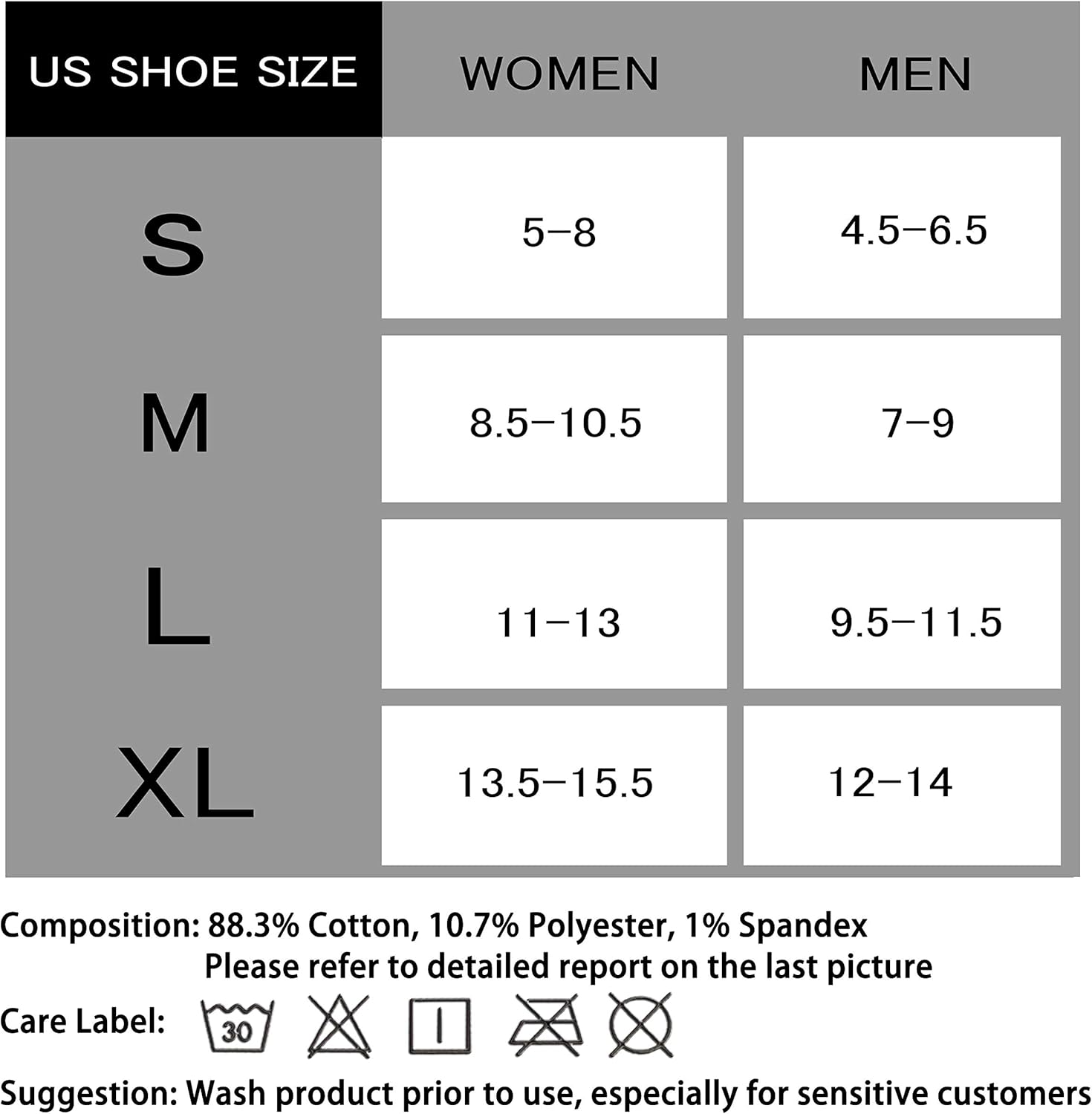
Care instructions matter as much as fiber content for people who want their socks best pairs to last. Washing sports socks inside out at low temperatures protects technical yarns and preserves compression levels in the cuff and arch. Avoiding fabric softeners will help moisture wicking channels remain effective, since these coatings can clog the microscopic gaps that move sweat away from your feet.
Drying practices also influence how long your sports socks stay sharp. Air drying on a flat surface or over a rack prevents the top band from stretching out, while high heat tumble cycles can damage elastane and reduce compression. When you treat your socks with the same respect as premium knitwear, the soft feel and precise fit remain intact for many seasons.
Finally, rotation strategy plays a subtle but important role in longevity. People who maintain a dedicated set of best running and trail running socks, separate from everyday pairs, reduce wear on their most technical designs. This approach keeps your top performing athletic socks ready for serious sessions while more basic cotton or cotton blend options handle casual errands and relaxed days.
Shopping smart: from boutique shelves to online giants
Where you shop for sports socks shapes both style and performance outcomes. Boutique running stores and specialist outdoor retailers curate technical socks with clear key specs, while large platforms such as Amazon offer scale and convenience. Fashion conscious men should use both channels strategically rather than relying on a single source.
In a physical shop, you can handle each sock and assess the knit density, softness and stretch. Trying on crew socks or calf socks with your own sneakers reveals how the top band sits on your leg and whether the cushioning profile suits your stride. Staff in specialist stores often run themselves, so they can explain which running socks work best for road, track or trail running.
Online, the landscape looks different but equally valuable for informed buyers. On Amazon, filters allow you to narrow options by material, length and compression level, which helps you locate merino wool or cotton blend athletic socks quickly. Reading verified reviews that mention how well pairs keep feet dry or how the sizing compares to other brands gives you practical insight before you commit.
Brand reputation should guide your decisions across both environments. Labels such as Darn Tough have built trust by offering lifetime guarantees on many wool blend and merino wool models, which signals confidence in durability. When a brand publishes detailed key specs about cushioning zones, compression ratings and moisture wicking performance, that transparency usually reflects serious product testing.
Price per wear is another metric that style aware men should calculate. A premium pair of best running socks that lasts through hundreds of kilometers and still looks sharp with your training kit often costs less over time than cheaper multipacks that sag quickly. Investing in a small rotation of top tier sports socks for performance, alongside more affordable everyday cotton socks, balances budget with function.
Finally, consider how your sock choices align with the rest of your athletic wardrobe. Men who favor monochrome sneakers and minimalist training gear can use subtle color accents on crew or ankle socks to introduce personality without overwhelming the look. Those who already wear bold shoes may prefer understated socks that let the footwear remain the focal point while still delivering technical benefits.
Building a versatile sports sock rotation for style driven men
A well planned rotation of sports socks gives fashion minded men control over both performance and aesthetics. Instead of relying on one generic style, you assemble a wardrobe of socks that match specific activities and outfits. This approach ensures your feet receive the right support while your overall look stays coherent.
Start with a foundation of everyday athletic socks in neutral tones. These crew socks or ankle socks should feature light cushioning, moisture wicking yarns and a soft feel suitable for commuting, casual training and travel. Men can pair them with sneakers, loafers or even boots when they want comfort without overt performance branding.
Next, add dedicated best running and trail running options to your drawer. Running socks for road work might prioritize thin, responsive cushioning and snug arch support, while trail specific pairs use more robust padding and reinforced toes. Choosing merino or merino wool blends for these categories helps keep feet comfortable across changing temperatures and distances.
Compression socks form the third pillar of a sophisticated rotation. For long flights, recovery days or heavy leg sessions, a pair of sleek black compression socks worn under trousers or training tights supports circulation and reduces swelling. Men who appreciate subtle style can select half calf or calf socks with minimal logos so they transition easily between office and gym.
Finally, reserve a few statement pairs for moments when socks become a deliberate style accent. A micro crew silhouette with a contrasting top stripe can frame the ankle beautifully when worn with cropped joggers and low profile sneakers. Coordinating these sports socks with the color of your watch strap or training top creates a cohesive, editorial level look.
Rotating between these categories also extends the life of each sock. When your most technical wool blend or cotton blend pairs only see action during serious sessions, they maintain structure and performance longer. Over time, this disciplined approach to sports socks mirrors how style conscious men manage tailoring, outerwear and footwear across their entire wardrobe.
Key figures every performance focused man should know
- Laboratory tests on moisture management fabrics from institutes such as the Hohenstein Group and the University of Leeds School of Design report that synthetic and merino wool blends can move sweat away from the skin roughly 30–50 % faster than pure cotton in standardized wicking trials, which directly reduces blister risk during long runs.
- Market analyses of performance socks by NPD Group and Allied Market Research indicate that running specific models now represent approximately one third of technical sock sales globally, reflecting how men prioritize dedicated designs over generic everyday options.
- Consumer surveys from major sports retailers including Decathlon and Fleet Feet report that over 60 % of runners who switch from basic cotton socks to moisture wicking athletic socks notice improved comfort and fewer hot spots within the first month of use.
- Brand warranty data from premium labels such as Darn Tough suggest that densely knit wool blend socks can outlast standard multipack cotton socks by several seasons when washed according to care instructions.