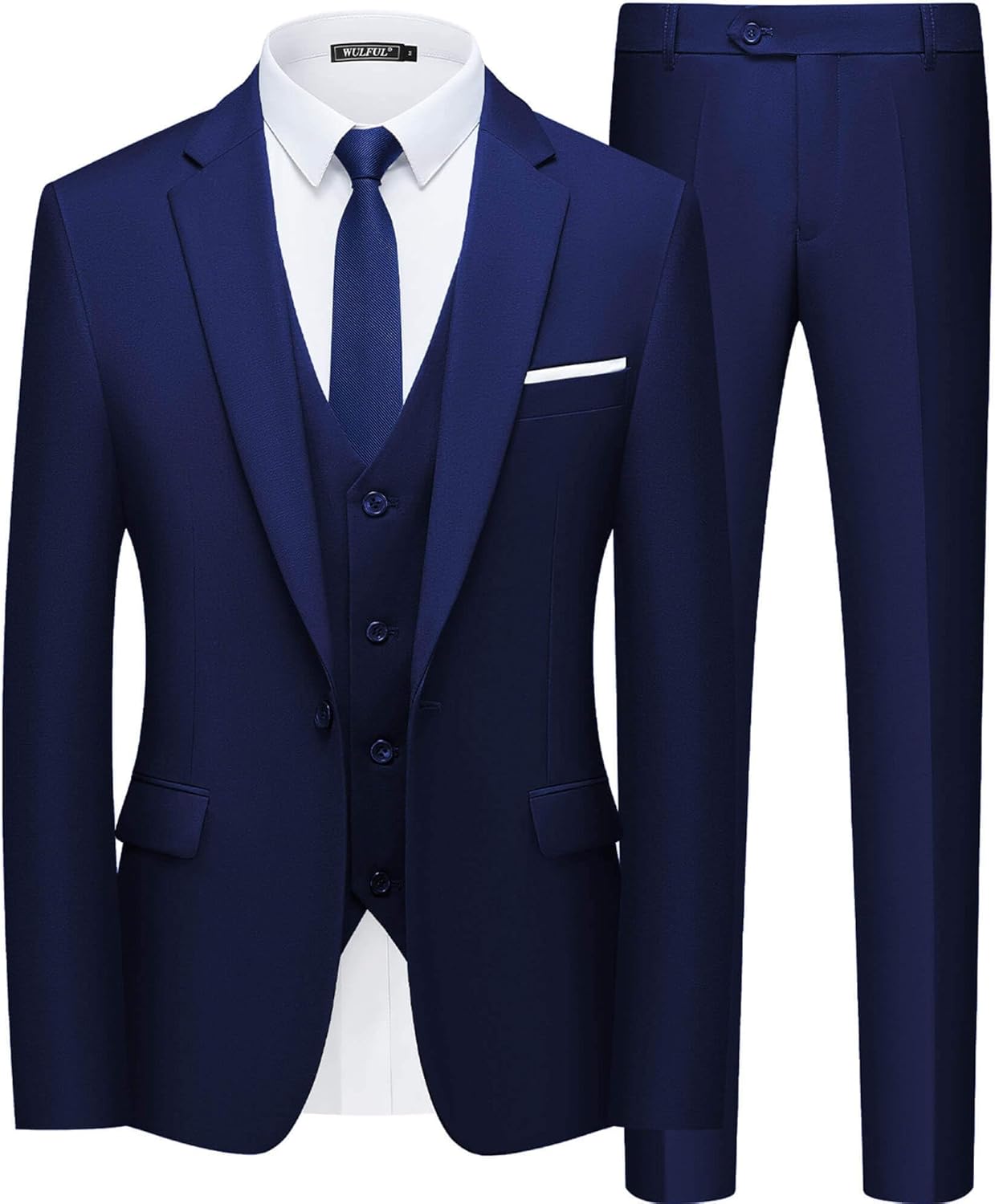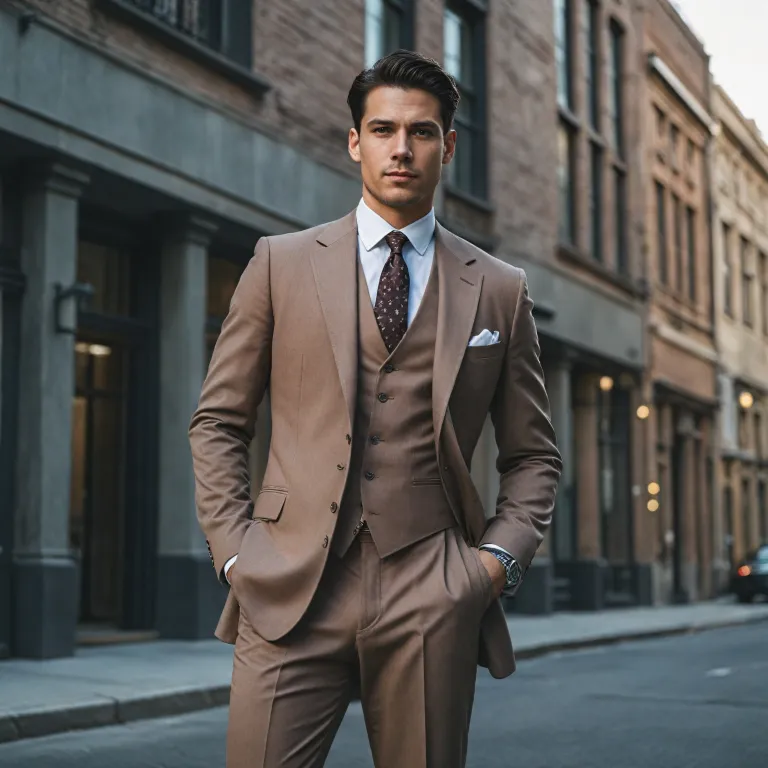

Understanding the importance of suit pants length
The foundation of a sharp look starts at the hem
When it comes to men’s style, the length of your suit pants is more than just a detail—it’s a statement. The right pant length can define the entire silhouette of your suit, affecting how the fabric drapes along your leg and how your trousers interact with your shoes. Whether you’re dressing for a formal event or a business meeting, the break of your pants—where the hem meets your shoe—plays a crucial role in achieving a polished appearance.
Suit trousers that are too long can bunch up, creating unwanted breaks and a sloppy look. On the other hand, pants that are too short can expose too much ankle, disrupting the balance of your outfit. The ideal pant break, whether it’s a full break, half break, quarter break, or even a cropped pant, depends on your personal style, the dress code, and the fit you want to achieve. Each option brings its own vibe, from classic to modern, and can be tailored to match your shoes and the occasion.
Understanding the importance of pant length is essential for mastering the art of men’s tailoring. It’s not just about following trends—it’s about ensuring your suit pants fit your body and your lifestyle. The right pant hem will enhance the flow of the fabric, create clean lines, and help you look put-together from head to toe. For those interested in the roots of men’s formalwear and how suit pants have evolved, exploring the timeless symbol of men’s elegance offers valuable context.
As we dive deeper, we’ll look at how classic and modern pant breaks differ, how to measure for the perfect length, and the tailoring tips that will help you achieve the best pants fit for any occasion.
Classic versus modern suit pants lengths
Comparing Traditional and Contemporary Pant Breaks
When it comes to suit trousers, the length and the way the pant hem meets your shoe—known as the break—can define your entire look. The classic approach to pant length has evolved, offering men more ways to express their personal style while respecting dress codes and fit expectations.
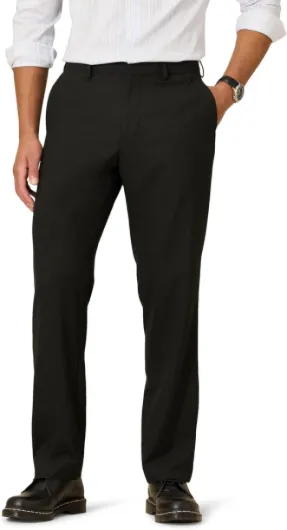
- Full Break: This traditional style features a pant hem that rests heavily on the shoe, creating a deep crease or fold at the front of the pant leg. It’s a timeless choice, often seen in more formal or conservative settings. The full break provides extra fabric, which can be forgiving for taller men or those who prefer a looser fit.
- Half Break: A versatile option, the half break means the pant hem just touches the top of your shoe, creating a slight fold. This is a balanced look—modern but not too trendy—making it a popular choice for most suit pants today. It works well with a variety of shoes and is suitable for both business and social occasions.
- Quarter Break: For a sharper, more tailored appearance, the quarter break offers a minimal fold where the pant just grazes the shoe. This style is favored by men who want a clean, contemporary silhouette and pairs well with slim-fit trousers and dress shoes.
- No Break or Cropped Pant: The pant hem sits above the shoe, exposing the ankle or sock. This modern style is increasingly popular in fashion-forward circles and warmer climates. It’s a bold choice that highlights your shoes and works best with a slim pant leg and a confident attitude.
Choosing between these pant breaks depends on your personal style, the fit of your suit trousers, and the occasion. For example, a full break might suit a traditional office environment, while a quarter break or cropped pant can make a statement at a casual event. The fabric and cut of your pants will also influence how the break looks and feels.
Understanding these differences is key to mastering the perfect pant length. For more on the evolution of men’s formalwear and how these styles fit into the broader history of men’s fashion, check out this guide to tuxedo jacket style and modern appeal.

How to measure and identify your ideal suit pants length
Finding Your Ideal Pant Break
The right pant length can make or break your entire suit look. It’s not just about personal taste—getting the pant break right ensures your trousers sit perfectly over your shoes, creating a sharp, intentional style. But how do you measure and identify the ideal suit pant length for your body and the occasion?
- Understand the "break": The break is where the pant hem meets your shoe. It’s the small crease or fold that forms when the fabric rests on your footwear. There are several types: no break, quarter break, half break, and full break. Each gives a different vibe, from modern cropped pant styles to classic full breaks.
- Assess your leg and shoe combination: Stand straight in your dress shoes and let the trousers fall naturally. The hem should touch the top of your shoe without bunching up. For a slight break, the pant leg will just graze the shoe, creating a clean line. A half break means a subtle fold, while a full break results in a deeper crease and more fabric at the ankle.
- Measure for accuracy: Use a tape measure from the waistband down the outside seam to the desired pant hem. For most men, the ideal length is where the hem sits just above the heel of the shoe at the back, and covers the laces at the front without excessive fabric pooling.
- Consider the dress code and fit: Slimmer pants fit best with a slight or quarter break, while traditional trousers can handle a half or full break. The occasion and your personal style will influence your choice. For a modern, fashion-forward look, a cropped pant or no break might be the way to go.
Remember, the right pant break not only complements your suit but also your shoes and overall silhouette. If you’re looking to add a personal touch to your outfit, consider how accessories like leather bracelets for men can elevate your style. Getting the pant length right is a detail that sets apart men who understand the nuances of fit and fashion.
Common mistakes men make with suit pants length
Frequent Pitfalls in Suit Pant Length
Getting the right pant length is crucial for a sharp, polished look. Yet, many men fall into the same traps when it comes to their suit trousers. Here are some of the most common mistakes to watch out for:
- Too Much Break: A full break or even a medium break can swamp your shoes and create excess fabric at the hem. This often leads to a sloppy silhouette and can make your legs appear shorter.
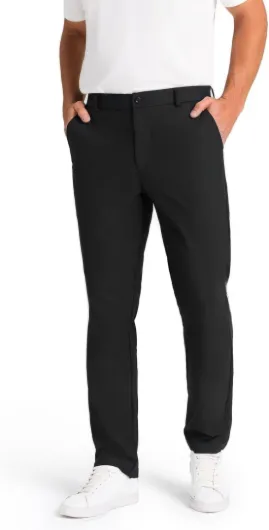
- Too Short or Cropped Pant: While cropped pants or a quarter break can look modern, going too short exposes too much ankle and disrupts the balance between your trousers and shoes. This can clash with a formal dress code.
- Ignoring Shoe Choice: The type of shoe you wear affects how your pant hem falls. For example, a slight break works well with classic dress shoes, but may look off with chunkier footwear. Not considering your shoes can throw off the entire style.
- Overlooking Fabric Weight: Heavier fabrics tend to stack more at the pant hem, creating unintended breaks. Lighter fabrics may drape differently, so the same pant length can look very different depending on the material.
- Neglecting Tailoring: Off-the-rack suit pants rarely fit perfectly. Skipping a visit to a tailor means you risk pants that are either too long or too short, missing that custom-fit appearance.
- Inconsistent Pant Legs: Uneven pant legs or a poorly finished hem can ruin the clean line of your trousers. Always check that both legs are the same length and the hem is finished properly.
Understanding these pitfalls is key to achieving the right pant break and overall fit. Paying attention to details like the pant hem, fabric, and how your trousers interact with your shoes will help you avoid these common errors and elevate your style.
Tailoring tips for getting the right suit pants length
Getting the Hem Just Right
A sharp suit pant starts with a precise hem. The hem determines how your trousers fall over your shoes and defines the pant break—whether you prefer a full break, half break, quarter break, or a cropped pant style. The right pant length and hem will make your suit trousers look intentional and elevate your overall fit.- Communicate your preference: When you book an appointment with your tailor, bring the shoes you plan to wear most often with your suit. This helps the tailor gauge the ideal pant length and break for your style and dress code.
- Choose your break: Decide if you want a full break (fabric resting heavily on the shoe), half break (slight bend at the front), quarter break (minimal touch), or no break (pant legs just graze the shoe). Each break gives a different vibe, from classic to modern.
- Consider the fabric: Heavier fabrics drape differently than lightweight ones. A wool suit pant may need a slightly longer hem for a clean break, while lighter fabrics can look sharp with a cropped pant or quarter break.
- Check the leg opening: The width of your pant legs affects how the hem sits on your shoe. Slimmer trousers often work best with a slight or quarter break, while wider pants can handle a full break without looking sloppy.
Tailoring for the Perfect Fit
Tailoring isn’t just about shortening or lengthening. A skilled tailor will assess the overall pants fit, ensuring the pant hem sits evenly and the break complements your shoes and style. Here’s what to expect:- Pinning and marking: Your tailor will pin the trousers while you stand in your dress shoes, checking the pant length and break from all angles.
- Adjusting for symmetry: Both pant legs should have the same break and hem length. Uneven pant breaks can ruin the clean lines of your suit.
- Final fitting: Always try on the suit pants after alterations. Walk, sit, and check how the pant legs move. The hem should stay consistent and not ride up too much.
Quick Tips for Men’s Suit Pant Tailoring
- Always bring your preferred shoes to fittings.
- Decide on your desired break before visiting the tailor.
- Ask for a slight angle on the pant hem if you want the back to cover more of the shoe heel.
- Don’t be afraid to discuss different pant breaks—quarter, half, full—to find what suits your style best.
How to style your suit pants for different shoes and occasions
Pairing Suit Pants with the Right Shoes
The way your suit pants interact with your shoes can make or break your overall look. The length and break of your trousers should complement your footwear and the occasion. Here’s how men can style their suit pants for different shoes and dress codes:
- Oxfords and Derbies: These classic dress shoes work best with a slight or half break. The pant hem should gently rest on the top of the shoe, creating a clean line without excessive fabric bunching. This style is timeless and fits most formal events.
- Loafers: For a modern, relaxed vibe, opt for a quarter break or even a cropped pant. The shorter length exposes a bit of ankle or sock, which is ideal for summer weddings or smart-casual gatherings. Ensure the pants fit close to the leg for a sharp silhouette.
- Boots: When wearing boots, a medium or full break can balance the bulkier shoe. The extra fabric allows the pant legs to drape naturally over the boot, avoiding awkward bunching at the hem.
- Sneakers: For business-casual or creative settings, pair suit trousers with clean, minimal sneakers. A cropped pant or quarter break works well here, keeping the look intentional and contemporary.
Adapting Pant Breaks to Dress Codes and Occasions
The right pant break depends not just on your shoes, but also on the event’s dress code. Here’s a quick reference:
| Occasion | Pant Break | Recommended Shoes |
|---|---|---|
| Black Tie / Formal | Slight or Half Break | Oxfords, Patent Leather |
| Business | Half or Medium Break | Derbies, Brogues |
| Smart Casual | Quarter Break or Cropped | Loafers, Minimal Sneakers |
| Casual | Cropped or No Break | Sneakers, Casual Loafers |
Remember, the fabric and fit of your suit pants also influence how the break looks. Heavier fabrics drape differently than lightweight ones, so always check the pant hem with your chosen shoes before finalizing the length. If in doubt, book appointment with a trusted tailor to ensure your pants fit perfectly for any occasion.