

Defining the tuxedo jacket
What Makes a Tuxedo Jacket Unique?
The tuxedo jacket stands out as a cornerstone of men’s formal fashion. Unlike regular suit jackets, tuxedo jackets are designed specifically for formal evening events, such as black tie weddings, galas, and sophisticated dinners. The most classic version is the black tuxedo jacket, but midnight blue and even white tuxedo jackets have become popular choices for those seeking to express their personal style within the boundaries of formal dress codes.
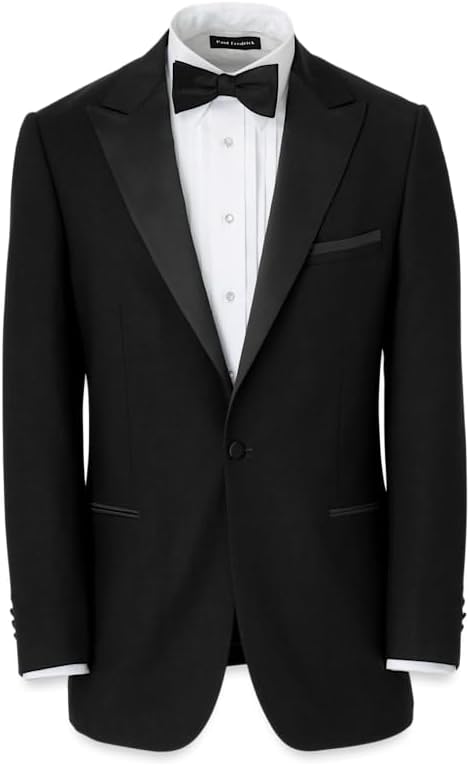
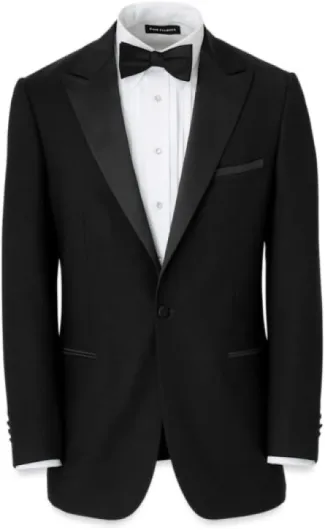
Key features distinguish the tuxedo jacket from other suit jackets. Satin is a defining element, often found on the lapels, buttons, and sometimes the pocket trim. Shawl lapel and peak lapel styles are both common, with the shawl lapel offering a smooth, rounded look that’s especially popular for dinner jackets. Tuxedo jackets are typically single breasted, though double breasted and other breasted jackets are also seen in modern interpretations.
- Lapels: Usually satin, either shawl or peak style
- Buttons: Covered in satin for a seamless, elegant finish
- Pockets: Jetted (no flaps), maintaining a sleek silhouette
- Color: Traditionally black, but midnight blue and white are also classic choices
- Pairing: Worn with a formal shirt, bow tie, and often a waistcoat or cummerbund
The tuxedo jacket is not just about tradition; it’s about making a statement. Whether you’re attending a formal evening event or navigating the nuances of semi formal dress codes, understanding the details of the tuxedo jacket helps you choose the right piece for your wardrobe. For those interested in exploring how to style a black tuxedo or want inspiration for standout looks, check out this guide on styling a black and gold men’s suit for ideas that blend classic and contemporary fashion.

A brief history of the tuxedo jacket
The Origins and Evolution of the Tuxedo Jacket
The tuxedo jacket has a fascinating story that traces back to the late 19th century. Originally, the dinner jacket—what we now call the tuxedo—emerged as a less formal alternative to the traditional tailcoat, which was the standard for white tie events. The shift began in England, where men sought a more comfortable yet still elegant garment for formal evening occasions. The style quickly crossed the Atlantic and gained popularity in the United States, especially for semi formal and black tie events.
By the early 20th century, the tuxedo jacket had established itself as a staple of men’s formal wear. Its defining features—such as satin lapels, a single breasted or double breasted cut, and a sleek silhouette—set it apart from regular suit jackets. The classic black tuxedo became synonymous with sophistication, while midnight blue and white tuxedos offered stylish alternatives for those wanting to stand out at a wedding or formal dinner.
Over time, the tuxedo jacket has adapted to changing dress codes and fashion trends. The introduction of the shawl lapel, the use of different fabrics like velvet, and the rise of the waistcoat as a complement to the jacket all reflect its evolving nature. Today, tuxedo jackets are worn not only by men but also by women, further expanding their role in modern fashion. For a deeper dive into how color and detail can elevate formal looks, check out this guide on styling a black and gold men’s suit.
Despite these changes, the tuxedo jacket remains a symbol of refined style and continues to play a key role in formal evening wear, from black tie galas to weddings. Its enduring appeal lies in its ability to balance tradition with contemporary flair, making it a must-have for anyone passionate about men’s fashion.
Key elements that set the tuxedo jacket apart
The Signature Details That Define a Tuxedo Jacket
What truly sets the tuxedo jacket apart from regular suit jackets and dinner jackets are its distinctive elements. These features not only elevate its formal appeal but also ensure it stands out at any black tie or formal evening event.
- Satin Accents: The most recognizable feature is the use of satin. Satin is typically found on the lapels, buttons, and sometimes the pocket trim. This glossy finish distinguishes the tuxedo from standard suit jackets, which usually have fabric-matched lapels.
- Lapels: Tuxedo jackets often feature shawl lapels or peaked lapels, both finished in satin or grosgrain. The shawl lapel, with its smooth, rounded edge, is a classic choice for dinner jackets and formal occasions. Peaked lapels add a sharp, modern touch.
- Color Choices: While black remains the traditional color for tuxedos, midnight blue is a sophisticated alternative that has gained popularity. White tuxedo jackets are also worn, especially for summer events or semi formal dress codes.
- Single or Double Breasted: Tuxedo jackets come in both single breasted and double breasted styles. Single breasted is more common, offering a sleek silhouette, while double breasted jackets provide a bold, vintage-inspired look.
- Waist Coverings: Traditionally, a tuxedo is worn with a waistcoat or a cummerbund, both designed to cover the waistband and maintain a clean, formal line.
- Buttons: Unlike suit jackets, tuxedo jackets often have covered buttons, usually in satin, to match the lapels and enhance the formal appearance.
- Accessories: A tuxedo is typically paired with a black bow tie for black tie events, and a white bow tie for the rare white tie dress code. Suspenders are also a classic accessory—discover how to master the art of wearing suspenders for a polished look.
These signature elements have remained consistent, even as tuxedo jackets have evolved in style and fit. Whether you choose a classic black tuxedo or experiment with midnight blue or white, understanding these details ensures you respect the dress codes and traditions of formal menswear. Today, both men and women embrace tuxedo jackets, making them a versatile and enduring symbol in fashion.
How to wear a tuxedo jacket today
Mastering Modern Tuxedo Jacket Styling
Today, the tuxedo jacket is more versatile than ever, moving beyond traditional black tie events. While its roots are in formal evening wear, men’s fashion now embraces the tuxedo jacket for a range of dress codes, from classic weddings to semi formal dinners. Here’s how you can wear a tuxedo jacket with confidence and style in the modern era.
- Classic Black Tie: For formal occasions, pair your black tuxedo jacket with matching trousers, a crisp white dress shirt, a black bow tie, and a waistcoat or cummerbund. Satin lapels and a single breasted cut are timeless, but double breasted jackets or a shawl lapel can add a personal touch.
- Modern Mix: Don’t be afraid to experiment. Midnight blue tuxedos are a stylish alternative to black, especially for evening events. Some men opt for a white dinner jacket with black trousers for summer weddings or destination events.
- Dress Code Adaptation: If the event is semi formal, you can skip the waistcoat and choose a slim tie instead of a bow tie. Pairing the tuxedo jacket with tailored black jeans or contrasting suit trousers can create a contemporary look, but always respect the event’s dress code.
- Women and Tuxedo Jackets: Tuxedo jackets are not just for men. Women in fashion have embraced tailored dinner jackets, often styled with satin lapels and worn over dresses or trousers for a chic, androgynous statement.
Key Tips for Wearing Tuxedo Jackets Today
- Always ensure your jacket fits well at the shoulders and chest for a sharp silhouette.
- Opt for satin or grosgrain lapels for authentic tuxedo style.
- Single breasted jackets are classic, but double breasted options can stand out in formal settings.
- For white tie events, stick to traditional black or midnight blue tuxedo suits with a white waistcoat and bow tie.
- Keep accessories minimal and polished—think cufflinks, a pocket square, and patent leather shoes.
Whether you’re attending a wedding, a formal dinner, or a black tie gala in the United States or abroad, the tuxedo jacket remains a symbol of refined style. Its adaptability ensures it continues to be a staple in men’s wardrobes and a key piece in contemporary fashion.
Choosing the right tuxedo jacket for your style
Finding Your Perfect Tuxedo Jacket
Choosing the right tuxedo jacket is about more than just following a dress code. It’s about expressing your personal style while respecting the traditions of formal evening wear. Here are some key factors to consider when selecting your next tuxedo jacket:
- Color and Fabric: The classic black tuxedo jacket remains a staple for black tie events, but midnight blue is a sophisticated alternative that’s gaining popularity. White dinner jackets are often worn for summer weddings or semi formal occasions. Look for high-quality wool or blends with a subtle sheen for a timeless look.
- Lapels: Shawl lapel and peak lapel are the two most common styles. Shawl lapels offer a smooth, rounded finish, while peak lapels add a sharp, formal edge. Satin-faced lapels are traditional, adding a touch of luxury to the jacket.
- Single vs. Double Breasted: Single breasted tuxedo jackets are the most versatile and widely accepted for formal events. Double breasted jackets make a bolder statement and are often chosen by those who want to stand out.
- Fit and Silhouette: A well-fitted tuxedo jacket should hug the shoulders without pulling and allow comfortable movement. Tailoring is essential—off-the-rack jackets often need adjustments for a perfect fit. Consider your body type and how you want the jacket to drape.
- Details: Satin-covered buttons, a matching waistcoat or cummerbund, and a silk bow tie complete the look. For black tie events, avoid notch lapels and opt for minimal accessories to let the jacket shine.
Adapting to Modern Fashion
Today’s tuxedo jackets are not just reserved for men. Women are embracing tailored dinner jackets and tuxedo suits, challenging traditional dress codes and redefining formal fashion. Whether you’re attending a wedding, a formal dinner, or a gala, the tuxedo jacket can be styled to suit your personality. Experiment with different tie options, from the classic black bow tie to a slim satin necktie, and don’t be afraid to try a white tuxedo jacket for a fresh take on formal evening wear.
Ultimately, the right tuxedo jacket is the one that makes you feel confident, elegant, and true to your style. With so many options in lapels, colors, and fits, there’s a tuxedo jacket out there for every fashion-forward individual.
Why the tuxedo jacket remains a symbol of men’s fashion
The Enduring Status of the Tuxedo Jacket
The tuxedo jacket continues to hold a unique place in men’s fashion, representing more than just a piece of formalwear. Its presence at black tie events, weddings, and formal dinners signals a respect for tradition and an understanding of dress codes that have shaped men’s style for generations. Whether single breasted or double breasted, with a shawl lapel or peak lapels, the tuxedo jacket stands apart from regular suit jackets and dinner jackets, thanks to its distinctive satin details and structured silhouette.
Why the Tuxedo Jacket Still Matters
- Symbol of Elegance: The tuxedo jacket is synonymous with sophistication. Its use of black or midnight blue fabrics, satin lapels, and the classic bow tie or waistcoat combination instantly elevates the wearer’s look, making it the go-to choice for formal evening occasions.
- Versatility in Formalwear: While rooted in tradition, tuxedo jackets have evolved. Today, they are worn not only at white tie and black tie events but also at semi formal gatherings, sometimes even styled with creative touches like colored jackets or unique accessories. Women have also embraced tuxedos, further cementing their place in contemporary fashion.
- Adherence to Dress Codes: The tuxedo jacket remains a benchmark for proper dress codes, especially in the United States and Europe. It sets the standard for what is considered appropriate at high-profile events, ensuring that the wearer stands out for the right reasons.
- Timeless Appeal: Despite changing trends, the tuxedo jacket’s core elements—satin lapels, structured fit, and formal accessories—have endured. This consistency is why tuxedos are still chosen for milestone moments like weddings and formal dinners.
Modern Interpretations and Lasting Influence
Designers continue to reinterpret the tuxedo jacket, experimenting with fabrics, colors, and fits. Yet, the essential features—such as the black or midnight blue color, satin trim, and the option of single or double breasted styles—remain. The tuxedo jacket’s ability to adapt while maintaining its identity is a testament to its lasting influence in men’s fashion. Whether worn with a classic bow tie, a crisp white shirt, or even a modern waistcoat, the tuxedo jacket is a symbol of refined style that transcends trends and generations.