

Defining tuxedo and suit: what sets them apart
The Essentials: What Makes a Tuxedo Different from a Suit?
For men passionate about fashion, understanding the real difference between a tuxedo and a suit is more than just knowing what to wear for a wedding or formal event. It’s about mastering the dress code and expressing your personal style with confidence. While both tuxedos and suits are staples in a man’s wardrobe, their distinctions are clear once you look at the details.
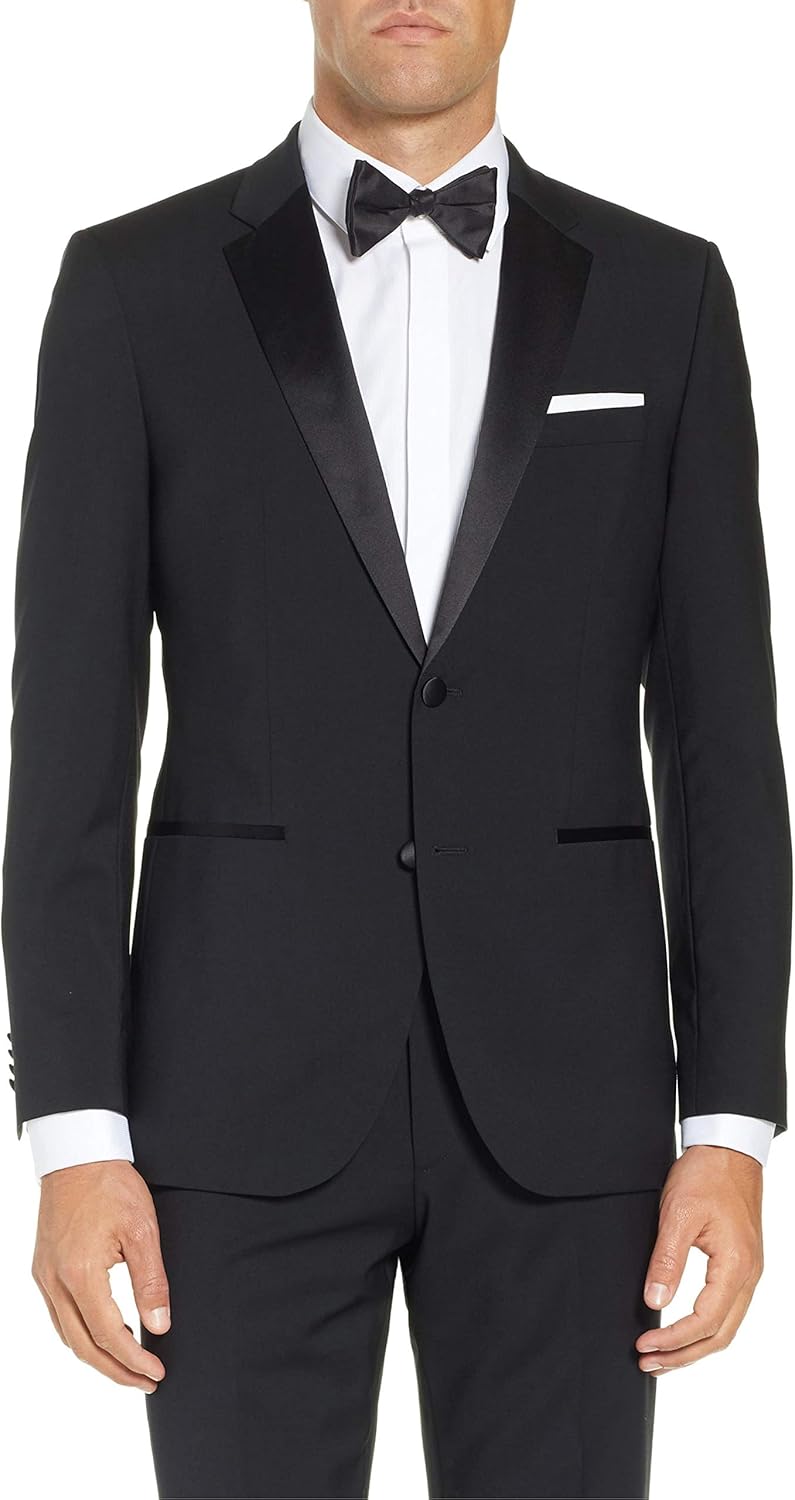
- Tuxedo: Traditionally reserved for black tie events, the tuxedo stands out with its satin details. You’ll notice satin on the lapels, buttons, and often a stripe down the side of the trousers. The classic tuxedo jacket is usually black, but midnight blue is also a timeless choice. Tuxedos are almost always paired with a bow tie, a formal shirt, and sometimes a cummerbund or waistcoat.
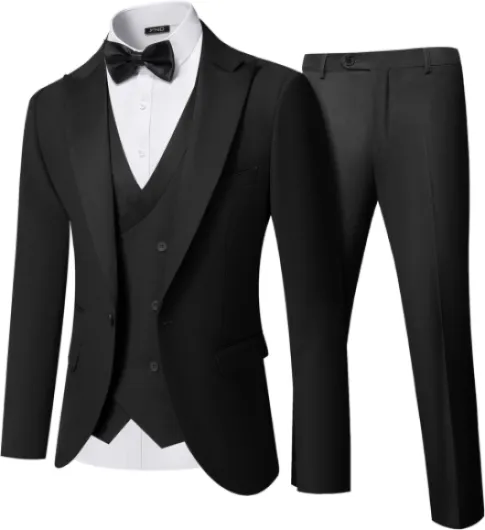
- Suit: Suits are more versatile, suitable for both formal and semi formal occasions. Unlike tuxedos, suits rarely feature satin. The lapels, buttons, and trousers are made from the same fabric as the rest of the suit. Suits come in a wide range of colors and patterns, from classic black and navy to lighter shades and checks. You can wear a suit with a tie or even without, depending on the event and your personal style.
The difference between a tuxedo and a suit isn’t just about the fabric or the presence of satin. It’s about the message you send and the level of formality you want to achieve. For those looking to master the art of the black suit, especially with unique accents, check out this guide on elevating your style with a black suit.
As you explore the world of suits and tuxedos, you’ll find that lapels, buttons, and accessories play a huge role in defining your look. The right choice depends on the event, your taste, and how you want to stand out. Whether you’re considering a three piece suit for a business meeting or a shawl lapel tuxedo for a gala, knowing these differences will help you dress with intention and style.

When to wear a tuxedo versus a suit
Choosing the Right Attire for the Occasion
Understanding when to wear a tuxedo versus a suit is crucial for men passionate about fashion. The difference between these two options goes beyond just style; it’s about respecting the dress code and the event’s formality. Tuxedos are traditionally reserved for formal events, such as black tie affairs, galas, and some weddings. Suits, on the other hand, are more versatile and can be worn to a wider range of occasions, from business meetings to semi formal gatherings and less formal weddings.
- Tuxedo: Best for black tie events, formal weddings, and occasions where the invitation specifically mentions a tuxedo or black tie dress code. The satin details on the lapels, buttons, and stripe down the trousers set tuxedos apart, signaling a higher level of formality.
- Suit: Ideal for business, cocktail parties, semi formal events, and day-to-day professional settings. Suits come in a variety of colors and fabrics, making them adaptable for different seasons and personal style preferences.
It’s easy to confuse the two, especially with the rise of the suit tuxedo and tuxedo suit terms. The key difference is in the details and the level of formality. For example, a tuxedo jacket will almost always feature satin lapels, while a suit jacket does not. The choice between a bow tie and a regular tie also signals the level of formality—bow ties are standard with tuxedos, while ties are more common with suits.
For those still unsure about the difference tuxedo and suit distinctions, or facing tuxedo questions before an event, it’s worth checking out this in-depth guide on how to tell the difference between a suit and a tuxedo. This resource breaks down the nuances, from lapel tuxedo styles to when a three piece suit is appropriate, helping you avoid common mistakes and dress with confidence for any event.
Remember, the right choice will always depend on the event, the dress code, and your personal style. Whether you opt for a classic black tuxedo or a sharp double breasted suit, understanding these differences ensures you’ll always be dressed appropriately and stylishly.
Key style details: lapels, buttons, and accessories
The Details That Define: Lapels, Buttons, and Accessories
When it comes to the difference between a tuxedo and a suit, the devil is truly in the details. Understanding these subtle style cues will help you master the dress code for any formal or semi formal event, from a black tie wedding to a sophisticated gala.
- Lapels: The lapel is one of the most visible differences. Tuxedos almost always feature satin on the lapels, adding a touch of shine and formality. You’ll often see shawl lapel or peak lapel tuxedo jackets, both classic choices for black tie events. Suits, on the other hand, typically have notch lapels made from the same fabric as the rest of the jacket, which gives a more understated and versatile look.
- Buttons: Tuxedo jackets usually have covered buttons, often in satin to match the lapel, reinforcing the formal vibe. Suits use exposed buttons, usually made from horn or plastic, and rarely feature any satin. Double breasted styles exist in both tuxedos and suits, but the finish and fabric of the buttons will signal the level of formality.
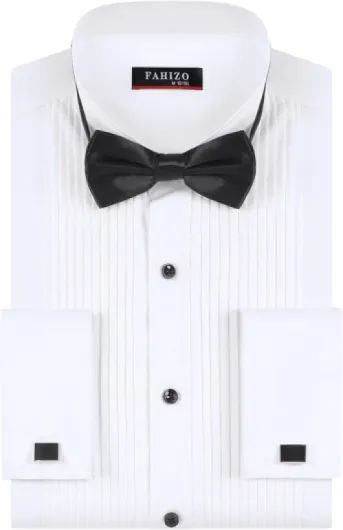
- Accessories: Accessories are where the difference tuxedo and suit really stands out. Tuxedos are paired with a bow tie and a formal dress shirt, often with a pleated or pique bib front. A cummerbund or waistcoat is common, and patent leather shoes are the standard. Suits offer more flexibility: you can wear a tie or go tieless, opt for a three piece look, and choose from a wider range of shirts and shoes. For black tie events, stick to the classic tuxedo suit formula. For less formal occasions, a suit tux or even a suit without a tie can work, depending on the event and your personal style.
These style differences are not just about tradition—they help set the tone for the event and let you express your own taste. If you’re looking to elevate your formal wardrobe, consider exploring unique accessories or even a cashmere poncho for effortless style as a modern layering piece.
Remember, whether you choose suits tuxedos or a classic tuxedo black, paying attention to lapel, button, and accessory details will ensure you look sharp and appropriate for any occasion.
Fabric choices and color options
Material Matters: Choosing the Right Fabric and Color
The difference between a tuxedo and a suit is not just about the occasion or the lapel. The fabric and color you choose play a huge role in how formal your look will be, and how well you stand out at events. Understanding these differences helps you make the right choice for every dress code, from black tie to semi formal.
- Tuxedos: Traditionally, tuxedos are made from high-quality wool, sometimes with a touch of mohair for extra sheen. The classic tuxedo jacket is almost always black, but midnight blue is a stylish alternative for those who want a subtle twist. Satin is a key detail—look for satin on the lapels, buttons, and the stripe down the trouser leg. This satin contrast is a hallmark of tuxedos suits and sets them apart from most suits.
- Suits: Suits offer more flexibility in both fabric and color. Wool remains the standard for formal suits, but you’ll also find cotton, linen, and blends for different seasons and events. While black suits are timeless for formal events, navy, grey, and even patterned options allow for more personal style. Unlike tuxedos, suits rarely feature satin, and the lapels are usually made from the same fabric as the rest of the jacket.
Color Choices: Classic and Contemporary
For black tie events, a tuxedo in black or midnight blue is the safest bet. The tuxedo black look is iconic for weddings and formal occasions. Suits, on the other hand, give you room to experiment. A three piece suit in charcoal or navy can be just as sharp for less formal events, while lighter colors work for daytime or summer dress codes.
Details That Define the Difference
When comparing a suit tuxedo to a regular suit, pay attention to the details. The satin lapel tuxedo is a signature of formal style, while a suit’s lapel is more understated. Double breasted jackets are seen in both, but are more common in suits. For tuxedos, the shawl lapel is a classic choice, adding a smooth, rounded finish that elevates the jacket’s formal appeal.
- Accessories: Tuxedos are usually paired with a bow tie and a formal shirt, while suits can be worn with a tie or even open collar, depending on the event.
- Personalization: Both tuxedos and suits can be tailored for a perfect fit, but the fabric and color you select will always influence the overall style and appropriateness for each event.
Understanding these fabric and color differences will help you avoid common tuxedo questions and mistakes, ensuring your look is always on point for any formal or semi formal occasion.
Personalizing your look: fit and tailoring tips
Getting the Right Fit: The Foundation of Style
Whether you choose a tuxedo or a suit, the fit is what truly sets your look apart. A well-fitted jacket, whether it’s a classic black tuxedo or a modern suit, will always look more refined than an expensive piece that doesn’t sit right on your frame. The difference between a sharp appearance and a sloppy one often comes down to tailoring.
- Shoulders: The jacket’s shoulders should align perfectly with your own. No overhang, no tightness.
- Sleeves: Aim for sleeves that show about a quarter to half an inch of your shirt cuff. This applies to both tuxedos and suits.
- Jacket length: The bottom of your jacket should cover your seat. Too short or too long can throw off the whole balance.
- Trousers: For formal events, trousers should have a slight break at the shoe. Avoid excess fabric pooling at the ankle.
Tailoring Tips for Tuxedos and Suits
Most men will need some adjustments, even with high-end tuxedos suits or a three piece suit. A tailor can refine the fit of your lapels, adjust the waist, and ensure the jacket hugs your body without restricting movement. For tuxedo jackets, pay special attention to the satin lapel and button placement. These details are key style differences that define the formality of a tuxedo suit compared to a suit tux.
- Single or double breasted: Double breasted jackets can be more formal, but require precise tailoring to avoid bulkiness.
- Shawl lapel or peak lapel: Both look sharp, but the shawl lapel is often seen on tuxedos for black tie events. Make sure the lapel sits flat and doesn’t bow out.
- Waist suppression: A slight taper at the waist creates a modern, tailored silhouette for both suits and tuxedos.
Personal Style and Dress Code
Personalizing your look is about more than just fit. Think about the event and dress code. For weddings or formal events, a tuxedo black ensemble with a bow tie and crisp white shirt is classic. For semi formal or less strict occasions, a suit with a tie or even a three piece can be just as stylish. Don’t be afraid to ask tuxedo questions at your tailor’s—expert advice can help you avoid common mistakes and highlight the difference tuxedo tailoring makes.
Remember, the best-dressed men aren’t always the ones with the most expensive suits tuxedos—they’re the ones who understand the importance of tailoring and personal style.
Common mistakes men make with tuxedos and suits
Missteps That Undermine Your Formal Look
Even the most passionate men’s fashion enthusiasts can fall into common traps when dressing for formal events. Understanding the difference between a tuxedo and a suit is crucial, but it’s just as important to avoid these frequent mistakes that can affect your overall style and confidence.
- Mixing Up Dress Codes: Wearing a tuxedo to a semi formal event or a suit to a black tie occasion is a classic error. Tuxedos are reserved for the most formal events, while suits offer versatility for business, weddings, and less formal gatherings. Always check the event’s dress code before choosing between a suit tuxedo or a classic suit.
- Incorrect Accessories: A tuxedo suit calls for a bow tie, not a regular tie. Pairing a tie with a tuxedo jacket, especially with satin lapels, can look mismatched. For suits, a tie is standard, but make sure it complements the shirt and jacket.
- Ignoring Lapel Differences: The lapel tuxedo detail matters. Tuxedos often feature satin shawl lapels or peak lapels, while suits typically have notched lapels. Mixing these up can blur the difference tuxedo and suit styles are meant to express.
- Poor Fit and Tailoring: Whether you choose a double breasted suit, three piece suit, or tuxedo black, an ill-fitting garment will always undermine your look. Invest in tailoring to ensure your jacket, pants, and shirt fit perfectly and reflect your personal style.
- Wrong Fabric and Color Choices: Tuxedos suits are traditionally black or midnight blue with satin accents. Wearing a brightly colored tuxedo to a formal event or a black suit with shiny lapels to a business meeting can send the wrong message. Understand the subtle differences in fabric and color for each occasion.
- Overlooking Details: Small details like the number of buttons, the type of shirt, or even the choice of pocket square can make or break your outfit. For example, a tuxedo jacket should never be paired with a button-down collar shirt, and a suit tux should not feature satin stripes down the leg.
Mastering these details will help you stand out at any event, whether it’s a wedding, black tie gala, or semi formal gathering. Remember, the difference is in the details—don’t let small mistakes overshadow your style.