
Understanding the anatomy of a blazer
The key components every man should know
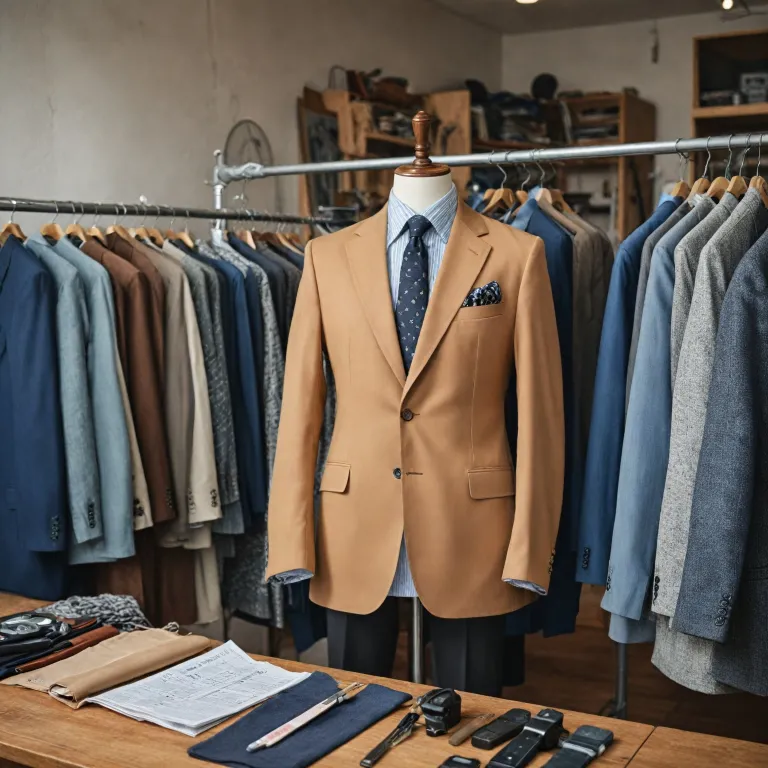
Before you can achieve the perfect blazer fit, it’s essential to understand the main parts that make up a blazer. Knowing these elements will help you recognize what to look for when trying on blazers and how each part contributes to your overall appearance and style. Whether you’re aiming for a classic suit look or a more casual blazer outfit, mastering the basics is the first step to a well fitted and tailored result.
- Shoulders: The shoulder area is the foundation of any fitted blazer. The seam should sit right at the edge of your shoulder bone, not drooping down your arm or pulling too tight. A blazer should enhance your natural shape, setting the tone for the rest of the fit.
- Chest and Waist: The chest should allow for comfortable movement without excess fabric, while the waist should be slightly tapered for a modern, tailored silhouette. This balance is crucial for both comfort and a sharp appearance.
- Sleeves: Sleeve length and fit are subtle but impactful. The sleeves should end just above the wrist bone, allowing a bit of your shirt cuff to show. A well fitted sleeve complements the rest of your outfit, from shirts to dress shoes.
- Jacket Length: The length of your blazer should align with your body type and the style you want to achieve. Typically, a blazer should cover your seat and create a balanced proportion with your pants and overall look.
- Lapels and Details: Lapel width and style can change the vibe of your blazer outfit. Classic notch lapels are versatile, while peak lapels add a touch of formality. Pay attention to buttons, pockets, and lining for a truly tailored blazer style.
Understanding these components will help you identify what a perfect blazer fit looks like and how a blazer should complement your body type. For more on how your blazer fits with other wardrobe essentials, check out this guide to mastering suit pants length. This knowledge will set you up for success as you explore the finer details of blazer styling in the next sections.

Shoulder fit: the foundation of style
Why Shoulders Matter Most in a Blazer
The shoulder fit is the true test of a perfect blazer. If the shoulders are off, even the most expensive blazer will look awkward and feel uncomfortable. The blazer should sit flat and snug on your shoulders, following the natural line without any overhang or pulling. This is the foundation for a well fitted blazer and sets the tone for your entire blazer outfit.
- Shoulder seams: The seam where the sleeve meets the blazer should end right at the edge of your shoulder bone. If it hangs over, the blazer is too big. If it pulls up, it's too small.
- Padding: Modern blazer styling favors minimal padding. Too much padding can make your appearance look boxy and unnatural, especially for men who want a tailored, fitted look.
- Movement: You should be able to move your arms comfortably. If you feel restricted, the fit is off. A well fitted blazer allows for natural movement without wrinkling or bunching.
Remember, a blazer should complement your body type. For those with broader shoulders, a fitted blazer with a slight taper can enhance your silhouette. For slimmer frames, avoid oversized blazers; instead, opt for a tailored fit that adds structure without overwhelming your proportions.
Pairing your blazer with the right pants, shirts, and dress shoes is essential for a balanced outfit. The shoulder fit will influence how the rest of your blazer fits, from the chest and waist to the sleeve length and jacket length. A perfect blazer starts at the top and works its way down.
For more on how to elevate your blazer style, check out this guide on mastering suspenders with a vest—a classic pairing that can take your blazer outfits to the next level.
Chest and waist: balancing comfort and silhouette
Achieving a Balanced Silhouette with Chest and Waist Fit
The way a blazer fits across your chest and waist is crucial for both comfort and appearance. A well fitted blazer should contour your torso without pulling or creating tension lines. When you button the blazer, it should close easily, allowing you to move and breathe naturally. If the fabric strains or the lapels bow out, the blazer is too tight. On the other hand, if there’s excess fabric or the blazer looks boxy, it’s likely too large for your body type.
- Chest fit: The blazer should hug your chest lightly. You should be able to slip a flat hand between your chest and the jacket with minimal resistance.
- Waist fit: A tailored blazer will gently taper at the waist, creating a V-shape that flatters most men. The blazer should not flare out over your pants or feel restrictive when you sit or move.
- Button stance: The top button of a two-button blazer (or the middle button of a three-button) should sit just above your navel. This helps maintain the right proportion and ensures the blazer fits well with shirts, pants, and other elements of your outfit.
Remember, the perfect blazer fit is about enhancing your natural shape. A fitted blazer will elevate your style, making any blazer outfit look more intentional and polished. If you’re aiming for a truly tailored look, consider having your blazer adjusted by a professional to match your unique size and proportions. This attention to detail is what separates a good blazer from a perfect blazer.
Pairing your well fitted blazer with the right accessories can further refine your appearance. For example, cuff leather bracelets for men can add a subtle edge to your blazer styling, making your outfit stand out in a crowd.
Ultimately, a blazer should feel like a natural extension of your style. Whether you’re dressing up for a formal event or creating a smart-casual blazer outfit, the right fit across the chest and waist will always be the foundation of a great look.
Sleeve length and fit: details that make a difference
Why sleeve length matters for a sharp look
Getting the sleeve length right is a detail that can elevate your blazer outfit from average to exceptional. The sleeve should end just at the wrist bone, allowing about half an inch of your shirt cuff to show. This small reveal is a hallmark of a well fitted blazer and signals attention to detail in your style. If the sleeves are too long, your appearance can look sloppy, while sleeves that are too short can make the blazer look undersized and disrupt the balance of your outfit.
How a blazer sleeve should fit
- The blazer should allow comfortable movement without pulling or bunching at the shoulder or elbow.
- When your arms are at your sides, the sleeve length should align with the base of your thumb.
- For a tailored look, the sleeve should follow the natural line of your arm without being too tight or too loose.
Adjusting sleeve length for your body type
Not every off-the-rack blazer will fit your arms perfectly. If you have longer or shorter arms, a tailor can easily adjust the sleeve length for a perfect fit. This is a simple alteration that makes a significant difference in how your blazer fits and feels. Remember, a fitted blazer is about more than just size; it’s about how each element complements your body type and overall style.
Pairing sleeve length with your outfit
The right sleeve length works in harmony with your pants, shirts, and dress shoes, creating a cohesive blazer outfit. Whether you’re styling a blazer for work or a night out, the sleeve should never overshadow the rest of your look. Instead, it should contribute to a balanced, tailored appearance that reflects your personal blazer style.
Jacket length: finding the right proportion
Proportion Matters: Getting the Jacket Length Right
The length of your blazer is more than just a detail—it’s a key factor in how your outfit comes together. A well fitted blazer should create a balanced silhouette, complementing both your body type and the rest of your wardrobe. If your blazer is too long, it can overwhelm your frame and make your appearance less sharp. Too short, and it may look trendy for the wrong reasons, disrupting the classic lines that define a perfect blazer fit.
- Classic rule: The bottom of your blazer should generally fall around the midpoint of your hand when your arms are relaxed at your sides. This helps ensure the blazer fits in harmony with your pants and shirts, creating a cohesive look.
- Body type consideration: If you’re taller, a slightly longer blazer can help maintain proportion. For shorter men, a blazer that’s too long can make legs appear shorter, so a more tailored length is ideal.
- Suit jackets vs. blazers: While suit jackets and blazers share similarities, a fitted blazer for casual outfits can be a touch shorter for a modern style, but should still cover your seat for a polished appearance.
When trying on blazers, always check how the length interacts with your overall outfit. The right length will flatter your body, work well with dress shoes, and make your blazer styling look intentional. Remember, a tailored blazer is about more than just size—it’s about how every element, from shoulder fit to jacket length, works together for the perfect fit. If you’re unsure, a professional tailor can help adjust the length for a truly custom look, ensuring your blazer fits as it should for any occasion, whether you’re dressing up or going for a smart-casual blazer outfit.
Common fit mistakes and how to fix them
Frequent Fit Errors and Practical Solutions
Even the most stylish blazer outfit can fall flat if the fit is off. A well fitted blazer should enhance your appearance, not distract from it. Here are some of the most common mistakes men make when choosing a blazer, along with straightforward tips to correct them for a perfect blazer fit.
- Shoulders Too Wide or Narrow: The shoulder seam should sit right at the edge of your shoulder bone. If it droops or pulls, the blazer will never look tailored. Always prioritize shoulder fit, as it’s the hardest area to alter.
- Chest and Waist Too Tight or Loose: A fitted blazer should allow you to move comfortably, but not billow out. If you see pulling at the button or excess fabric, try a different size or have it tailored for your body type.
- Sleeve Length Issues: Sleeves that are too long or short can ruin the look. Ideally, the sleeve length should let about a quarter to half an inch of your shirt cuff show. If needed, have the sleeves adjusted for a polished blazer style.
- Jacket Length Not Proportional: The blazer should cover your seat and end around the middle of your hand when your arms are at your sides. Too long or too short, and the proportions of your outfit will feel off.
- Ignoring the Importance of Tailoring: Off-the-rack blazers rarely fit perfectly. A quick visit to a tailor can transform a good blazer into a perfect fit, making your blazer outfit look intentional and sharp.
- Pairing with the Wrong Pants or Shirts: Even a well fitted blazer can look awkward if paired with pants or shirts that clash in style or fit. Make sure your entire outfit works together for a cohesive appearance.
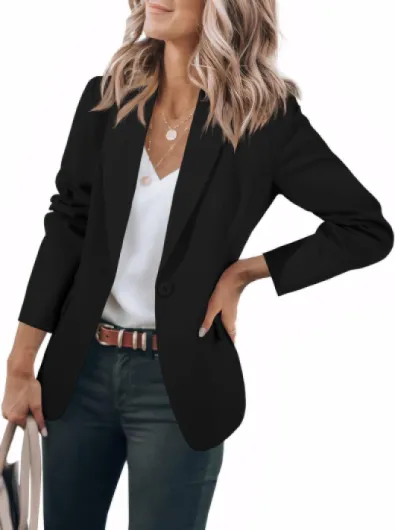
- Overlooking Personal Style and Occasion: Not every blazer fits every occasion or body type. Consider the event, your personal blazer styling preferences, and how the blazer fits into your overall wardrobe. Women’s blazers, for example, have different proportions and should not be used as a substitute for men’s tailored blazers.
Remember, a perfect blazer is about more than just size. It’s about how the blazer fits your unique shape, complements your outfit, and boosts your confidence. Don’t settle for less than a blazer tailored to your needs, whether you’re dressing up with suit jackets and dress shoes or going for a more relaxed blazer style.