
Understanding the basics: what sets a tux apart from a suit
The Essentials: Tuxedo or Suit?
For men passionate about style, understanding the differences between a tuxedo and a suit is the first step to mastering formal dress codes. While both are staples for formal events, each has unique features that set them apart and influence when and how you should wear them.
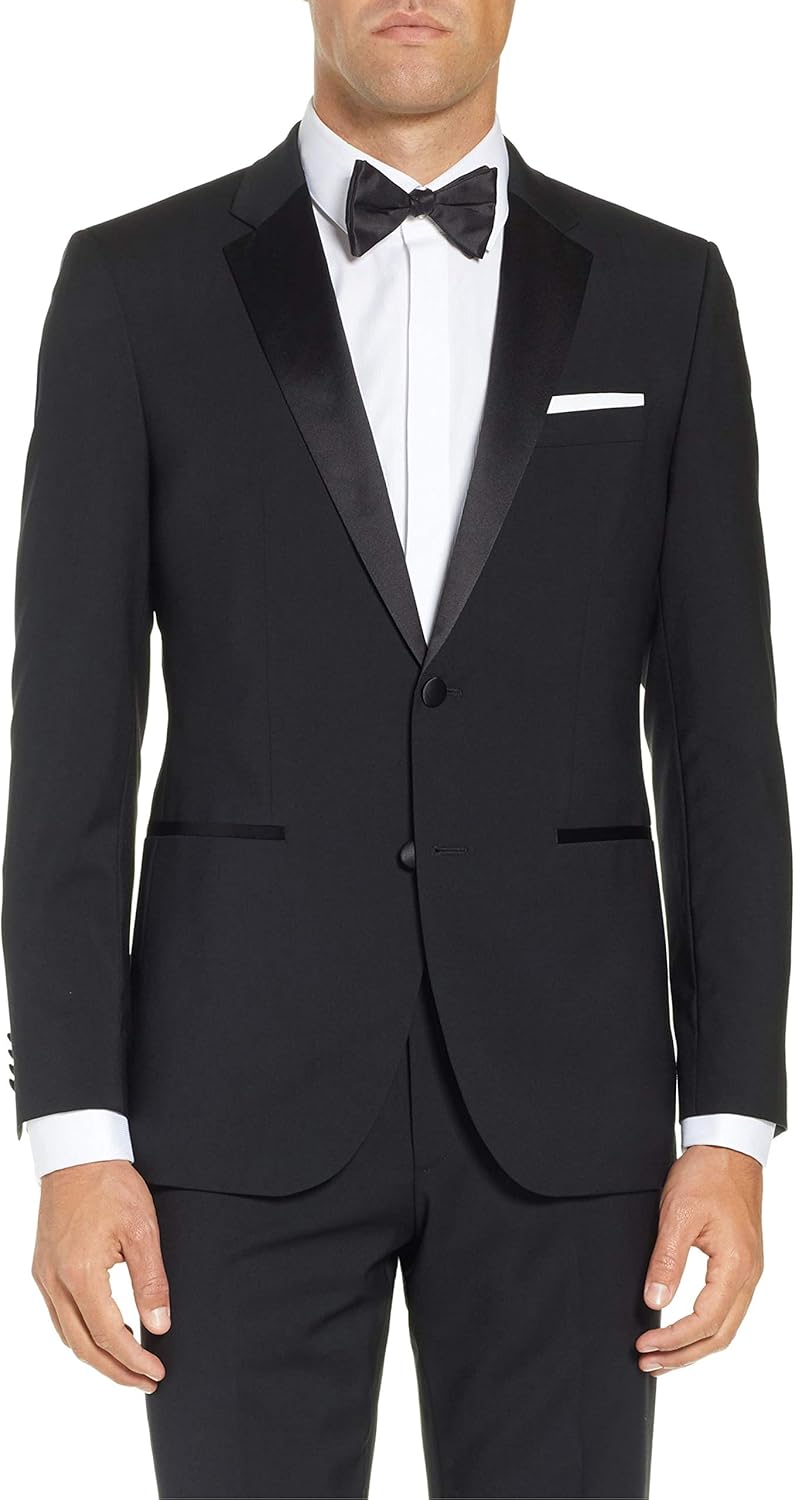
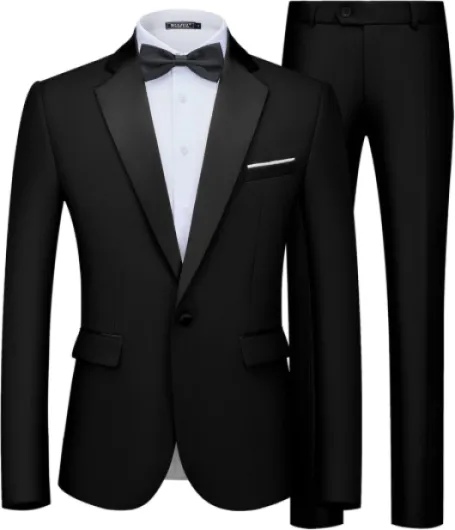
- Tuxedo: Known for its satin details, a tuxedo typically features satin lapels, satin-covered buttons, and a satin stripe down the trousers. The classic tuxedo jacket often comes with a shawl lapel or a peaked lapel, adding a touch of luxury. Tuxedos are almost always paired with a bow tie and a formal shirt, making them the go-to for black tie events and weddings.
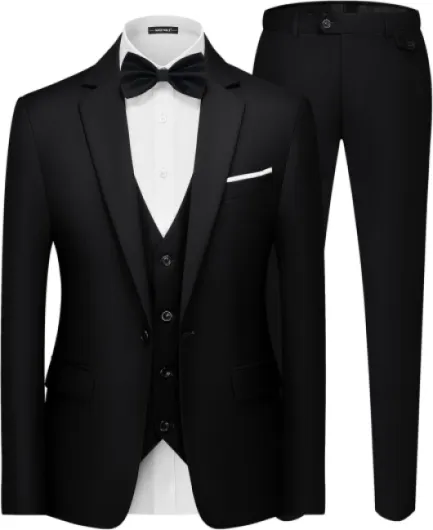
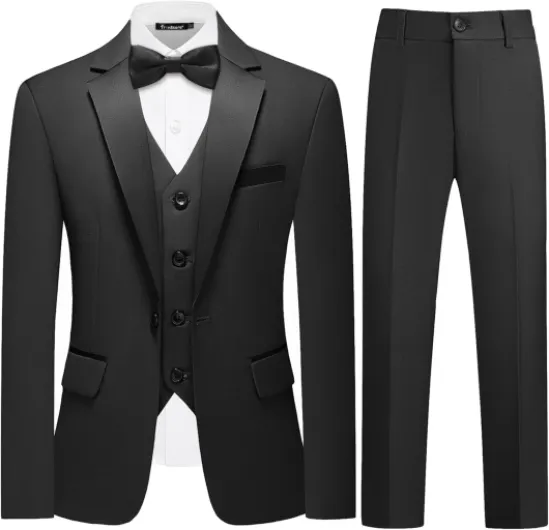
- Suit: A suit is more versatile and less formal than a tuxedo. Suits usually have notch lapels, plastic or fabric-covered buttons, and no satin accents. They are commonly worn with a standard tie and can be double breasted or single breasted, making them suitable for business meetings, semi formal events, and less strict dress codes.
One of the most noticeable differences is the presence of satin on tuxedos, especially on the lapels and buttons. Suits, on the other hand, rely on fabric consistency throughout the jacket and trousers. The choice between a black suit and a black tuxedo can dramatically affect your look at formal events, so knowing these distinctions is crucial.
For a deeper dive into the key differences between a dinner suit and a tuxedo, check out this detailed guide. It’s a valuable resource for anyone facing tuxedo questions or looking to refine their personal style for special occasions.
As you explore style elements like lapels, buttons, and accessories in the next section, keep these basics in mind. The right choice between a suit and a tuxedo suit will set the tone for your entire look, whether you’re dressing for a wedding, a black tie event, or a business gathering.

When to wear a tux and when to choose a suit
Decoding the Dress Code: When Each Look Shines
Choosing between a suit and a tuxedo often comes down to the event’s dress code and the level of formality expected. Understanding these differences is crucial for making the right impression, whether you’re attending a black tie gala, a wedding, or a business meeting.
- Tuxedo (Tux): The classic tuxedo suit is reserved for formal events, especially those with a black tie dress code. Think evening weddings, galas, and award ceremonies. Tuxedos are defined by details like satin lapels, a satin stripe on the trousers, and typically a bow tie. A tuxedo jacket often features a shawl lapel or peak lapel, adding to its refined style.
- Suit: Suits are more versatile and can be worn to a range of events, from semi formal gatherings to business meetings. A black suit, navy, or grey suit can be dressed up or down depending on the shirt, tie, and accessories you choose. Suits don’t have the satin details of tuxedos, making them less formal but more adaptable.
For events labeled as “black tie optional” or “semi formal,” a dark suit with a crisp shirt and tie is usually appropriate. However, if the invitation specifies “black tie,” a tuxedo is the standard. Wearing a suit to a strictly formal event can make you stand out for the wrong reasons, while showing up in a tuxedo to a business meeting is equally out of place.
Weddings are a common setting where the choice between a suit and a tuxedo comes into play. Evening weddings or those with a formal dress code often call for tuxedos suits, while daytime or less formal weddings allow for a stylish suit. For summer events, consider lighter fabrics and colors—explore why every man should consider a seersucker suit for effortless summer style.
Ultimately, the right choice depends on the event, the dress code, and your personal style. Remember, the details—like lapels, shirt, and accessories—will further define your look and ensure you’re dressed appropriately for every occasion.
Key style elements: lapels, buttons, and accessories
Lapels: The Signature of Formalwear
The lapel is one of the most telling features when comparing a suit and a tuxedo. Tuxedos almost always feature satin lapels, which add a subtle sheen and elevate the jacket’s formality. You’ll often see shawl lapels or peak lapels on tuxedos, both considered classic choices for black tie events. In contrast, suits typically have notch lapels, which are more understated and versatile for business meetings or semi formal events. The lapel style you choose can set the tone for your entire look, whether you’re attending a wedding or a formal dinner.
Buttons and Closures: Subtle Differences, Big Impact
Another key difference lies in the buttons. Tuxedo jackets usually have a single button, often covered in satin to match the lapel. This detail reinforces the streamlined, elegant silhouette expected at formal events. Suits, on the other hand, commonly feature two or three buttons, and the buttons are typically made of horn or plastic, blending with the fabric. Double breasted tuxedos and suits add a bold, vintage-inspired touch, but the presence of satin or fabric-covered buttons is a clear tuxedo signature.
Accessories: Completing the Look
Accessories are where personal style can shine, but the dress code often dictates your choices. For tuxedos, a bow tie is the traditional companion, especially for black tie occasions. Pairing a tuxedo suit with a classic white dress shirt and a cummerbund or waistcoat is standard. Suits offer more flexibility: you can opt for a tie or even skip it for less formal events. Pocket squares, cufflinks, and shoes should complement the overall style, but remember that patent leather shoes are a staple for tuxedos, while suits allow for more variety.
- Tuxedo: Satin lapels, satin-covered buttons, bow tie, patent shoes
- Suit: Notch lapels, regular buttons, tie or open collar, leather shoes
Choosing the right shirt is also crucial. For tuxedos, a pleated or bib-front shirt with French cuffs is the norm, while suits pair well with a classic dress shirt. For more on shirt selection, check out this guide on how to choose the perfect shirt to wear with grey trousers. The right combination of lapel, button, and accessory details will ensure your look is appropriate for any event, from a black suit at a business meeting to a full tuxedo at a gala.
Color and fabric choices for different occasions
Choosing the Right Color and Fabric for Every Event
When it comes to selecting between a suit and a tuxedo, color and fabric play a crucial role in nailing the dress code for any event. The differences between tuxedos and suits become even more apparent when you consider these elements, as they directly influence the formality and overall style of your look.
- Classic Black for Formal Events: The black tuxedo is the gold standard for black tie occasions. Its satin lapels and matching satin stripe on the trousers set it apart from a standard black suit. For events like galas or a formal wedding, a black tuxedo with a bow tie and crisp white shirt is the safest and most sophisticated choice.
- Color Options for Suits: Suits offer more flexibility in color. Navy, charcoal, and even lighter shades are appropriate for business meetings, semi formal events, or daytime weddings. A black suit can work for evening events, but it lacks the satin details of a tuxedo suit, making it less formal.
- Fabric Matters: Tuxedos are typically crafted from high-quality wool or blends, with satin or grosgrain accents on the lapel, buttons, and side stripes. Suits come in a wider range of fabrics, from lightweight linen for summer to heavier tweeds for winter. The fabric you choose should match the season and the event's dress code.
- Lapels and Texture: The lapel style can also influence the overall impression. A shawl lapel in satin is a classic tuxedo detail, while a notch or peak lapel is common on suits. Double breasted tuxedos or jackets with unique textures can add a personal style twist, but always keep the event's formality in mind.
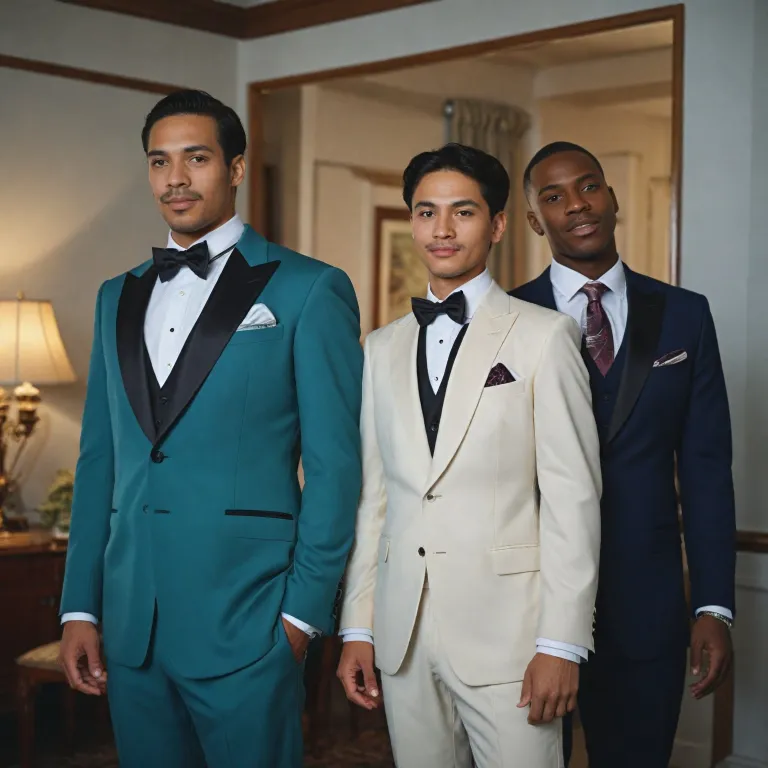
- Personal Expression: While tuxedos suits are more rigid in their color and fabric choices, there is still room for subtle personal touches. For example, a midnight blue tuxedo jacket offers a modern alternative to black, especially under evening lights. Suits, on the other hand, allow for more experimentation with patterns and colors, letting you express your personal style within the boundaries of the event.
Ultimately, the key is to respect the dress code while using color and fabric to enhance your look. Whether you opt for a suit tuxedo or a classic tux, paying attention to these details ensures you’ll be dressed appropriately and stylishly for any occasion.
Personal expression within formalwear
Making Formalwear Your Own
While the classic tuxedo or suit is rooted in tradition, there’s plenty of room for personal style within formal dress codes. Whether you’re attending a black tie event, a wedding, or a semi formal gathering, the way you approach your tuxedo or suit can set you apart without breaking the rules.
- Lapel Choices: The lapel is a subtle but powerful way to express yourself. A shawl lapel on a tuxedo jacket feels sleek and modern, while a peak lapel adds drama. For suits, notch lapels are standard, but a double breasted jacket with wide lapels can make a bold statement.
- Shirt and Accessories: A crisp white shirt is timeless, but don’t shy away from subtle patterns or textures. Bow ties are the classic companion for tuxedos, but a slim black tie can modernize your look. Cufflinks, pocket squares, and even a tasteful boutonniere can add personality to your formal outfit.
- Color and Fabric: While black tuxedos and black suits are the standard for most formal events, midnight blue or deep charcoal can offer a fresh take. Satin lapels and trims elevate the tuxedo suit, while textured fabrics like velvet or lightweight wool can change the mood of your suit tuxedo.
- Fit and Tailoring: The best way to showcase your personal style is through fit. A well-tailored suit or tuxedo jacket will always look more stylish than an ill-fitting designer piece. Pay attention to the silhouette—whether you prefer a slim fit or a more relaxed cut, make sure it complements your build.
Remember, the differences between suits and tuxedos aren’t just about the dress code—they’re also about how you feel in them. Whether you’re dressing for business meetings, formal events, or special occasions, let your style shine through the details. Don’t be afraid to ask tuxedo questions at your local tailor or menswear shop. The right choices will help you stand out, while still respecting the event’s expectations.
Common mistakes and how to avoid them
Common Pitfalls in Formalwear
Even the most style-conscious men can make mistakes when choosing between a suit and a tuxedo. Understanding the differences is key to looking sharp at any event, whether it’s a wedding, a black tie gala, or a business meeting. Here are some frequent missteps and how to avoid them:
- Ignoring the Dress Code: Wearing a tuxedo suit to a semi formal event or a business meeting can feel out of place. Likewise, showing up in a black suit when the invitation says black tie may seem underdressed. Always check the event’s dress code before selecting your outfit.
- Mixing Up Accessories: Tuxedos require specific accessories, like a bow tie and often a cummerbund or waistcoat. Pairing a regular tie with a tux, or a bow tie with a business suit, can break the formal balance. Stick to classic combinations for each look.
- Overlooking Lapel Details: Satin lapels are a hallmark of tuxedos, while suits typically have fabric-matched lapels. Wearing a suit jacket with satin lapels or a tuxedo jacket with notch lapels can confuse the formality of your ensemble.
- Wrong Shirt Choice: A tuxedo shirt usually features a pleated or textured front and is designed for studs or cufflinks. Wearing a standard dress shirt with a tux can diminish the overall effect. For suits, a classic dress shirt is appropriate.
- Poor Fit: Whether you choose a single or double breasted tuxedo, or a slim-fit suit, tailoring is crucial. Ill-fitting jackets, sleeves that are too long, or trousers that bunch at the ankles can undermine even the most expensive formalwear.
- Color and Fabric Missteps: Black is the traditional color for tuxedos and black tie events, but suits offer more flexibility. Wearing a brightly colored tuxedo to a formal event or a heavy wool suit in summer can be uncomfortable and inappropriate.
- Neglecting Personal Style: While it’s important to respect the dress code, don’t forget to express your personal style. Small touches, like a unique pocket square or a subtle pattern, can set you apart—just keep them tasteful and event-appropriate.
Tips for Getting It Right
- Always confirm the dress code for your event.
- Choose accessories that match the formality of your outfit.
- Pay attention to lapel style—shawl lapel for tuxedos, notch or peak for suits.
- Invest in tailoring for a perfect fit.
- Consider the season and venue when selecting color and fabric.
By keeping these points in mind, you’ll avoid the most common mistakes and ensure your suit or tuxedo looks intentional and refined at any formal event.