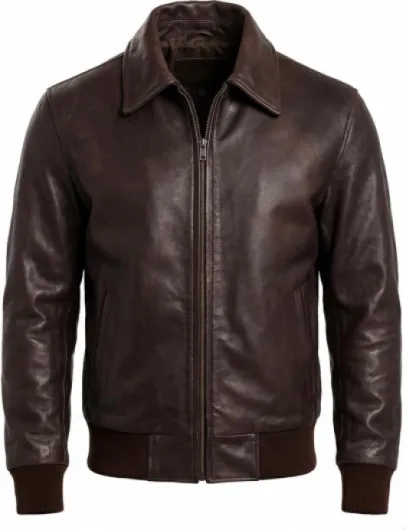
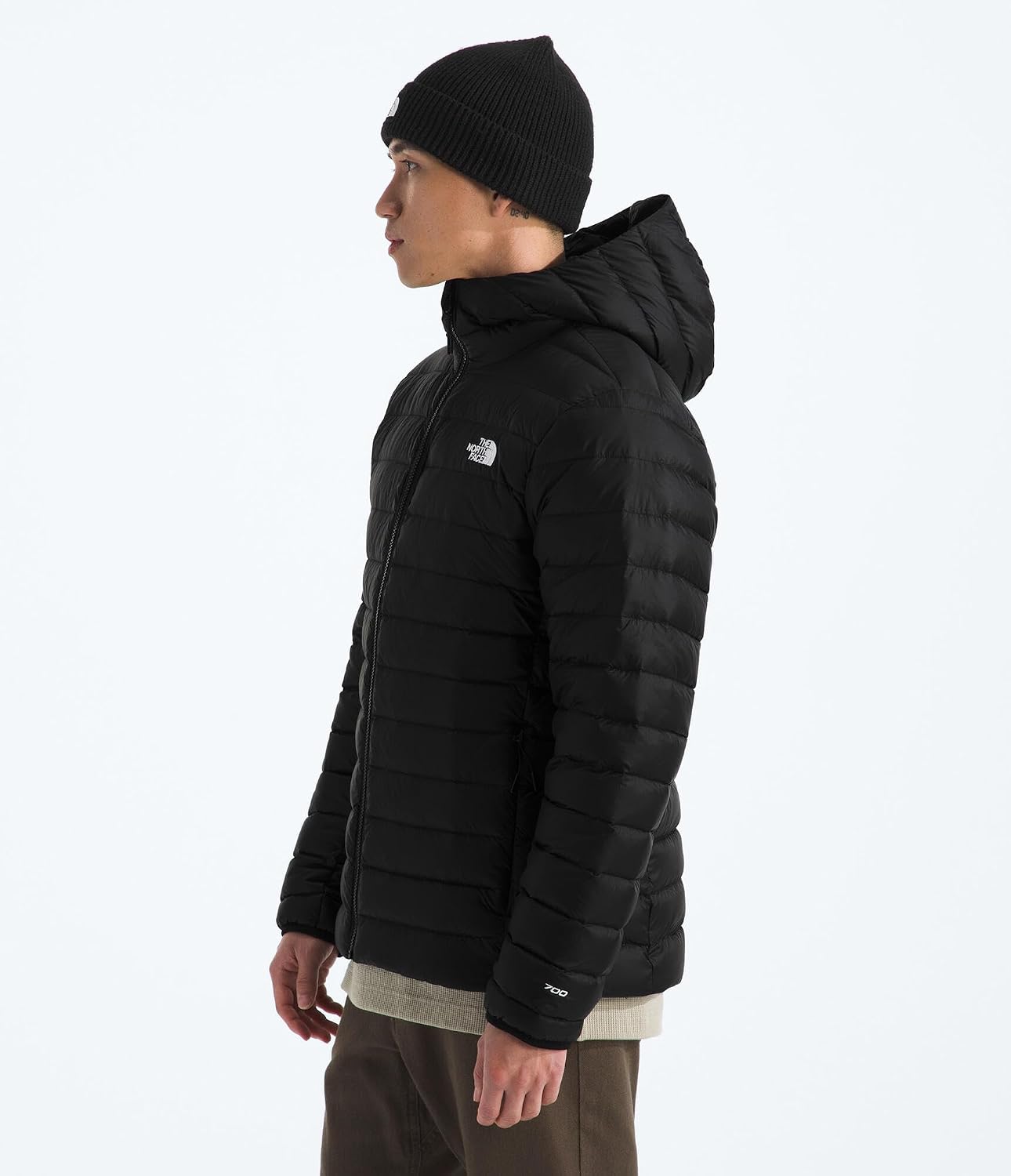
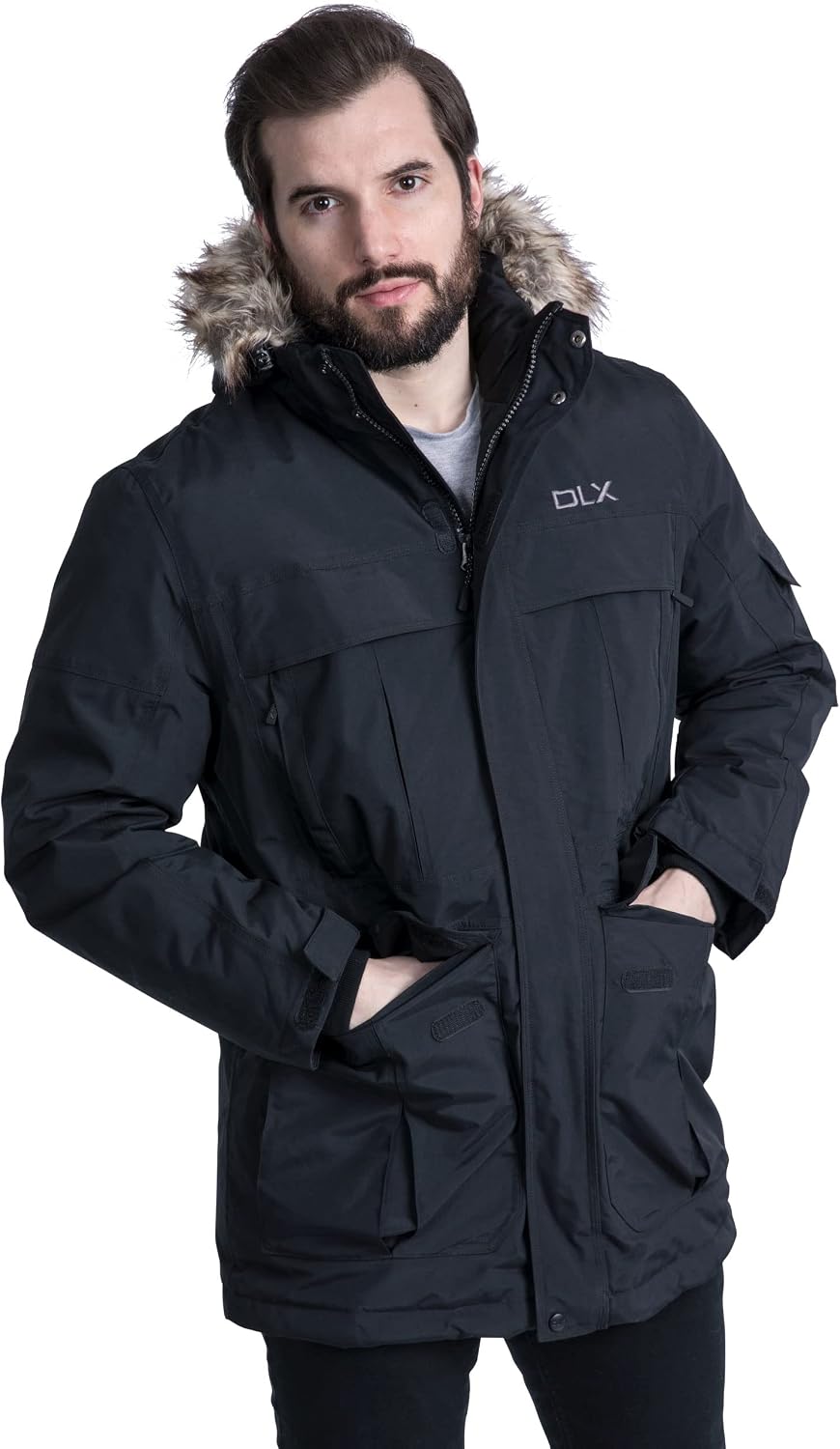
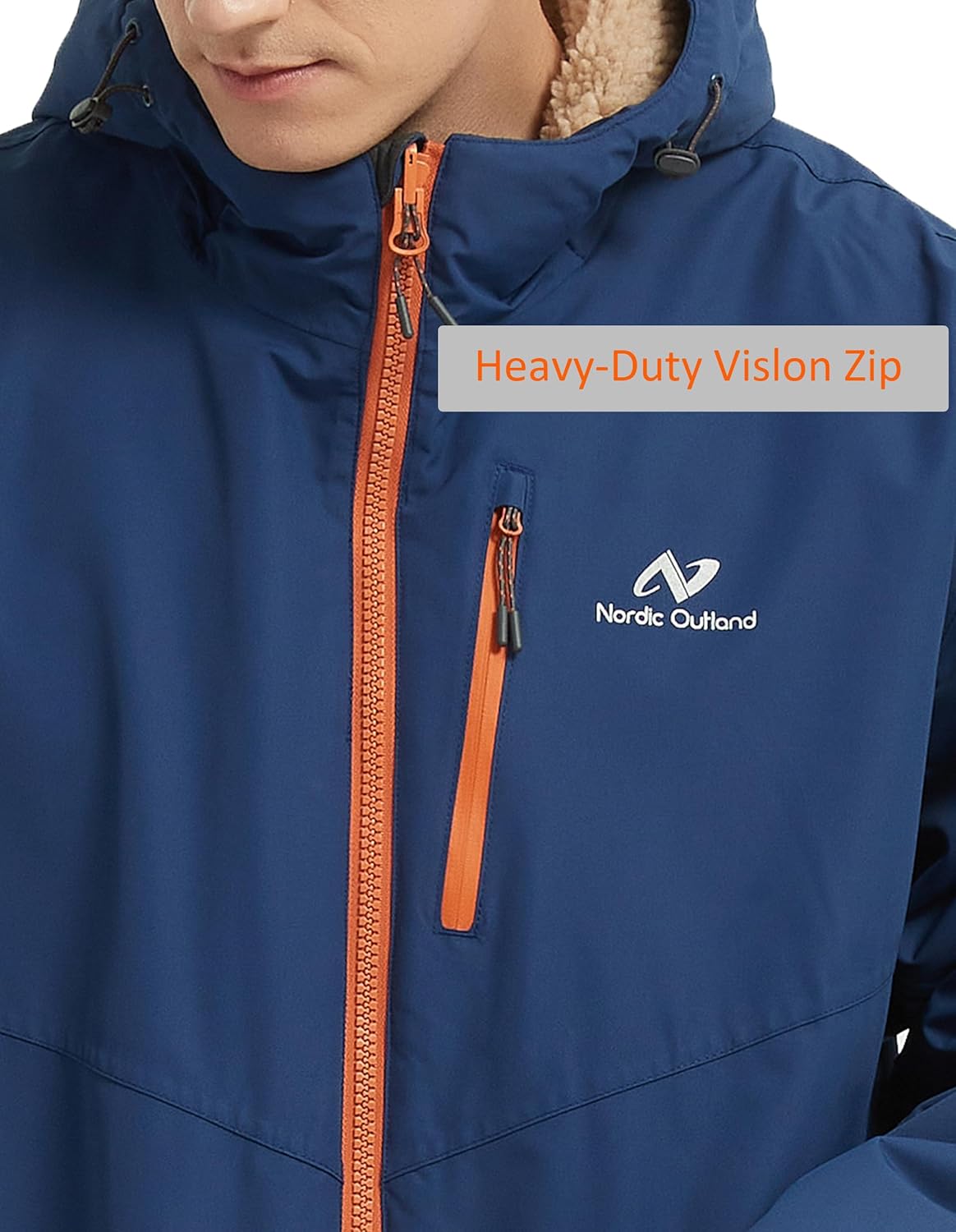
Insulation, fill power and real warmth in cold weather
Understanding insulation is essential if you want the best parkas for harsh winter conditions. Down insulation is measured by fill power, which indicates how much lightweight warmth you get for a given weight of fill. Higher fill power down, such as 700 or 800, traps more warm air and delivers serious warmth with a slimmer jacket profile.
For men who face extreme cold in urban settings, a parka with a mix of down and synthetic insulation can be a great compromise. Synthetic insulation continues to insulate when wet, while quality down offers unmatched warmth to weight, so hybrid jackets balance performance and style. When you compare the price of different parkas, always check both the total fill weight and the stated fill power, because these two numbers explain most of the real world warmth.
Brands like Canada Goose, Patagonia and Fjällräven design parkas that treat insulation as architecture rather than stuffing. A Canada Goose expedition parka, for example, typically uses 625 fill power down with strategic baffles to keep warm air from shifting, according to the brand’s published product specifications, while a Patagonia Jackson Glacier parka focuses on sleek lines with 700 fill power recycled down and strong cold weather performance based on Patagonia’s technical data. If you prefer a more tailored overcoat aesthetic, a warm single breasted wool option such as this men’s black overcoat in wool and cashmere can layer under a lighter shell jacket for modular protection.
Shell fabrics, water resistance and protection from harsh weather
The outer shell of a parka quietly decides how you feel after an hour in sleet. A high quality shell fabric with durable water resistance keeps the jacket surface from soaking, which preserves insulation loft and therefore warmth. When you evaluate the best parkas, always handle the fabric and check whether the shell feels both tightly woven and supple.
Water resistant parkas are usually enough for city winter conditions, because you rarely stand in heavy rain for hours. For men who commute on foot or by bike, a more technical outer shell with taped seams and advanced water resistance can be worth the higher price. If you live where weather swings between cold rain and dry snow, consider pairing a performance raincoat from guides such as this curated list of top men’s raincoats with a separate insulated jacket for adaptable layering.
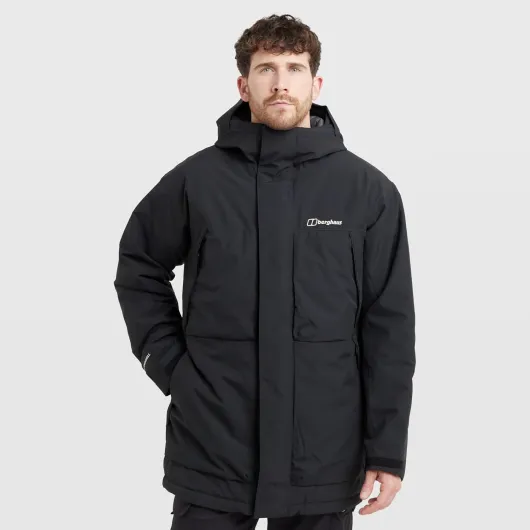
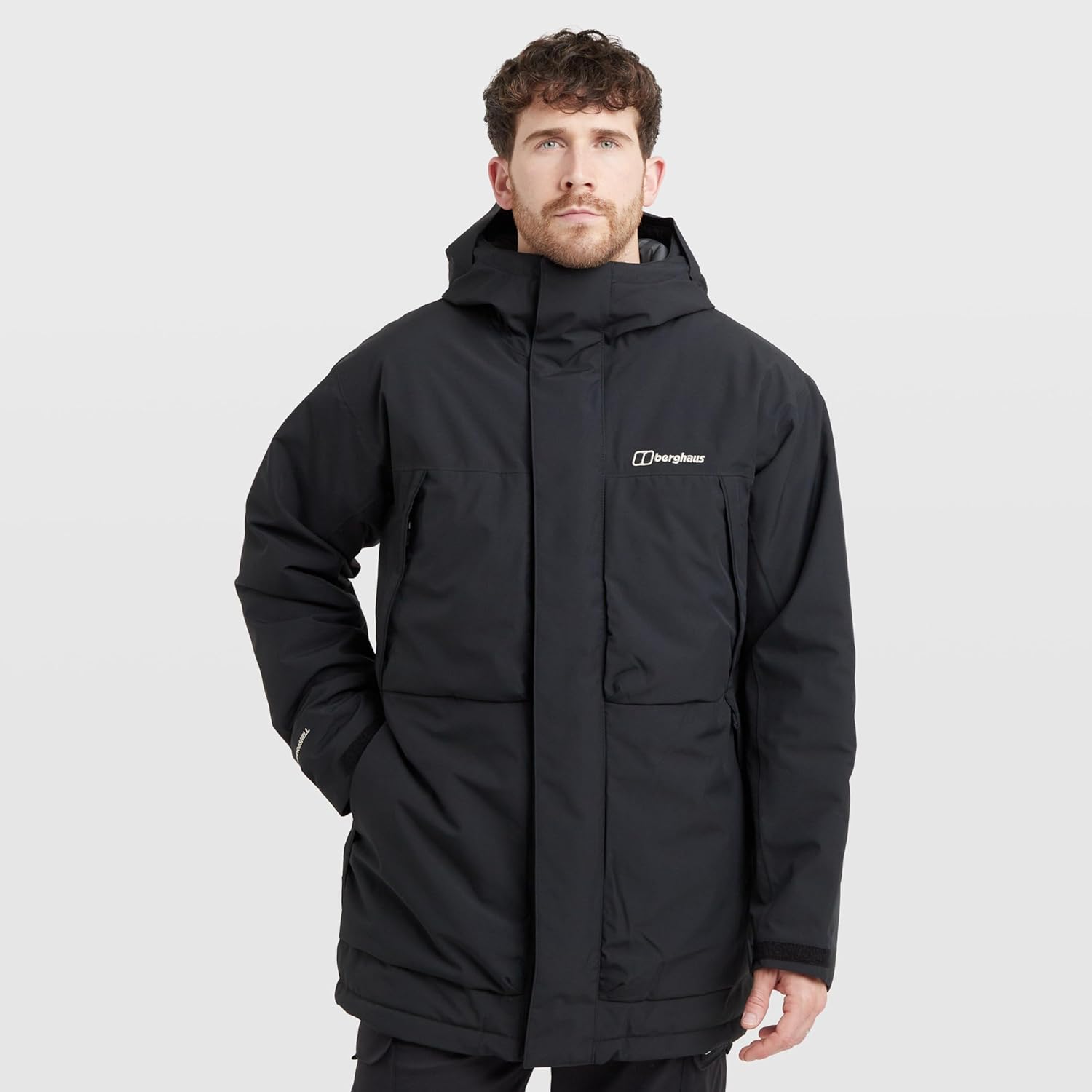
Some of the best parkas for men, such as the Patagonia Jackson Glacier or the Canada Goose expedition parka, use matte shells that read almost like a refined coat. This makes the jackets easier to wear with tailoring while still offering strong water resistance and wind protection in cold weather. When you compare different parkas and jackets, ask yourself whether the outer shell supports your existing wardrobe or fights against it, because that answer determines how often you will actually wear the piece.
Iconic models: from fjallraven nuuk to canada goose expedition parka
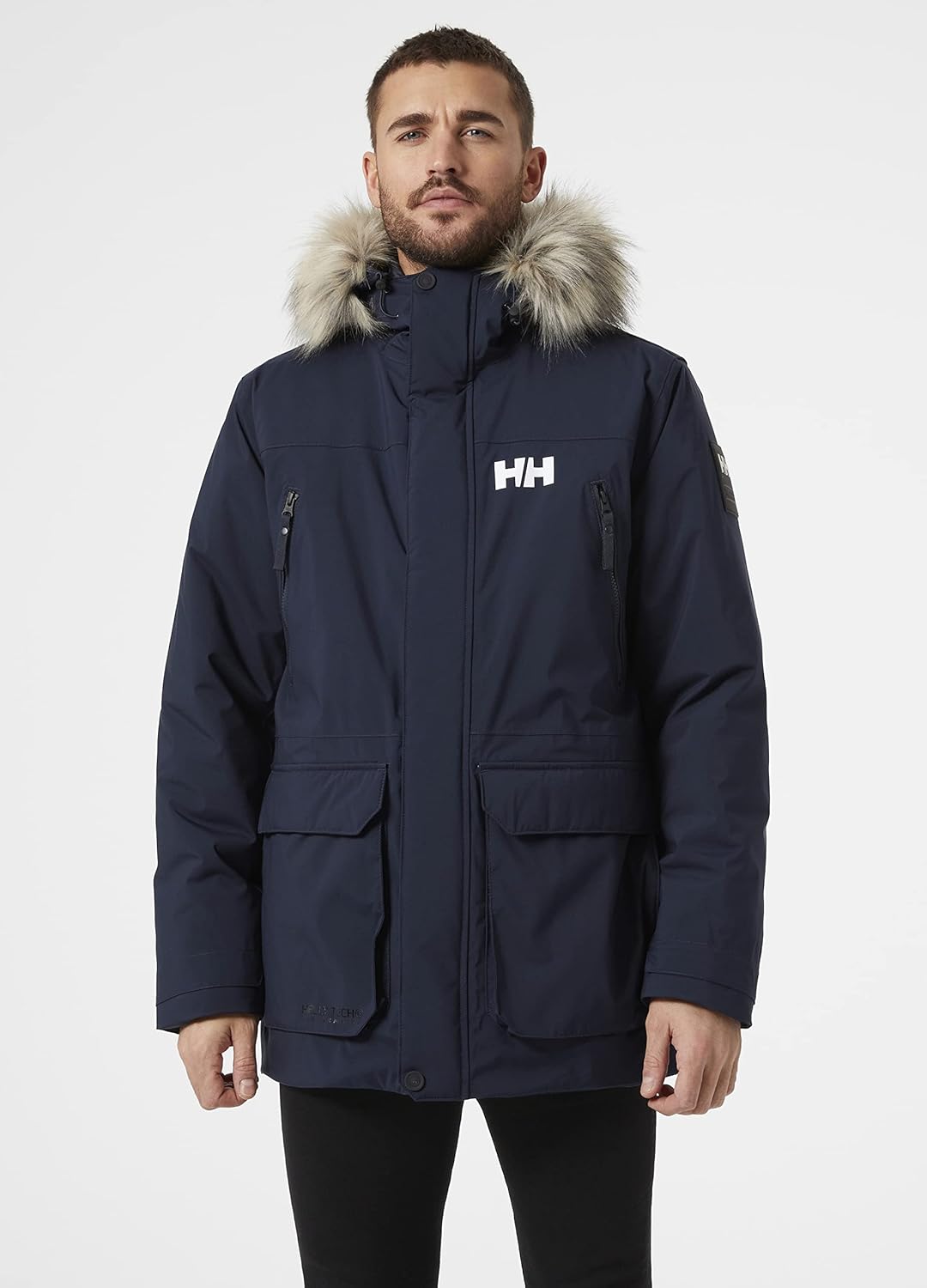
Certain models have become reference points whenever men discuss the best parkas for winter. The Fjällräven Nuuk parka is a classic example of a hooded jacket built for rough weather yet still clean enough for city use. Its synthetic insulation, generous length and protective outer shell make it a reliable coat for long walks in cold weather.
At the more extreme cold end, the Canada Goose expedition parka remains a benchmark for warmth and durability. This coat was originally designed for scientists working in polar stations, so its fill weight, fur ruff and robust shell are tuned for brutal winter conditions rather than mild city drizzle. For fashion men passionate about technical heritage, wearing an expedition parka in the city is a statement about function elevated to style.
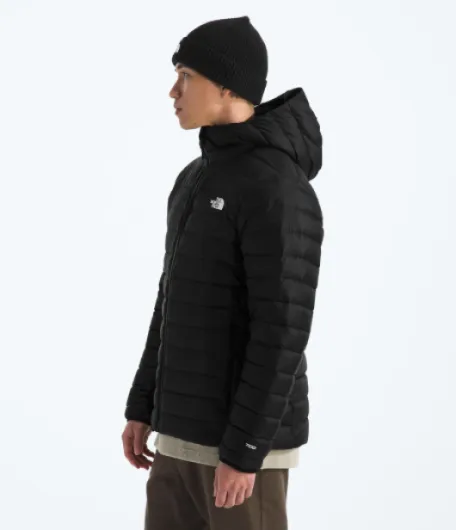
Patagonia offers a different take with the Patagonia Jackson Glacier parka and the broader Patagonia Jackson line of jackets. These parkas focus on lightweight warmth, recycled materials and a sleeker silhouette that pairs well with slim trousers and leather boots. When you compare the pros of the Fjällräven Nuuk, the Canada Goose expedition parka and the Patagonia Jackson Glacier, you see three distinct philosophies of warmth, each suited to different men, budgets and weather realities.
Design details that separate the best parkas from average jackets
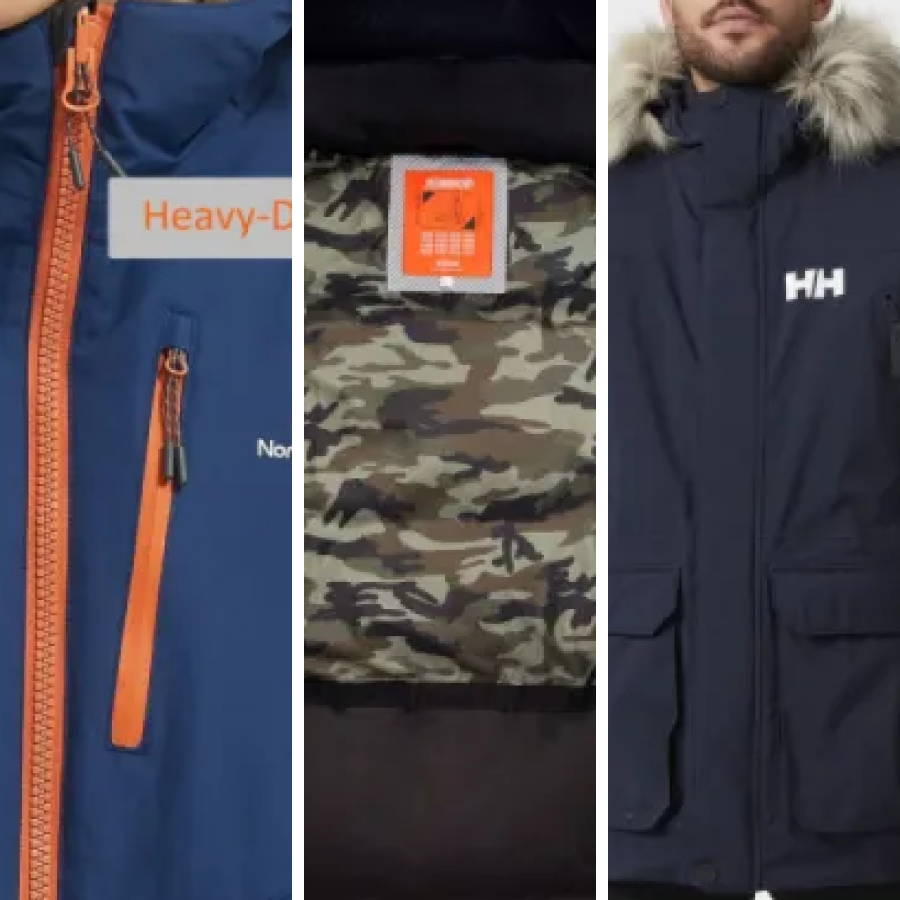
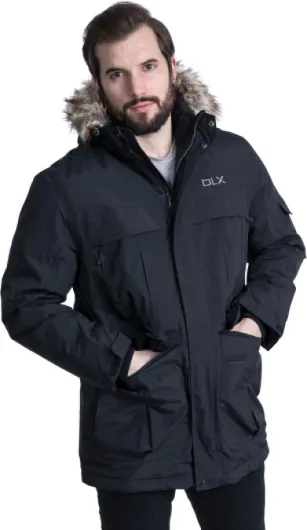
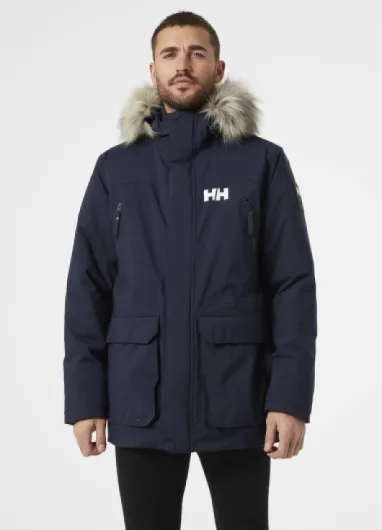
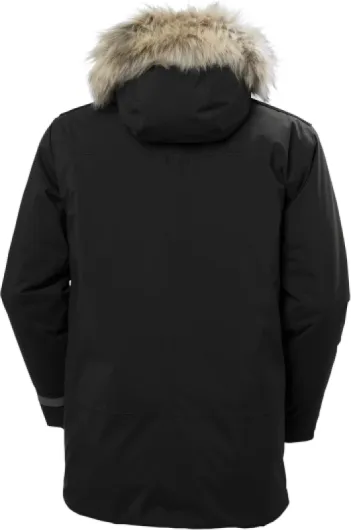
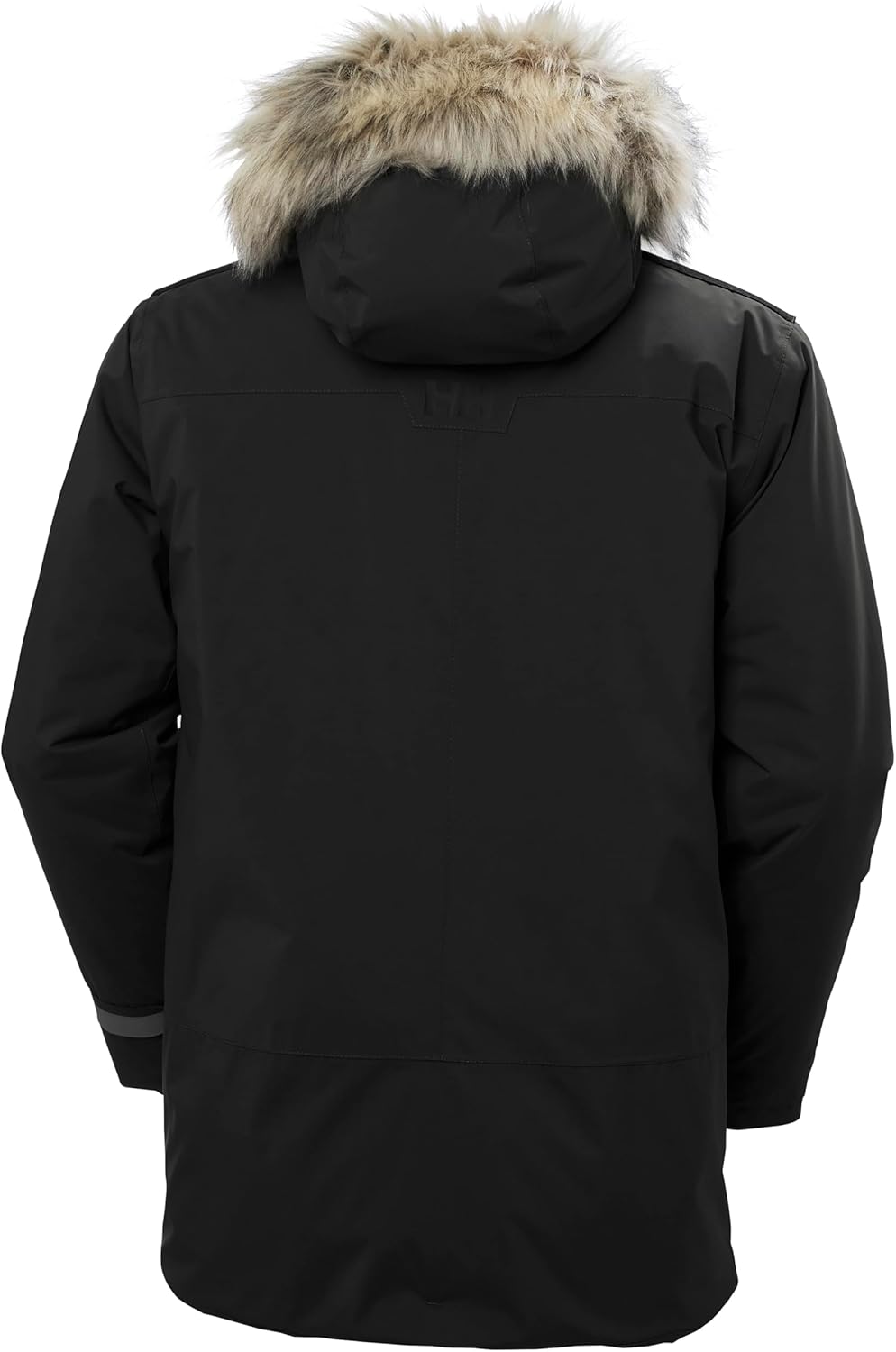
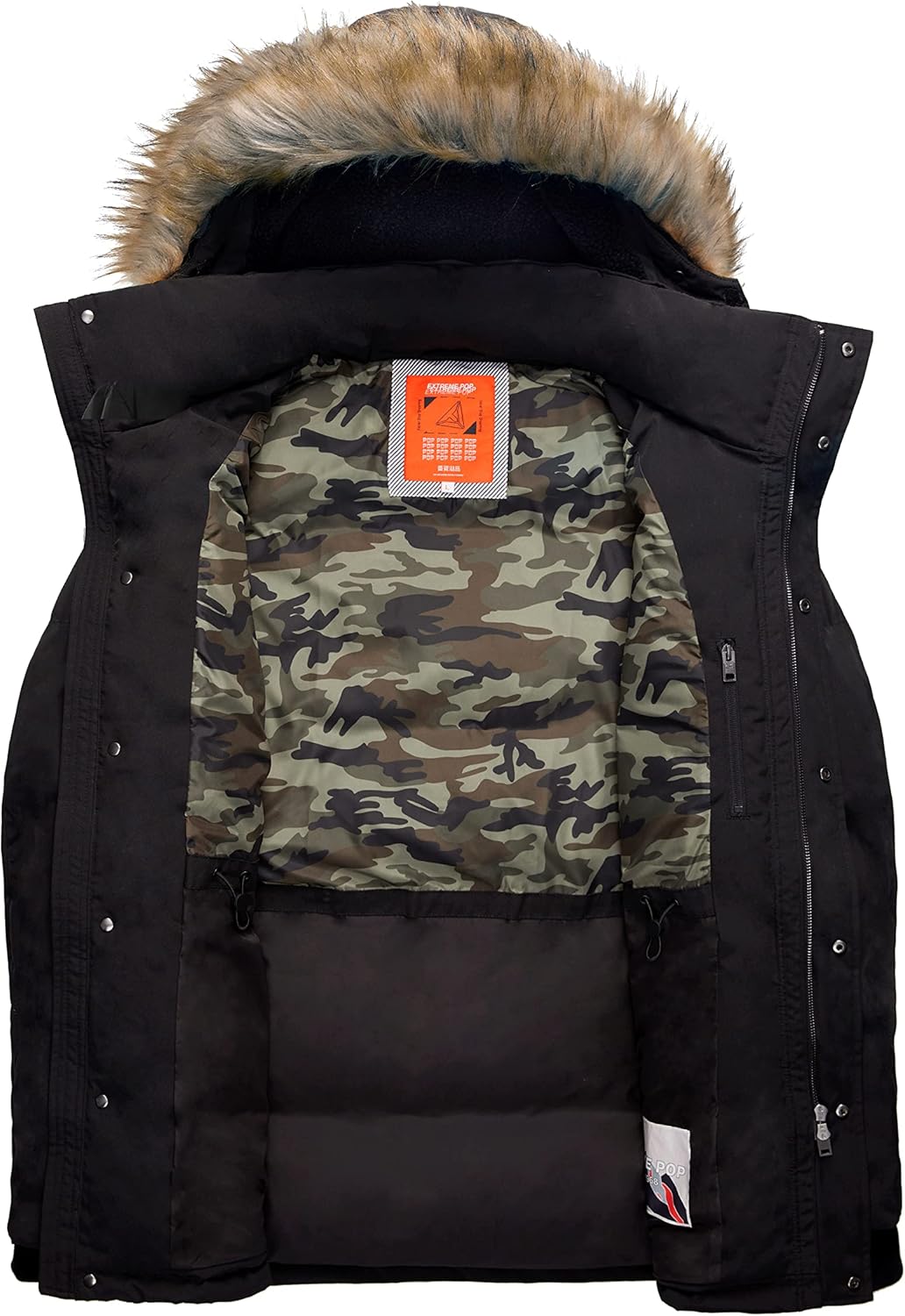
Once you understand insulation and shell fabrics, design details decide which parkas truly rank among the best. A well shaped hooded jacket with a structured brim and optional faux fur or real fur ruff protects your face while framing it elegantly. The best parkas for men use wire or laminated brims so the hood holds its shape in wind.
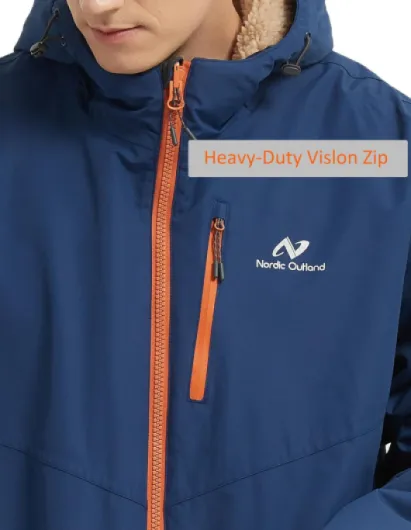
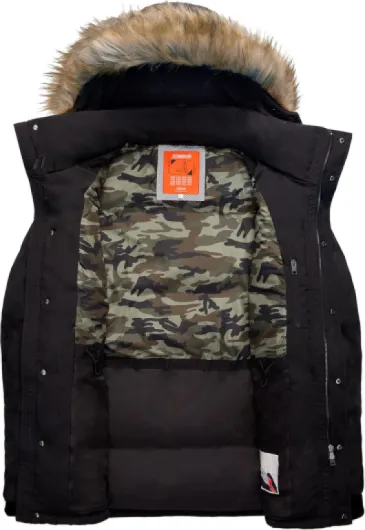
Length is another critical factor, because a parka that covers the seat offers noticeably more warmth in cold weather. For men who move between office chairs, car seats and pavements, a mid thigh coat length balances protection and mobility better than a very long expedition parka. Internal cuffs, two way zips and fleece lined pockets are small pros that dramatically improve how warm you feel in winter conditions.
Pay attention to how the parka interacts with your existing coats and jackets, including lighter pieces you wear in autumn. A refined parka should slide easily over a blazer or a slim wool coat without bunching at the shoulders. If you want a broader overview of how different coat silhouettes work together, a guide such as this selection of top men’s coats can help you position your parka within a complete wardrobe.
Fit, gender crossover and price strategy for fashion focused men
Fit is where many men compromise, yet it defines whether a parka looks intentional or accidental. The best parkas skim the body, leaving enough room for a mid layer without ballooning at the waist or arms. Shoulder seams should sit cleanly on the edge of your shoulders, because dropped seams quickly make even a high quality jacket appear sloppy.
Do not ignore women and jacket women categories when you search for the best parkas, especially if you have a slimmer frame. Some women parkas offer narrower shoulders and a closer cut that can suit fashion men passionate about a sharp silhouette, provided the coat length and proportions feel balanced. Trying both men and women versions of the same parka often reveals subtle differences in insulation distribution, hood shape and overall warmth.
Price should reflect tangible elements such as fill power, shell fabric, water resistance rating and build quality rather than just a logo. A great parka with synthetic insulation and strong water resistant treatment can outperform a cheaper down jacket in wet winter weather, even if the marketing claims sound similar. When you evaluate the pros and cons of different parkas and jackets, always ask how well they keep warm in your specific climate, how the outer shell will age, and whether the design still feels aligned with your style several seasons from now.
Key figures that define performance in the best parkas
- Down fill power between 700 and 800 is widely considered the sweet spot for men’s parkas, because it balances lightweight warmth with durability according to product data from major outdoor brands and independent gear tests.
- Laboratory tests from textile research institutes indicate that a windproof outer shell can significantly reduce convective heat loss in cold weather compared with a similar jacket without a wind blocking layer, which is why most expedition parkas use tightly woven or membrane backed fabrics.
- Industry surveys of winter coat buyers, often cited in outdoor trade publications, report that more than half of consumers rank water resistance as a top three priority, which explains the growth of water resistant and waterproof shells in modern parkas.
- Lifecycle assessments published by outdoor apparel companies show that extending the use of a high quality parka by just two additional seasons can cut its annualized environmental impact by roughly one third, making durable construction and timeless styling more than just aesthetic choices.