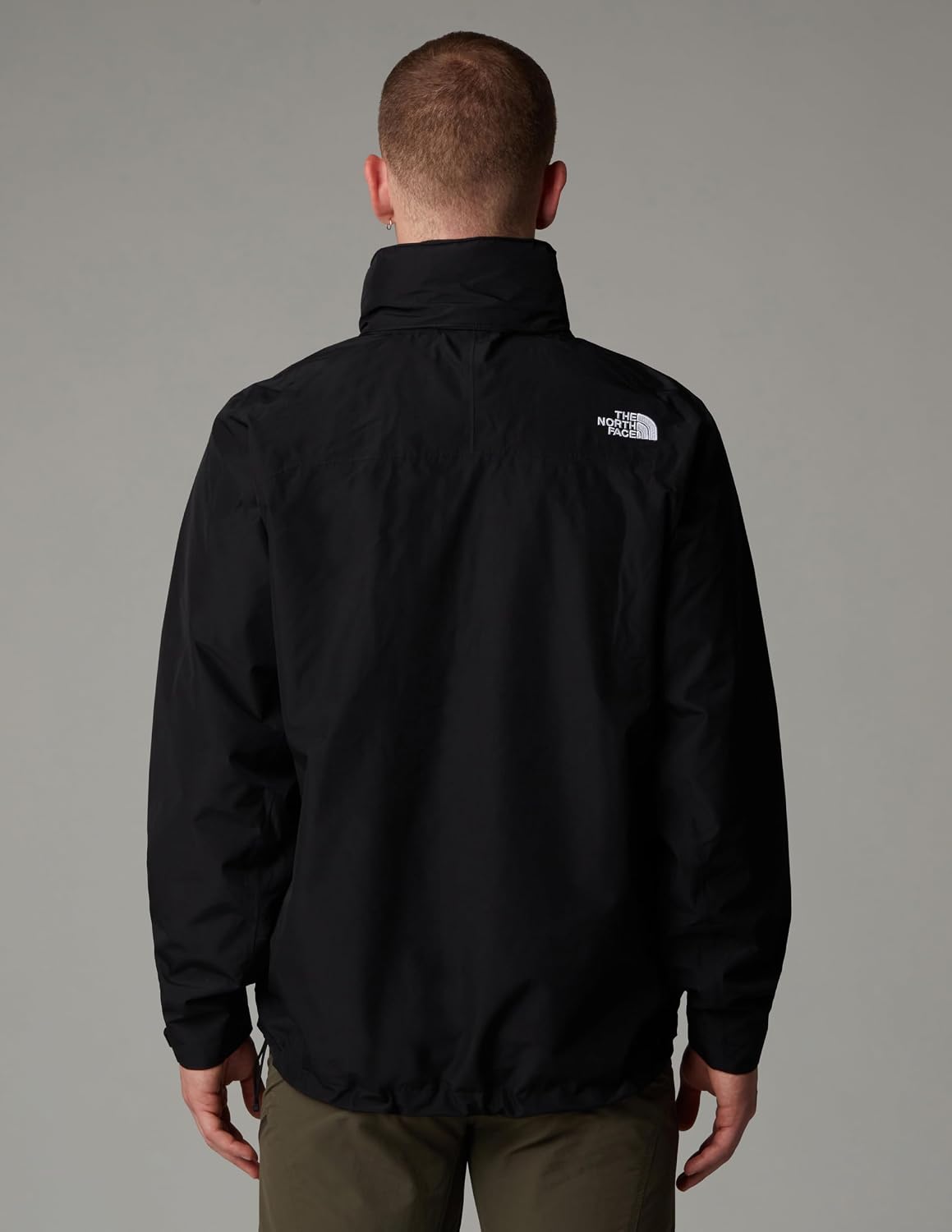
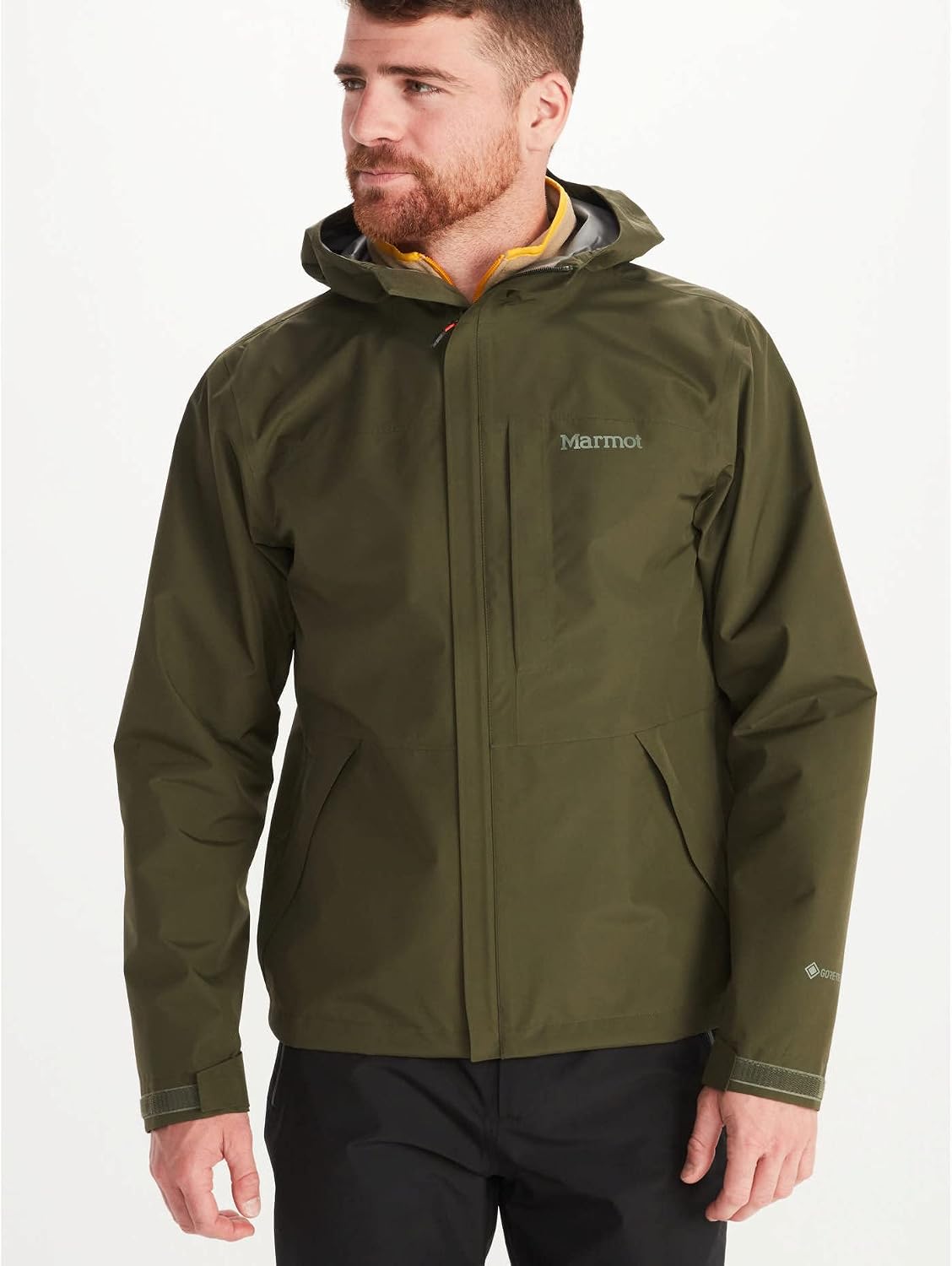
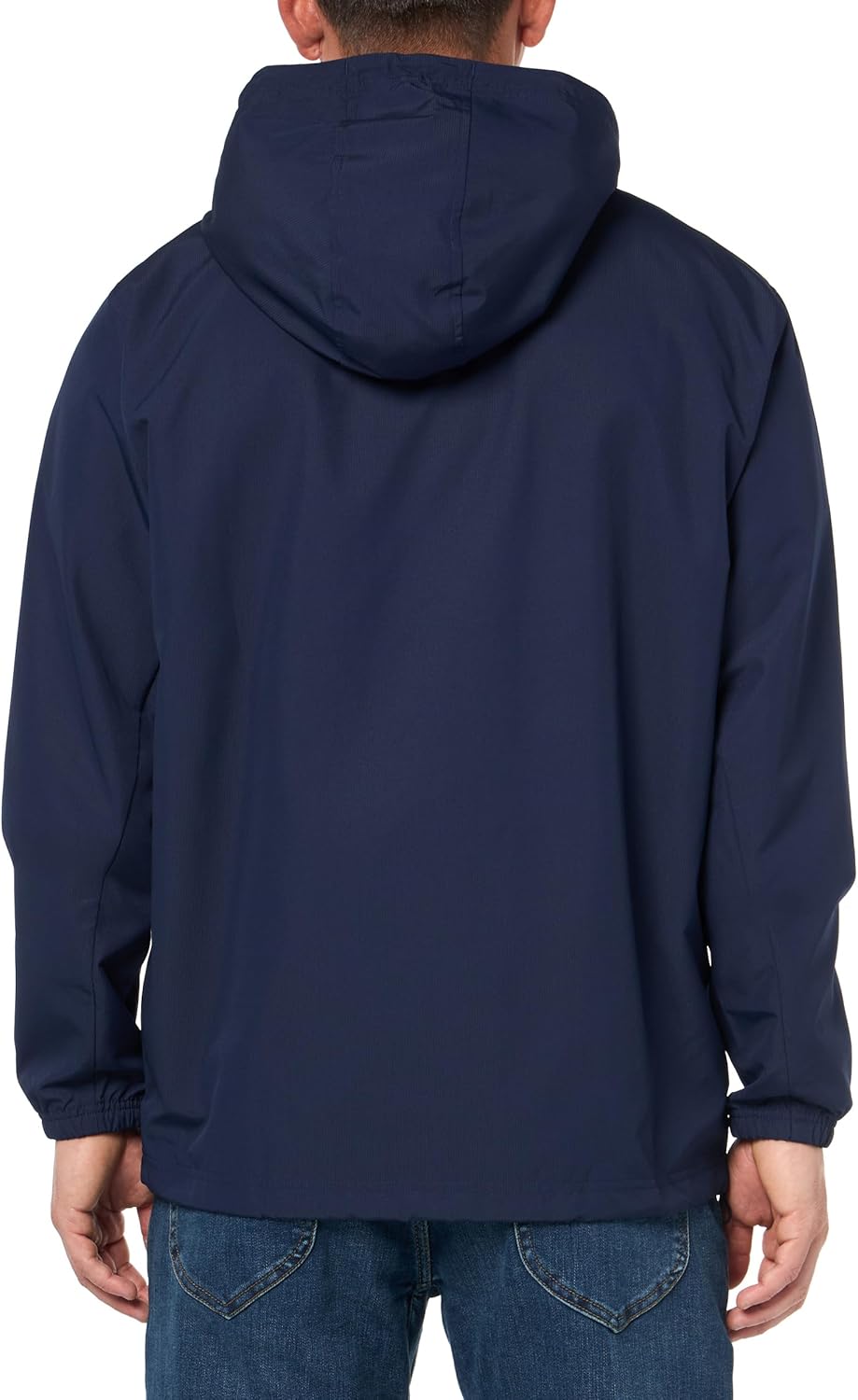
Key performance fabrics and construction details that define elite windbreakers
Fabric is the foundation of every serious windbreaker jacket, and it dictates how the shell behaves in real training conditions. Premium nylon micro ripstop, as seen in the Patagonia Houdini and the Arc Teryx Squamish, delivers impressive wind resistance with almost weightless hand feel, which explains why these jackets have become reference points for the best windbreakers. When you compare different windbreaker jackets, always check the denier of the nylon and whether the weave is tight enough to stop the wind without feeling plasticky.
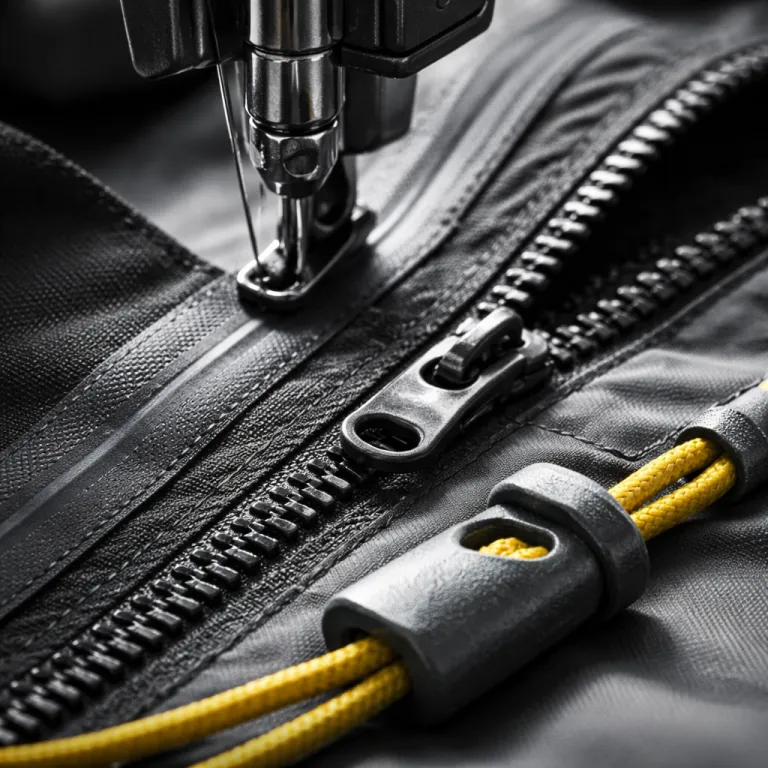
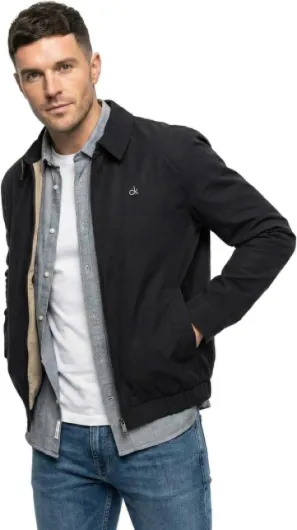
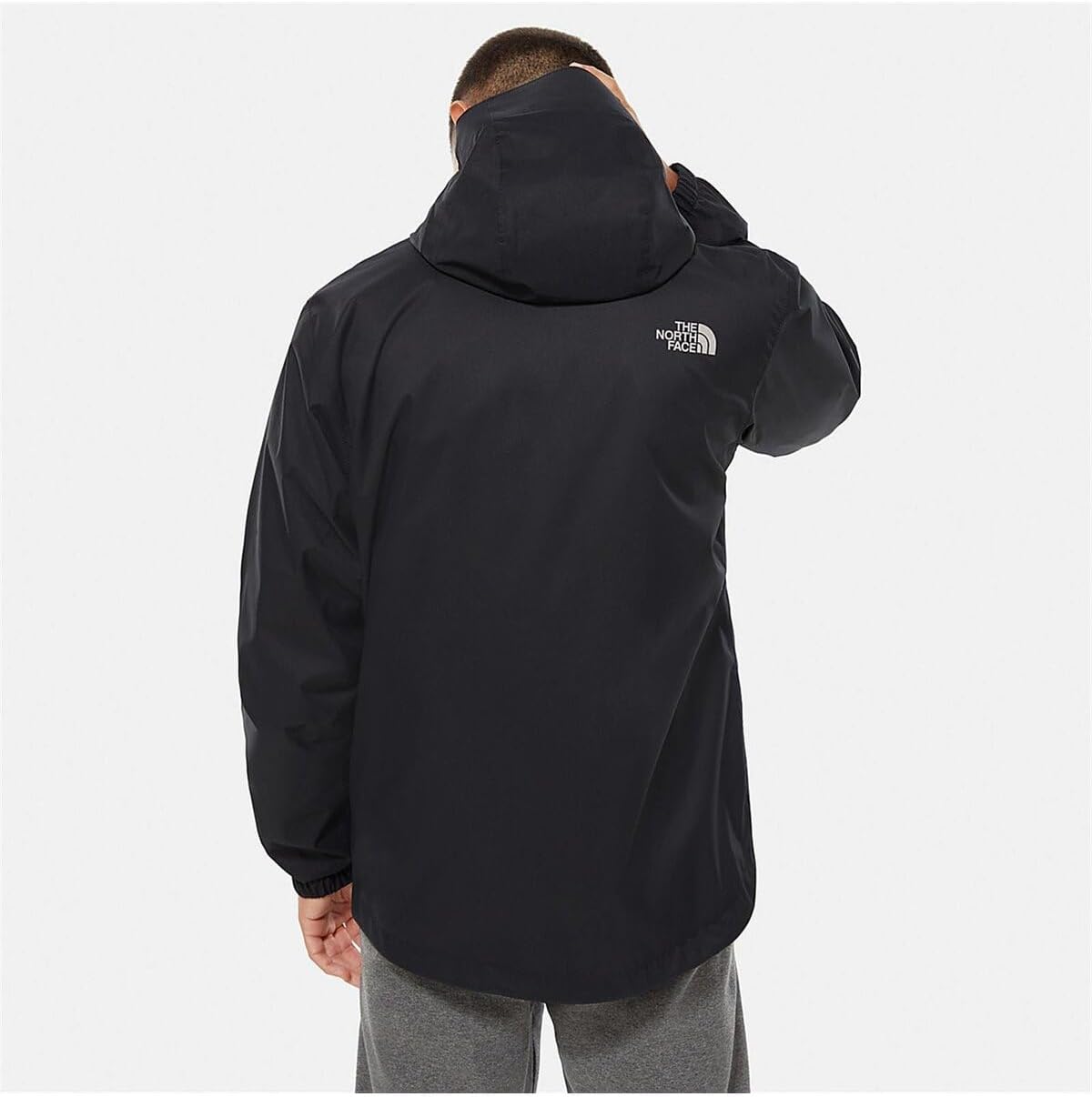
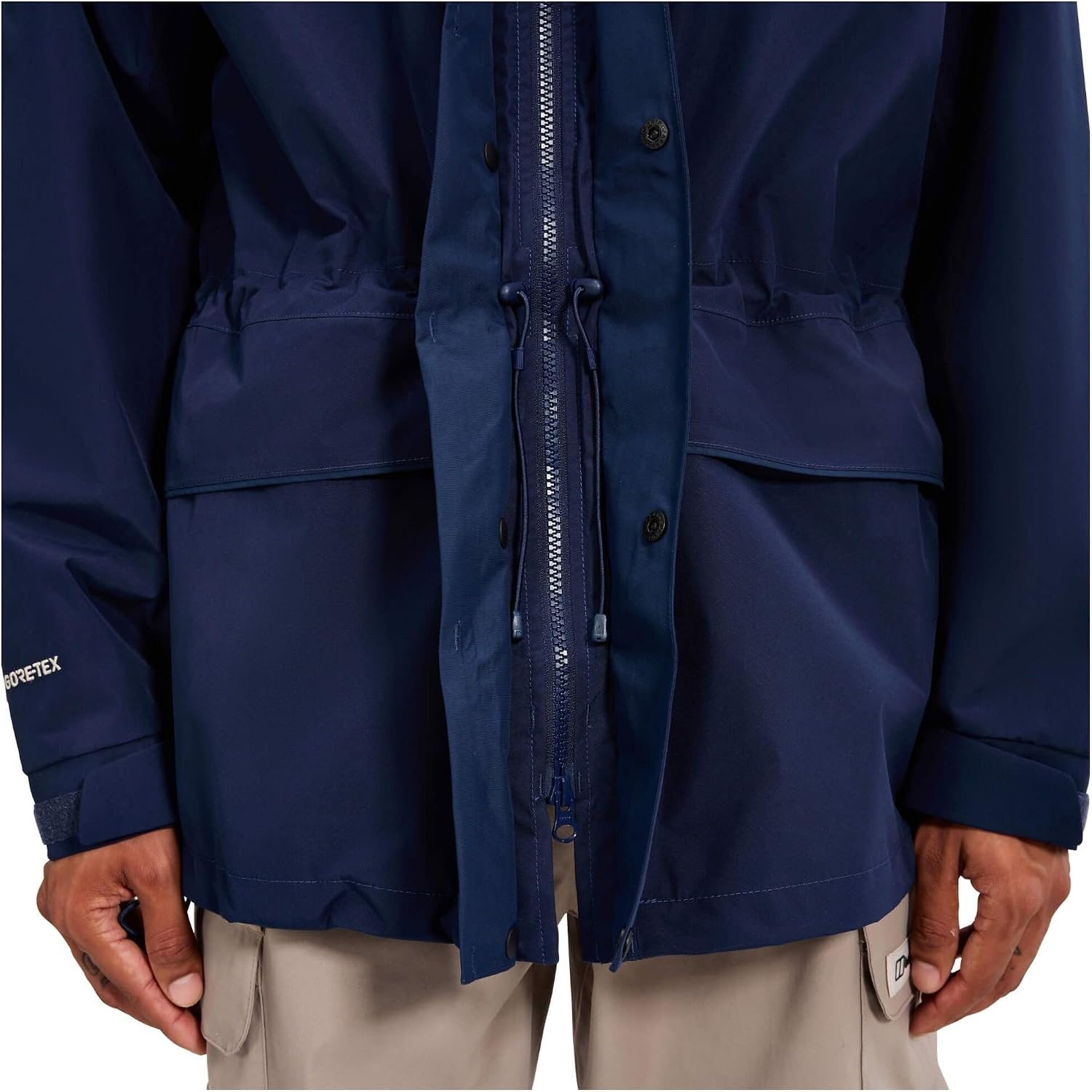
Construction details separate average windbreakers from the best windbreaker designs that serious men rely on. Look for bonded seams or very fine stitching that reduce bulk and improve weather resistance, because fewer needle holes mean less chance for wind and drizzle to penetrate. A well cut wind shirt or full zip wind jacket should also feature a shaped hood, a high collar, and a subtle drop tail hem, which together protect the neck and lower back when you lean forward during sprints or cycling.
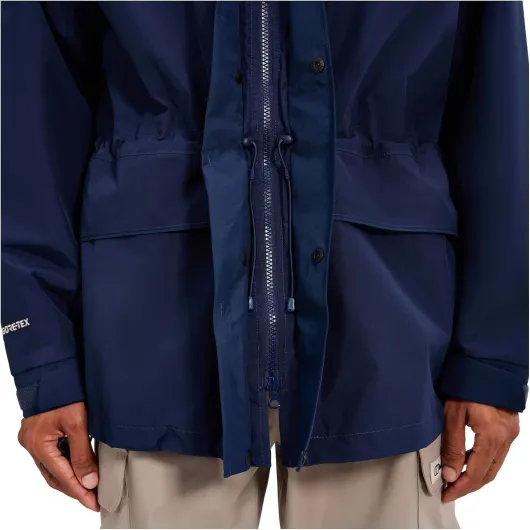
Thoughtful pocket design is another hallmark of high level jackets. A chest pocket that doubles as a stuff sack, like on many Patagonia jackets and the Rab Vital series, lets you compress the windbreaker into a hand sized package that disappears in a tote or gym bag. Side hand pockets should sit high enough to clear a running belt, while internal pockets keep a phone stable so the jacket maintains a clean line over technical trousers or even a refined western sports coat, which you can explore in more depth through this guide on western sports coats for men.
Iconic models: Patagonia Houdini, Arc Teryx Squamish, Rab Vital and beyond
Certain models have earned cult status among fashion aware runners and hikers because they embody what the best windbreakers should be. The Patagonia Houdini windbreaker jacket is a benchmark for ultra lightweight nylon design, offering impressive wind resistance in a shell that packs into its own chest pocket and weighs less than many cotton tees. Men who care about aesthetics appreciate how the Patagonia Houdini drapes cleanly over tapered track pants, while the restrained branding keeps the look minimal.
The Arc Teryx Squamish wind jacket takes a slightly more structured approach, with a sharper cut that flatters athletic shoulders and a high collar that frames the jawline. Its weather resistance is tuned for blustery ridgelines and cool city evenings, which makes this windbreaker ideal for men who move between trail and urban environments in a single day. When you compare the Patagonia Houdini and the Teryx Squamish, the former feels almost paper light while the latter offers a touch more fabric density and durability, so your choice depends on how hard you push your equipment.
The Rab Vital and Black Diamond Distance wind jackets sit in a similar performance tier, but each brings a distinct character to a menswear wardrobe. Rab Vital jackets often feature slightly roomier cuts that layer well over midweight hoodies, while the Black Diamond Distance Wind shell is tuned for fast moving mountain athletes who demand high wind resistance with minimal weight. If you want a warmer alternative for harsher conditions, pairing one of these windbreakers with a technical midlayer such as this men's waterproof hiking fleece jacket creates a versatile system that still looks refined in a city setting.
Ultralight specialists: Enlightened Equipment Copperfield and minimalist wind shirts
For men obsessed with grams and clean lines, ultralight wind shirts represent a distinct category within the best windbreakers. The Enlightened Equipment Copperfield wind jacket is a prime example, using feather light fabrics to create a shell that almost disappears in the hand yet still blocks the wind on exposed ridges. When you handle the Equipment Copperfield next to a standard windbreaker jacket, the difference in weight and packability is immediately obvious.
Ultralight wind shirts such as the Copperfield Wind series or similar minimalist windbreaker jackets from cottage brands often sacrifice hand pockets to save grams, which creates a very pure silhouette that appeals to minimalist fashion sensibilities. Instead of multiple external pockets, you might only get a single chest pocket or none at all, so you must rely on shorts or tights for storage while the jacket itself remains visually uncluttered. This stripped back approach works beautifully with slim running tights, short inseams, and technical caps, giving men a sharp, almost futuristic profile in motion.
When evaluating these enlightened equipment style pieces, pay close attention to fabric hand, zipper quality, and hem adjustment, because small flaws become very noticeable in such light garments. A high quality ultralight wind shirt should still offer reliable wind resistance and at least basic weather resistance, even if it is not a full rain jacket, so you are protected during tempo sessions and breezy commutes. Many fashion forward athletes now rotate between a slightly heavier windbreaker for daily wear and an ultralight Copperfield Wind or similar piece for fast training, which keeps both performance and style optimized.
Fit, sizing and styling: how to wear windbreakers with intent
Fit is where many men either unlock the full potential of the best windbreakers or undermine it completely. A training focused jacket should skim the body without clinging, leaving just enough room for a base layer while keeping the overall line clean and fast. When you choose size, aim for a fit that allows full arm swing without fabric bunching at the chest or pulling across the back.
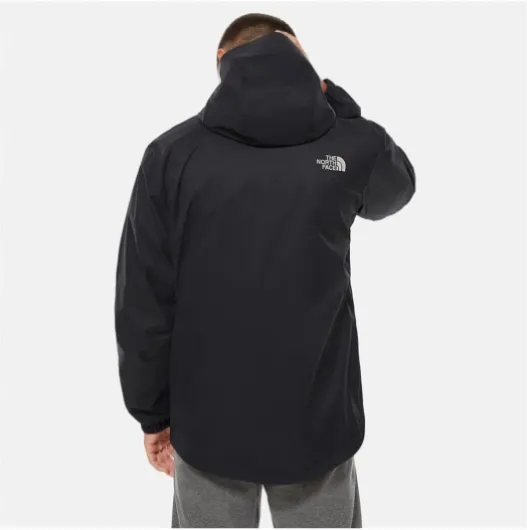
Length is equally vital for both performance and aesthetics. A windbreaker jacket that is too long can swamp the legs and disrupt proportions, while a jacket that is too short may expose the lower back when you raise your arms or lean forward. The most flattering windbreaker jackets for style conscious men usually hit just below the hip bone, with a subtle drop tail that enhances coverage without looking like a cycling specific shell.
Styling wise, treat your wind jacket as a key outerwear piece rather than an afterthought. Pair a black or deep navy Patagonia Houdini with slim black trousers and technical sneakers for a monochrome look that reads intentional, then rotate in brighter windbreakers for track sessions or weekend hikes. If you want to sharpen your overall aesthetic, consider integrating refined accessories such as premium acetate eyewear, for example through a frame similar to the one reviewed in this designer eyeglass frame test, which pairs elegantly with minimalist windbreaker silhouettes.
Practical features: pockets, zips, ratings and price for discerning buyers
Beyond fabric and fit, the best windbreakers distinguish themselves through practical details that matter during real training. Pockets are a central consideration, because they influence both function and the visual line of the jacket. A well placed chest pocket can hold a phone or cardholder without bouncing, while low slung hand pockets offer comfort but may interfere with running belts or harnesses.
Hand pockets should ideally sit slightly higher on performance oriented jackets, which keeps them accessible when you wear a pack and maintains a clean drape over the hips. Many men appreciate zippered hand pockets for security, but if you prioritize minimalism, a single chest pocket that doubles as a stuff sack might be enough. When you evaluate windbreaker jackets online, pay attention to how reviewers describe pocket depth, zipper smoothness, and whether the jacket stuffs into a pocket or a separate bag, because these details affect daily usability.
Price and ratings also play a role, especially when you compare multiple windbreakers from brands such as Patagonia, Arc Teryx, Rab, and Black Diamond. A higher price often reflects better fabric technology and refined pattern cutting, but you should still read how many stars a windbreaker jacket receives for wind resistance, weather resistance, and durability. Men who train frequently may justify a premium shell with excellent ratings, while occasional users might prefer a mid range wind jacket and allocate more budget to shoes or a dedicated rain jacket for heavy storms.
Balancing wind resistance, weather protection and versatility in an active wardrobe
Choosing the best windbreakers for an active, style conscious life means understanding how wind resistance and weather resistance interact. A pure wind jacket is optimized to block the wind while remaining extremely light and breathable, which makes it ideal for cool, dry conditions and high intensity efforts. By contrast, a rain jacket prioritizes waterproof membranes and sealed seams, which adds weight and can feel clammy during fast training.
Most men benefit from owning at least one dedicated windbreaker jacket and one true rain shell, then layering intelligently based on forecast and intensity. On breezy but dry days, a Patagonia Houdini, Rab Vital, or Black Diamond Distance Wind jacket over a technical tee is usually enough, and the whole system packs down into a small hand sized bundle when the sun emerges. When showers are likely, you can still start with a windbreaker and carry a compact rain jacket in your pack, swapping layers as conditions change to avoid overheating.
Versatility is where these jackets truly shine in a fashion context. The same windbreaker that shields you from the wind on a track session can top a knit polo and tailored joggers for a casual dinner, especially if you choose refined colors and minimal branding. By curating a small rotation of windbreakers in different weights and silhouettes, men can respond to shifting weather, training demands, and social settings without sacrificing either performance or style.
Key figures on performance windbreakers for men
- Market research from The NPD Group reported that performance outerwear sales for men grew by roughly 8 % in a recent twelve month period, indicating rising demand for technical jackets that function as everyday style pieces.
- Independent lab tests published by Outdoor Gear Lab have shown that leading windbreakers such as the Patagonia Houdini and Arc Teryx Squamish can reduce perceived wind chill by up to 10 °C compared with running in only a base layer, which significantly extends comfortable training time in shoulder seasons.
- Several major retailers report that lightweight windbreaker jackets under 150 g account for more than 40 % of their technical shell sales to runners and hikers, confirming the shift toward ultralight designs in this category.
- Consumer review analysis across large e commerce platforms suggests that windbreakers with an average rating above 4,5 stars are most likely to be repurchased or recommended, especially when buyers highlight pocket layout and packability as standout features.