What smart casual really means for men who work
Smart casual for men is not a vague middle ground between a suit and gym gear. It is a clear dress code where tailored pieces like a blazer, dress shirt or slim fit dress pants meet relaxed items such as jeans, polos or minimal sneakers in one coherent outfit. When you build men's smart casual outfits correctly, every item feels intentional rather than like a random outfit casual mix from your casual wardrobe.
Think of smart casual as business casual with sharper lines and better fabrics, not as casual attire with a blazer thrown on top. You still respect the dress code of an office or restaurant, but you swap full suits for unstructured jackets, heavy wool blends for breathable cotton and linen, and formal oxfords for clean leather sneakers in white or brown. The result is a casual style that lets casual men move from a client meeting to a bar without changing a single shirt, jacket or pair of chinos, and gives you reliable smart casual office outfit ideas for men.
The biggest mindset shift is this: sportswear does not belong here. Running sneakers, logo hoodies and graphic short sleeve T shirts drag smart outfits straight back into weekend casual dress territory, no matter how expensive they are. If you want your men's smart casual outfits to look deliberate, you anchor them with tailored shirts, proper dress shirts or casual shirts with structure, and trousers that actually fit your legs instead of clinging to them when you are deciding what to wear smart casual dinner or for a relaxed office day.
Outfit 1 : navy blazer, white tee, mid blue jeans, suede derbies
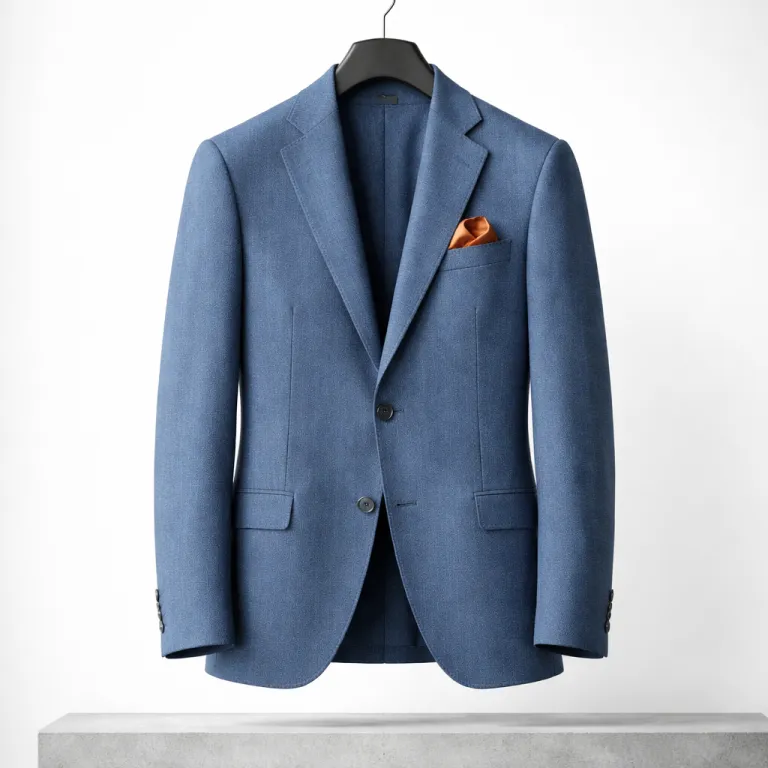
This first outfit is the backbone of modern men's smart casual outfits: an unstructured navy blazer, a crisp white T shirt, mid blue jeans and brown suede derby shoes. The blazer should be in a soft cotton or linen cotton blend, not stiff worsted wool, with a natural shoulder and a slightly shorter length than a formal business casual jacket. Aim for a slim fit that skims the torso, with the shoulder seam ending exactly at the edge of your shoulder bone and the sleeve showing about 1 cm of any long sleeve shirt cuff if you swap the tee for a dress shirt.
Mid blue jeans work because they sit between dark business denim and weekend fades, so they read smart without pretending to be dress pants. Choose mid weight denim around 12 to 13 oz (roughly 400 to 440 gsm), straight or tapered rather than skinny, with a slight break at the shoe so the hem just kisses the top of your sneakers or derbies. When you wear this outfit casual to the office, keep the T shirt plain, the blazer navy blue or deep charcoal, and the belt matching the brown suede shoes for a clean line from top to bottom.
For evenings, you can swap the tee for casual shirts or polo shirts in knitted cotton to sharpen the style without losing ease. A navy polo under the blazer instantly lifts the look into a more polished smart casual dress code, especially if the collar sits neatly under the jacket lapels. This is where you feel the difference between random casual and a considered outfit: the blazer, shirt and jeans all share a similar level of refinement and work in most smart casual office outfits. 
Outfit 2 : knit polo, cream chinos, leather sneakers
The second formula leans into casual men elegance: a knit polo, cream or stone chinos and low profile leather sneakers. A fully fashioned knit polo shirt in cotton or merino behaves like a lightweight sweater, so it drapes cleanly over the torso and makes men's smart casual outfits look intentional rather than improvised. Choose a polo with a proper collar that stands up under a jacket, short sleeve or long sleeve depending on the season, and avoid loud logos that push the look back into pure casual dress.
Cream chinos in a slim fit are the workhorse here, because they bridge the gap between jeans and dress pants. Look for mid rise chinos with a gentle taper, cut long enough for a slight break over your sneakers, and in a dense cotton twill or cotton wool blends for better drape. When you wear them with white or brown leather sneakers, the outfit reads as relaxed business casual in most modern offices, especially if you add a navy jacket or even a tweed jacket in colder months.
This combination is ideal for men who want one outfit casual enough for a Friday desk day but sharp enough for a dinner date. Swap the sneakers for suede loafers and the polo for a dress shirt and you are suddenly close to classic business casual without changing the core pieces. The power of this formula is that every element — polo shirts, chinos, sneakers — can rotate through your casual wardrobe and still respect a smart casual dress code when styled with care and attention to fit. 
Outfit 3 : denim shirt, grey wool trousers, Chelsea boots
The third outfit flips the script by putting tailoring on the bottom and casual on top: a denim shirt, grey wool trousers and Chelsea boots. A mid weight denim shirt in a washed indigo works like a rugged dress shirt, especially when it has a semi spread collar and clean front without western details. Tuck it into slim fit grey wool dress pants or flannel trousers in soft wool blends, and you instantly elevate the casual shirt into something that fits a smart casual office.
Grey trousers are the most versatile tailored piece a man can own, because they pair with almost every shirt, jacket and knit in a wardrobe. Choose a flat front pair with side adjusters or belt loops, cut with a medium rise and a slight taper, and hemmed for a light break over your Chelsea boots. Dark brown or black leather Chelsea boots ground the outfit, giving it more presence than sneakers while still feeling less formal than oxford shoes or full suits.
On top, you can add a navy blue blazer, a textured tweed jacket or even a casual jacket in cotton for extra warmth. Each layer shifts the outfit along the spectrum from casual attire to business casual, without ever tipping into full corporate suits territory. This is the kind of look that lets men move from a co working space to a decent restaurant while staying firmly inside the smart casual code men actually face in real life and gives you a reliable answer to what to wear smart casual dinner with clients.
Fit rules that separate sharp from sloppy
Fit is where most men's smart casual outfits fail, even when the pieces are expensive. The shoulder seam of any jacket should sit exactly where your shoulder ends, not drooping down the arm or biting into your upper biceps. Sleeves on a blazer or tweed jacket should end at the wrist bone, allowing about 1 cm of dress shirt cuff to show, which instantly signals that you understand tailoring.
Trousers are next: whether you wear jeans, chinos or dress pants, aim for a slight break where the hem just touches the top of your shoes. Too much stacking makes even smart casual outfits look sloppy, while no break at all can feel fashion victim unless the rest of your style is razor sharp. For most casual men, a medium rise slim fit with room in the thigh and a gentle taper to the ankle gives the cleanest line without strangling the calves.
Shirts matter as much as trousers, especially when you move between casual shirts, polo shirts and formal dress shirts in one week. A dress shirt should fit close through the chest without pulling at the buttons, and the collar should allow you to slide two fingers comfortably when fully closed. Casual shirts and polos can be slightly looser, but if the shoulder seams slide down your arms or the short sleeve cuffs flare away from your biceps, the whole outfit starts to read as careless casual dress instead of intentional smart casual attire.
Fabrics, mistakes and budget tiers that actually work
Fabric is the quiet engine behind every good smart casual outfit, especially for men who run warm or commute a lot. For blazers and casual jackets, linen cotton blends and lightweight wool blends breathe better than stiff synthetics, while still holding a clean shape over shirts and polos. In denim, mid weight jeans around 12 to 13 oz give enough structure to look sharp with a jacket without feeling like armor on a long day.
The most common mistakes are easy to fix once you see them clearly in your own casual wardrobe. Graphic tees under blazers, running sneakers with dress pants, and over tight trousers that cling to your thighs all drag men's smart casual outfits into confused territory. Swap the graphic tee for a plain T shirt or knit polo, the running shoes for minimal leather sneakers, and the spray on jeans for a more forgiving slim fit, and your casual style will instantly feel more grown up.
Budget wise, you can build each of the three outfits in clear tiers without chasing hype drops or overpriced suits. Under 500 USD, focus on solid mid range brands for jeans, chinos and shirts, then add one good navy blazer or tweed jacket that works across business casual and weekend wear; think entry lines from Uniqlo, H&M Edition or Zara for basics and mid tier labels for shoes. Under 1000 USD, upgrade fabrics to better wool blends for trousers and jackets, invest in one pair of brown suede derbies and one pair of leather sneakers from brands in the mid price bracket, and you will have men's smart casual outfits that earn their place in your wardrobe every single week.
Key figures on men's smart casual dressing
- According to The State of Fashion 2023 and The State of Fashion 2024 reports from Business of Fashion and McKinsey & Company (see Sources below), casualization and hybrid work have pushed smart casual and business casual categories to represent more than half of men's clothing sales in many developed markets, reflecting the shift toward flexible dress codes.
- Surveys of young professionals cited in McKinsey apparel consumer research, including Reviving Apparel Demand (2021), indicate that over 60% of men feel uncertain about the difference between casual attire and smart casual, which explains why many offices see everything from hoodies to full suits on the same day.
- Consumer data from Statista and large fashion platforms, such as Statista’s global apparel market analyses (2022–2023), shows that searches for men's smart casual outfits and related terms like casual shirts and chinos have grown by double digit percentages over recent seasons, outpacing demand for formal suits and traditional office wear.
- Footwear sales reports from Business of Fashion, McKinsey and industry market trackers, including The State of Fashion: Shoes (2022), show that minimalist leather sneakers and brown suede shoes have gained significant share within office appropriate categories, while classic black dress shoes have declined in relative importance.
Frequently asked questions about men's smart casual outfits
Can I wear sneakers with smart casual outfits for the office ?
Yes, you can wear sneakers with men's smart casual outfits, as long as the sneakers are clean, minimal and made from leather or suede rather than mesh running materials. Stick to low profile designs in white, black or brown, and pair them with slim fit chinos or dark jeans plus a shirt and jacket. Avoid performance trainers, loud logos and neon colors, which belong firmly in casual dress rather than business casual environments.
Are jeans acceptable in a smart casual dress code ?
Jeans are acceptable in most smart casual settings when they are dark or mid blue, free of rips and heavy distressing, and cut in a straight or tapered slim fit. Pair them with a dress shirt, polo or fine knit and add a blazer or tweed jacket to lift the outfit. Light wash or heavily faded jeans push the look toward weekend casual attire, so reserve those for off duty days.
What shirts work best for smart casual outfits ?
The most versatile shirts for men's smart casual outfits are plain or subtly patterned dress shirts, Oxford casual shirts and high quality polo shirts in solid colors. A white or light blue dress shirt can move from a blazer and dress pants to jeans and a casual jacket without missing a beat. Short sleeve shirts can work too, but keep the prints restrained and make sure the sleeves hit mid bicep for a clean, tailored appearance.
How many smart casual pieces do I need in my wardrobe ?
You can build a strong smart casual wardrobe with a surprisingly small number of pieces: one navy blazer, two pairs of chinos, one pair of dark jeans, three to four shirts, two polo shirts, one pair of leather sneakers and one pair of brown suede shoes. These items combine into dozens of outfits that cover most business casual and social situations. Once the core is in place, you can add a tweed jacket, extra dress shirts or grey wool trousers to expand your options.
What colors are safest if I am just starting with smart casual ?
Start with navy blue, grey, white and brown, because these colors mix easily across shirts, trousers, jackets and shoes. A navy blazer, grey dress pants, white shirts and brown leather footwear will anchor almost any outfit casual or formal. Once you are comfortable, you can introduce muted greens, burgundy or cream chinos to add interest without breaking the smart casual dress code.
Sources
Business of Fashion and McKinsey & Company, The State of Fashion 2023; Business of Fashion and McKinsey & Company, The State of Fashion 2024; McKinsey & Company, Reviving Apparel Demand (2021); Business of Fashion and McKinsey & Company, The State of Fashion: Shoes (2022); Statista, global apparel and footwear market data and search trend analyses (2022–2023). These reports and datasets are available through the Business of Fashion–McKinsey State of Fashion series and Statista’s paid research portals, which provide the underlying market numbers referenced in the key figures section.