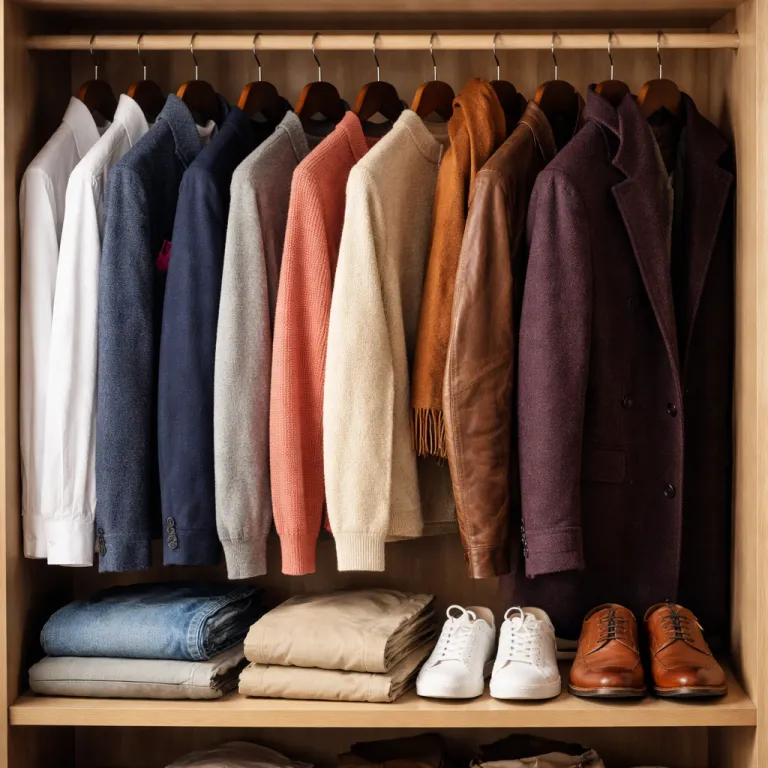
Why sequence beats shopping lists when starting from scratch
Learning how to build a wardrobe from scratch is less about taste and more about sequence. When your closet is almost empty, a precise step by step plan beats vague fashion inspiration, because every euro or dollar must work hard and every piece must earn constant wear. Think of your future wardrobe from the ground up, not as a random pile of casual clothes and forgotten trend pieces.
The mission is simple ; you will build a tight capsule wardrobe that covers work, dates and weekends without drowning you in choices. That means choosing a minimalist capsule of clothes in navy, white, mid blue and grey, while deliberately skipping black at first so everything stays easy to combine and close to foolproof. Years ago I watched beginners blow budgets on statement jackets, and they still had nothing to wear from Monday to Friday.
Instead of impulse wardrobe shopping, you will follow six clear scratch steps over six months. Each month you invest around 150 USD, plus 40 to 60 USD for alterations, and you treat tailoring as part of the cost of building capsule foundations rather than a luxury. This long term view turns a chaotic pile of clothes into a coherent set of capsule wardrobes that actually match your life, not some influencer’s privacy policy of endless newness.
The six month roadmap and the 90 day wear rule
Start by accepting that how to build a wardrobe from scratch is a project, not a weekend errand. With a 150 USD monthly budget, you will buy fewer clothes, but each step will be deliberate and every piece will be chosen for heavy wear, not for a single event. The 90 day rule keeps you honest ; if you do not wear an item at least three times within three months, it does not belong in your capsule wardrobe.
Month one is about starting strong with three white tees and one pair of dark wash jeans. Month two adds the second pair of jeans and one pair of chinos, which instantly expands your casual clothes rotation for both work and off duty style, while still staying in the navy and mid blue family. Month three brings in two oxford shirts in white and light blue, which you can wear don tucked with denim or chinos, and this is where a good unstructured casual jacket starts to make sense for future months.
Month four is for one knit jumper in mid weight wool or cotton, plus a second pair of chinos if budget allows. Month five is when you add the unstructured blazer in navy, chosen with soft shoulders and patch pockets so it works as both a casual jacket and a sharp layer for the office, and here you should read serious tailoring advice such as the analysis of off the rack tailoring on the spring summer tailoring guide at fashion men magazine. Month six finishes the core build with one pair of leather sneakers and one pair of derbies, because shoes change how the same clothes read, from casual to almost formal, without adding more garments.
The 12 pieces that form your first real capsule wardrobe
When men ask how to build a wardrobe from scratch, they usually expect a huge list, but you only need 12 pieces to start. Three white tees, two oxford shirts, two pairs of jeans, one pair of chinos, one knit jumper, one unstructured blazer, one pair of leather sneakers and one pair of derbies will carry you through most modern lives. This small capsule wardrobe is not theoretical ; it is a tested framework that lets you dress for work, dates and weekends without panic.
Choose the tees in a mid weight cotton around 180 to 220 GSM, because lighter fabrics twist and cling after a few months of wear and washing. Your jeans should both be dark wash, with one in a slimmer cut for nights out and one in a slightly straighter fit for everyday style, and you should avoid black denim at first because it shows lint and can look harsh with lighter tops. The chinos should be in a versatile navy or stone tone, which pairs with every top in this capsule and keeps your wardrobe from feeling like a uniform.
The knit jumper works best in navy or mid grey, with a crew neck that layers cleanly under the unstructured blazer. That blazer should be in navy cotton or wool blend, unlined or half lined, so it behaves like a casual jacket and not a stiff suit coat, and it should work with both jeans and chinos in your building capsule plan. For shoes, white or off white leather sneakers and dark brown derbies give you two clear lanes ; casual and smart, and you can see a full breakdown of a similar men’s capsule wardrobe that actually works on fashion men magazine for more outfit ideas.
Fit, tailoring and the colors that keep everything coherent
Fit is where most beginners fail when they try to build a wardrobe from scratch. You can buy the right clothes in the right order, but if the shoulders droop or the sleeves swallow your hands, the whole capsule wardrobe feels off and you stop wearing half of it. Plan from day one to take every major piece to a tailor and budget 40 to 60 USD for alterations over the first months.
Have the tailor slim the body of your shirts, shorten sleeves on the blazer and adjust the hem of your jeans and chinos so they break cleanly on your shoes. This small investment turns average garments into something that looks almost made to measure, and it extends the long term life of your wardrobe from a single season to several years of regular wear. When you are creating capsule outfits, a well altered casual jacket or blazer will always look more expensive than a trendy designer piece that fits badly.
Color is the other quiet discipline that makes how to build a wardrobe from scratch feel easy instead of stressful. Stick to navy, white, mid blue and grey for the first six months, and keep black out of the picture until you have mastered these basics, because black demands sharper grooming and can highlight every mismatch in tone. This limited palette makes building capsule combinations almost automatic, so when you grab clothes in the dark before work, everything goes together and your style looks intentional without effort.
Smart shopping habits, what to skip and how to expand later
Once you understand how to build a wardrobe from scratch, you realise the real skill is saying no. Skip statement pieces, loud prints, anything labelled investment and any fashion item that only works for one hyper specific event, because those clothes will fail the 90 day wear test and clutter your capsule wardrobe. Instead, treat every purchase as one more step in creating capsule outfits you can repeat without boredom.
Plan shopping sessions like you would plan a workout ; go in with a list, a budget and a clear goal for that month’s piece, and avoid drifting through the mall as if it were a grocery store for random style cravings. This disciplined plan shopping approach keeps your wardrobe shopping aligned with your long term needs, not with algorithms or vague marketing terms service that push constant novelty. When you feel tempted by a trend, ask whether it works with at least three items you already own and whether you can wear don it in both casual and slightly dressier settings.
As your confidence grows, you can experiment with a small summer capsule built around lighter fabrics and maybe one carefully chosen black piece, such as a knit polo or sleek trousers. You might also add a second minimalist capsule for colder months, anchored by a heavier overcoat and perhaps a different casual jacket silhouette, but always as an extension of the core 12 piece system. For a sharp look at pieces that actually survive heavy use, the Engineered Garments x GU round two review on fashion men magazine shows how real wear tests beat hype when you are deciding what deserves a place in your wardrobe from the next season onward.
FAQ
How much should I budget to build a basic wardrobe from scratch ?
If you follow a six month plan at around 150 USD per month, you can assemble the 12 core pieces without financial shock. Add 40 to 60 USD total for tailoring, which dramatically improves fit and long term value. This approach keeps your capsule wardrobe focused and prevents random impulse buys.
Can I include black pieces in my first capsule wardrobe ?
You can, but it is wiser to delay black until your basics are solid. Navy, white, mid blue and grey are easier to mix and match when you are still learning how to build a wardrobe from scratch. Once you are comfortable with these colors, a single black item will integrate more smoothly.
Do I really need two pairs of jeans in a small capsule ?
Two pairs of dark wash jeans give you rotation, which extends the life of each pair. One slightly slimmer pair can handle nights out, while a straighter cut works for daily wear and casual work environments. This small variation keeps outfits from feeling repetitive without expanding your wardrobe from the core plan.
Why is an unstructured blazer recommended instead of a formal suit jacket ?
An unstructured blazer has softer shoulders, minimal padding and often patch pockets, so it behaves like a casual jacket and a smart layer at once. That versatility is crucial when you are creating capsule outfits from a limited set of clothes. A formal suit jacket is less flexible and can feel out of place with jeans or sneakers.
How do I know when to upgrade or replace pieces in my capsule wardrobe ?
Use the 90 day rule and honest inspection of wear and tear. If a piece no longer fits, feels uncomfortable or fails to be worn three times in 90 days, it is a candidate for selling or donating. Replace it only with something that works better with your existing capsule wardrobes and your current lifestyle.