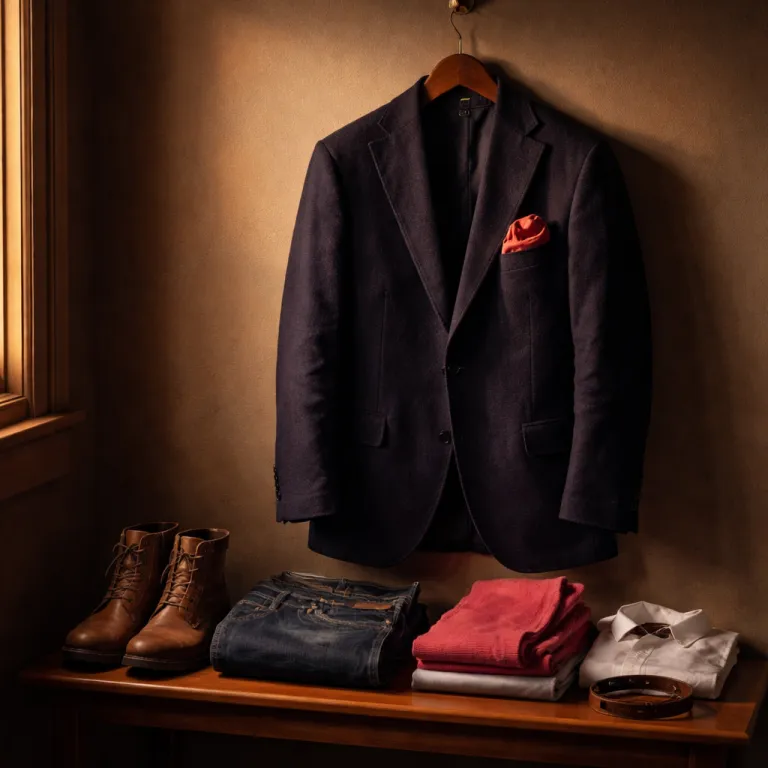
Cost per wear menswear as your real style budget
Cost per wear menswear is the only budget that actually reflects how you live. When you stop fixating on the sticker price and start running a simple calculation of how many times a garment will be worn over its life, you finally see which clothing quietly earns its place and which fast fashion impulse buys just drain cash and closet space. The formula is brutally clear: take the purchase price and divide it by the realistic number of wears you will get from that piece. That cost-per-wear figure tells you more about your style priorities than any trend report.
Think of cost per wear menswear as a personal KPI for every item you buy. Take a 120 USD fast fashion coat that you wear eight times before the fabric pills, the lining rips and the shape collapses: the cost per wear is 120 divided by 8, so you are paying 15 USD each time the coat leaves the hanger, which is a painful result for something that already looks tired. Now compare that with a 600 USD Crombie style overcoat in high quality wool that you wear 400 times over a decade: the price divided by the number of wears is 1.50 USD per outing, which is not elite but already far better value than the cheaper coat.
Once you see those numbers, the myth that higher priced always means wasteful luxury starts to crack. A higher quality item that is longer lasting and worn regularly in real life can easily beat a low quality bargain that lives in your wardrobe as a guilty mistake, because the long term cost per wear on your budget is lower even if the initial price is higher. Under 5 USD per wear is acceptable for most menswear, while under 1 USD per wear is elite territory where quality clothing, sustainability and style finally align.
The trick is to estimate the number of wears you will actually get before you buy. Ask yourself whether this clothing fits your climate, your commute and your existing wardrobe, then be ruthless about whether the piece will realistically see 20, 50 or 200 outings. If your honest answer is that you will wear it only a handful of times, the cost per wear menswear equation will expose that purchase as a fashion fantasy rather than a smart investment.
Cost per wear menswear also forces you to confront quality versus quantity trade offs. You can either buy several low quality garments that each get worn a few times before failing, or you can channel the same budget into one higher quality piece that is longer lasting and keeps its shape, drape and color after heavy use. When you run the cost-per-wear numbers, the second path usually wins, because the price spread over a much larger number of wears drives the cost down while your style goes up.
This is where sustainability stops being a moral lecture and becomes a spreadsheet. Research on consumer behavior from major European retailers has shown that extending the life of a garment by just nine months can reduce its carbon footprint by around 20 to 30 percent, which aligns perfectly with the cost per wear logic that rewards longer lasting clothing. When you buy high quality pieces that you actually wear repeatedly, you are not only lowering your personal cost per wear but also reducing the environmental load of every garment in your closet.
Where the math sings and where it lies to you
The cost per wear menswear formula is simple, but the inputs are not. You control the price and you influence how often an item is worn, yet your own optimism can corrupt the calculation before you even tap your card. The only way to keep cost per wear honest is to base your estimate on past behavior, not on the fantasy version of yourself who will suddenly wear tailoring five nights a week.
Start with categories where the math is brutally reliable, like outerwear, denim and footwear you use almost daily. A navy wool overcoat, a pair of raw denim jeans and a solid pair of Goodyear welted boots in high quality leather can each hit hundreds of wears if you rotate them intelligently and repair instead of replace, which drives the cost per wear down into elite territory over time. In these categories, higher quality and sometimes higher priced pieces usually win because the garments you reach for most often are the ones that justify their cost.
Now look at where cost per wear menswear breaks down, starting with formalwear. A tuxedo or morning coat might be high quality clothing with impeccable style, but if it is worn only three or four times in a decade, the price divided by that tiny number of wears will always look ugly on paper. You still need the item, yet the cost-per-wear logic pushes you toward renting, buying pre loved options or choosing a versatile dark suit that can be worn across weddings, work events and dinners.
Statement pieces are another blind spot where fashion seduces and cost per wear punishes. That neon mohair cardigan or logo heavy bomber might feel thrilling in the store, but if the number of times you can realistically wear it without feeling like a costume is under ten, the cost per wear will spike even if the initial cost is not outrageous. In these cases, fast fashion can sometimes make more sense, because a lower price for a deliberately short lived trend piece keeps the financial impact on your budget contained.
Then there are grails that never leave the closet, the ultimate failure of cost per wear menswear. You save for months, buy a higher priced leather jacket or designer coat, then baby it so much that it is worn only on special occasions and never earns its keep, which makes the cost per wear worse than any cheap jacket you thrash. The fix is psychological as much as financial: if you are going to invest in higher quality clothing, you must commit to wearing it hard, accepting patina, creases and scuffs as part of your style rather than damage.
To keep yourself honest, set a personal rule that if you cannot see at least 20 wears in your head before you buy, you walk away. That simple threshold filters out most impulse purchases and forces you to imagine real outfits, real days and real situations where the piece will be used, not just the fantasy of the fitting room mirror. For grooming and accessories, the same mindset applies, whether you are choosing a versatile beard oil from a curated guide to top beard oils or deciding how many watches you actually rotate in a week. Any product links or brand mentions in this context should be treated as informational examples rather than personalized financial advice.
How to drive your cost per wear down in the real world
Cost per wear menswear only rewards you if you actively engineer more wears. The easiest lever is color and style: buy in neutrals like navy, charcoal, olive and stone, then choose clean lines that sit between classic and contemporary so the clothing will not feel dated after a few seasons. When your wardrobe is built on this kind of quiet backbone, every new piece can plug into multiple outfits, which multiplies the number of times you reach for it without thinking.
Climate is the next variable that quietly wrecks or rescues your cost per wear. A heavy tweed coat might be high quality, but if you live in a mild coastal city and can only wear it a handful of cold days each year, the price divided by those limited outings will never look good, no matter how beautiful the fabric. In that context, a lighter weight technical parka or a mid weight wool bomber you can wear across three seasons will deliver a far lower cost per wear and a better sustainability profile.
Fit is where cost per wear menswear either compounds or collapses. A higher priced jacket that has been properly altered in the shoulders, sleeves and waist will be worn far more than a cheaper off the rack piece that never quite feels right, because comfort and confidence drive actual use. Paying a tailor 30 to 60 USD to refine a garment you wear weekly is one of the highest ROI moves in menswear, especially when you are working with high quality clothing that will last.
Repair is the quiet hero of low cost per wear style. Resoling boots, darning knitwear and reinforcing trouser seats might feel old fashioned, yet every repair extends the time a garment can be worn and pushes the cost per wear down while reducing the environmental impact of your wardrobe. This is where the quality versus quantity debate becomes tangible: a pair of high quality boots that can be resoled three times will outlive and outperform several pairs of low quality fast fashion alternatives that hit the bin after a single season.
Secondhand and pre loved pieces are the cost per wear menswear cheat code. When you buy a used Barbour at 40 percent off retail, the price divided by the remaining number of wears you can get from it drops dramatically, especially because these jackets are engineered to be longer lasting and to look better once they are beaten up. The same logic applies to tailored clothing, where a pre loved navy blazer in quality cloth can be altered to fit and then worn across work, dates and travel for a fraction of the original cost.
Care routines matter as much as purchase decisions. Washing less often, using gentle detergents, steaming instead of ironing and storing knitwear flat instead of on hangers all extend the life of each garment, which directly improves your cost per wear and your sustainability footprint. The same mindset of maintenance over replacement should guide your grooming kit, whether you are investing in a long term retinol routine with a premium retinol serum or choosing razors and tools that can be serviced rather than thrown away.
When to ignore the spreadsheet and dress like a human
Cost per wear menswear is a powerful lens, but it is not a religion. Some clothing exists to mark a moment, not to grind through hundreds of wears, and the cost per wear math will always look bad on those pieces even though their emotional return is high. The key is to know when you are buying for life and when you are buying for a specific story, then to budget accordingly.
Take wedding tailoring as an example. A bespoke dinner jacket in high quality barathea wool might be worn only a few evenings in your entire life, so the price divided by that tiny number of wears will never compete with your everyday navy blazer, yet the memory value can justify the cost if you can afford it. In that case, you accept that the cost per wear is poor and you offset it by keeping the rest of your wardrobe ruthlessly efficient.
Fashion forward pieces sit in a similar grey zone. A directional coat from a runway collection might be higher priced and inherently less versatile, which means the number of times you can wear it before it feels dated is limited, so the cost per wear will be high even if the craftsmanship is excellent. If you are going to play in that space, treat those purchases like art acquisitions rather than wardrobe staples, and keep them to a small percentage of your overall clothing budget.
There are also categories where the effect on your confidence or professional image outweighs the raw numbers. A perfectly cut navy suit, a pair of higher quality oxfords or a leather briefcase that signals authority in a conservative office might not hit elite cost per wear levels, yet the style dividend they pay every time they are worn is hard to quantify. Here, the analysis is more qualitative: you weigh the sustainability and financial cost against the opportunities that sharper presentation can unlock.
Where cost per wear menswear really shines is in the middle of your wardrobe, not at the extremes. Everyday trousers, knitwear, shirts, outerwear and casual shoes are the pieces you wear most often, and this is where quality clothing, thoughtful color choices and good care routines can drive your cost per wear down while raising your overall style. Before your next purchase, run a quick mental calculation of how many times it will realistically be worn, and if you cannot see at least 20 wears, you should probably leave it on the rail.
Use the formula as a filter, not a cage. Let it push you toward high quality, longer lasting pieces, toward pre loved options and away from low quality fast fashion that collapses after a few spins in the machine, but keep space for the occasional irrational buy that genuinely excites you. When you balance the spreadsheet with your instincts, you end up with a wardrobe that works hard on the Monday morning commute, not just on the rare night when you dress like a lookbook.
For outerwear in particular, where the number of times you will wear a jacket is naturally high, it is worth reading a refined guide to the best menswear jackets for modern wardrobes to understand which silhouettes, fabrics and details justify a higher priced investment. That kind of informed analysis helps you align cost per wear, sustainability and personal style so that every jacket, coat or overshirt in your closet earns its space over time. When your rail is full of pieces that clear that bar, the cost per wear math becomes a quiet confirmation rather than a constant negotiation.
Key figures that shape cost per wear menswear decisions
- A 2017 report from the Ellen MacArthur Foundation on the global fashion system estimates that the average number of times a garment is worn before disposal has decreased by around 36 percent compared with earlier decades, which means the cost per wear and environmental impact of modern wardrobes are both rising unless consumers actively extend garment life.
- Research from WRAP in the United Kingdom, published in 2012 under the title “Valuing Our Clothes”, has shown that extending the active life of clothing by just nine months can reduce carbon, water and waste footprints by around 20 to 30 percent, which directly supports the cost per wear menswear principle that longer lasting items worn more often are better for both budget and sustainability.
- Data from the European Environment Agency, including a 2020 briefing on textiles and the environment, indicates that textiles are responsible for a significant share of global greenhouse gas emissions and water use, so every decision to buy fewer low quality fast fashion items and instead invest in high quality or pre loved clothing with a lower cost per wear has a measurable effect on overall resource consumption.
- Consumer surveys from McKinsey & Company, such as the 2019 “State of Fashion” report, have found that more than 60 percent of shoppers admit to buying clothing they later rarely or never wear, which highlights how often the estimated number of wears is over optimistic and why a disciplined cost per wear calculation can prevent wasted spend and crowded closets.
- Industry analyses of secondhand markets, including reports from 2020 and 2021 on the growth of resale platforms, suggest that buying pre loved garments at 30 to 50 percent below original price can cut the effective cost per wear by half or more, especially for higher quality items like outerwear and tailoring that are engineered to be longer lasting and to maintain structure after many wears.