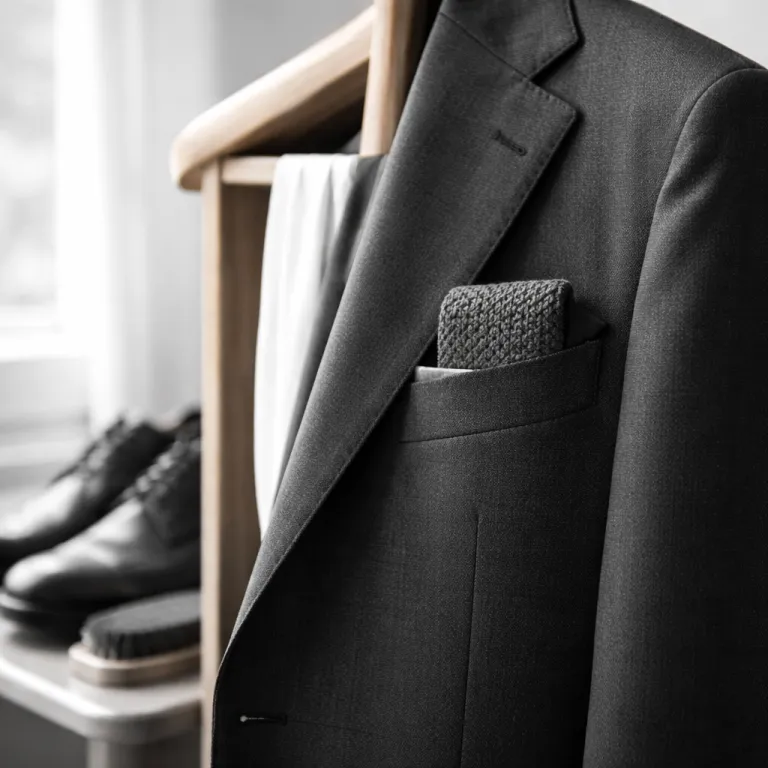

How to dress well as a man: a practical step-by-step guide
TL;DR checklist for dressing well as a man
- Audit your wardrobe and keep only clothes that fit, flatter your body type, and suit your real life.
- Prioritise fit over logos, then use a tailor to fine tune jackets, trousers, and shirts.
- Lock in a small set of foundational menswear pieces before chasing trends.
- Use texture, colour, and layering to add personality without losing versatility.
- Build a visual reference file so you stop impulse buying and start shopping with a plan.
- Adopt a “fewer, better” mindset and think in outfits, not single items.
Step 1 – audit your wardrobe like a stylist, not a hoarder
Learning how to dress well as a man starts in your own dressing room, not in a shop. You open the wardrobe, pull every piece of clothing out, and create three piles on the bed so you can judge what still serves your life and what quietly sabotages your style. Keep only what fits well, feels good on your body type, and supports the outfits you actually wear during a normal week.
Anything stained, torn, or warped goes straight out, because dressing well and aiming for great style is impossible when a stretched collar or shiny seat on your trousers ruins the whole outfit. If a shirt or jacket has not been worn for at least 18 months, you will almost never reach for it again, so donate it and make space for clothes that work hard. This is also the moment to notice patterns in your personal style, like how many white shirts, pairs of jeans, or near identical dress shirt choices you already own, and which colours you clearly avoid.
Lay your remaining pieces on a flat surface and check each fit in a mirror, because most men underestimate how much a slightly too long sleeve or sagging seat kills otherwise good style. Try on every suit, every leather jacket, every pair of jeans, and every dress shirt, and ask whether you feel like a sharper, more confident version of yourself or like you are playing dress up. When you see which outfits make you stand taller and which push you back into your comfort zone, you will understand where to invest when it is shopping time again, and which gaps in your wardrobe matter most.
Step 2 – buy fit first, then fix everything with a tailor
The fastest upgrade in how to dress well as a man comes from chasing fit, not logos or hype. When you buy clothes, you should think like a tailor and imagine how the fabric will sit after a few washes and a full day of wear, not just how it looks in the flattering light of the shop dressing room. A good rule for men who want to dress better is simple, because if the shoulders fit on a jacket or leather jacket, almost everything else can be altered.
Start with your suit, your jeans rotation, and your most worn shirt styles, since these pieces do the most work in your wardrobe. The jacket waist can be shaped, the trousers hemmed to the right break, and the dress shirt darts added so the fabric follows your body type instead of ballooning around it, which is how dressing well quietly signals competence. In many cities, shortening trousers might cost roughly the price of a takeaway meal (often around £10–£20 / $15–$25), while taking in a jacket waist is closer to the cost of a dinner out (commonly £25–£45 / $30–$60), but both changes dramatically improve how you look. Take one outfit to a local alterations tailor, ask for style tips on sleeve length and leg opening, and you will see how a previously average look suddenly feels like a high quality, almost made to measure set.
When you shop for structured pieces like a casual sport coat or a relaxed blazer, remember that shoulder seams should end exactly where your shoulder bone does, because no tailor can fix an oversized shoulder without rebuilding the whole jacket. This is why many tips guys share online about sizing up for comfort can backfire, since you will drown in fabric and lose the clean lines that define great style. If you want a deeper dive into how modern tailoring and contemporary jackets are reshaping men’s wardrobes, study how softer, unstructured sport coats are redefining men’s fashion in current style coverage, then apply those lessons to your own clothes instead of copying full runway looks.
Step 3 – lock in the five foundational pieces before chasing trends
Before you worry about seasonal trends or statement pieces, you need a core uniform that makes dressing well automatic on busy mornings. For most men, that means five specific items that cover work, dates, and weekends without stress, and each one should be chosen with your body type, lifestyle, and local dress code in mind. Once this base is solid, every extra jacket, shirt, or pair of jeans you add will plug into a system instead of becoming another orphan in the wardrobe.
The first piece is a navy or charcoal suit that actually fits, with trousers that skim the top of your shoes and a jacket that hugs your shoulders cleanly. Second, buy five high quality white T shirts in a mid weight cotton around 180 to 200 GSM, because a good white shirt in T shirt form works under a leather jacket, under a suit, or solo with jeans, and you will rotate them hard. Third, invest in two pairs of well fitted jeans, one darker indigo and one mid wash, since a reliable jeans option anchors casual outfits and lets you dress well without thinking.
Fourth, choose one pair of clean leather sneakers in white or off white, with minimal branding and a slim profile that works with both jeans and tailored trousers. Fifth, add one pair of black or dark brown derbies with a simple round toe, because they handle office dress codes, weddings, and smart dinners better than most chunky trainers ever will. If you want to understand how drape and fabric choice change the way these basics move on your frame, look at how fluid, softly tailored clothing is redefining men’s fashion and notice how the cloth falls from the shoulder to the cuff, then aim for that same controlled but easy line in your own outfits.
Step 4 – add texture, colour, and smarter layers once the base works
After the core pieces are in place, you can start playing with texture and colour to express more personal style without losing the clarity of dressing well. A textured overshirt in wool, a suede leather jacket, or a cotton chore jacket from a quality workwear inspired label will sit easily over your white shirt and jeans, giving depth without shouting. Think of these layers as seasoning, because they should enhance the base outfit, not fight it.
For colour, stay close to neutrals at first, using navy, grey, olive, and stone as your main palette, then add one accent like rust, forest green, or burgundy in a knit or casual shirt. This approach keeps your wardrobe modular, so almost every jacket, trousers, and jeans combination works together, which is the secret behind great style that looks effortless. When you buy clothes in bolder shades, limit them to pieces you can remove easily, like a sweater or overshirt, so you can adjust the outfit if a setting demands a stricter dress code.
Texture also helps cheaper clothes look more expensive, because a brushed cotton overshirt, a flannel dress shirt, or a ribbed knit hides minor fabric flaws better than a shiny, thin poplin. If you work in a modern office where knitwear is replacing stiff tailoring, study refined work attire with sweaters for men in modern offices and notice how a simple crew neck over a white shirt can replace a blazer. Over time, this layering game will pull you out of your comfort zone in a controlled way, letting you dress well while still feeling like yourself.
Step 5 – build a reference file and stop chasing every trend
Learning how to dress well as a man is easier when you stop scrolling endlessly and start curating a small, focused reference file. Save photos of outfits that match your body type, skin tone, and lifestyle, then break each look down into components like jacket length, trousers width, and shirt collar shape so you can copy the structure, not the exact clothes. This habit turns vague style tips into a clear shopping list and protects you from impulse buys that never leave the wardrobe.
Use a simple folder on your phone or laptop and organise images by context, such as work, casual, evening, and travel, because dressing well depends heavily on where you are going. When you see patterns, like how often a white shirt, jeans, and leather jacket combination appears, you will know these are your personal style anchors and worth buying in high quality versions. You can also track which outfits you actually wear over a month, then compare them with your saved references to see whether your real life style matches your aspirational moodboard.
Social media can still be useful, but treat it like a catalogue, not a command, because the algorithm does not know your dress code, budget, or climate. Many tips guys shout online ignore the reality that most men repeat the same ten outfits, so your reference file should focus on those repeat scenarios first. When you feel tempted by a loud trend that looked good on someone else years ago, check whether it works with your existing clothes and foundational pieces, and if it does not, you skip it without guilt.
Mindset shifts – fewer, better pieces and smarter shopping habits
The final step in mastering how to dress well as a man is mental, because your mindset around shopping and clothes will either support or sabotage your progress. Aim for fewer but better items, choosing high quality fabrics and solid construction over fast fashion hauls that fall apart after a season, and remember that every new shirt or jacket must earn its place in your wardrobe. When you buy clothes, think in outfits, not single pieces, so each purchase connects with at least three things you already own.
Be wary of buy now pay later schemes that turn a simple shopping time into long term debt, especially when the items are trend driven rather than foundational. Years ago, many men learned the hard way that chasing hype sneakers or logo heavy pieces drained budgets that could have gone into a versatile suit, a durable leather jacket, or a rotation of white shirt and dress shirt options that actually get worn. Dressing well is not about spending the most, but about directing your money into pieces that support your daily life and align with your personal style, from the office dress code to weekend coffee runs.
When you feel the urge for a big haul, pause and perform a quick audit instead, checking which trousers need replacing, which pair of jeans has finally blown out, and which shirts no longer fit your body type. This habit keeps your comfort zone from shrinking into old favourites that no longer look good, while still respecting the reality of your budget and schedule. Over time, these small, consistent decisions will give you a lean, effective wardrobe that lets you dress well on autopilot, not just for special occasions but for the Monday morning commute.
Key figures on men’s style and dressing well
- Surveys from major menswear retailers often report that men regularly wear only a small fraction of the clothes in their wardrobe, which shows how much money is locked in unworn outfits. For example, a widely discussed UK wardrobe study in 2022 reported that the average person wears only around half of the clothing they own in a typical year, illustrating how common it is to neglect large parts of a closet.
- Consumer research from large fashion platforms consistently indicates that fit issues are responsible for a significant share of online returns, underlining why buying for fit first is crucial for dressing well. Public summaries from European online marketplaces in 2021, for instance, highlighted that size and fit problems accounted for roughly half of all fashion returns on some platforms.
- Industry data from European textile associations suggests that extending the life of a garment can noticeably reduce its carbon footprint, which aligns with the mindset of buying fewer, higher quality pieces. Reports from the European Environment Agency have noted that significantly increasing the active life of clothing can cut related emissions by a substantial margin, mainly by reducing production and transport impacts.
- Market analyses of menswear spending show that casual categories like jeans, T shirts, and sneakers now account for the majority of sales, confirming that foundational basics matter more than occasional formal wear for most men. Global apparel reports from firms such as McKinsey and The Business of Fashion have repeatedly noted that casual and athleisure segments outpace formal tailoring in growth and total volume.
Frequently asked questions about how to dress well as a man
How many clothes does a man really need to dress well ?
Most men can dress well with a focused wardrobe of around 30 to 40 pieces, including shirts, trousers, outerwear, and shoes, as long as the colours and fits work together. The key is versatility, so each item should combine with several others to create multiple outfits. A smaller, well curated selection beats an overflowing closet of random, rarely worn clothes.
What is the easiest way for beginners to improve their style ?
The simplest starting point is to fix fit and footwear, because a basic outfit with well tailored jeans, a clean white shirt, and good shoes will always look sharper than trend driven pieces that fit poorly. Visiting a tailor to adjust your most worn trousers and shirts can transform how your existing wardrobe looks. From there, adding one high quality jacket or leather jacket gives structure and instantly upgrades casual combinations.
How should a man choose colours that suit his body type and skin tone ?
Begin with neutral colours like navy, grey, white, and olive, which flatter most body types and are easy to mix, then slowly test richer tones in smaller pieces such as knits or overshirts. Stand in natural light wearing a new colour near your face and check whether your skin looks fresher or duller. If a shade makes your features stand out and pairs easily with your existing trousers and jeans options, it probably deserves a place in your wardrobe.
Is it worth spending more on a suit if I rarely wear one ?
Even if you wear a suit only a few times a year, owning one well fitting, mid range suit in navy or charcoal is worth the investment, because it covers weddings, interviews, and formal events without last minute panic. A cheaper, poorly fitted suit tends to look dated quickly and can undermine your confidence on important days. Spending a bit more on solid fabric and then tailoring the jacket and trousers gives you a reliable option for years.
How can I build personal style without copying influencers ?
Use influencers and style icons as starting points, but focus on the underlying formulas they use, such as the balance between slim and relaxed fits or the way they repeat certain colours. Translate those formulas into outfits that match your own dress code, climate, and daily routine, rather than chasing every new drop. Over time, the pieces you reach for most often will reveal your real personal style, which is more sustainable and authentic than any trend cycle.
Image suggestions and alt text for men’s style
- Image: neatly organised men’s wardrobe after a clear out – alt text: “Organised men’s wardrobe with shirts, jackets, and jeans arranged by colour after a style audit, showing a streamlined capsule closet”.
- Image: tailor pinning the sleeve of a navy blazer – alt text: “Tailor adjusting the sleeve length of a man’s navy blazer for a better fit, demonstrating how alterations improve men’s style”.
- Image: flat lay of foundational menswear pieces – alt text: “Flat lay of men’s style essentials including a navy suit, white T shirts, jeans, sneakers, and leather shoes arranged as a capsule wardrobe”.