What business casual men really means now
Business-casual for men today means tailored but relaxed, not sloppy. A modern men’s business casual wardrobe keeps structure in the blazer or sport coat while letting breathable fabrics like cotton, linen, and blended weaves soften the overall outfit for real comfort. You are aiming for smart casual energy that works for both client lunches and late train rides home.
Think of business as the frame and casual as the filter that keeps things human. A navy unstructured blazer over a white cotton shirt and mid-blue chinos is still more professional than any logo hoodie, yet this kind of outfit lets you move easily between meetings, cafés, and the occasional bar. The best outfits men wear on repeat usually mix a slim or tailored silhouette on top with slightly more relaxed trousers, which keeps the line clean without feeling like a full suit every day.
Hybrid work changed the rules for business casual because the camera crops you at the chest. Your top half now does most of the talking, so a crisp blue oxford shirt or subtle striped dress shirt matters more than the sneakers under your desk. When you treat men’s business casual as a system built around a few strong shirts, one great linen blazer, and two versatile pairs of trousers, you stop panic buying random casual shirts that never quite work together.

Modern business casual for men: soft-shouldered blazer, clean shirt, and tapered chinos.
The three tiers of business casual men style
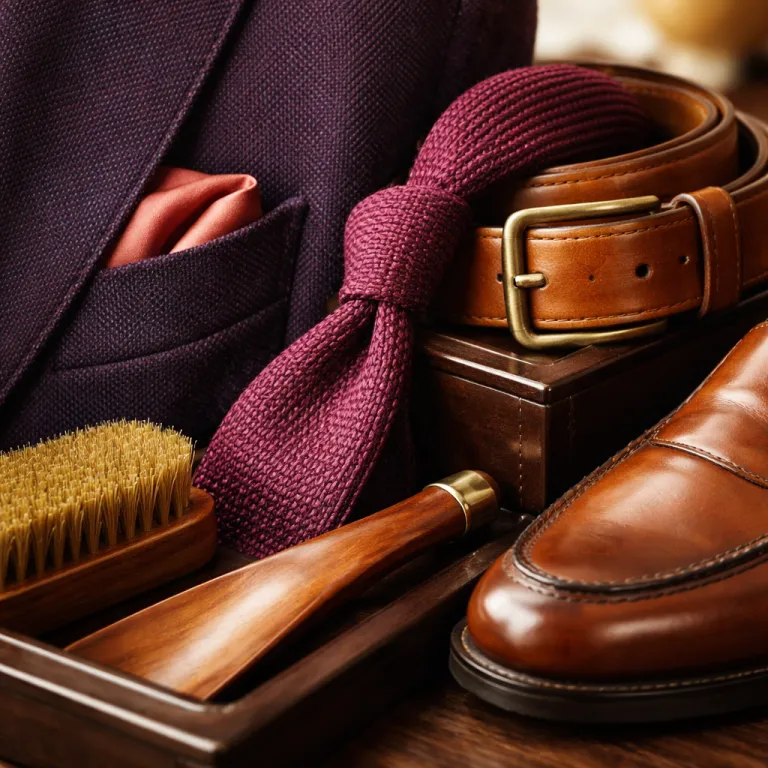
For client-facing days, start with an unstructured blazer, a proper oxford shirt, and wool trousers. This tier of business casual dressing still respects the formality of a suit without demanding a tie, especially when you choose a navy sport coat in a breathable wool-stretch blend and pair it with beige flannel or cotton twill. Add a leather belt, a simple pocket square, and dark derbies, and you are in semi-formal territory that feels sharp but not stiff.
- Fit cues: shoulder seams should sit at the edge of your shoulders, jacket sleeves should show 0.5–1 cm of shirt cuff, and trousers should have a slight break on the shoe.
- Color cues: navy or charcoal jackets with light blue or white shirts and mid-grey or beige trousers read polished without looking like a full suit.
Standard office days are where smart casual really earns its keep. Rotate a knit polo shirt, a button-down cotton shirt, and a couple of casual shirts in white, blue, and soft beige, then anchor them with chinos or lightweight wool trousers for men who move a lot between desks and meeting rooms. Loafers or clean leather sneakers keep the outfit relaxed enough for after-work drinks while still reading as office-appropriate when you stand up in a meeting.
- Choose polos with a firm collar that sits neatly under a jacket.
- Opt for chinos with a gentle taper from knee to ankle so they skim, not cling.
Hybrid and Zoom-heavy days are more forgiving, but they still count. A well-pressed blue oxford or a textured cotton-linen shirt on camera beats any graphic tee, and a mid-blue denim under the desk is fine as long as the upper half looks intentional. If you want a bolder option for a virtual presentation, a subtle gold-toned dress shirt styled the way detailed in this guide to styling a men’s gold dress shirt can sit under a navy blazer and still feel business casual rather than nightclub.
Fabrics, colors and fit that signal authority
Fabrics do as much talking as your tailoring in men’s business casual outfits. Worsted wool, cotton twill, oxford cloth, and linen-wool blends read professional on camera and in person, while pure linen or heavy flannel can look either too beachy or too winter-formal if you misjudge the context. When you choose cotton-linen blends for a blazer or sport coat, you get the drape of wool with the breathability of linen, which is ideal for men commuting in crowded trains.
Color is your second language in the office, and it needs discipline. Navy, grey, cream, and olive form a reliable base for outfits men can repeat weekly without anyone clocking the repetition, while black suits usually feel too formal or funereal for smart casual environments. A mid-blue blazer in a subtle herringbone, paired with beige linen trousers and a white oxford shirt, hits that semi-formal note that works for both a wedding rehearsal and a quarterly review.
Fit is where most guys lose the plot, especially around the waist. A slim-fit shirt that pulls across the buttons or a full suit that collapses at the shoulders will always look less professional than a slightly looser cut that skims the body cleanly. If you carry more weight around the stomach, a tailored trouser with a higher rise and a gentle taper, like the options broken down in this dress pants style guide for men with a bigger stomach, will sit better under a blazer and keep your business casual silhouette balanced.
- Shirt seams should meet at the top of your shoulder bone without pulling.
- Waistbands should sit comfortably at or just above your hip bones without digging in.
Key pieces for a modern business casual rotation
Start with shirts because they touch your skin and the camera sees them first. Two white dress shirts in breathable cotton, two blue oxford shirts, and one striped option cover most men’s business casual scenarios, from Monday stand-ups to semi-formal dinners. Add one linen-cotton shirt in beige or light blue for warmer days, and one darker casual shirt for evenings when the office bleeds into a bar.
- Look for 100% cotton or cotton-rich blends around 80–120 gsm for comfort.
- Ensure you can comfortably fit two fingers between your neck and the collar.
Next, build your jacket options with intent rather than impulse. One navy blazer in a wool-stretch blend, one beige linen blazer for summer, and one textured sport coat in mid-blue or grey will carry most men through a full suit–free week without feeling repetitive. If you occasionally need more formality, a double-breasted navy jacket can be worn as part of a full suit for weddings or big presentations, then split as a separate with cotton chinos for everyday business casual outfits.
Trousers and knitwear round out the system for men who want fewer but better pieces. Aim for one pair of mid-grey wool trousers, one pair of beige chinos, one pair of dark blue jeans with minimal fading, and one pair of beige linen trousers for heat waves, then layer in a fine-gauge navy crewneck or a merino polo shirt for colder offices. When you keep the palette tight and the fabrics consistent, you can assemble outfits men admire in under two minutes, which is the real luxury on a busy morning.
Five non negotiable rules for business casual men
Logos, running shoes, graphic tees, athleisure joggers, and bad fit are the five things that instantly kill business casual credibility. A plain white cotton shirt with a clean collar and no chest branding will always look more expensive than a loud logo polo shirt, even if the price tags say otherwise. The same logic applies to footwear, where a simple leather sneaker or loafer beats any high-tech running shoe in a business context.
- Keep visible branding small and subtle, ideally tone-on-tone.
- Choose jogger-style trousers only if they have a tailored cut and woven fabric.
Hybrid work made it tempting to treat the office like a living room, but the camera is less forgiving than a colleague. A stretched-out hoodie or a sagging T-shirt reads as careless on screen, while a crisp blue oxford or a slim-fit knit polo signals that you respect the meeting even if you are dialing in from your kitchen. Keep joggers and gym shorts for actual workouts, and use stretch fabrics in your chinos or wool trousers instead, so casual outfits stay comfortable without looking like loungewear.
Accessories should whisper, not shout, in men’s business casual wardrobes. A simple leather-strap watch, a white linen pocket square, and maybe a subtle metal bracelet are enough to finish most outfits men wear to the office, while loud chains or oversized rings pull focus away from your face. If you wear glasses, choosing refined frames like the ones reviewed in this guide to top optical frames for men can do more for your perceived authority than any extra logo on your shirt.
How to build a sub 600 USD business casual wardrobe
Building a credible men’s business casual rotation under 600 USD is realistic if you prioritize fabric and fit over brand hype. Allocate roughly 200 USD to shirts, 200 USD to trousers, 150 USD to a versatile blazer, and 50 USD to a belt plus a pocket square, then add pieces slowly as your budget allows. This approach gives you a functional base of dress shirts, chinos, and one good jacket instead of a pile of random sale items.
For shirts, aim for three cotton options and one linen-cotton or cotton-linen blend. Two white or light blue business-ready shirts and two more relaxed casual shirts in blue or beige will cover both smart casual Fridays and semi-formal dinners without needing a full suit. Look for non-iron or easy-iron finishes if you travel a lot, but remember that even the best iron-free claims still benefit from a quick steam to keep the collar sharp.
- Expect to spend around 40–60 USD per shirt at mid-range retailers.
- Prioritize shirts with reinforced collars and durable stitching at stress points.
On the tailoring side, a single navy blazer in a wool-stretch blend can act as your sport coat, your semi-formal jacket, and your emergency wedding layer. Pair it with mid-blue jeans for casual outfits, with beige chinos for standard office days, and with grey wool trousers when you need to edge closer to formal without committing to a full suit. Over time, you can add a beige linen blazer for summer and a double-breasted option for bigger moments, but the first 600 USD should go into pieces you can wear three times a week, not just for special occasions.
Key statistics on business casual men and hybrid work
- Research from consulting firms such as McKinsey & Company and Boston Consulting Group has reported that a significant share of office-based employees now work in some form of hybrid model, which has pushed many companies to relax strict formal dress codes in favor of smart casual guidelines.
- Industry sales data summarized by organizations like Statista and the NPD Group indicate that purchases of traditional tailored clothing dropped sharply during the early hybrid shift, while sales of casual shirts and knitwear increased, reflecting the move away from daily full-suit dressing.
- Reports from textile and lifestyle organizations, including the International Labour Organization and various apparel trade associations, consistently show that a clear majority of men now rank comfort as their top priority in work clothing, which helps explain the rise of stretch fabrics and cotton-linen blends in business casual collections.
- Polling by workplace research firms such as Gallup and PwC has found that a substantial minority of managers still believe employees dress too casually for the office, highlighting the gap between relaxed dress codes and the need for polished business-casual outfits for men.
- Psychology research on “enclothed cognition,” including studies published in journals like the Journal of Experimental Social Psychology, suggests that wearing more formal or structured clothing can support abstract thinking and confidence, implying that a well-cut blazer or sport coat in a business casual context may positively influence how you perform in meetings.
FAQ about business casual men style
Can I wear jeans in a business casual men office ?
Jeans can work in a business casual environment if they are dark, clean, and slim but not skinny. Avoid heavy distressing, rips, or loud washes, and pair them with a structured blazer or sport coat plus a proper shirt rather than a graphic tee. Mid-blue or dark indigo denim with leather sneakers or loafers usually hits the right smart casual balance.
Is a polo shirt acceptable for business casual men outfits ?
A high-quality knit polo shirt in cotton or merino is absolutely acceptable in many men’s business casual offices. Choose solid colors like navy, grey, or cream, avoid big logos, and make sure the collar sits cleanly under a blazer. Pairing a polo with chinos and loafers creates a relaxed but still professional outfit for standard office days.
Do I still need a full suit if my office is business casual ?
Owning at least one full suit is still wise, even in a business casual workplace. You will need it for weddings, funerals, important client pitches, or any semi-formal event where a blazer and jeans would feel underdressed. A navy or mid-grey wool suit can be broken into separates for everyday wear, which makes it more versatile than a very formal black suit.
How many shirts do I need for a weekly business casual rotation ?
For a five-day workweek, aim for at least five shirts so you can go a full week without urgent laundry. A mix of three more formal dress shirts in white or light blue and two casual shirts in patterns or textured fabrics will cover most scenarios. Adding one linen-cotton or cotton-linen shirt for warmer days gives you extra flexibility without a big cost increase.
What shoes work best with business casual men outfits ?
The most versatile shoes for business casual are leather loafers, derby shoes, and minimal leather sneakers. Brown or dark tan works well with navy, grey, and beige trousers, while black is better reserved for more formal contexts or very dark outfits. Avoid running shoes and bulky trainers, which pull the look back into pure casual and undercut the tailored elements of your outfit.