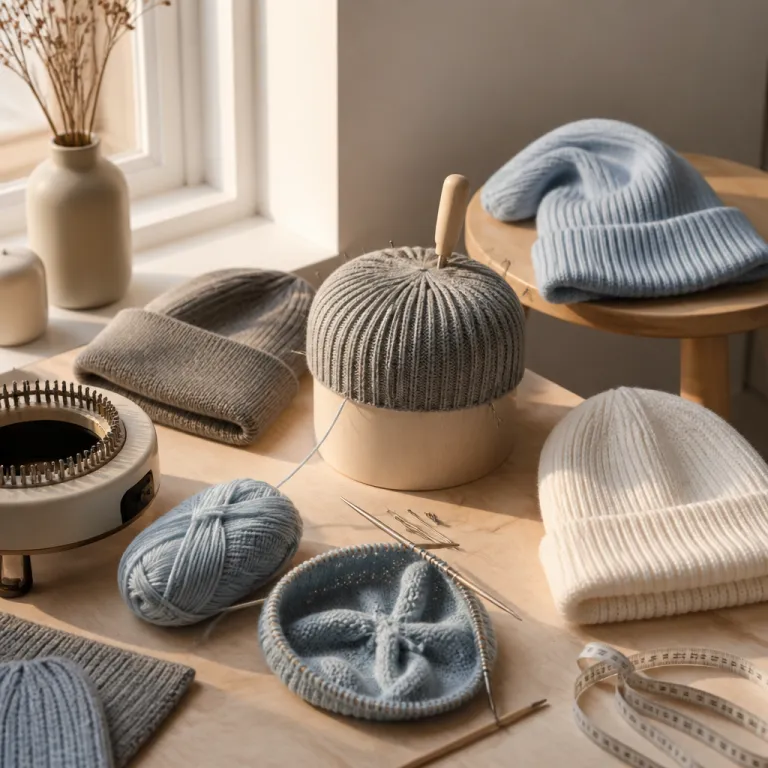
Understanding the main types of beanies for modern casual style
Every stylish man eventually realises that different types of beanies completely change the mood of an outfit. A single beanie can frame the head, balance proportions, and shift a look from sharp streetwear to relaxed café elegance in one precise move. When you understand how various beanie styles, materials, and designs behave, you start treating hats and caps as serious tools rather than last minute afterthoughts.
At the core of men’s casual wear, the classic knit beanie remains the reference point for most types of beanies. This beanie classic usually sits close to the head, uses wool or acrylic yarn, and focuses on reliable warmth with minimal bulk for clean everyday wear. You will find these knitted beanies in black, navy, and grey first, because these colours integrate easily with existing caps, jackets, and sneakers without visual noise.
From there, the universe of beanie style expands into more directional types hats that speak to different fashion identities. A fisherman beanie, for example, sits higher on the head with a pronounced cuff, giving a sharper line that works well with tailored overcoats and structured sneakers. By contrast, a slouchy beanie drops extra fabric at the back, softening the silhouette and pairing naturally with relaxed denim, tie dye hoodies, and chunky knit sweaters.
Material choices define both comfort and aesthetics across all these beanie styles. Wool beanies and wool blend hats deliver superior warmth in cold weather, while cotton beanies and organic cotton options breathe better for transitional seasons and indoor wear. Acrylic yarns, often used in affordable custom beanies, offer light weight and strong colour saturation, which is ideal when you want a bold black, a saturated tie dye pattern, or a precise rib knit texture.
Texture is another decisive factor when comparing different types beanies for a fashion forward wardrobe. A smooth rib beanie with fine rib knit construction feels refined and urban, especially when worn in a deep black with a narrow cuff that hugs the head. A chunky knit beanie with cable knit panels, on the other hand, introduces volume and visual interest, which can balance broader shoulders, heavy outerwear, and substantial leather boots.
For men who care about detail, the design of the cuffed beanie becomes a subtle signature. A low cuffed beanie that just covers the ears reads understated and practical, while a higher cuff exposes more head and emphasises facial structure and jawline. Skull cap silhouettes, which are essentially very short beanies without excess fabric, work particularly well for men who like clean lines, sharp fades, and minimal accessories.
Quick comparison of core men’s beanie styles
| Style | Fit & height | Best for |
|---|---|---|
| Beanie classic | Close fit, mid height, covers ears | Everyday city wear, most face shapes |
| Fisherman beanie | Shorter length, high cuff | Sharp, tailored outfits and strong jawlines |
| Slouchy beanie | Relaxed fit, extra fabric at back | Casual weekends, softer features |
| Skull cap | Very short, no excess fabric | Minimalist looks, under helmets or hoods |
Matching beanie styles with face shape, head proportions, and outfits
Choosing between different types of beanies starts with understanding your head shape and facial structure. A high top beanie that adds vertical volume can visually lengthen a round face, while a closer knitted beanie with minimal height flatters longer, narrower heads. When you align beanie style with your natural proportions, every hat and cap in your rotation suddenly feels intentional rather than random.
Men with angular jawlines often look strong in a fisherman beanie or skull cap because these hats sit higher on the head and expose more structure. The compact design of these caps pairs well with tailored coats, leather jackets, and even refined sneakers like the premium leather model reviewed in this detailed sneaker test. When you keep the beanie classic in black wool or dense cotton, you allow the rest of the outfit to carry the statement while the hat quietly frames the face.
If your features are softer, a slouchy beanie or slightly oversized cuffed beanie can introduce welcome ease. The extra fabric at the back of a slouchy beanie softens the head line, especially when combined with a rib knit texture or chunky knit pattern. Pair these beanies with relaxed denim, tie dye sweatshirts, and casual caps or bucket hats for a coherent off duty style that still feels curated.
Outfit context matters as much as anatomy when selecting between types hats for casual wear. A refined cotton beanie or organic cotton knit beanie works seamlessly with minimalist streetwear, technical outerwear, and clean sneakers, especially in monochrome black or deep navy. For more rugged looks built around flannel shirts, heavy boots, and waxed jackets, a wool beanie with cable knit or rib knit construction delivers both warmth and visual weight.
Do not overlook how beanies interact with other hats and caps in your wardrobe. On days when you alternate between a beanie and a cap, choose a neutral beanie style that complements your favourite baseball cap or the bucket hats highlighted in this expert bucket hat selection. Keeping a consistent colour story across beanies, caps, and other hats ensures that every headwear change feels deliberate rather than improvised.
Finally, think about the environments where you actually wear these beanies. For commuting and office adjacent settings, a slim knitted beanie in black wool or cotton with a discreet rib design reads polished and grown up. For weekend city walks or cold weather outdoor events, a thicker chunky knit pom beanie or cuffed beanie prioritises warmth while still allowing you to play with colour, pattern, and texture.
Materials, construction, and warmth performance in cold weather
When temperatures drop, the technical side of different types of beanies becomes impossible to ignore. The head can lose a noticeable amount of body heat, so the right beanie or skull cap can transform your comfort level during long winter commutes. Fashion focused men should evaluate each knit beanie not only for style but also for fibre content, knit density, and lining.
Wool remains the benchmark material for warmth in cold weather beanies and hats. Merino wool in particular offers excellent insulation, natural odour resistance, and a soft hand feel that works well for daily wear against the head. A premium wool beanie, like the dark navy model reviewed in this cashmere beanie test, shows how fine fibres can deliver both luxury and performance.
Cotton beanies and organic cotton options play a different role in a man’s wardrobe. A cotton beanie breathes better than dense wool, making it ideal for milder cold weather, indoor wear, or high activity days when overheating is a risk. Many men keep both wool and cotton beanies in rotation, using the former for deep winter and the latter for shoulder seasons or layered under hoods and caps.
Acrylic yarns appear frequently in affordable beanies, custom beanies, and tie dye styles because they hold colour well and dry quickly. While acrylic does not match wool for pure warmth, a dense rib knit or chunky knit construction can compensate by trapping more air around the head. For men sensitive to wool, an acrylic knitted beanie with a soft lining offers a practical compromise between comfort, warmth, and budget.
Construction details such as rib patterns, cable knit panels, and lining materials significantly influence performance. A double layer cuffed beanie with tight rib knit around the ears blocks wind more effectively than a single layer slouchy beanie with a loose weave. Cable knit designs add texture and thickness, which can be beneficial in very cold weather, especially when combined with a fleece or jersey lining inside the hat.
Pom beanies and high top silhouettes introduce extra volume, but they must still secure warmth where it matters most. Look for pom beanie designs where the main body of the hat hugs the head firmly while the pom remains purely decorative. Whether you choose a beanie classic in black wool, a fisherman beanie in organic cotton, or a custom beanie with tie dye acrylic yarn, prioritise how the knit, lining, and cuff interact to protect your ears and forehead.
From beanie classic to fisherman beanie: decoding key silhouettes
Silhouette is the language that separates different types of beanies in a serious menswear wardrobe. The beanie classic sits at mid height on the head, covers the ears, and uses a moderate cuff or none at all for a balanced profile. This timeless beanie style works with almost any casual outfit, from denim and leather jackets to technical parkas and minimalist sneakers.
The fisherman beanie, inspired by traditional workwear, has become a favourite among fashion conscious men. It typically features a pronounced cuff, shorter overall length, and a fit that exposes part of the ear or sits just above it. This design sharpens the line around the head and pairs beautifully with structured coats, cropped jackets, and tailored trousers for a modern urban look.
Slouchy beanies occupy the opposite end of the spectrum, offering relaxed volume and a softer silhouette. These hats extend beyond the back of the head, allowing fabric to drape or fold casually, which introduces movement and ease. Slouchy beanies work best with casual styles such as oversized hoodies, tie dye sweatshirts, and chunky knit cardigans, especially when the knit is lightweight enough to fall naturally.
High top beanies and skull caps cater to men who like precise, graphic lines around the head. A high top beanie adds vertical space, which can balance broader shoulders or heavy outerwear, while a skull cap hugs the head closely without excess fabric. Both styles benefit from clean rib knit or smooth knit construction, often in black or other dark colours, to emphasise the architectural quality of the design.
Cuffed beanies deserve special attention because the cuff itself becomes a design element. A wide cuff in rib knit adds structure and visual weight, making the hat feel more substantial and framing the face clearly. Narrow cuffs or double cuffs, by contrast, create a subtler effect and can be adjusted to fine tune how much of the ear and forehead remain exposed.
Pom beanies introduce a playful note while still serving serious warmth needs in cold weather. The pom can be tonal for a refined effect or contrast coloured to echo other accents in your outfit, such as tie dye patterns or coloured laces on your caps and sneakers. When you treat each silhouette, from beanie classic to fisherman beanie and slouchy beanie, as a distinct tool, you can build a headwear rotation that supports every style scenario in your week.
Colour, texture, and design details that elevate men’s beanies
Colour strategy separates a random pile of beanies from a curated headwear wardrobe. Black remains the most versatile choice for a knit beanie or skull cap because it anchors almost any outfit and flatters most skin tones. Once you own a reliable black beanie classic, you can expand into charcoal, navy, earthy browns, and controlled tie dye effects that echo your favourite jackets and caps.
Texture is equally powerful when you compare different types of beanies for style impact. A fine rib knit cotton beanie reads sleek and modern, especially when worn with minimalist outerwear and clean sneakers. A chunky knit wool beanie with cable knit panels, by contrast, adds depth and tactility that work beautifully with rugged boots, heavy coats, and textured scarves.
Design details such as cuffs, seams, and labels influence how refined or casual a hat appears. A discreet logo on a cuffed beanie can feel premium, while oversized branding risks clashing with tailored pieces and elegant coats. For men who value subtlety, custom beanies with tone on tone embroidery or minimal patches offer personalisation without overwhelming the overall style.
Pattern also plays a role, especially in casual wear where beanies often replace other hats and caps as focal points. Tie dye beanies, striped rib knit designs, and colour blocked cotton beanies can inject energy into otherwise neutral outfits. The key is to repeat at least one colour from the beanie elsewhere in your look, whether on sneakers, a scarf, or the brim of a cap, to maintain cohesion.
Functional details should never be ignored when evaluating beanie design. Double layer construction around the ears, soft organic cotton linings, and carefully finished seams all contribute to comfort during long wear. A well designed beanie that sits correctly on the head, maintains its shape, and delivers reliable warmth will naturally see more use than a visually striking but uncomfortable hat.
Finally, think about how your beanies interact with other accessories in your wardrobe. A sleek black skull cap or fisherman beanie pairs effortlessly with metal framed sunglasses and leather gloves, while a playful pom beanie or slouchy beanie works better with casual backpacks and relaxed outerwear. By treating colour, texture, and design details as part of a broader style system, you ensure that every beanie supports your overall aesthetic rather than competing with it.
Building a versatile beanie rotation for every season and setting
A serious menswear wardrobe benefits from a deliberate rotation of different types of beanies rather than a single all purpose hat. Start with a beanie classic in black wool or dense cotton, which covers most urban and office adjacent situations with quiet confidence. Add a second knitted beanie in organic cotton or a cotton blend for milder days, indoor wear, and travel when breathability matters more than maximum warmth.
Next, introduce a fisherman beanie or skull cap for sharper, more architectural outfits. These hats work especially well with tailored coats, cropped jackets, and structured sneakers, giving your head a clean outline that complements strong shoulders. Choose a rib knit or fine knit beanie in a neutral tone first, then experiment with deeper colours once you understand how the silhouette interacts with your features.
For weekends and relaxed evenings, a slouchy beanie or chunky knit pom beanie adds welcome ease. These styles pair naturally with hoodies, tie dye sweatshirts, and casual outerwear, especially when the knit is soft and the hat sits comfortably on the head for long wear. A cuffed beanie with a generous fold can bridge the gap between polished and relaxed, depending on how you style the rest of your outfit.
Cold weather demands at least one high performance wool beanie or lined acrylic hat in your collection. Look for dense cable knit or double layer rib knit construction that traps air and shields the ears from wind, especially if you spend time outdoors. Men who commute by bike or scooter often favour skull caps or slim beanies that fit easily under helmets and other caps without bulk.
Custom beanies offer an opportunity to express personal identity while maintaining a refined aesthetic. Opt for subtle design choices such as tone on tone embroidery, minimal logos, or carefully placed patches rather than loud graphics that limit versatility. When your custom beanie still functions as a neutral accessory, you can wear it across more outfits and settings without visual fatigue.
Over time, your rotation might include several types beanies across materials, colours, and silhouettes. A black beanie classic, a navy fisherman beanie, a grey cotton beanie, a tie dye slouchy beanie, and a chunky knit pom beanie already cover most scenarios from office to mountain weekend. The goal is not quantity for its own sake but a coherent set of hats and caps that support your lifestyle, climate, and personal style narrative.
Care, maintenance, and longevity for premium men’s beanies
Maintaining the shape and texture of different types of beanies is essential if you invest in quality pieces. Wool and cashmere beanies require gentle hand washing in cool water with specialised detergent, followed by flat drying to preserve the knit. Avoid hanging wet hats by the cuff, because this can stretch the fibres and distort how the beanie sits on the head.
Cotton beanies and organic cotton hats tolerate slightly more robust care, but they still benefit from air drying rather than high heat. Machine washing on a delicate cycle inside a mesh bag helps protect rib knit and cable knit structures from abrasion. Acrylic beanies, including many custom beanies and tie dye styles, are generally more forgiving but can still pill if exposed to rough surfaces or over washing.
Storage habits also influence the longevity of your beanie rotation. Fold beanies gently and store them flat in drawers or on shelves rather than stuffing them into caps or jacket pockets, which can deform the crown. For skull caps, fisherman beanies, and high top silhouettes, preserving the original shape ensures that the hat continues to complement your head proportions and overall style.
Managing pilling and surface wear keeps beanies looking refined season after season. Use a fabric shaver or cashmere comb lightly on wool and cotton beanies to remove pills without damaging the knit. Focus on high friction areas such as the back of the head and the cuff, where contact with collars, scarves, and hoods is most frequent.
Rotating between several types beanies reduces stress on any single hat and extends overall lifespan. Wearing the same black beanie classic every day accelerates wear at the rib and crown, while alternating with a cotton beanie, a fisherman beanie, or a slouchy beanie spreads the load. This approach also keeps your style fresh, allowing you to adjust beanie style to mood, outfit, and weather without sacrificing warmth.
Finally, treat premium beanies with the same respect you give to quality shoes or tailored coats. Regularly check seams, labels, and cuffs for early signs of wear, and address issues before they become visible damage. When you care for your knit beanie collection thoughtfully, each hat remains a reliable, elegant component of your casual wear wardrobe rather than a disposable accessory.
Key figures and data about men’s beanies and cold weather wear
- Industry bodies for wool and natural fibres note that fine wool, including merino, can manage moisture effectively while still feeling comfortable, which helps explain why wool beanies remain pleasant to wear during long cold weather commutes.
- Market research firms tracking the global headwear category report that the beanie and winter hat segment represents a meaningful share of overall sales, with steady growth driven by urban streetwear trends and increased interest in functional cold weather accessories.
- Dermatology associations highlight that breathable materials such as cotton and organic cotton are often recommended for sensitive skin, supporting the use of cotton beanies for men who experience scalp irritation with non breathable synthetics.
- Outdoor participation surveys consistently show that multi purpose accessories like knit beanies rank among the most frequently used winter items, often worn for both daily commuting and outdoor recreation in the same season.
FAQ about types of beanies for men
Which beanie style suits most face shapes ?
A beanie classic with medium height and a modest cuff suits most face shapes because it neither adds excessive volume nor cuts the head too short. Choose a fine rib knit in a neutral colour like black, navy, or charcoal for maximum versatility. If you are unsure, avoid extreme slouchy beanies or very high top styles until you understand how they affect your proportions.
What material is best for cold weather warmth ?
For serious cold weather, wool and wool blend beanies outperform cotton and most acrylic options because wool traps more air and insulates even when slightly damp. Merino wool and cashmere offer the best balance of warmth, softness, and breathability for daily wear. Acrylic can still work in cold conditions if the knit is dense and the hat includes a lining, but it will not match premium wool for pure thermal performance.
How many beanies should a stylish man own ?
A focused wardrobe usually functions well with three to five beanies covering different roles. Aim for one black beanie classic, one wool beanie for deep winter, one cotton or organic cotton beanie for milder days, and one more expressive style such as a fisherman beanie or slouchy beanie. Beyond that, add specific silhouettes or colours only when they clearly complement existing outfits.
Can you wear a beanie with formal or tailored clothing ?
Yes, but the beanie must be carefully chosen to respect the formality of the outfit. A slim knitted beanie or skull cap in fine wool, with minimal branding and a clean rib knit, can work with tailored coats and structured trousers in very cold weather. Avoid oversized pom beanies, loud tie dye patterns, or chunky knit styles when pairing with suiting, because they visually clash with sharp tailoring.
How do I stop my beanie from stretching out ?
To prevent stretching, avoid pulling the beanie far below the ears or over frequent tugging at the cuff. Wash wool and cotton beanies gently by hand, reshape them while damp, and always dry them flat rather than hanging. Rotating between several types of beanies also reduces stress on any single hat, helping each one maintain its original fit longer.