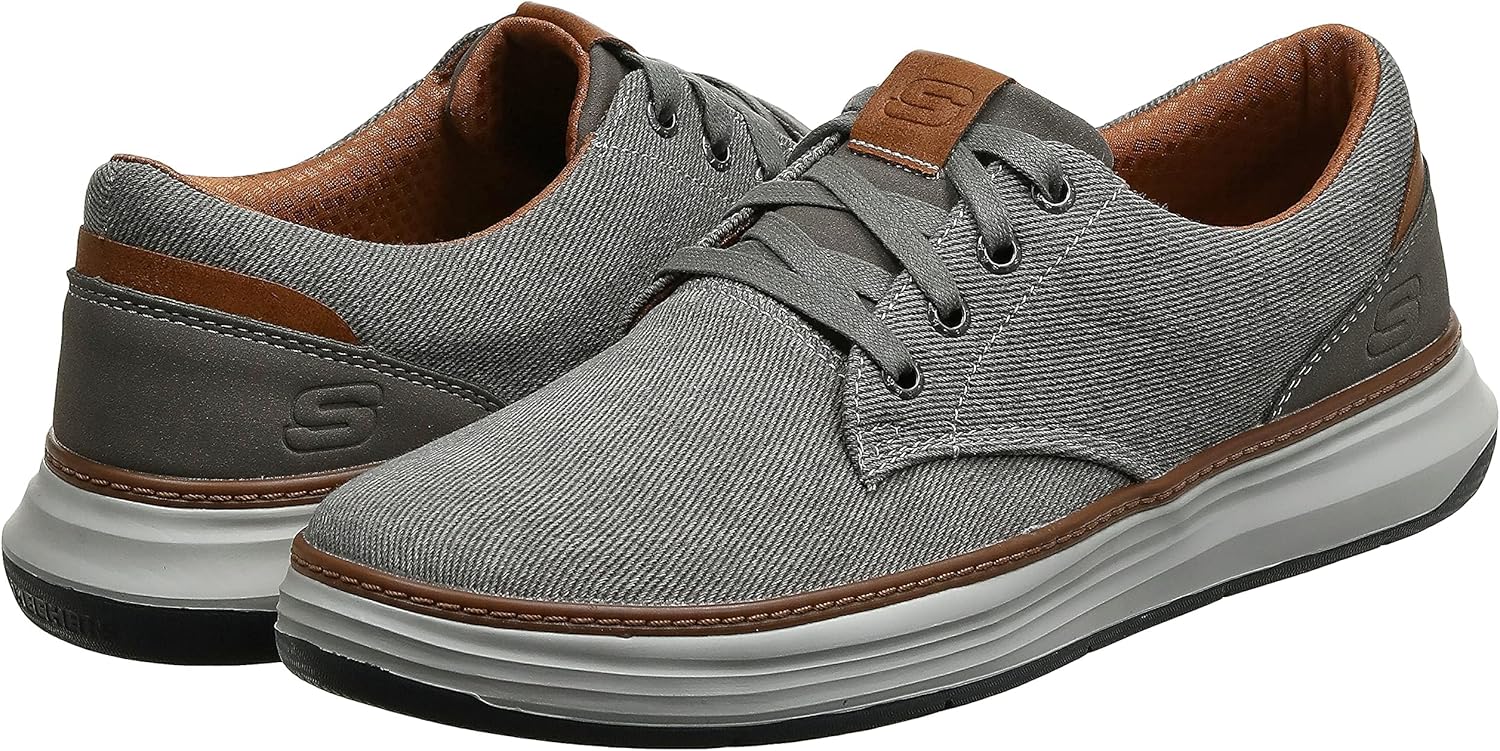
Key materials, colors, and soles that define modern deck shoes
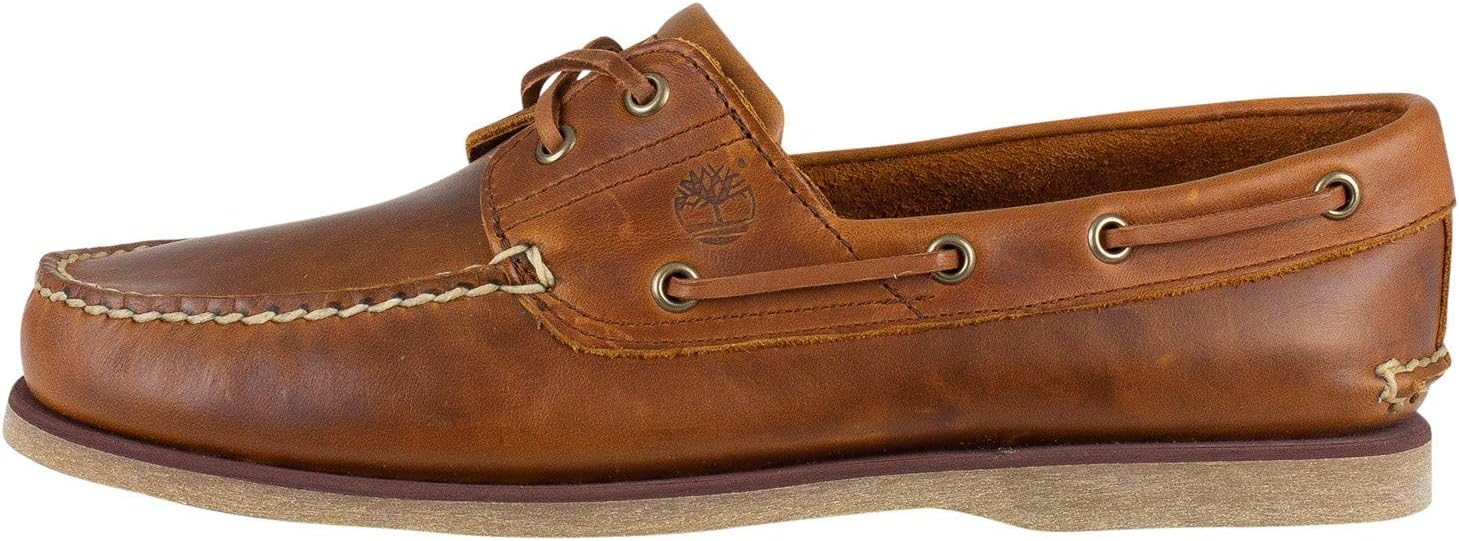
Material choice separates average boat shoes from the best boat shoes that serious men actually wear. Full grain leather ages with a rich patina, while cheaper coated leather cracks quickly and loses its shape. When you run a quick hand over the upper of a leather boat shoe, you should feel density, not stiffness.
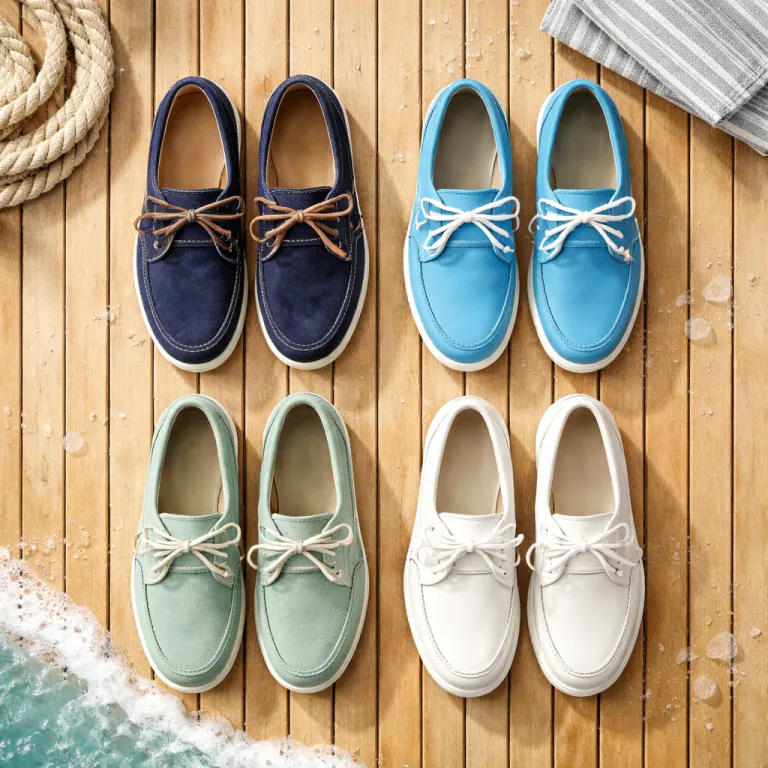
Color strategy deserves as much attention as material, especially when you build a rotation of deck shoes for different outfits. Classic dark brown and mid brown tones remain the most forgiving options, but blue and grey pairs add a subtle twist that still reads as masculine and refined. A black leather boat shoe can look sharp with monochrome outfits, while a black grey combination works well with technical outerwear and minimalist streetwear.
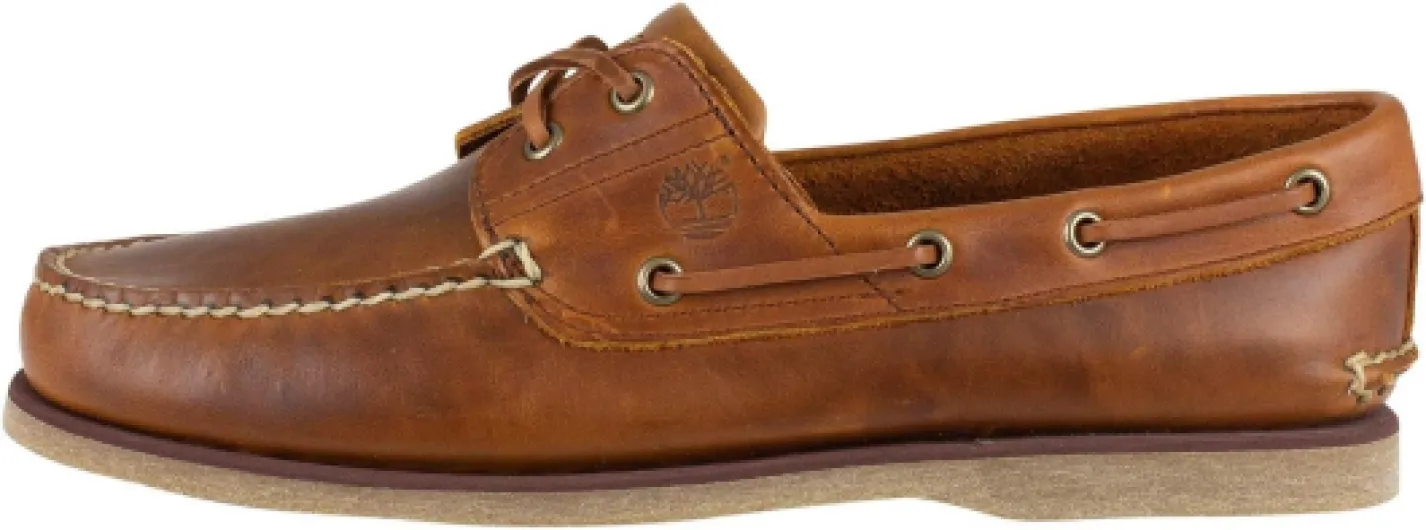
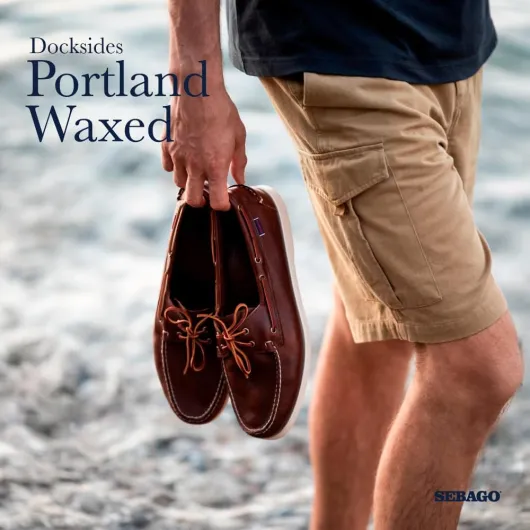
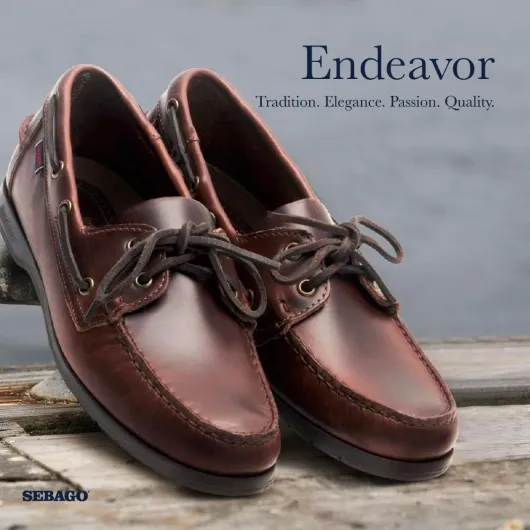
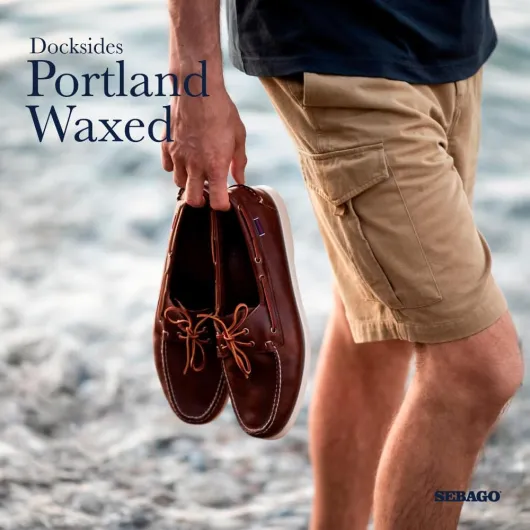
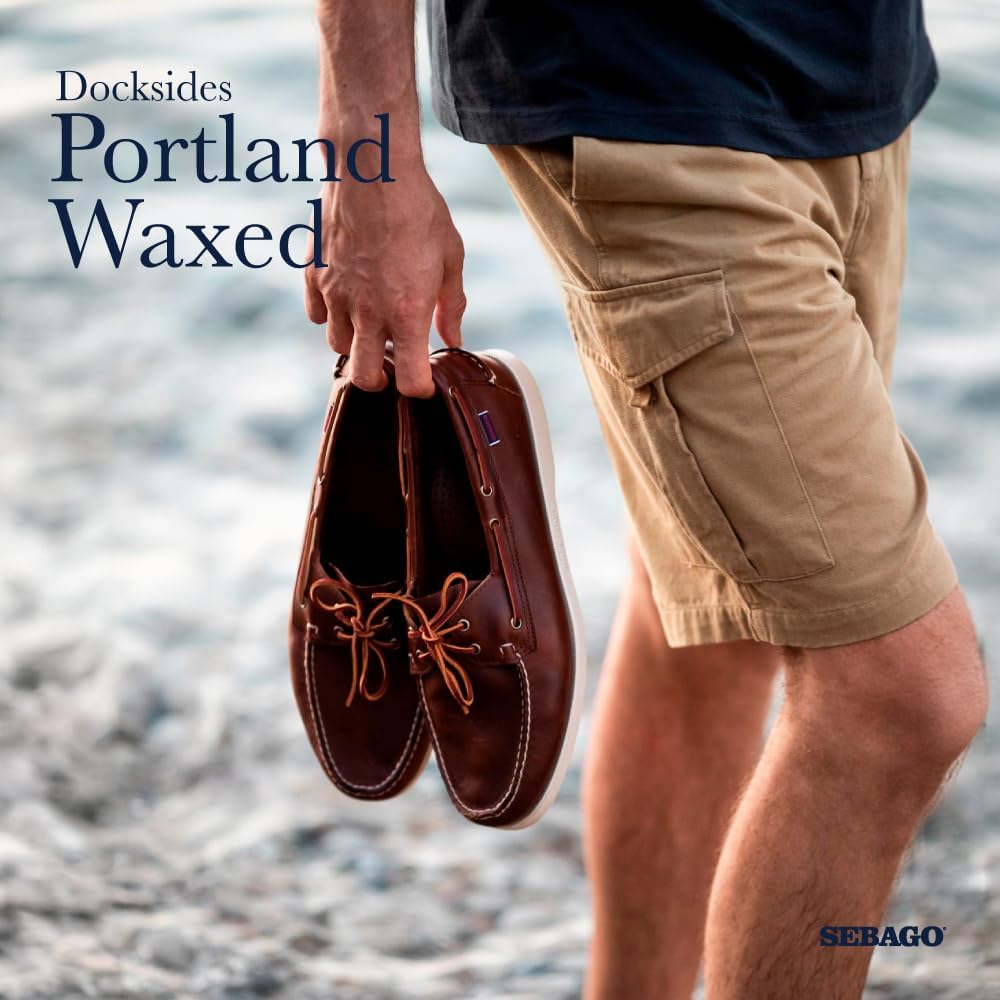
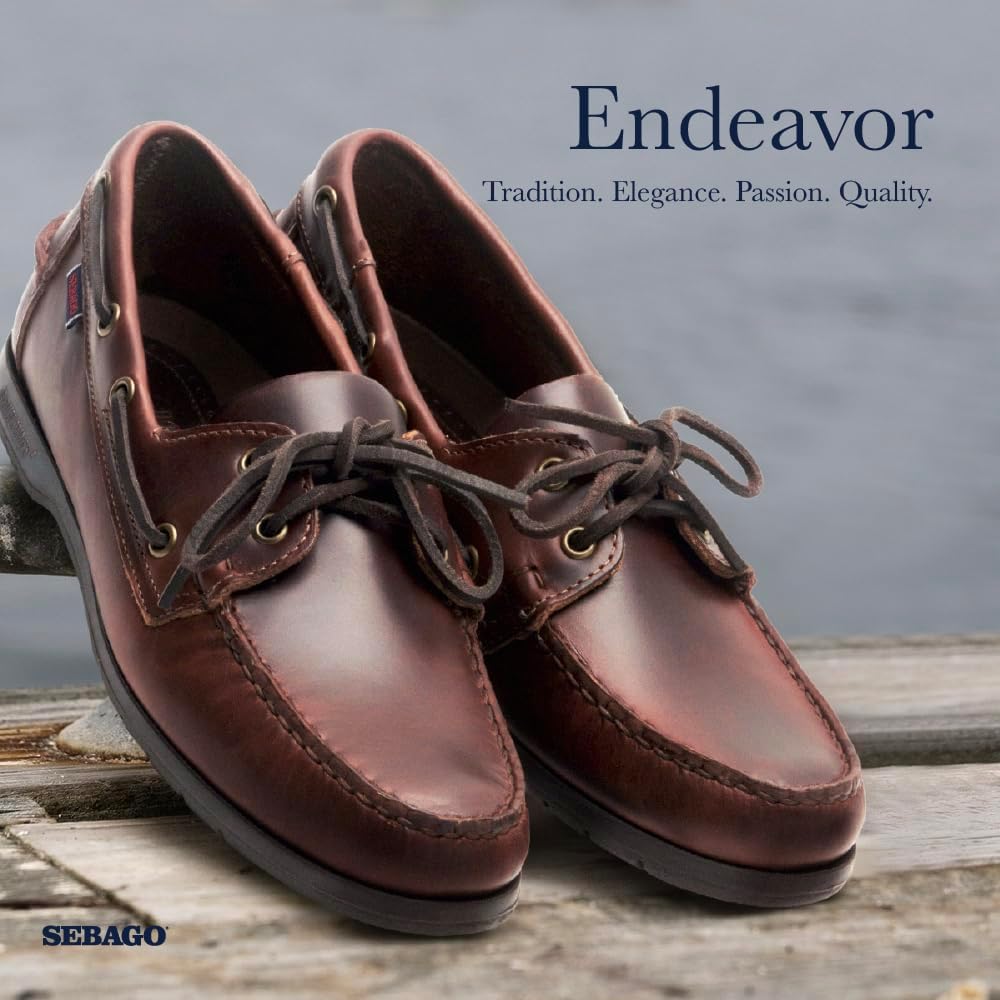
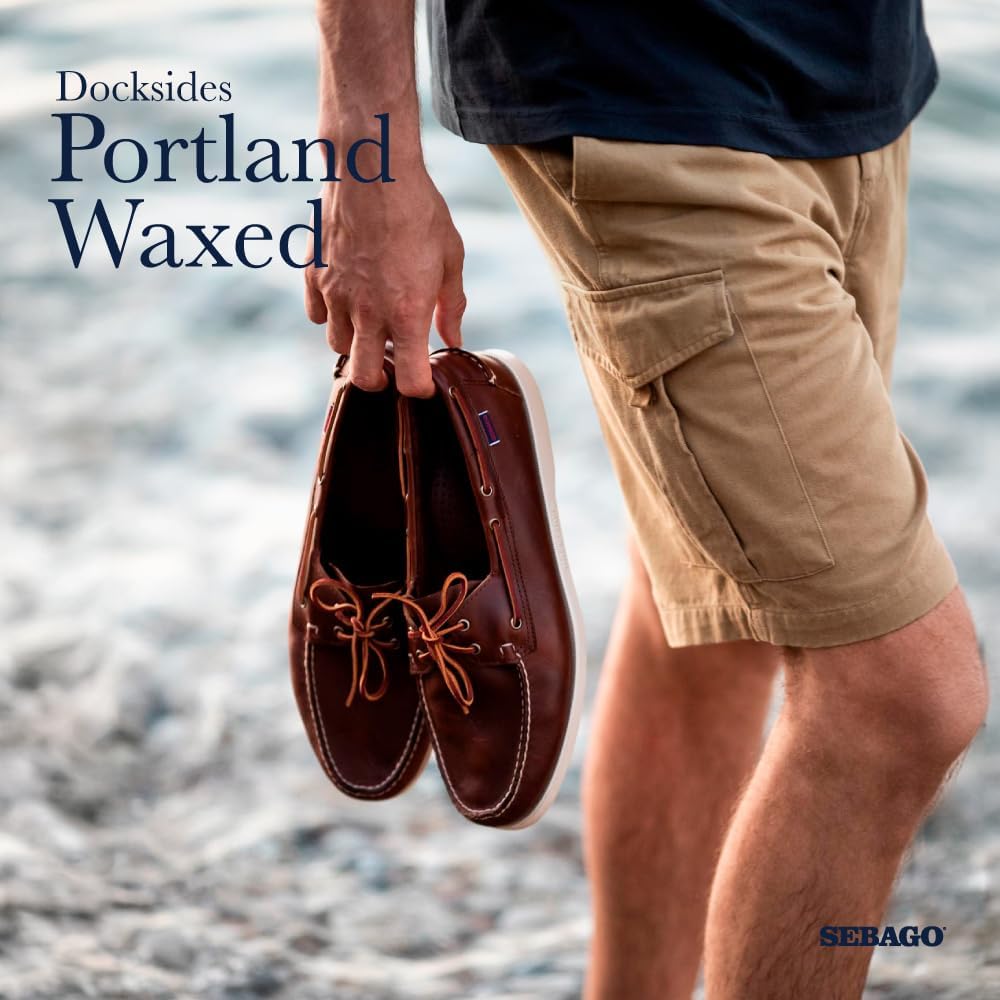
Brands like Sebago Portland and Sperry Authentic Original have built their reputations on consistent leather quality and reliable lasts. A Sebago Portland deck shoe typically uses hand sewn moc construction, which wraps the foot and reduces pressure points over time. The Sperry Authentic Original line focuses on a low profile silhouette and a flexible rubber sole that feels broken in from the first wear.
Underfoot, the sole is where the technical DNA of the sailing boat heritage still shows. A proper deck shoe uses a non marking slip resistant rubber sole with razor siping, which means thin cuts that open slightly under pressure to channel water away. This design keeps traction high on wet teak, painted metal, or polished stone, which matters whether you are on a yacht or crossing a rainy city street.
Waterproof performance is another key factor, although not every leather boat shoe is fully waterproof by design. Many of the best boat shoes use treated leather and sealed seams that resist splashes and light rain, while still allowing the shoe to breathe in warm weather. Men who expect heavy exposure to water should look for explicitly waterproof boat shoes or pair their deck shoes with regular maintenance using waxes and conditioners.
For readers who also appreciate rugged footwear, a curated guide to top combat boots shows how different sole constructions handle impact, mud, and urban abrasion. Comparing combat boots to deck shoes helps men understand why a lighter, more flexible rubber sole suits boat shoes best, while thicker lugged soles belong on tactical or hiking silhouettes. This contrast clarifies why the best boat models feel so agile underfoot during quick movements on unstable surfaces.
Fit, comfort, and how to wear boat shoes with confidence
Fit is the hidden variable that turns the best boat shoes into everyday favorites. A boat shoe should hug the midfoot firmly while leaving enough room in the toe box for natural movement. When men lace a deck shoe correctly, the leather wraps the foot without creating hot spots or pressure along the instep.
Comfort also depends on the insole and midsole structure, which many buyers overlook when they focus only on the upper leather. Some premium leather boat shoes include cushioned insoles with arch support, while others rely on a simple leather footbed that molds to the foot over time. Men with higher arches or heavier builds often benefit from removable insoles that add support without changing the external profile of the shoe.
Styling boat shoes starts with understanding context and dress codes. For casual office environments, pairing dark brown deck shoes with slim chinos and an Oxford shirt creates a relaxed yet intentional look. On weekends, blue or grey boat shoes work well with tailored shorts and a knitted polo, especially when worn without visible socks.
When you wear boat shoes in black or black grey combinations, the overall outfit can lean more urban than nautical. These darker tones pair cleanly with black denim, technical jackets, and minimalist knitwear, which helps men integrate boat shoes into wardrobes dominated by sneakers and boots. The key is to keep the rest of the look streamlined so the shoe feels like a deliberate choice, not an afterthought.
From a value perspective, men should compare regular price and sale price across different retailers before committing. A quick view of pricing history often reveals that some models sit at a near permanent sale price, which effectively becomes the true market value. When a genuinely limited color like dark brown with a contrasting white sole drops to a fair sale price, that is when the purchase feels justified.
Readers who split time between marinas, workshops, and city streets may also appreciate a focused overview of top work boots, which highlights how different lasts and cushioning systems handle long hours on hard surfaces. Understanding why a work boot prioritizes impact absorption while a deck shoe emphasizes flexibility helps men choose the right shoe for each activity. This knowledge prevents the common mistake of wearing boat shoes for tasks that really demand the protection of a structured boot.
Iconic models, brands, and what makes a best boat shoe
When analysts talk about the best boat shoes, certain models appear in every serious conversation. The Sperry Authentic Original remains a benchmark because it defined the modern deck shoe silhouette with its low profile, hand sewn moc toe, and siped rubber sole. Men who want a reference point for fit and proportions often start with this authentic original design before exploring other brands.
Sebago Portland stands beside Sperry in the heritage space, offering a slightly different last and a more structured feel underfoot. A Sebago Portland deck shoe usually feels a touch firmer at first, but the leather softens beautifully with wear and develops a distinctive patina. For men who appreciate traditional craftsmanship, the hand sewn construction and robust stitching justify paying the regular price rather than waiting for a deep sale.
Beyond these icons, many European and Japanese labels reinterpret the boat shoe with slimmer shapes and elevated materials. Some brands experiment with grey suede uppers, black leather trims, or blue nubuck panels to create subtle contrasts that still respect the original deck shoe DNA. Others introduce partial waterproof membranes or upgraded insoles, which make the shoes more versatile for city wear without compromising their sailing boat heritage.
From a performance lens, the best boat models share a few non negotiable traits. They use non marking slip resistant rubber soles, corrosion resistant eyelets, and laces that hold knots even when wet. When men test a boat shoe quick step on a wet surface and feel stable, they understand why these details matter more than flashy branding or aggressive marketing.
Price segmentation within the category can be confusing, especially when sale price banners compete with claims of premium quality. A good guide is to evaluate the leather grade, stitching density, and sole construction before comparing regular price and discounted offers. Shoes best positioned in the mid to upper tier often deliver better long term value than cheaper pairs that stretch, fade, or crack after one season.
For men who already own multiple sneakers and boots, the boat shoe becomes a strategic addition rather than a novelty. Treat it as the best boat companion for coastal trips, terrace dinners, and relaxed business travel where sneakers might feel too casual. When chosen carefully, a single pair of dark brown or black grey deck shoes can anchor a surprising number of outfits across climates and dress codes.
How to style boat shoes with casual wear, sneakers, and boots
Styling the best boat shoes alongside sneakers and boots requires a clear hierarchy of roles. Think of sneakers as your sport inspired option, boots as your protective workhorse, and boat shoes as your refined casual bridge between the two. Men who define these roles avoid overlap and build sharper, more intentional outfits.
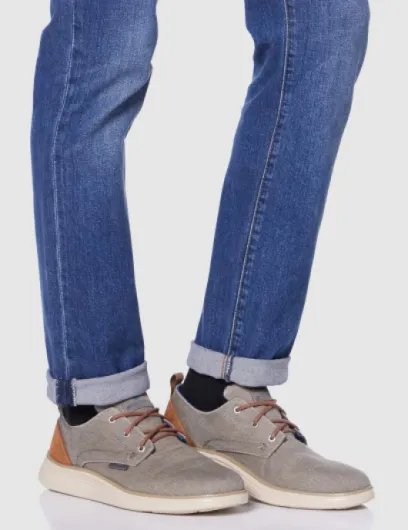
With denim, a dark brown leather boat shoe works especially well with mid wash jeans and a chambray shirt. The warm tone of the leather echoes the indigo while the slim deck shoe profile keeps the look lighter than a heavy boot. For black denim, a black or black grey boat shoe feels more coherent, especially when paired with a minimalist tee and a tailored bomber jacket.
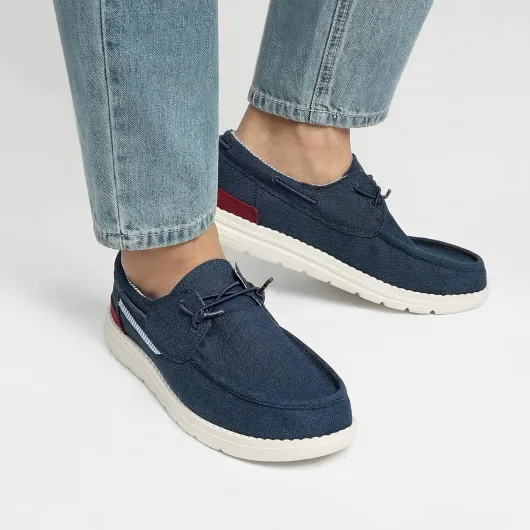
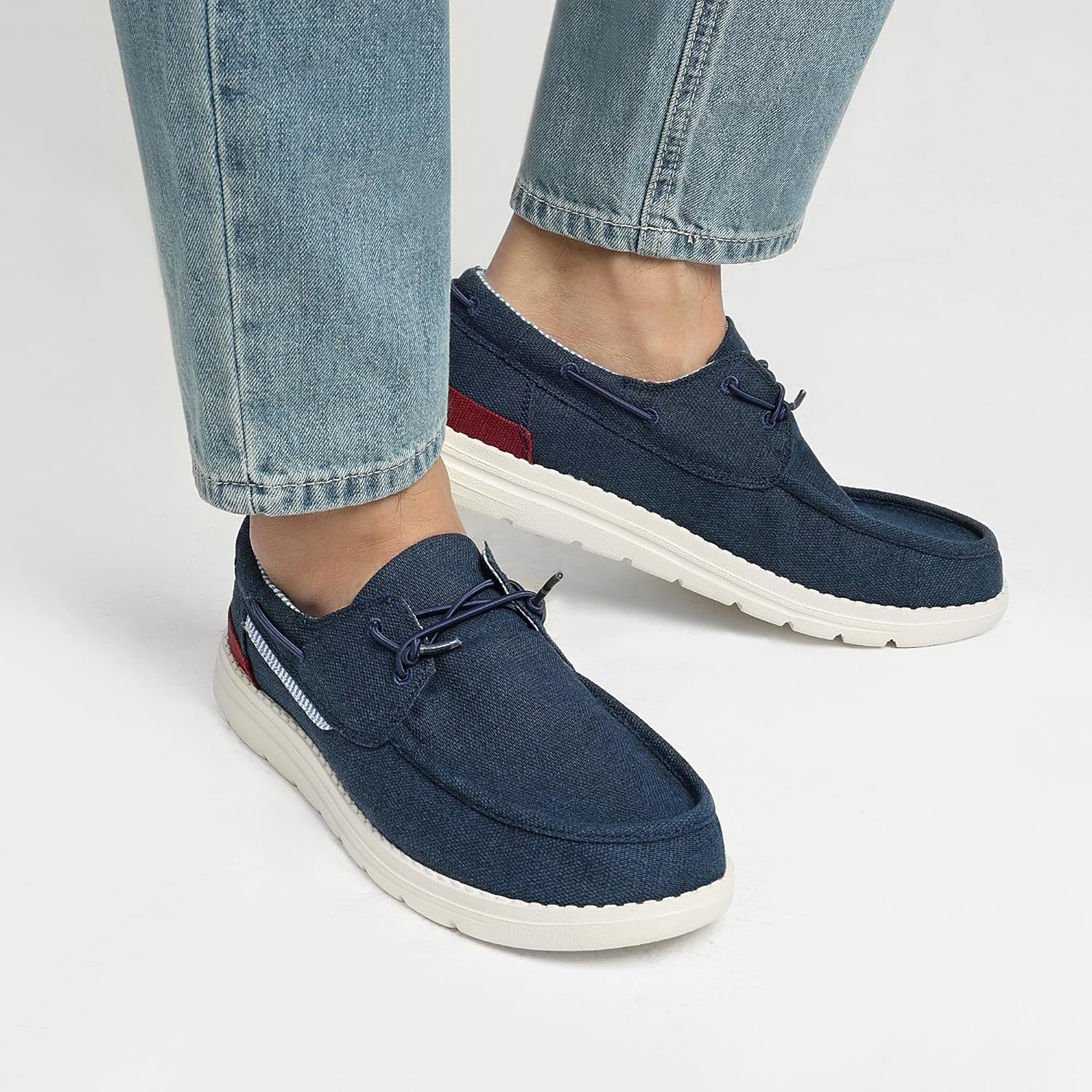
Shorts demand more precision because the ankle is fully exposed. A blue or grey boat shoe pairs elegantly with tailored navy shorts and a white linen shirt, creating a clean sailing boat inspired look that still feels modern. Men should avoid overly long shorts, since a shorter inseam around 17 to 20 cm visually lengthens the leg and lets the shoe shine.
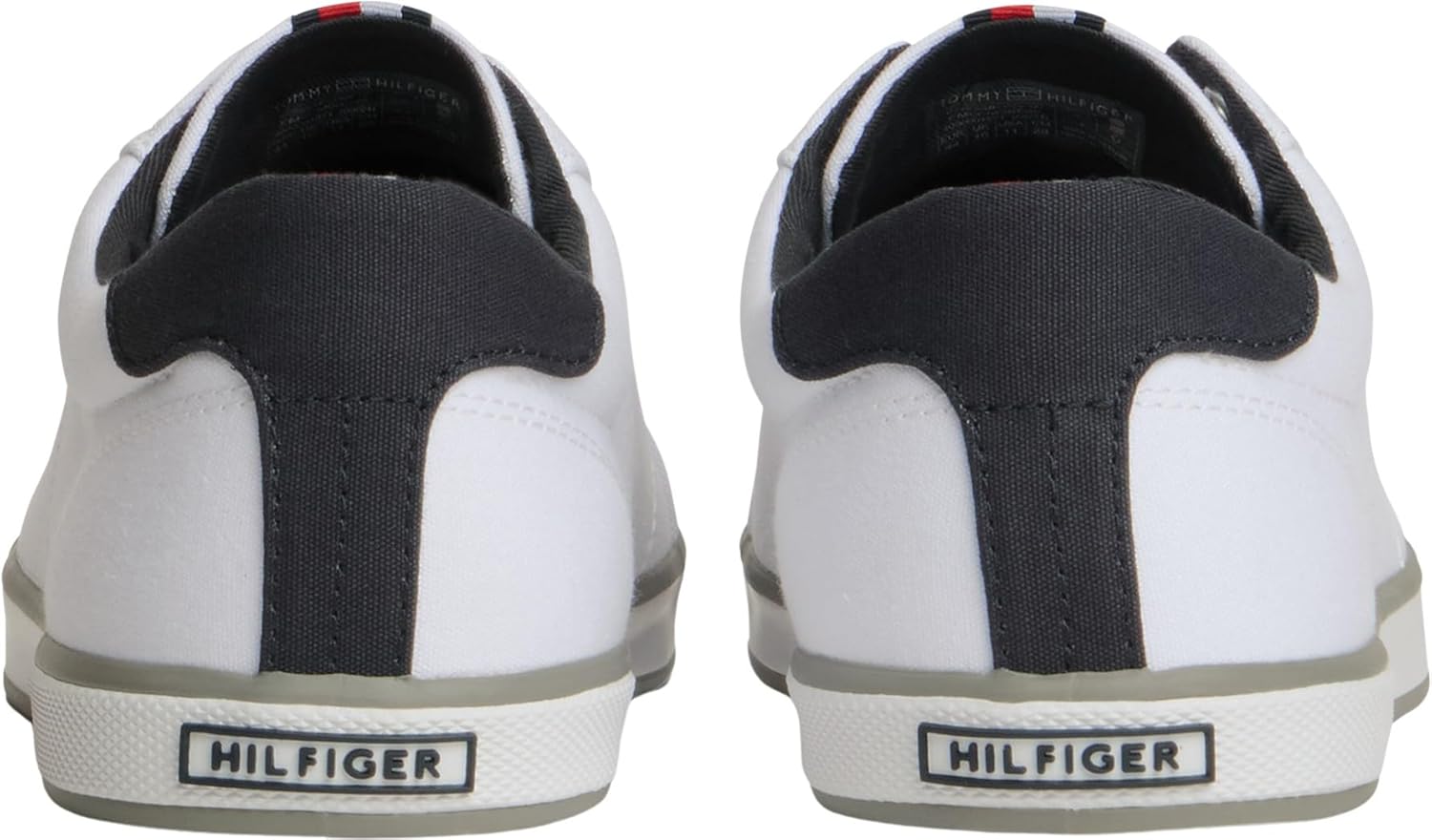
When integrating boat shoes into a wardrobe dominated by sneakers, focus on texture and color contrast. Use smooth leather boat shoes with rubber soles on days when you wear more structured pieces like Oxford shirts, knitted polos, or lightweight blazers. Reserve your mesh or technical sneakers for days built around hoodies, track pants, or performance outerwear.
Boot enthusiasts can treat boat shoes as their warm weather alternative to heavy leather or suede boots. On days when a full boot feels excessive, a deck shoe still offers structure and presence without the heat and bulk. This is especially true for men who already appreciate the craftsmanship of Goodyear welted boots and want a lighter counterpart that respects similar quality standards.
Color rotation also plays a role in keeping outfits fresh across the season. Owning boat shoes in dark brown, blue, and grey allows men to shift emphasis depending on the rest of the palette, while a single black pair anchors monochrome looks. Over time, this considered approach turns the best boat shoes into a core styling tool rather than a seasonal afterthought.
Buying guide, pricing strategy, and care for long lasting boat shoes
A structured buying guide helps men cut through marketing noise and focus on essentials. Start by defining where you will wear boat shoes most often, whether on an actual boat, in the city, or during travel. This context determines how much you should prioritize waterproof treatments, sole grip, and upper durability.
Next, evaluate construction details that separate the best boat shoes from disposable fashion. Hand sewn moc construction, full grain leather, and a stitched rather than glued rubber sole all signal higher quality. When a brand lists these features clearly and aligns them with a fair regular price, you can judge whether any sale price represents genuine value or just a marketing tactic.
Fit testing should always happen later in the day when your feet are slightly swollen. Try the shoes with the type of socks or no show liners you plan to wear, then walk on different surfaces to assess flexibility and grip. A good boat shoe should feel secure at the heel, supportive under the arch, and roomy enough at the toes to avoid pressure during quick directional changes.
Care routines extend the life of leather boat shoes and preserve their shape. Use a soft brush to remove salt, dust, or city grime, then apply a light conditioner that keeps the leather supple without clogging pores. For pairs that see frequent sailing boat use or exposure to rain, occasional waterproof sprays or waxes help maintain resistance while respecting the original finish.
Storage also matters, especially for men with multiple pairs in rotation. Insert cedar shoe trees to absorb moisture and maintain the deck shoe silhouette, then store them away from direct heat or sunlight that can dry and crack the leather. Rotating between at least two pairs of boat shoes prevents overuse and allows each pair to rest and recover between wears.
From a pricing strategy standpoint, track both regular price and sale price across seasons rather than chasing every promotion. The best boat shoes rarely drop to extreme discounts, but thoughtful timing can still secure a meaningful reduction without compromising on quality. Men who approach boat shoe purchases with the same discipline they apply to tailoring or watch collecting end up with a focused, high performing lineup instead of a cluttered closet.
Performance, waterproofing, and technical details behind serious boat shoes
Performance separates lifestyle inspired boat shoes from pairs that can handle real nautical conditions. For men who actually step onto a sailing boat or wet dock, non marking slip resistant rubber soles are non negotiable. These soles protect deck surfaces while providing the traction needed for quick, confident movements.
Waterproofing sits on a spectrum rather than a simple yes or no. Some leather boat shoes use treated uppers and sealed seams that resist splashes and brief rain, while fully waterproof models incorporate membranes or sealed constructions that keep water out during prolonged exposure. Men should match their choice to their environment, since fully waterproof shoes can run warmer and less breathable in hot climates.
Drainage and drying time also influence real world performance. Traditional deck shoes rely on breathable leather and open collars to let moisture escape, which works well when conditions alternate between wet and dry. Modern interpretations sometimes add perforations or mesh panels, but these can compromise the refined look that many men expect from the best boat shoes.
Underfoot cushioning and flexibility affect how long you can wear boat shoes without fatigue. A well designed rubber sole with the right density absorbs impact on hard docks and pavements while remaining flexible enough for quick lateral movements. Men who spend long days on their feet should test how the shoe feels after at least thirty minutes of walking, not just a brief try on in store.
Lacing systems and hardware play a subtle yet important role in durability. Corrosion resistant eyelets and rawhide laces that hold knots when wet keep the shoe functional in harsh marine environments, while cheaper components can fail quickly. When a brand invests in these details and still offers a competitive regular price, it signals a commitment to performance rather than purely aesthetic appeal.
Finally, men should view boat shoes as part of a broader performance wardrobe that includes sneakers for training and boots for heavy duty tasks. Each category excels in specific conditions, and forcing a deck shoe into the wrong role only shortens its lifespan. Treat the best boat shoes as your specialist for wet decks, coastal cities, and refined casual settings, and they will reward you with years of reliable service and understated style.
Key figures and market insights on boat shoes
- According to market research from NPD Group, the global casual footwear segment, which includes boat shoes, has grown by roughly 5 to 7 percent annually over recent years, driven by men shifting from formal dress shoes to versatile casual options. Public summaries from 2021 and 2022 reports on casualization trends support this steady mid single digit growth trend (NPD Group, "Footwear Industry Outlook," 2021–2022).
- Industry data from Euromonitor indicates that leather accounts for more than 60 percent of materials used in premium men’s boat shoes, confirming that most high end models still rely on traditional leather construction rather than synthetics. Euromonitor’s men’s footwear material breakdowns for 2020–2022 show leather consistently dominating the premium price band (Euromonitor International, "Menswear Footwear by Material," 2020–2022).
- Surveys from major retailers show that dark brown and navy blue remain the top selling colors for men’s boat shoes, together representing more than half of total sales, while grey and black grey combinations are gaining share among urban consumers. Internal color ranking data published by several large US and EU retailers between 2019 and 2023 points to this stable preference pattern (for example, Nordstrom and Zalando seasonal reports).
- Consumer feedback aggregated by large e commerce platforms suggests that non marking slip resistant rubber soles are mentioned in over 70 percent of five star reviews for boat shoes, highlighting how strongly buyers value traction and deck friendly performance. Review text analysis conducted on leading marketplaces in 2022 repeatedly flags grip and non marking soles as decisive purchase factors (Amazon and Zappos category level review summaries).
- Data from footwear care brands indicates that regular cleaning and conditioning can extend the functional life of leather boat shoes by two to three seasons on average, compared with pairs that receive little or no maintenance. Care guides and customer panel studies released by major shoe care manufacturers between 2018 and 2022 consistently report this extended lifespan (for instance, Saphir and Kiwi maintenance reports).
Sources
- NPD Group – global footwear and casual shoe market reports (notably 2020–2022 summaries on casualization trends and the "Footwear Industry Outlook" series)
- Euromonitor International – men’s footwear material and segment analysis (premium leather share in 2020–2022 datasets such as "Menswear Footwear by Material")
- Retailer and marketplace data from major e commerce platforms such as Amazon, Zappos, Nordstrom, and Zalando, including internal color rankings and review text analysis