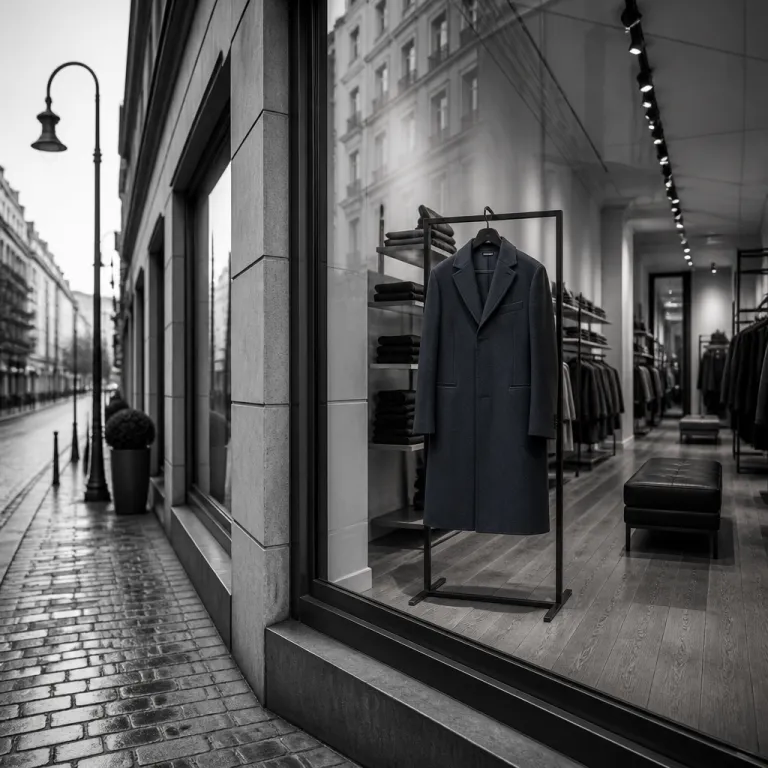

Why cashmere coats for men define modern winter elegance
Cashmere coats for men sit at the intersection of performance and refinement. A well-cut cashmere overcoat gives men warmth with far less bulk than a comparable wool-blend style, which is why many style-conscious clients treat it as a long-term wardrobe investment. When you compare a pure wool overcoat with a high-quality wool–cashmere fabric, the difference in drape, softness, and recovery after wear becomes immediately clear.
For fashion-minded men, the key is understanding how fabric composition affects both comfort and regular price in a premium winter coat. A coat in a dense wool–cashmere mix, around 500 to 600 grams per square metre, will usually justify a higher regular price because it insulates better while remaining light on the shoulders. When you see a surprisingly low unit price for men’s cashmere outerwear, you should always check the fibre percentage, the lining quality, and the finishing on seams and buttons before judging whether the sale price is truly attractive.
Retailers often highlight a dramatic sale price on cashmere coats, but the smartest men look beyond the headline number. A transparent website will show the original regular price, the current sale price, and sometimes even a clear unit price per gram of fabric, which helps you compare different men’s coats objectively. When a brand breaks down the price per unit like this, it signals confidence in its materials and reassures you that the regular price was not artificially inflated before the sale price promotion.
Choosing the right cut and length for winter performance
Silhouette matters as much as fabric when you select cashmere coats for men. A classic overcoat in a tailored but regular fit flatters most body types, while a shorter cashmere jacket or peacoat works better for men who move constantly in the city. The best men’s coats balance room for layering with a clean line that still looks sharp when worn over a fine-gauge turtleneck or a structured blazer.
For deep winter, a knee-length camel overcoat in wool–cashmere offers more protection than a cropped jacket, especially when icy wind hits exposed thighs. Many luxury men’s brands now cut their camel overcoat patterns with a slightly higher armhole and a gently shaped waist, which keeps the coat wool close to the body without restricting movement. If you plan to wear technical thermals under your coats and jackets, study the shoulder construction and sleeve head carefully so the regular size still accommodates an extra layer without pulling.
Layering strategy also influences how you evaluate price and value in winter outerwear. A navy double-breasted overcoat in cashmere can replace both a blazer and a lighter jacket, which means one unit can cover multiple style scenarios and justify a higher unit price over time. When you combine a slim thermal base layer from a specialist guide such as the top thermals selection for men with a mid-weight cashmere coat, you often need fewer heavy pieces overall, making the regular price easier to rationalise.
Key styles of cashmere coats for men and how to wear them
Different lifestyles call for different cashmere coats for men, and understanding each archetype helps you build a focused wardrobe. The classic single-breasted overcoat in navy or black remains the most versatile option, sliding effortlessly from office tailoring to casual denim and sneakers. A double-breasted coat, especially in a structured wool–cashmere blend, projects more authority and works best for men who enjoy a sharper, almost military-inspired line.
For weekend dressing, a shorter cashmere jacket or peacoat in a rich navy shade pairs beautifully with a ribbed turtleneck and dark jeans. Many luxury men’s labels now offer casual coats and jackets that mix coat wool with technical fibres, giving you the softness of cashmere with better crease resistance for travel. When you compare the regular price and sale price of these hybrid jackets, remember that the added performance often justifies a slightly higher unit price than a basic wool coat.
Outerwear for extreme conditions sometimes introduces fur trim on hoods or collars, but many fashion-conscious men now prefer faux fur or shearling alternatives for ethical reasons. A black ski-inspired jacket with a subtle fur-effect collar can still sit alongside a tailored camel overcoat in a modern wardrobe, as long as the overall palette stays coherent. Technical pieces such as a performance-tested mens black ski jacket complement rather than replace your cashmere coats, giving you a full spectrum from city to mountain.
Colour, texture, and how mens style codes shape your choices
Colour is never a neutral decision when you evaluate cashmere coats for men. Navy and black remain the safest options for a first investment coat, because they integrate seamlessly with most men’s wardrobes and support both formal and casual outfits. A navy overcoat in wool–cashmere, for example, softens the contrast with grey tailoring while still framing the face cleanly.
Once the core is covered, a camel overcoat in a rich, slightly warm tone becomes a powerful style statement. Camel works particularly well with monochrome layers, such as a charcoal turtleneck, black trousers, and black boots, allowing the coat to function as the single highlight in the look. Men who already own multiple coats and jackets often add a textured option, like a brushed cashmere jacket or a herringbone coat wool blend, to introduce visual depth without loud colours.
Texture also influences how luxury men’s pieces read in different environments. A very smooth, almost shiny cashmere finish feels more formal and can make a double-breasted overcoat look almost evening-ready, while a slightly fuzzier surface leans casual and pairs better with denim. When browsing a website, always zoom in on fabric close-ups and compare them across models, because the same regular price can hide very different tactile experiences and long-term wear characteristics.
Understanding price, value, and smart buying tactics for men cashmere
Price transparency is one of the strongest signals of quality in cashmere coats for men. Serious brands explain how fibre grade, yarn spinning, weaving, and finishing all contribute to the final regular price of each coat or cashmere jacket. When a label breaks down its cost structure, you can judge whether the unit price reflects genuine craftsmanship or just marketing.
For savvy men’s shoppers, the distinction between regular price and sale price matters less than cost per wear. A well-made camel overcoat in wool–cashmere that you wear three or four times a week across several winters will often deliver a better price per unit over time than a cheaper coat that pills or loses shape after one season. During a sale price period, focus on timeless colours like navy and black, classic single- or double-breasted cuts, and versatile lengths, because these men’s coats will not feel dated when the next winter arrives.
Online, a trustworthy website will clearly display the regular price, the current sale price, and sometimes a unit price per kilogram of fabric or per unit of production. Some retailers also offer gift cards that allow you to lock in a favourable sale price now and choose your exact size or colour later, which is useful when shipping orders are delayed. Always read the fine print on free shipping, return windows, and alterations, because generous policies effectively reduce your risk and increase the real value of the price you pay.
Practical details that separate ordinary coats from true luxury men pieces
Beyond fabric and cut, small construction details determine whether cashmere coats for men feel genuinely luxurious. High-end overcoat designs use canvassed fronts, hand-sewn buttonholes, and reinforced stress points, which keep the silhouette clean even after years of wear. A quality coat wool blend will also feature dense stitching at the hem and lapels, preventing the fabric from rolling or bubbling.
Functional elements deserve equal attention, especially for fashion-conscious men who still demand performance. Check that pockets are deep enough for gloves, that inner pockets can hold a large smartphone securely, and that the collar stands up cleanly to protect the neck when worn without a turtleneck. In colder climates, a removable quilted vest insert inside a cashmere jacket or peacoat can extend the wearing season, effectively lowering the unit price per use.
Service also plays a role in how you evaluate luxury men’s outerwear. Brands that offer free shipping on orders above a certain price threshold, easy alterations, and long-term repair options signal confidence in their coats and jackets. When a website combines clear information on regular price and sale price with transparent care instructions and responsive customer support, it becomes far easier for men’s cashmere buyers to commit to a significant investment piece.
Building a coherent winter wardrobe around cashmere coats for men
A strong winter wardrobe for style-focused men often starts with one or two carefully chosen cashmere coats for men. The first pillar is usually a navy or black single-breasted overcoat in a robust wool–cashmere fabric, cut long enough to cover a suit jacket but slim enough to work with casual outfits. This kind of coat anchors everything from office tailoring to weekend denim, making its regular price highly defensible.
The second pillar is a camel overcoat or textured cashmere jacket that introduces personality without sacrificing versatility. Many men’s wardrobes benefit from a double-breasted option here, especially for luxury men who enjoy a slightly more dramatic lapel line and a stronger shoulder. When you rotate between these men’s coats, each unit experiences less wear, which preserves the fabric surface and stretches the effective unit price over more seasons.
From there, you can add specialised pieces such as a technical black jacket for harsh weather, a shorter peacoat for casual evenings, and a lighter transitional coat wool blend for milder days. Coordinating knitwear, especially fine merino or cashmere turtleneck styles, helps your coats and jackets slide between dress codes effortlessly. For warm-season dressing, a complementary guide such as the article on linen done right for men shows how to maintain the same level of refinement when heavy outerwear is no longer needed.
Key figures every cashmere coat buyer should know
- High-quality cashmere typically comes from fibres measuring between 14 and 16 microns in diameter, while standard wool fibres often range from 20 to 40 microns, which explains why cashmere coats feel significantly softer against the skin. These ranges are consistent with fibre-specification summaries published by independent testing laboratories such as SGS and Intertek.
- Laboratory tests reported in technical notes from European and Asian textile research institutes indicate that well-constructed wool–cashmere overcoats can retain up to around 1.5 times more warmth than comparable pure wool coats at the same fabric weight, due to the superior loft and insulation properties of cashmere fibres.
- Market analyses from firms such as Euromonitor International suggest that the global luxury outerwear segment has grown by roughly 5 to 7 percent annually over recent years, with cashmere coats for men highlighted as one of the fastest-growing subcategories in premium ready-to-wear.
- Consumer surveys in major fashion capitals, including multi-country wardrobe-usage studies and brand customer panels, consistently show that men who invest in a high-quality overcoat or cashmere jacket keep the garment in active rotation for at least five to seven winters, which dramatically lowers the effective cost per wear compared with cheaper fast-fashion alternatives.
FAQ about cashmere coats for men
How can I tell if a cashmere coat is good quality ?
Start by checking the fabric label for a clear indication of fibre content, ideally pure cashmere or a high-percentage wool–cashmere blend with no vague synthetic mix. The fabric should feel soft but resilient, with minimal surface fuzz and no obvious thin spots when held up to the light. High-quality coats also show tight, even stitching, well-set sleeves, and buttonholes that are cleanly finished rather than roughly machine cut.
Is a cashmere overcoat warm enough for very cold winters ?
A dense cashmere or wool–cashmere overcoat is usually warm enough for most urban winters, especially when layered over a turtleneck or a light down vest. For extreme cold, combine the coat with technical base layers and accessories such as gloves and a scarf to minimise exposed skin. If you live in a region with heavy snow or rain, consider alternating your cashmere coats with a waterproof technical jacket to protect the more delicate fibres.
How should I care for my cashmere coat to make it last ?
Brush the surface gently with a soft clothes brush after wear to remove dust and restore the nap, then hang the coat on a wide wooden hanger to maintain the shoulder shape. Spot clean minor marks with a damp cloth and neutral soap, and reserve professional dry cleaning for once or twice per season to avoid stripping natural oils from the fibres. During the off-season, store the coat in a breathable garment bag with moth protection, never in plastic, and avoid compressing it under heavy items.
When is the best time to buy a cashmere coat at a good price ?
The strongest discounts on cashmere coats for men usually appear at the end of the winter season, when retailers adjust regular price to sale price to clear inventory. Mid-season promotions can also offer good value, especially on classic colours like navy, black, and camel that do not depend on trends. Focus on timeless cuts and verify that the unit price reflects genuine quality rather than a short-term fashion detail.
Should I choose a single breasted or double breasted cashmere coat ?
Single-breasted coats are generally more versatile and easier to wear open or closed, which suits men who move between formal and casual settings throughout the day. Double-breasted styles create a stronger visual statement and provide slightly more chest coverage, making them ideal for taller men or those who prefer a more structured silhouette. If this is your first serious investment, start with a single-breasted overcoat in navy or black, then add a double-breasted camel overcoat once the core of your wardrobe is secure.