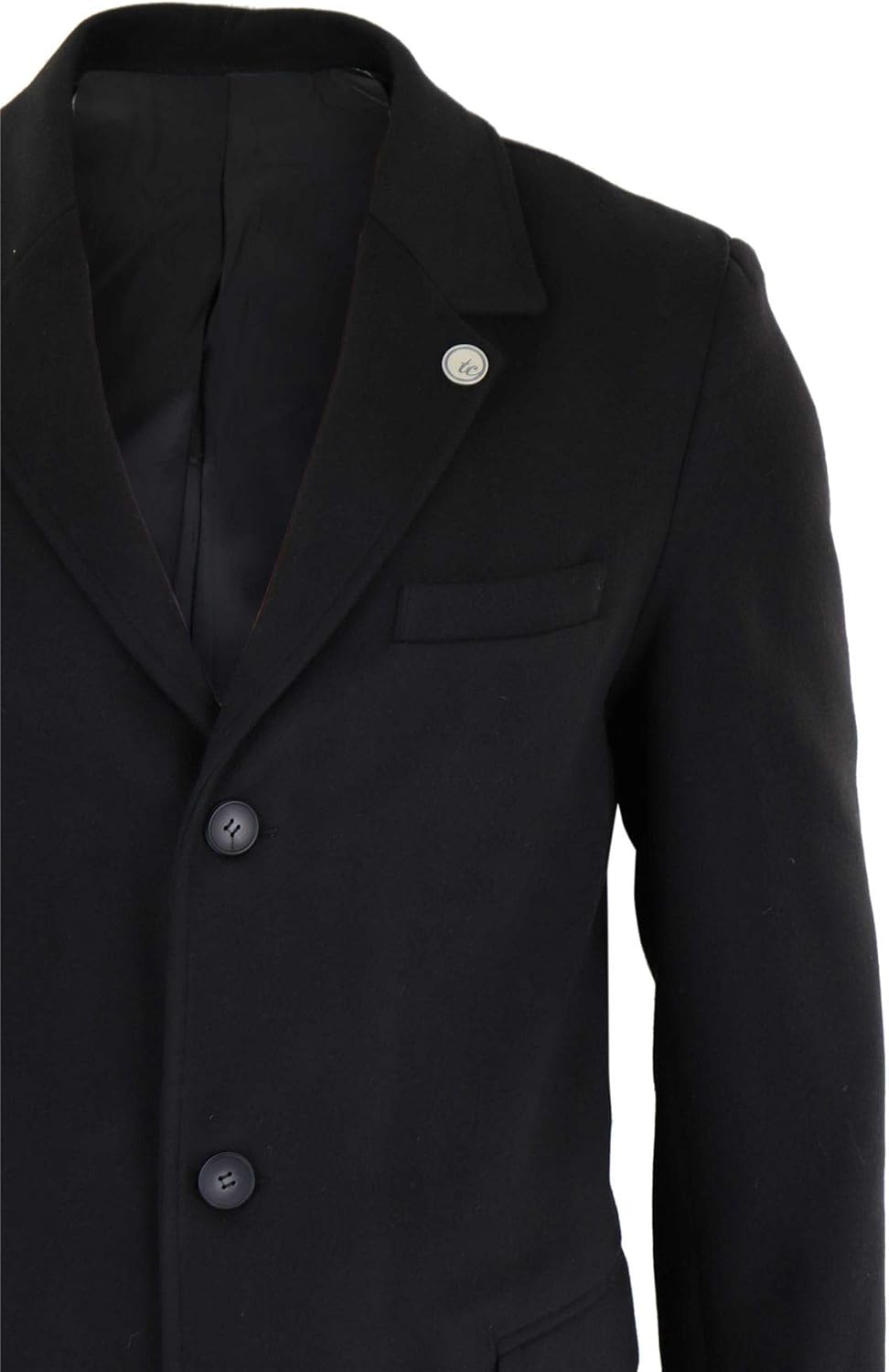
Single breasted versus double breasted coats for tailored outfits
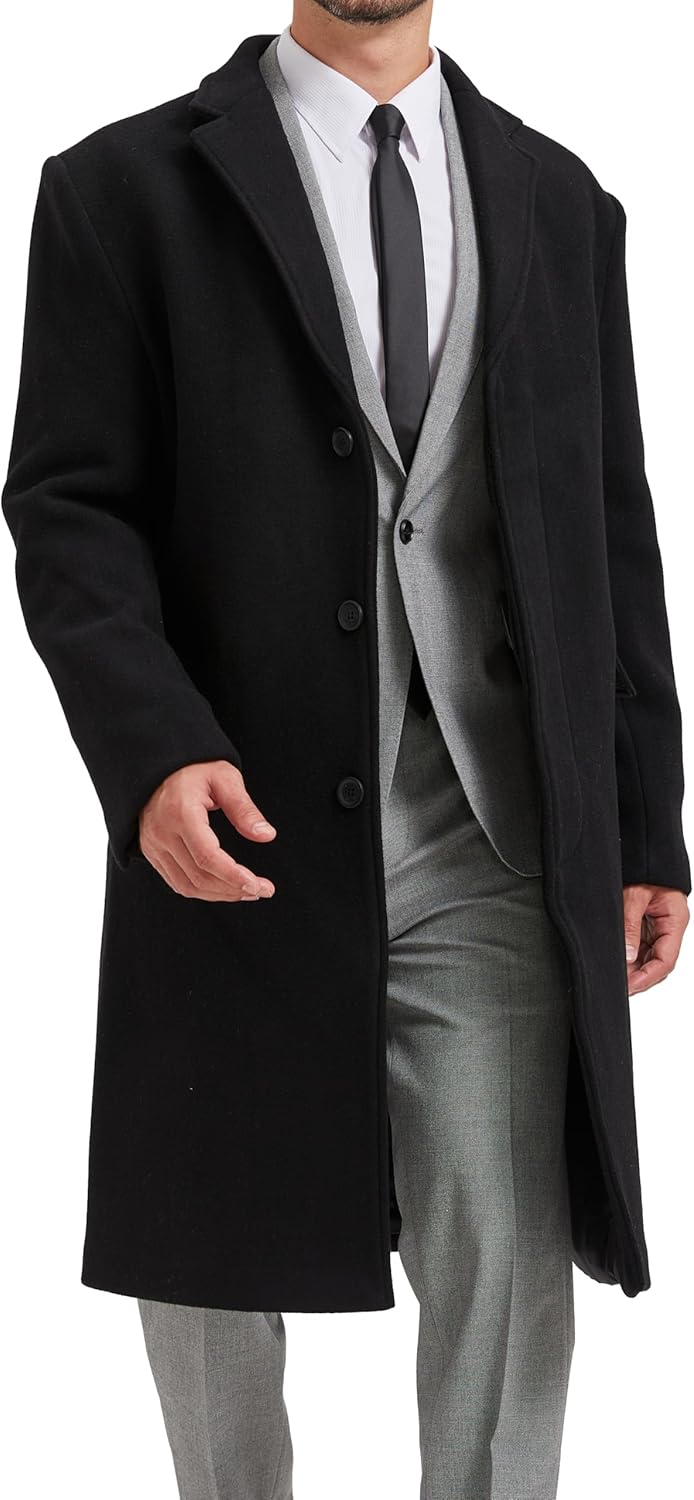
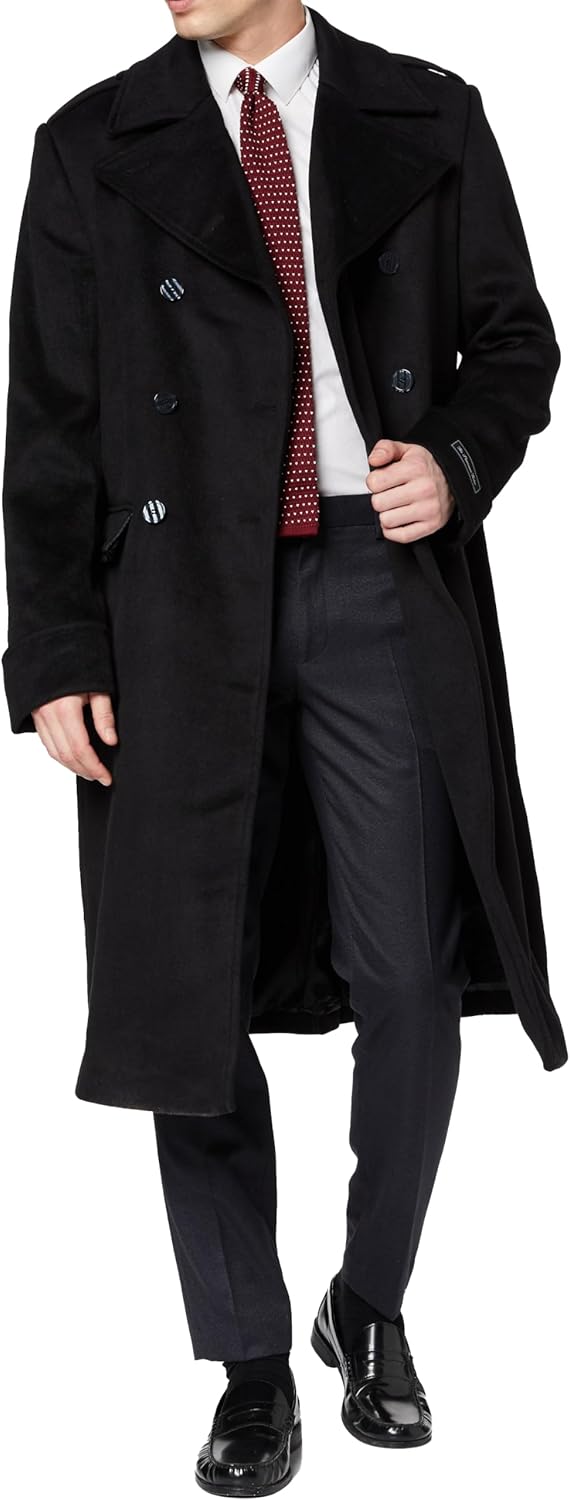
When you build a sharp winter rotation, the choice between single breasted and double breasted coats is fundamental. A single breasted wool coat with three buttons flatters most body types and layers well over both suits and casual knitwear. Double breasted silhouettes create a stronger statement and suit fashion men who enjoy a slightly more formal, almost military presence.
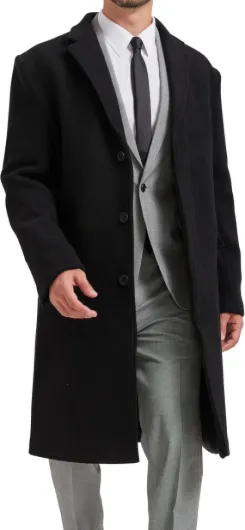
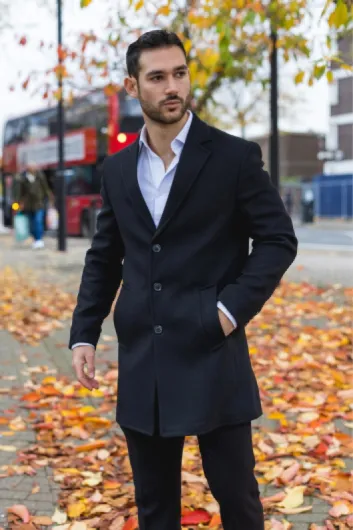
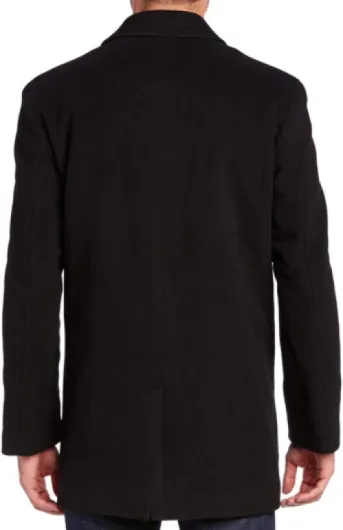
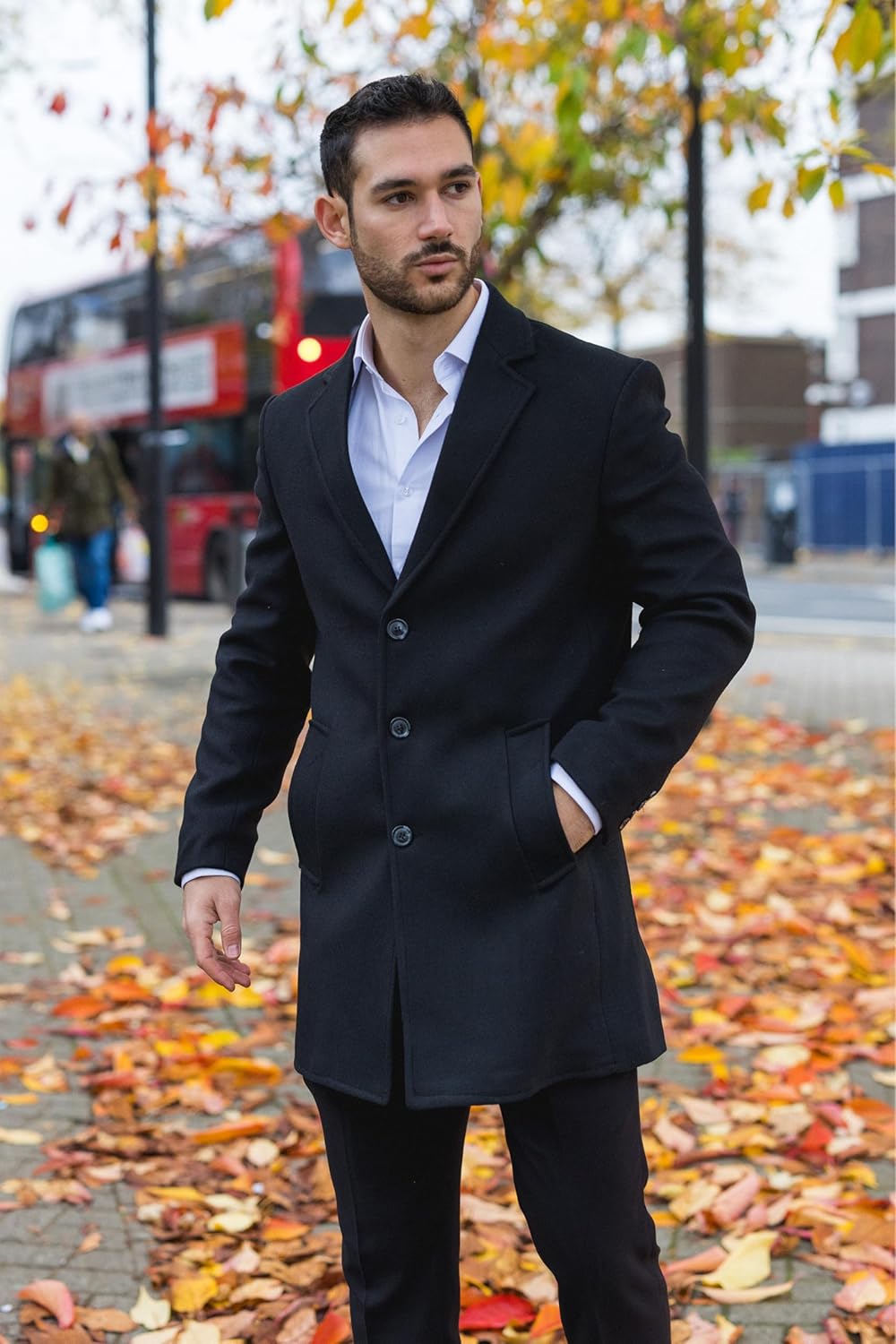
For office wear, a single breasted breasted coat in navy or dark grey remains the most versatile option. The front overlap is minimal, which keeps the torso clean and lets the fabric fall well over a blazer or structured jacket without bulk. If you often commute on foot, look for a water resistant wool blend with a smooth lined interior so your coat glides easily over tailoring.
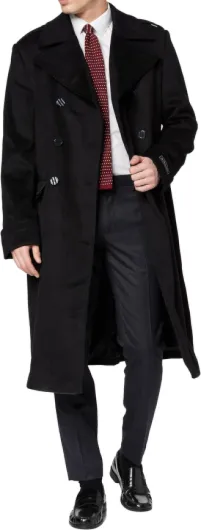
Double breasted coats shine when you want drama and structure. The extra layer of coat wool across the chest adds warmth and creates a broad shouldered effect that many tall men appreciate. A double breasted long coat in wool cashmere, cut to knee length, pairs especially well with slim trousers and polished boots.
Pay close attention to coat size and size fit when trying on both styles. The best wool coats allow enough room at the shoulders to move freely, yet the waist should still shape the torso when the buttons are closed. If you wear heavy knitwear, consider sizing up half a size rather than letting a tailor let out every seam.
Details such as peak lapels, ticket pockets, and double faced construction can justify a higher price for serious enthusiasts. A double faced fabric means the wool looks refined on both sides, which gives the coat a softer drape and often eliminates the need for a separate lined layer. This construction appears frequently in luxury wrap coat designs that feel light yet surprisingly warm.
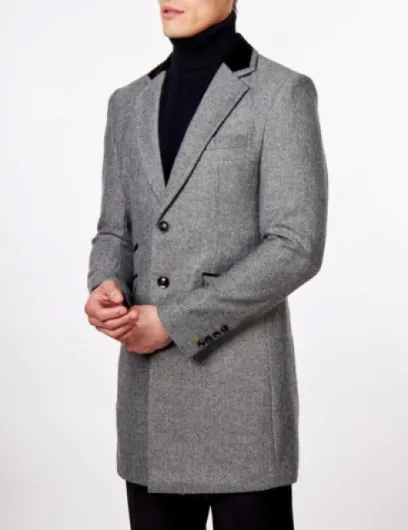
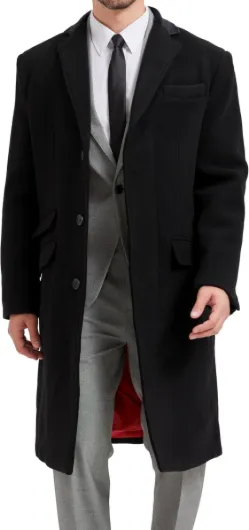
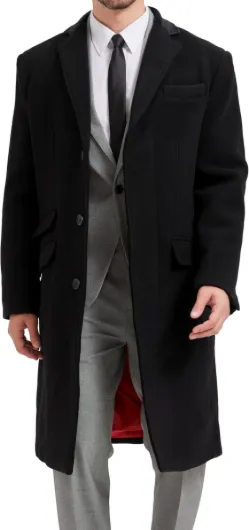
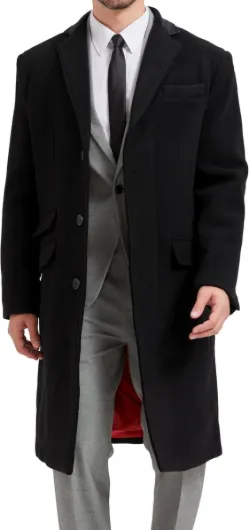
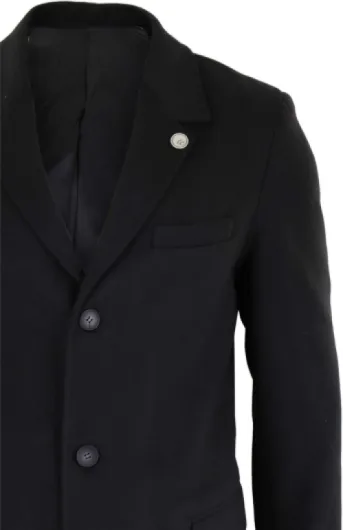
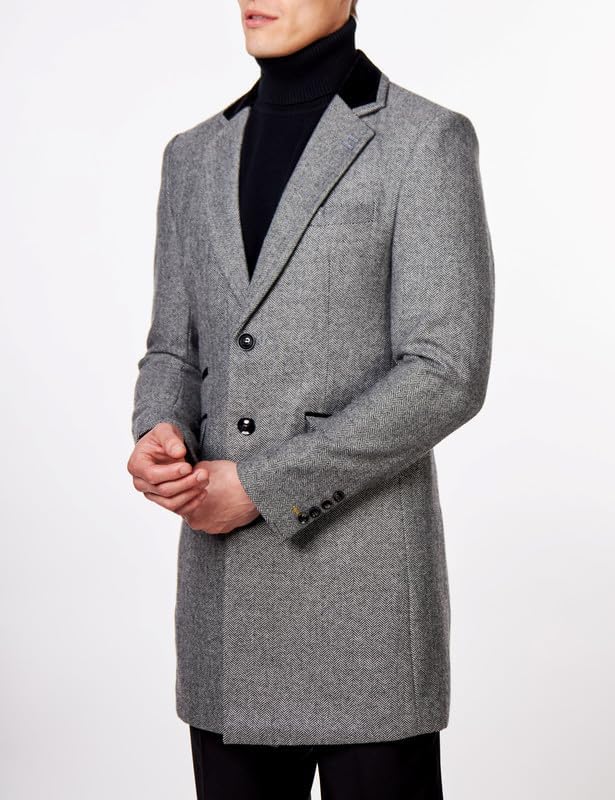
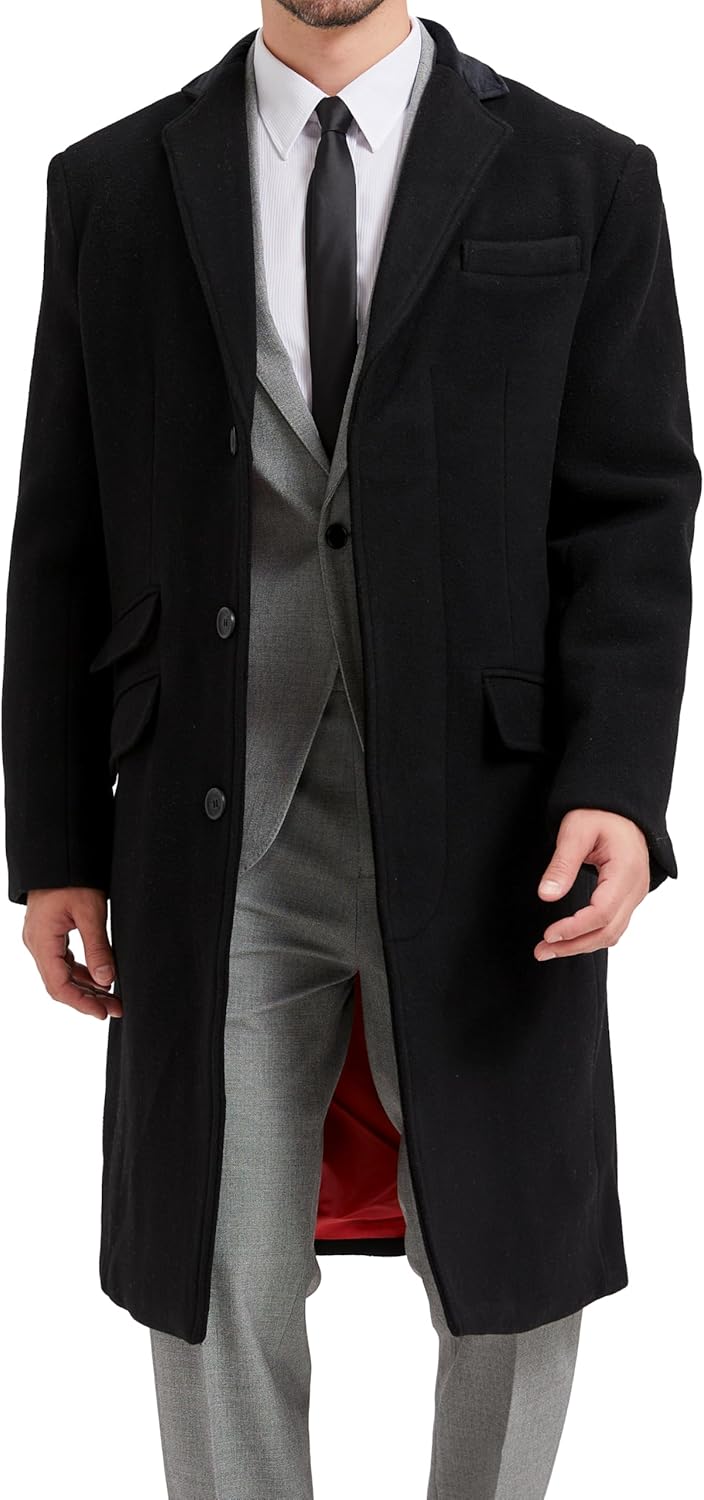
For those who love rich textures, a wool cashmere blend with a velvet collar and contrasting satin lining offers a refined twist on classic tailoring. You can see this approach in many premium black overcoats, where the breasted front, sharp lapels, and deep pockets combine elegance with practicality, as in this men’s black wool cashmere overcoat with velvet collar and red satin lining. Whether you choose single or double breasted, the key is to align the coat’s style with how you actually live and dress during winter.
Key fabrics and blends that separate average from best wool coats
Fabric quality is the backbone of every serious winter coat. Pure wool offers excellent insulation and breathability, which keeps you warm without overheating during commutes or indoor transitions. When brands speak about best wool, they usually refer to fine merino or lambswool yarns woven into dense, wind resistant cloth.
Many of the best wool coats use a carefully engineered wool blend to balance luxury and performance. Adding a small percentage of polyamide or polyester can improve abrasion resistance, while a touch of cashmere softens the hand and enhances drape. A wool cashmere blend around 90 / 10 or 80 / 20 often hits the sweet spot between indulgent feel and realistic price for most fashion men passionate about quality.
Construction details influence how the fabric behaves over time. A double faced wool coat uses two layers of fabric joined together, which creates a clean interior and allows the coat to move fluidly without a heavy lined structure. This technique works particularly well for a wrap coat or wool wrap design, where the fabric needs to flow gracefully when worn open.
For harsher climates, look for tightly woven melton or loden wool coats with a water resistant finish. These fabrics repel light rain and snow better than looser twills, while still feeling soft enough for daily wear. If you often travel between cities, a mid weight long coat in such fabric offers a reliable balance between protection and packability.
Texture also shapes how a coat reads visually. A smooth, almost felted melton suits formal single breasted overcoats, whereas a slightly napped surface flatters more relaxed pea coat or wool pea styles. When you run your hand across the fabric, it should spring back well rather than crush permanently under pressure.
For a curated overview of different fabrics and silhouettes, many style focused platforms now compile seasonal selections of the best wool coats for men. A useful starting point is this guide to top wool coats for men, which compares long coat options, shorter jackets, and various coat size ranges. Use such resources as a filter, then always verify the exact fabric composition and lined construction before you commit.
Length, proportion, and size fit for different body types
Proportion can make or break even the best wool coats. A coat that technically fits in size but ignores your height and shoulder width will never look truly tailored. Fashion men passionate about silhouette should treat length, stance, and pocket placement as carefully as they treat trouser break.
Tall men usually benefit from a knee length or slightly longer coat wool design. The extra length balances long legs and prevents the jacket from looking cropped, especially when worn over a suit. A long coat with a clean single breasted front and high armholes keeps the frame sharp without overwhelming the body.
For men of average height, a coat that ends just above the knee offers a versatile compromise. This length works well with both tailoring and denim, and it keeps the overall style modern rather than old fashioned. Shorter pea coat silhouettes can still look refined if the size fit is precise and the pockets sit slightly higher to elongate the leg line.
Shorter men should pay particular attention to button stance and lapel width. A high button position on a single breasted wool coat creates the illusion of longer legs, while a slightly narrower lapel avoids crowding the chest. Avoid excessively long coats that fall far below knee length, because they can visually compress the frame.
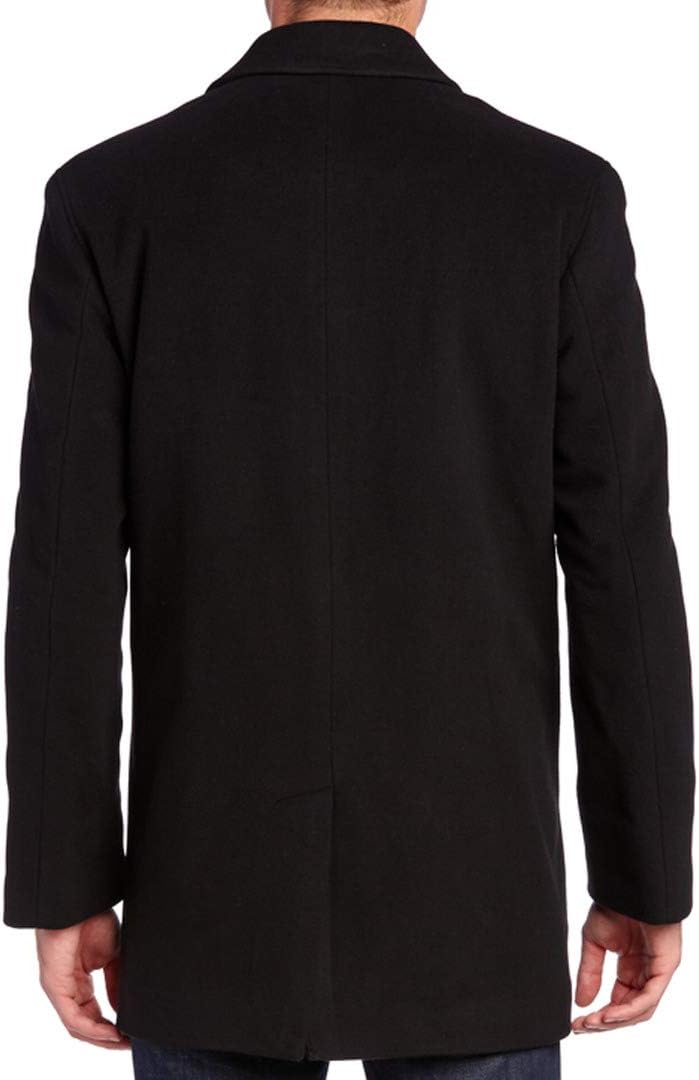
Regardless of height, shoulder fit is non negotiable. The seam should sit exactly at the edge of your shoulder bone, and the sleeves should show a hint of shirt cuff when you bend your arm, even on a breasted coat. If the shoulders are too wide, no tailor can fully correct the imbalance without compromising the fabric.
When you try on different coats, wear the layers you actually use in winter. This approach reveals whether the coat size allows enough room without distorting the line of the fabric, especially around the funnel neck or collar area. Remember that the best wool coats feel comfortable when buttoned, yet still trace the body well enough to look sharp from every angle.
Design details that signal a serious winter investment
Beyond fabric and fit, design details separate a good coat from a future heirloom. Start with the collar and neckline, because they frame your face and influence how warm you feel in wind. A funnel neck or high stand collar on a wool wrap coat protects the throat without needing a bulky scarf, which suits men who prefer clean lines.
Buttons deserve more attention than they usually receive. High quality horn or corozo buttons feel solid in the hand and age well, while cheap plastic can crack under stress or extreme cold. On double breasted coats, check that the buttons are securely cross stitched and that the inner jigger button holds the front panel flat against the body.
Pockets should balance practicality and style. Slanted hand warmer pockets on a pea coat keep your hands comfortable, while flap pockets on a long coat protect contents from rain and snow. Internal pockets are essential for modern life, because they secure a phone and cardholder without bulking out the jacket’s exterior lines.
Lining quality often reveals how seriously a brand treats construction. A fully lined wool coat glides smoothly over knitwear and suits, while a half lined design can feel lighter and more breathable for milder winters. Inspect the stitching along the lined seams ; loose threads or puckering suggest cost cutting that does not belong in the best wool coats.
Functional finishes matter in real weather. A water resistant treatment on dense wool blend fabric helps droplets bead off the surface, which keeps you warm and dry during short showers. For heavy downpours, you still need an umbrella, but this finish buys you time between taxi, office, and evening events.
Finally, consider how your coat interacts with the rest of your wardrobe. A neutral color such as navy, camel, or black pairs well with bolder knitwear and accessories, while a statement shade demands more restraint elsewhere. If you enjoy experimenting with outer layers, you might also appreciate how a cashmere poncho can complement a tailored coat rotation, as explored in this piece on why every man should consider a cashmere poncho for effortless style.
From pea coat to wrap coat : building a versatile rotation
A single coat rarely covers every winter scenario for a style focused man. Building a small rotation of best wool coats allows you to match formality, weather, and mood without sacrificing coherence. Think of each silhouette as a tool with a specific purpose rather than a redundant duplicate.
The classic pea coat remains a cornerstone for casual and smart casual outfits. Originally designed for naval use, this short double breasted wool pea style offers excellent warmth and mobility, especially when cut from dense melton fabric. Pair a navy pea coat with raw denim, chunky boots, and a fine merino roll neck for a look that feels both rugged and refined.
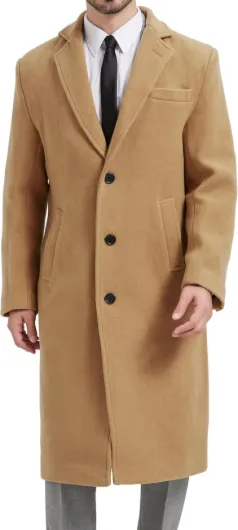
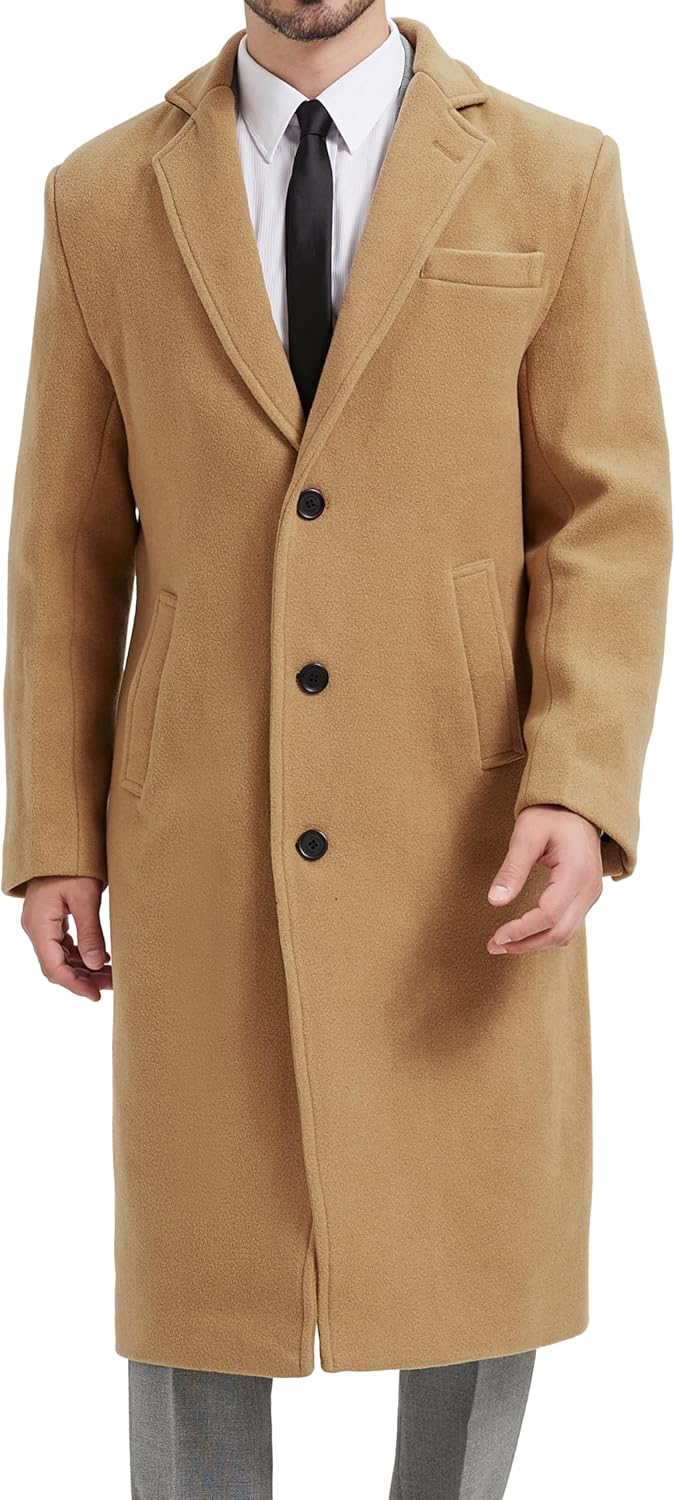
For business and evening wear, a long single breasted overcoat in a dark neutral color is indispensable. This type of wool coat slides easily over a suit jacket, keeps the lapels visible, and maintains a clean vertical line from shoulder to hem. Choose a knee length design with discreet pockets and a subtle ticket pocket if you appreciate tailoring heritage.
A wrap coat or wool wrap style introduces a more relaxed, almost robe like elegance into your wardrobe. Often cut from double faced wool cashmere, these coats feel lighter on the shoulders yet still warm enough for most urban winters. Wear them belted over slim trousers and Chelsea boots for a confident, fashion forward silhouette.
For transitional days or milder climates, a shorter jacket in a structured wool blend can bridge the gap between blazer and full overcoat. Look for clean fronts, minimal buttons, and a slightly cropped length that works well with high rise trousers. This piece becomes your go to layer when a full long coat would feel excessive but a simple jacket would not be warm enough.
As your collection grows, pay attention to overlap in color and function. Owning three black double breasted coats rarely adds value, whereas a balanced mix of pea coat, single breasted overcoat, and wrap coat covers most situations elegantly. The goal is a tight edit of best wool options that all earn their place in your wardrobe through frequent, satisfying wear.
Balancing price, quality, and long term value
Investing in the best wool coats requires a clear view of value, not just cost. A well made coat may carry a higher price initially, but it often outlasts several cheaper alternatives while looking better every season. Fashion men passionate about craftsmanship understand that cost per wear matters more than the number on the receipt.
Start by setting a realistic budget range, then prioritise fabric and construction over branding. A mid range label using dense wool cashmere or high quality wool blend with strong stitching usually beats a logo heavy piece in inferior fabric. When you compare options, handle the cloth, inspect the lined interior, and test the buttons and pockets for sturdiness.
Consider how often you will wear each coat and in which conditions. A water resistant long coat in dark color might see daily use for commuting, while a lighter wrap coat could be reserved for social events and travel. The more frequently a piece enters your weekly rotation, the more justified a higher price becomes.
Alterations can transform an off the rack coat into something that feels almost bespoke. Simple adjustments such as sleeve length, waist suppression, and minor shoulder tweaks help the size fit your frame perfectly. Always factor potential tailoring costs into your overall budget, especially if you fall between standard size categories.
Storage and maintenance also influence long term value. Use wide wooden hangers to support the shoulders, brush the fabric regularly to remove surface dust, and allow the coat to rest between wears so the wool fibres recover well. Professional dry cleaning should be occasional rather than frequent, because excessive chemicals can strip natural oils from the fabric.
Ultimately, the best wool coats become part of your personal style narrative. Each breasted coat, pea coat, or wrap coat you choose should reflect how you move through the city, how you work, and how you spend your evenings. When every piece in your wardrobe earns its place through both function and pleasure, you know you have invested wisely.
Key figures on men’s wool coats and winter outerwear
- According to data from The Woolmark Company, wool fibres can absorb up to around 30 % of their own weight in moisture vapour while still feeling dry, which helps explain why a high quality wool coat remains comfortable across changing indoor and outdoor temperatures.
- Market research from Euromonitor indicates that premium men’s outerwear has grown faster than mass market segments over recent years, with wool and wool blend coats representing a significant share of this growth as consumers trade up for durability and timeless style.
- Studies cited by the International Wool Textile Organisation show that wool garments often have a longer average lifespan than synthetic alternatives, which supports the idea that investing in the best wool coats can reduce long term wardrobe turnover and environmental impact.
- Retail analytics from major European department stores consistently rank knee length single breasted overcoats and pea coats among the top selling men’s winter styles, confirming that these classic silhouettes remain central to fashion conscious wardrobes.