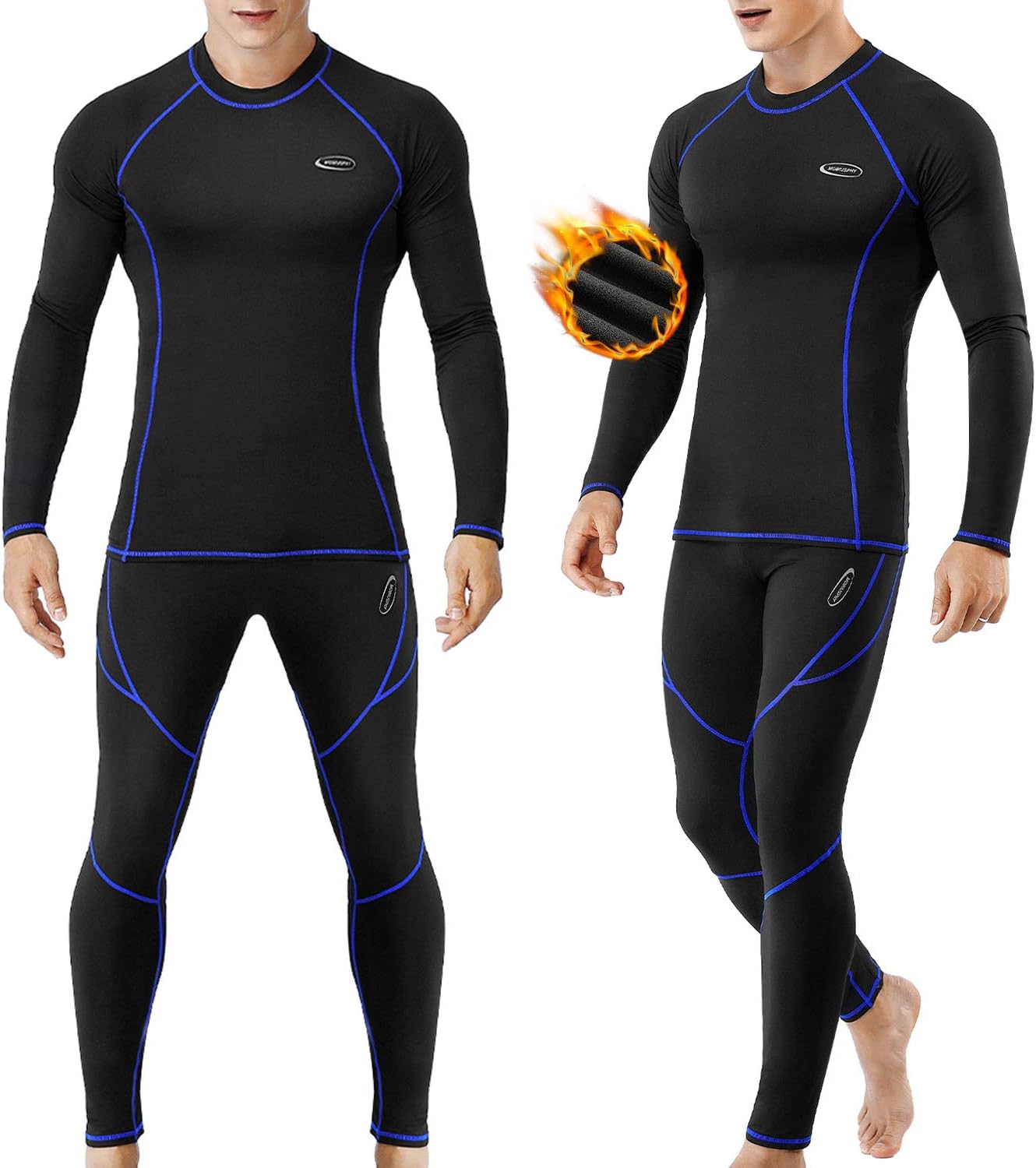
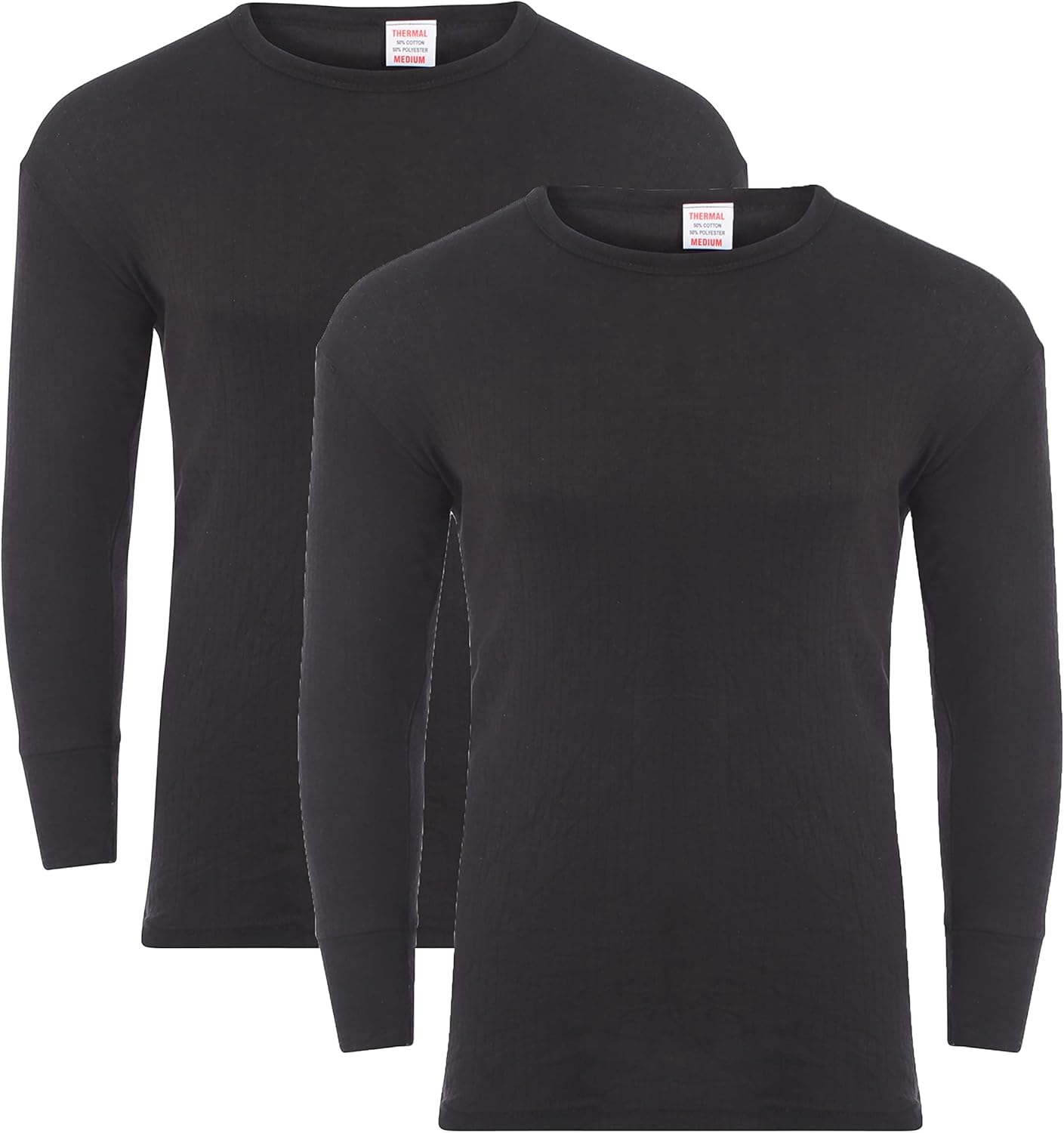
Merino wool and fabric weight science for stylish performance
For serious gym attire, merino wool remains the reference point for the best thermals. This natural wool regulates warmth, resists odour, and feels soft against the skin during long sessions. When you compare merino to synthetic fabric, the difference in comfort during winter training is immediate.
Understanding fabric weight helps you choose the right base layer for each workout. Lightweight merino wool base layers around 150 to 200 grams per square metre suit high intensity training in cool weather, while heavier fabric weight closer to 250 suits cold weather outdoor runs. Men who train year round often rotate several base layers to match changing weather and workout intensity.
Brands like Smartwool use merino in their smartwool classic thermal merino lines, offering both men and smartwool women options. The smartwool classic base layer range often includes long sleeve tops with half zip necklines, which allow precise ventilation during intervals. When styled under a fitted track jacket, these pieces look sharp while quietly delivering elite warmth and moisture wicking performance.
Technical blends and price versus performance
Not every athlete wants pure wool, so technical blends combine merino with synthetics for durability. Pieces like capilene midweight base layers from performance brands use recycled polyester with a brushed interior for warmth and fast drying comfort. These fabrics often come at a lower price than premium ibex woolies or woolies pro merino pieces, which matters if you build multiple gym outfits.
For fashion men passionate about details, the choice between ibex woolies and a capilene midweight top becomes a style and performance decision. Ibex woolies pro long sleeve tops offer a more luxurious hand feel and natural drape, which pairs beautifully with tailored joggers and minimalist trainers. Synthetic rich base layers, by contrast, often show a sportier sheen that suits bold sneakers and technical outerwear.
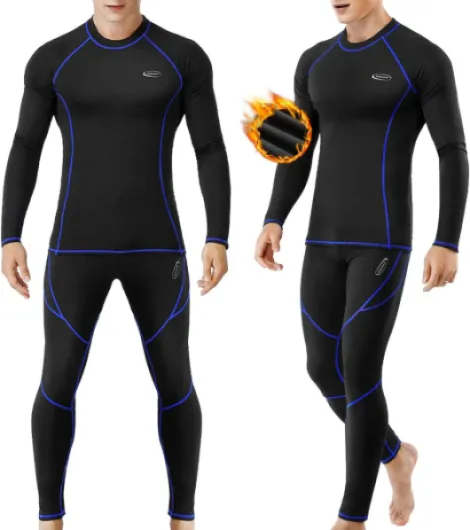
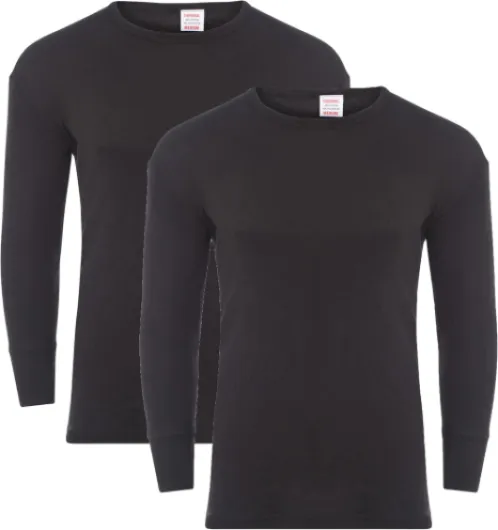
Whatever you choose, treat your base layer as a visible part of your gym wardrobe, not just hidden thermal underwear. Coordinate the colour of your long johns or top bottom set with your socks and briefs for a cohesive look from skin to shell. For example, pairing refined breathable briefs from a cotton tag free underwear multipack with your best thermals keeps both comfort and aesthetics aligned.
Fit, layers, and silhouette control in the cold gym season
Fit decides whether your best thermals look intentional or accidental. A base layer that is too loose traps cold air and ruins the clean lines of your gym outfit. One that is too tight restricts movement and can show unflattering tension across the shoulders and chest.
For most men, a close to body fit that follows the torso without compression works best. This allows you to stack layers, from base to mid layer to outer shell, without bulk or bunching at the elbows and waist. When you raise your arms for overhead presses, a well cut long sleeve base layer should not untuck or twist.
Think of your layers as a vertical system, starting with a moisture wicking base layer against the skin. Over that, add a classic thermal mid layer such as a fleece half zip or a lightweight intraknit thermal top for extra warmth. Finally, finish with a wind resistant shell if you move between outdoor tracks and indoor weights in harsh winter weather.
Balancing warmth and breathability
Warmth without breathability quickly becomes a liability during heavy lifts or circuits. A high quality thermal merino base layer manages sweat so your skin stays relatively dry, which preserves warmth even when you rest between sets. Synthetic rich base layers can match this moisture wicking performance, but they rarely equal the natural odour resistance of merino wool.
Accessories complete the silhouette, and they must respect the same performance logic. Technical socks such as the ones reviewed in this Nike everyday crew socks test support your thermal underwear system by managing sweat at the feet. When socks, long johns, and base layers all share moisture wicking properties, your entire outfit works as a coherent climate control system.
For fashion focused men, the classic season palette of charcoal, navy, and deep green in their best thermals keeps outfits versatile. You can wear the same long sleeve base layer under a bomber for coffee, then under a hoodie for deadlifts. Women who train with equal intensity can mirror this approach, choosing smartwool women base layers that echo the colours of their outerwear and trainers.
Iconic thermal lines every fashion forward lifter should know
Certain product families have become reference points for the best thermals in active menswear. Smartwool classic thermal merino base layers are a staple for men who want natural warmth with a refined look. Their long sleeve tops and matching long johns sit smoothly under joggers, avoiding the bulky feel of older thermal underwear.
Ibex woolies and woolies pro lines appeal to athletes who value luxury level wool. The ibex woolies base layer range uses high quality merino wool with a soft hand, while woolies pro pieces add durability for repeated gym sessions and outdoor training. These base layers feel more like premium knitwear than technical gear, which suits men who move between gym, café, and office without changing outfits.
On the more technical side, capilene midweight base layers from performance brands offer excellent moisture wicking at a competitive price. Their fabric weight sits in the sweet spot for cold weather training, warm enough for outdoor runs yet not overpowering indoors. When styled under a sleek track jacket, a capilene midweight long sleeve top gives a clean, modern line that flatters most physiques.
Intraknit thermal and hybrid designs
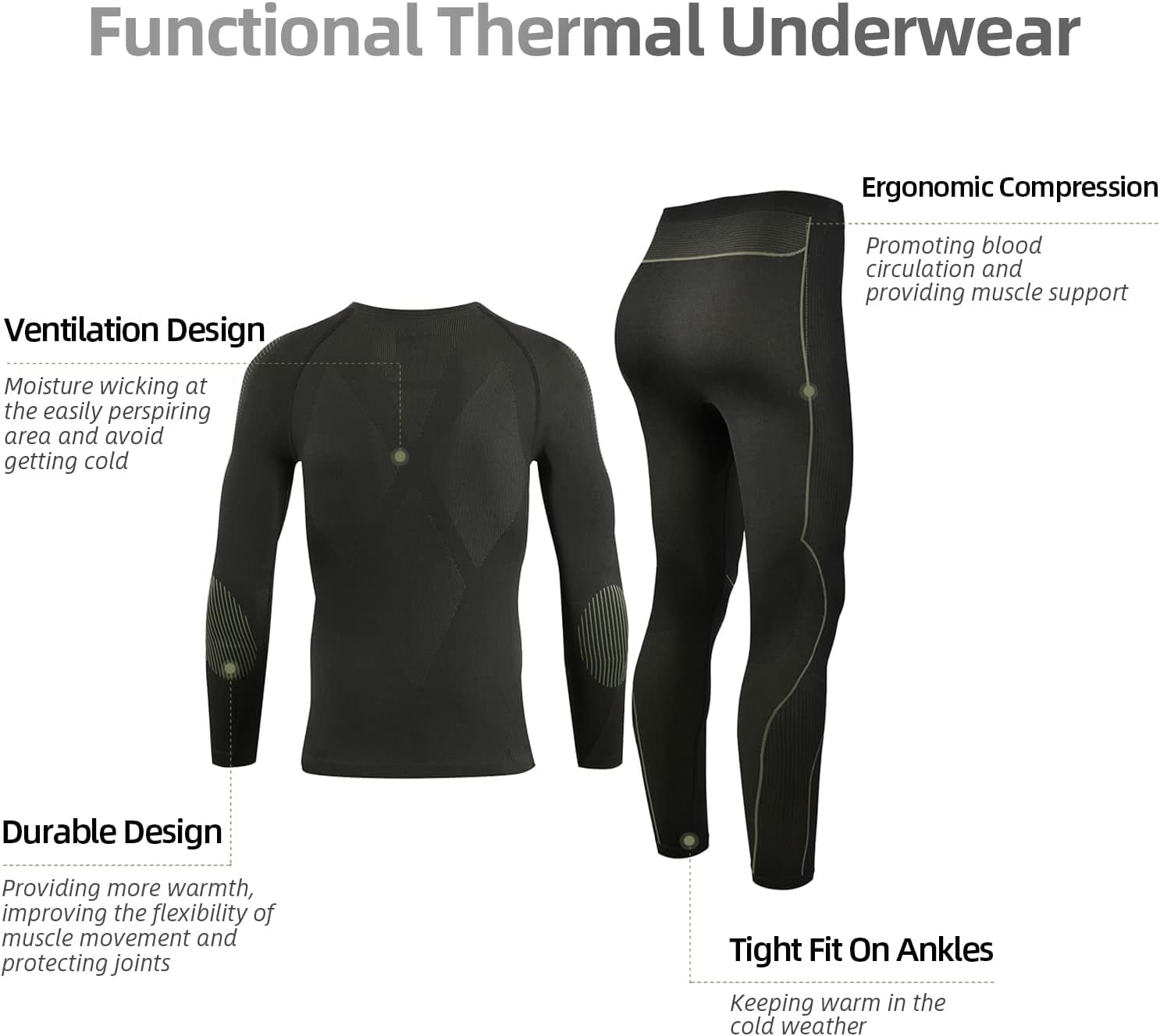
Intraknit thermal constructions use body mapped knitting to place warmth and ventilation exactly where you need them. In practice, this means denser fabric at the core for warmth and more open knit at high sweat zones for breathability. Men who push heavy weights or perform high intensity intervals appreciate how these base layers adapt to changing effort levels.
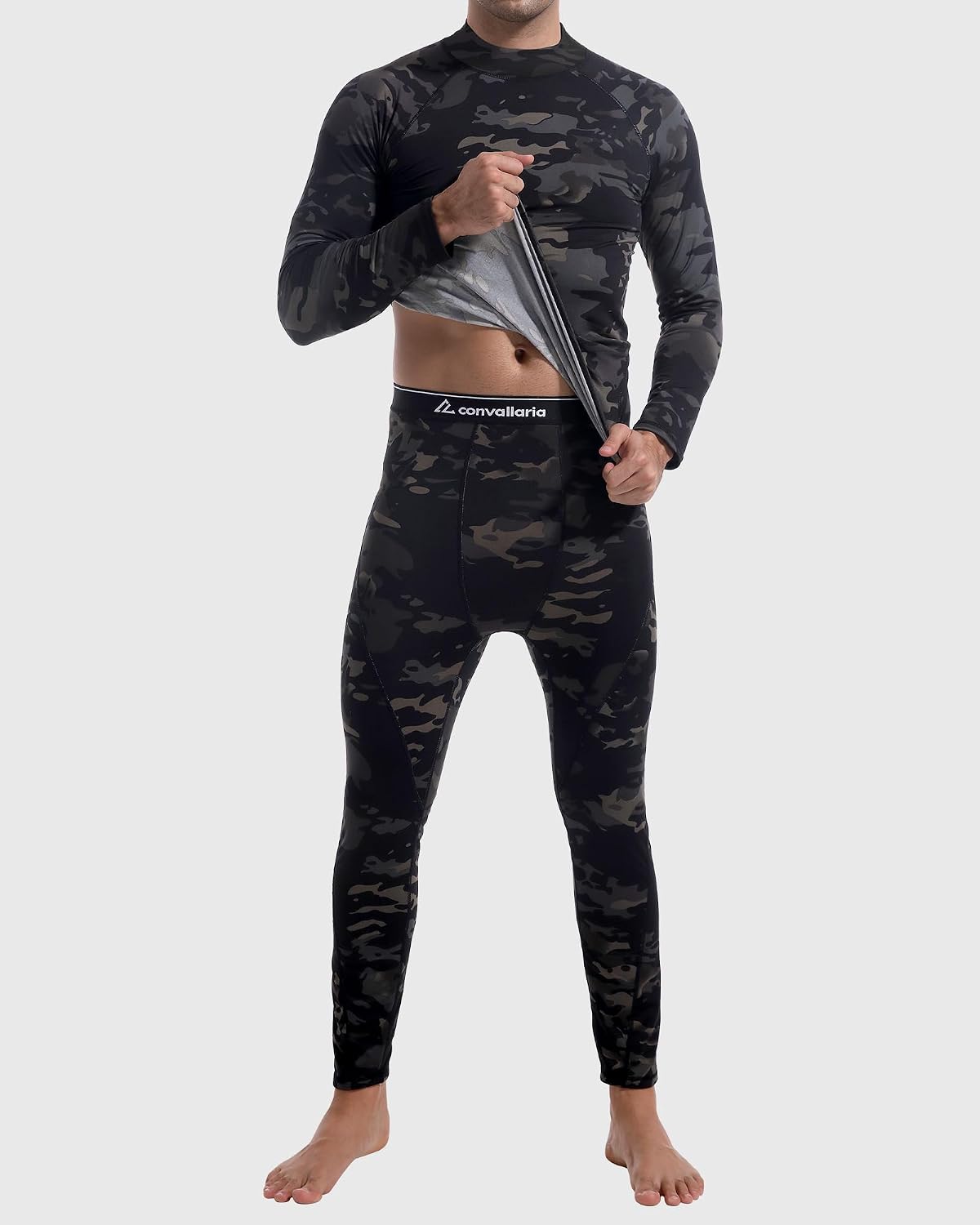
Hybrid designs often combine a smooth exterior with a brushed interior for extra warmth. A half zip thermal merino top with this construction lets you fine tune temperature by opening the zip between sets or during warm ups. When paired with slim joggers and minimal trainers, such a top bottom combination looks sharp enough for a quick coffee stop after the gym.
Women who train alongside fashion conscious men can access parallel lines, such as smartwool women base layers that mirror the smartwool classic mens range. Coordinated couples sometimes choose matching colours or fabric families, creating a subtle style narrative in the weight room. Whether you prefer classic thermal silhouettes or cutting edge intraknit thermal designs, the key is aligning performance features with your personal aesthetic.
Building a winter gym wardrobe around top thermals
A refined winter gym wardrobe starts with two or three pairs of the best thermals. Aim for at least one lightweight base layer for milder weather and one heavier thermal merino set for deep winter. This gives you flexibility to adjust layers without compromising your overall style.
Next, add mid layers that respect the clean lines created by your base. A fitted fleece half zip or a slim quilted vest works well over a long sleeve base layer, preserving warmth at the core while keeping arms free. Men who favour a classic aesthetic can choose neutral colours, then introduce interest through texture and subtle fabric contrasts.
Outerwear should complement, not fight, the silhouette created by your base layers. A tailored bomber or streamlined parka sits neatly over intraknit thermal tops and long johns, avoiding the overstuffed look that ruins many winter gym commutes. When every layer from base to shell is considered, you move through cold weather with both warmth and confidence.
Accessories, underwear, and style details
Underwear and accessories quietly support the performance of your best thermals. Breathable briefs, supportive socks, and moisture wicking caps all contribute to overall comfort during long sessions. Choosing pieces in colours that echo your base layers creates a subtle but powerful sense of cohesion.
For men who care about every detail, even wristwear can align with the technical elegance of their thermal system. A refined sport watch, such as those reviewed in this guide to sport watches under 500 for style and performance, completes the look without clashing with performance fabrics. The goal is a gym outfit where every element, from thermal underwear to accessories, feels intentional.
Women who share the same training spaces often adopt similar strategies, pairing smartwool women base layers with sleek leggings and minimalist sneakers. When both men and women treat thermals as central style pieces rather than hidden layers, the entire gym aesthetic evolves. Winter becomes a classic season for refined activewear, not an excuse for bulky, shapeless outfits.
Price, value, and long term strategy for thermal investments
Evaluating the price of the best thermals means looking beyond the initial receipt. A high quality merino wool base layer may cost more than a synthetic alternative, but it often replaces several cheaper pieces over time. Men who train four or five times per week quickly feel the difference in comfort, warmth, and durability.
Consider cost per wear when comparing classic thermal lines like smartwool classic or ibex woolies to entry level options. If a premium thermal merino long sleeve top lasts several winters of heavy use, its effective price per session can undercut cheaper base layers that lose shape or warmth quickly. This long term view aligns with a more sustainable wardrobe strategy, where fewer, better pieces define your gym style.
Women face the same calculation when choosing smartwool women base layers or woolies pro sets for mixed indoor and outdoor training. A well chosen top bottom combination that works for both running and lifting reduces the need for separate wardrobes. Over time, this focused approach frees budget for targeted upgrades, such as a new intraknit thermal piece or a lighter capilene midweight base for shoulder seasons.
Practical buying checklist for fashion focused athletes
When you shop, start by defining your primary weather conditions and training style. If you mostly lift indoors but commute in cold weather, prioritise medium fabric weight base layers that balance warmth and breathability. Outdoor runners in harsh winter climates should lean towards heavier merino wool or hybrid thermal underwear with strategic panels.
Next, assess fit and layering potential by trying tops with your usual mid layers and outerwear. A base layer that feels perfect alone may bunch under a fitted jacket, so test full outfits whenever possible. Pay attention to sleeve length, hem length, and how the garment behaves when you reach, squat, and rotate.
Finally, align colour and style with your existing wardrobe to maximise versatility. Neutral tones in your best thermals pair easily with most gym and streetwear pieces, while one or two statement colours keep things interesting. Over time, this considered approach builds a winter gym wardrobe where every layer, from long johns to outer shell, earns its place.
Key figures on thermals, performance, and cold weather training
- Research from the American College of Sports Medicine reports that exercising in cold weather without adequate thermal layers can reduce muscle power output by up to 10 percent compared with training in thermally neutral conditions, which underlines the performance value of proper base layers.
- Market data from Grand View Research shows the global thermal wear market exceeded 25 billion US dollars in recent years, with merino wool and technical base layers representing one of the fastest growing segments due to increased outdoor and gym participation.
- Laboratory tests published by the International Wool Textile Organisation indicate that merino wool can absorb up to 35 percent of its own weight in moisture before feeling wet, while many synthetic fabrics feel damp at around 7 percent, which explains the superior comfort of merino base layers during long sessions.
- Consumer surveys from the Outdoor Industry Association reveal that more than 60 percent of frequent winter athletes own at least two different fabric weight base layers, confirming that layering strategies rather than single heavy garments dominate modern cold weather wardrobes.
- Energy efficiency studies in sports facilities show that athletes wearing appropriate thermal underwear and layers can comfortably train in gyms kept 1 to 2 degrees Celsius cooler, which can reduce heating costs for operators while maintaining user comfort.