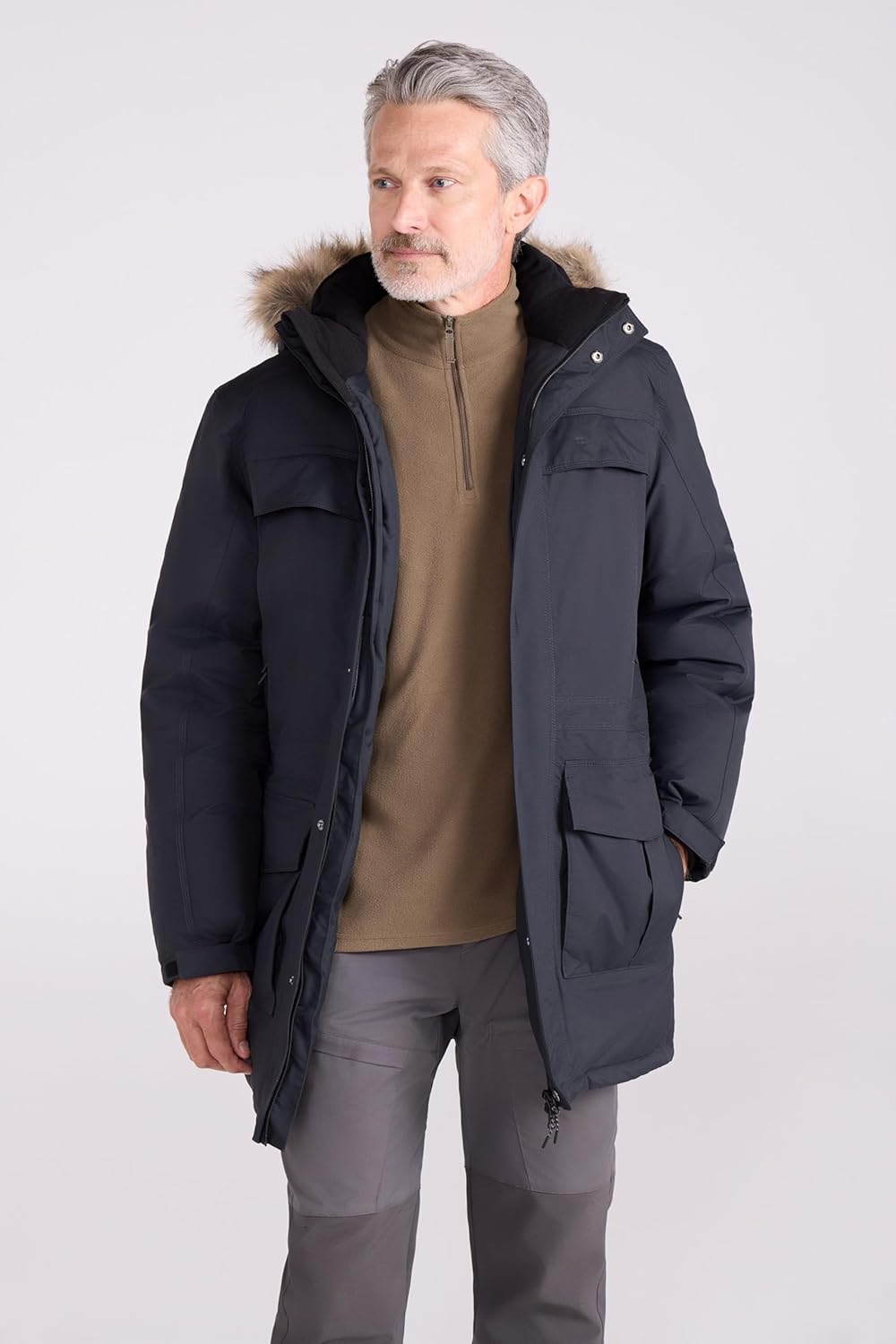
Technical performance of top down jackets for urban and alpine use
Performance focused fashion men want the best down jackets that move seamlessly from city commutes to alpine weekends. In that context, warmth weight ratio becomes the defining metric, because you need a jacket that feels warm on a frozen platform yet light enough to pack down into a carry on. High fill power down, combined with a smart baffle design, delivers this balance by maximizing trapped air without adding unnecessary weight.
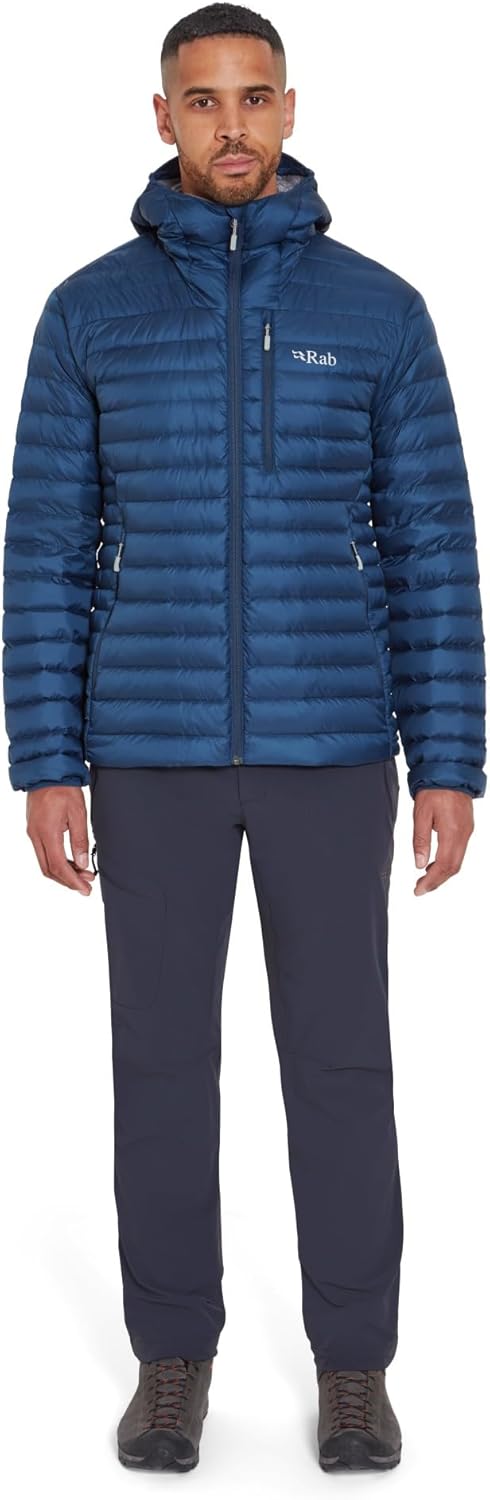
Brands like Arc’teryx, Mountain Hardwear, and Montbell Alpine have built reputations on technical down jackets that still look refined. An Arc’teryx down hoody, for example, often uses strategic synthetic insulation in high moisture zones while keeping premium power down in the core, which preserves warmth even when the jacket gets damp. Mountain Hardwear and Montbell Alpine models tend to emphasize low weight and a trim fit, which suits men who want a sleek profile under a shell or over a fine gauge knit.
Retailers such as REI offer their own lines, including the REI Magma and REI Down series, which provide strong value for men who want top performance without luxury pricing. The REI Magma down jacket uses high fill power insulation and a minimalist design, making it easy to pack down into its own chest pocket for travel or après ski. When you check price on REI Down pieces, you often find that the warmth weight ratio competes well with more expensive brands, especially in medium large sizes that many men wear.
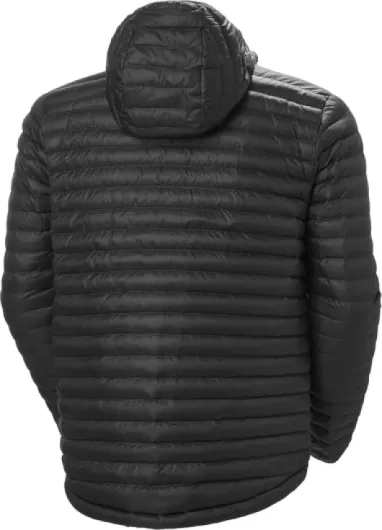
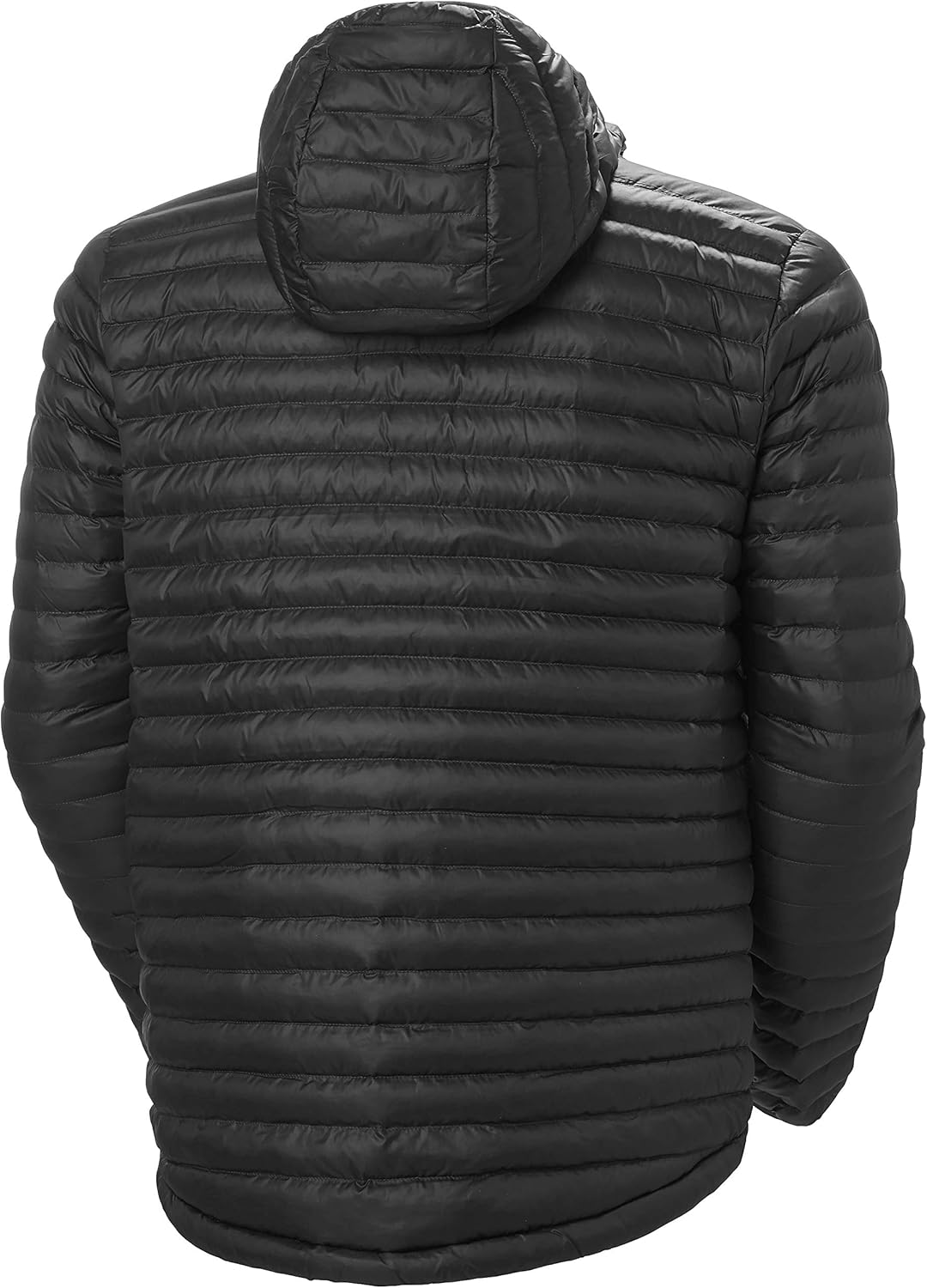
For those who split time between city and slopes, a piece like the Helly Hansen insulated hooded jacket tested here as a technical hooded jacket for men offers a useful benchmark. This type of jacket men design shows how a well shaped hood, sealed seams, and a slightly longer hem can work together to keep the lower back warm on a chairlift or a scooter ride. When you compare it with a pure down hoody, pay attention to how the synthetic panels affect overall weight and packability, especially if you travel frequently.
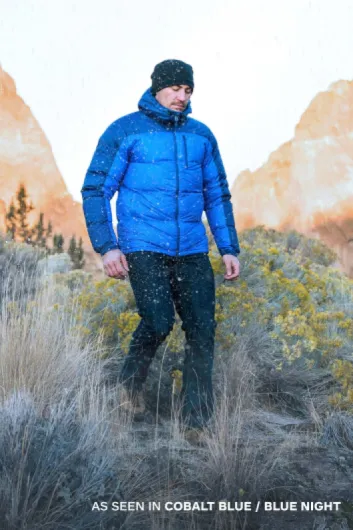
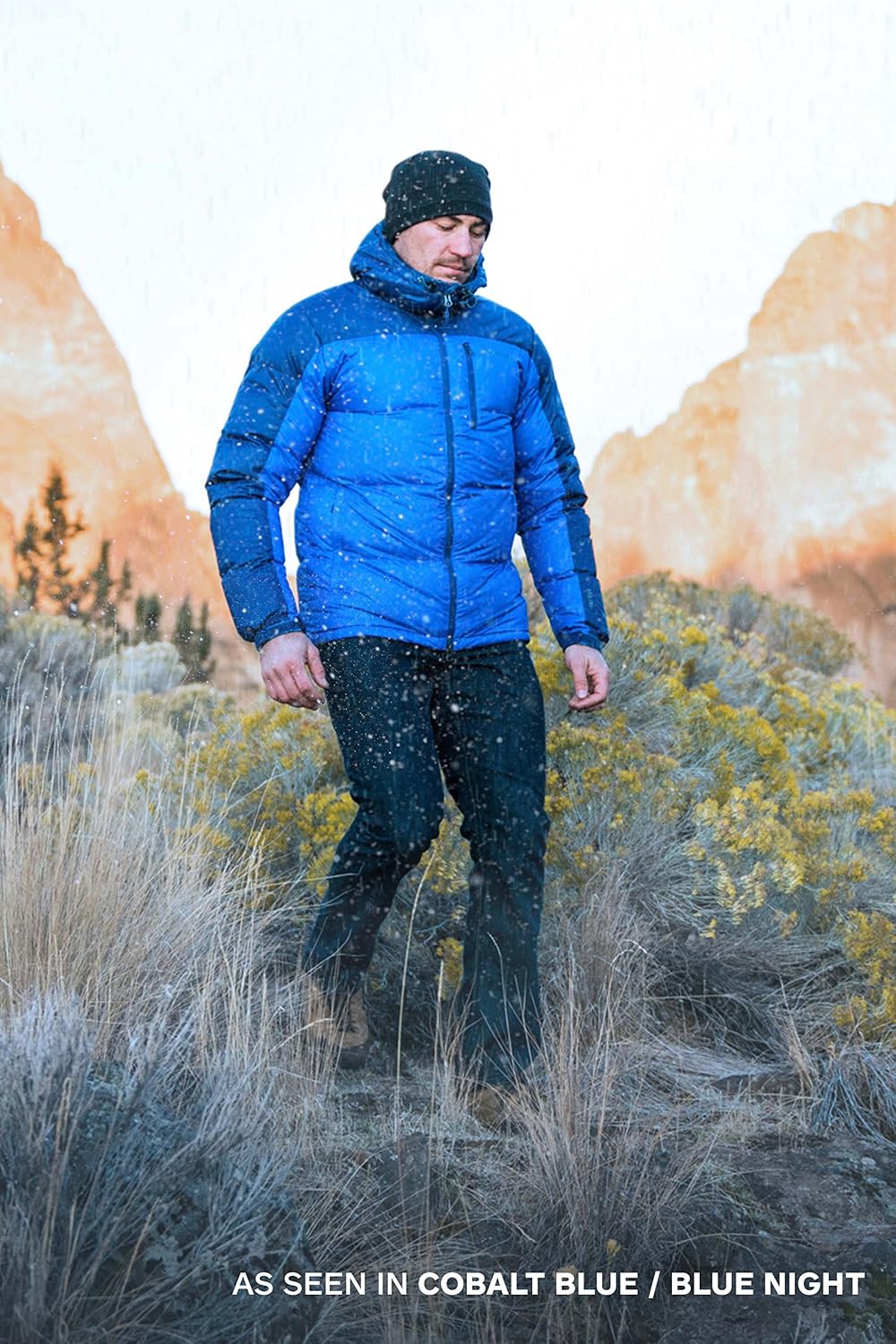
Face fabrics matter as much as insulation when you evaluate the best down jackets for winter. A durable face summit style fabric, often seen on alpine oriented jackets, resists abrasion from backpacks and rough stone while still allowing the down to loft fully. Men who live in wet climates should prioritize water resistant shells and consider how often they will wear a shell over the down jacket, since constant layering can compress the fill and reduce long term warmth.
Style, silhouette, and how to wear down jackets with confidence
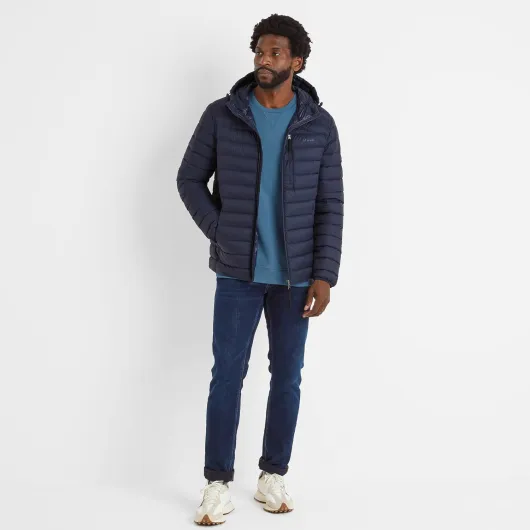
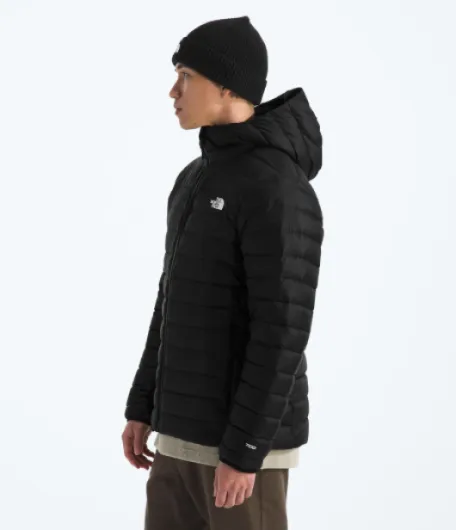
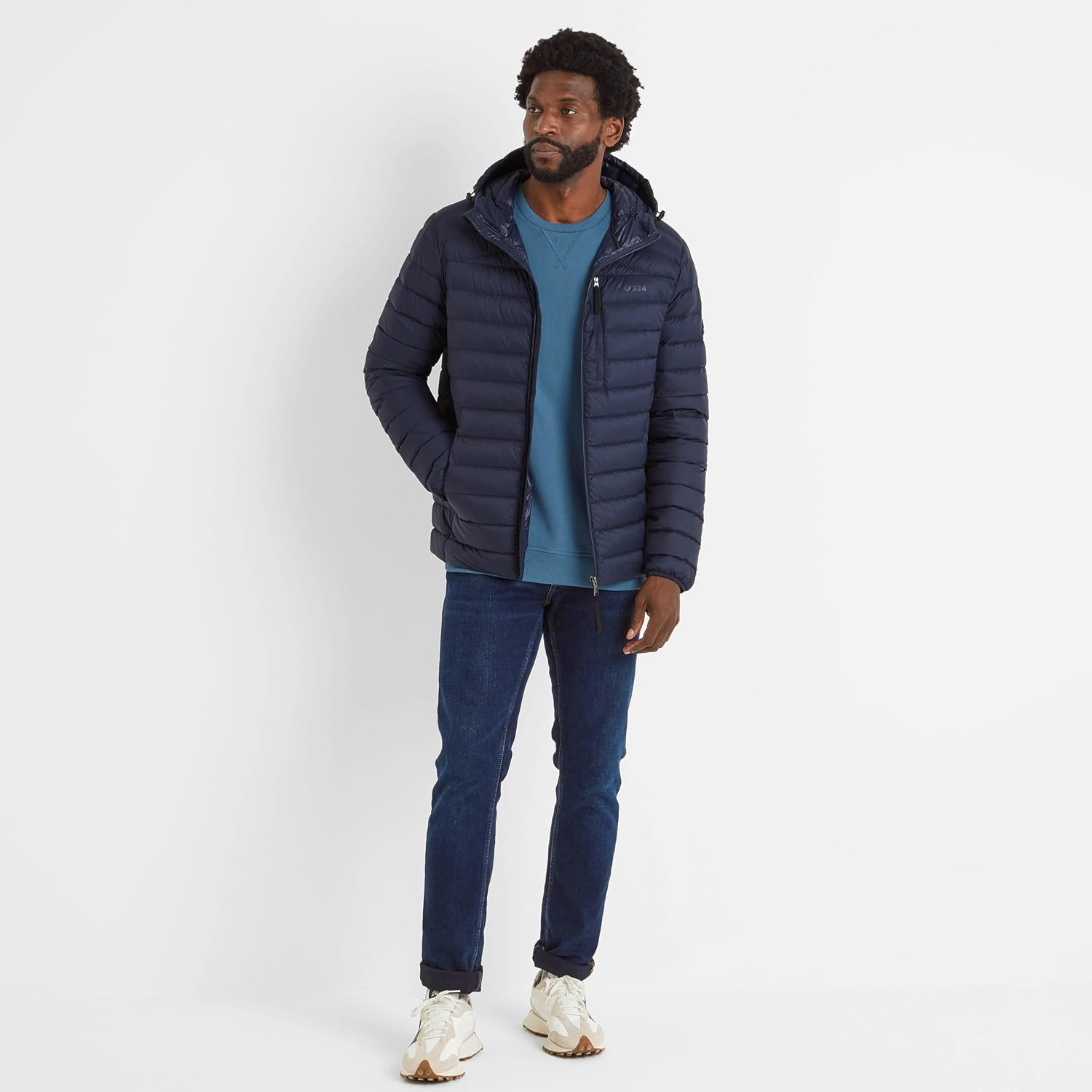
Fashion conscious men know that the best down jackets must flatter the body as much as they protect it. A well cut down jacket should create a clean vertical line, avoiding the overstuffed look that can make even the best down feel clumsy and heavy. Shorter jackets work well with denim and sneakers, while slightly longer cuts pair elegantly with tailored trousers and leather boots.
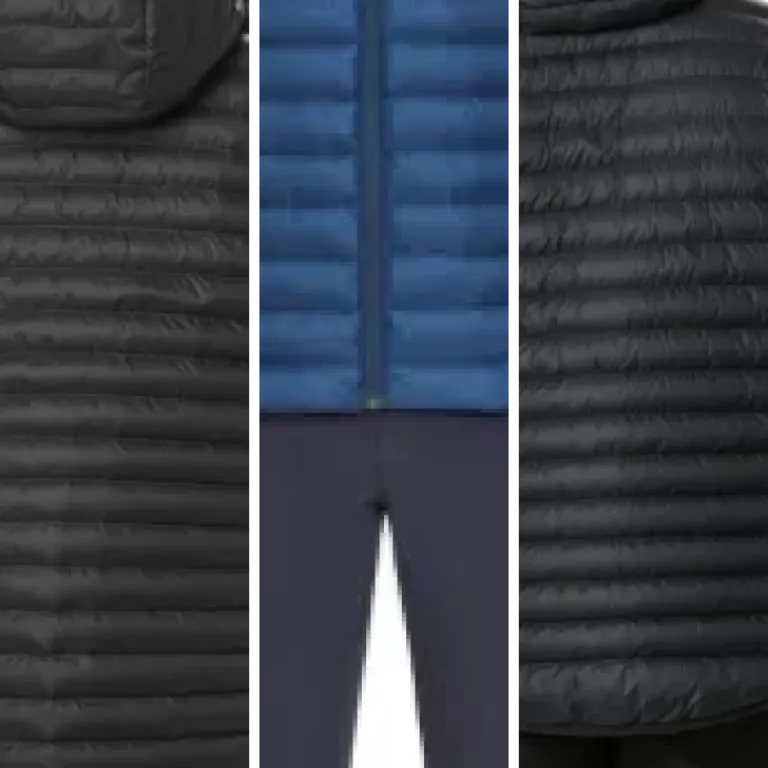
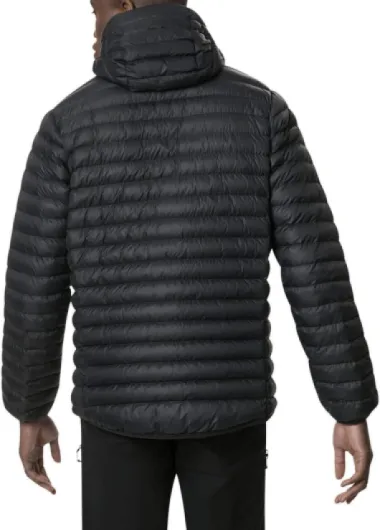
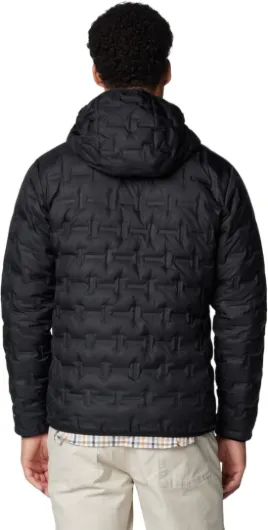
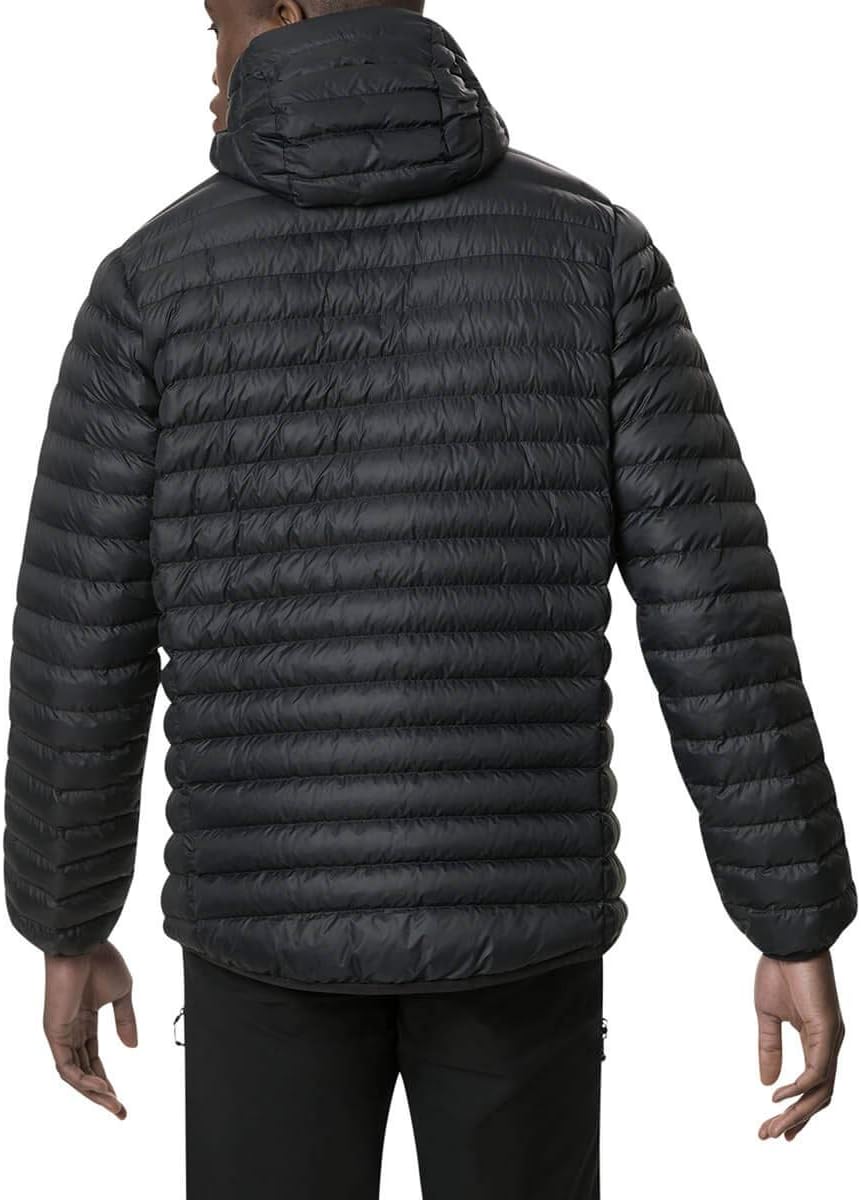
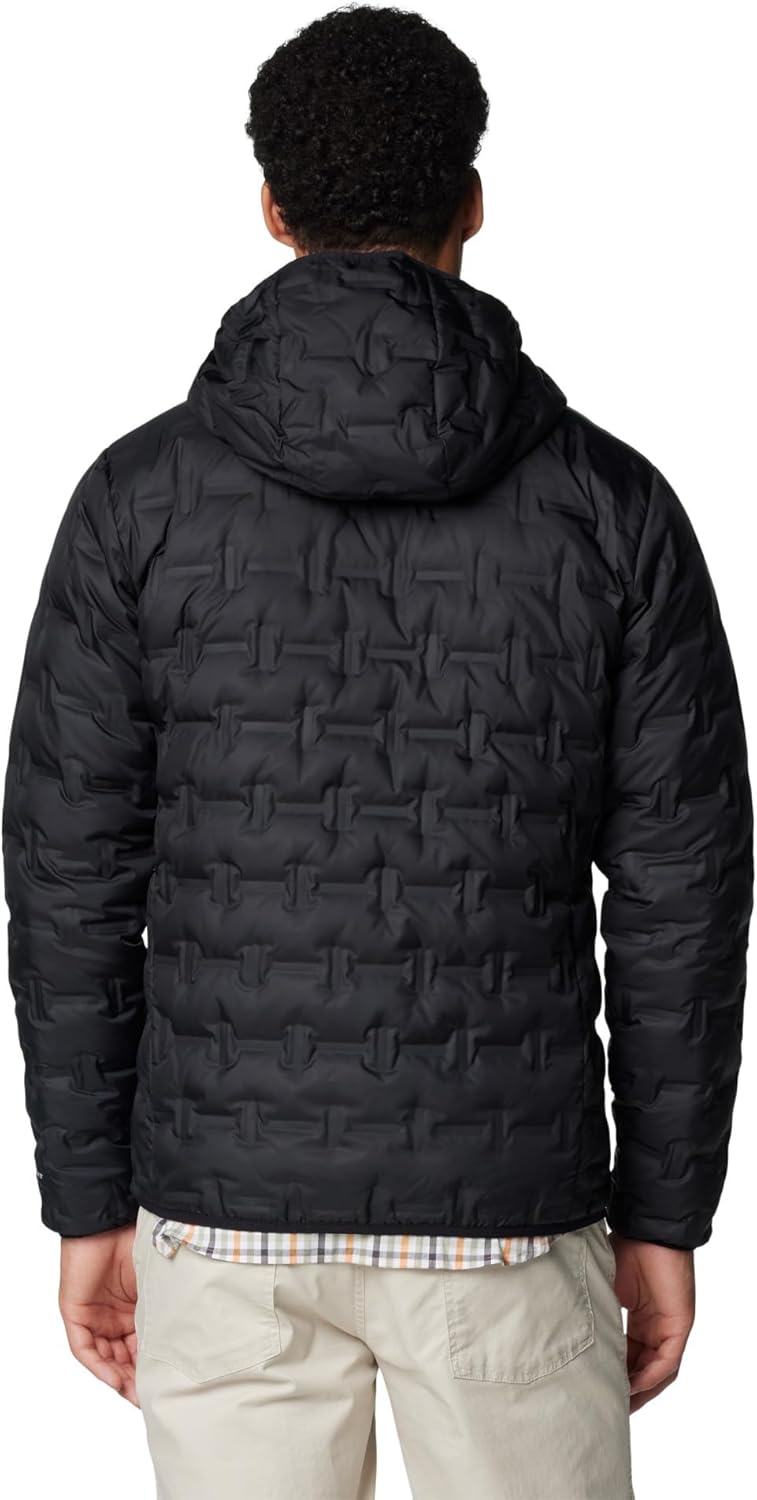
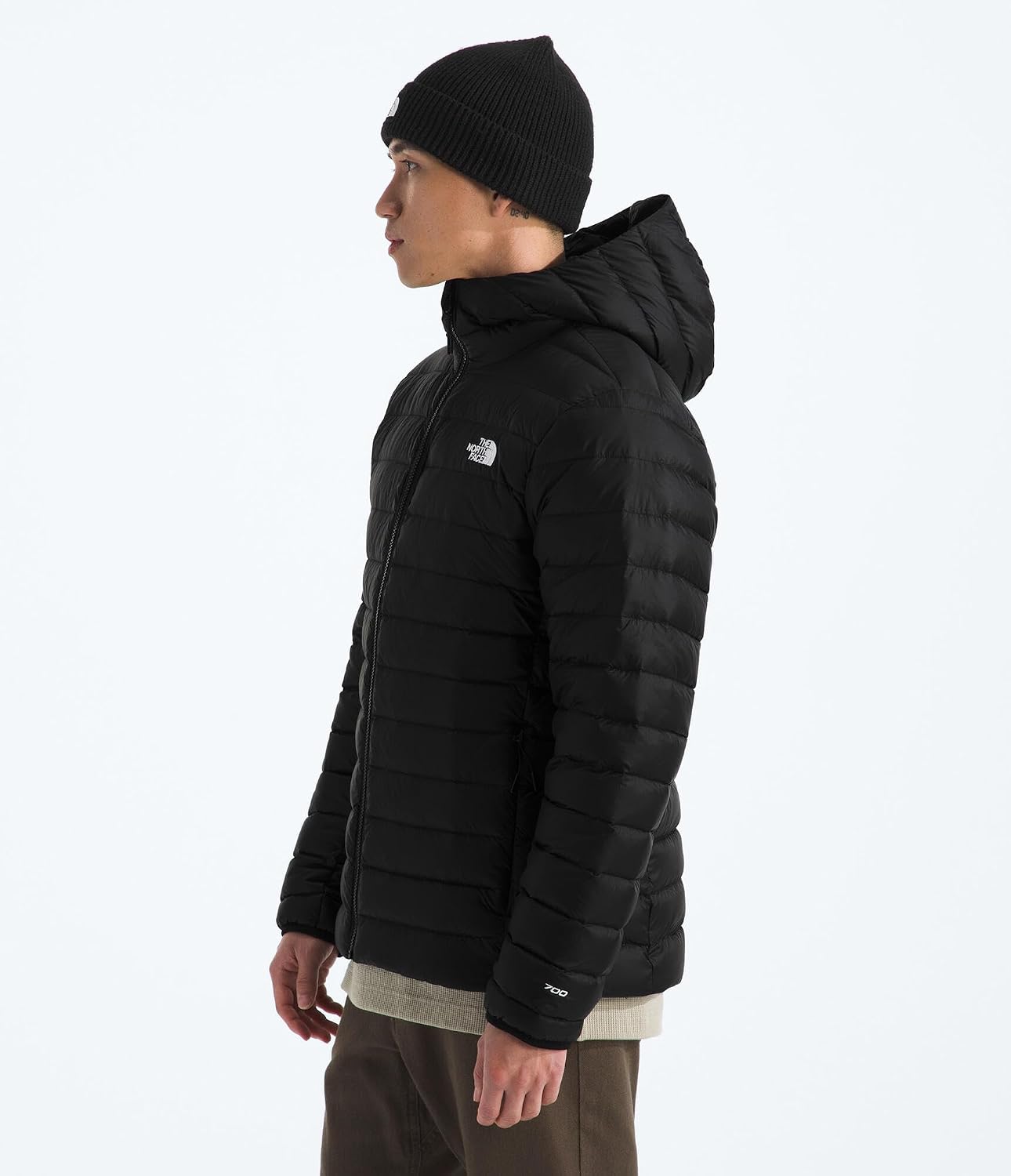
Pay close attention to quilting patterns, because they influence both style and warmth distribution. Narrow horizontal baffles keep the fill evenly spread and reduce cold spots, while larger baffles can emphasize bulk unless the fit is carefully tailored to your size. Men with broader shoulders often look best in jackets with angled or mixed quilting, which visually narrows the torso and keeps the silhouette sharp even when the jacket is fully zipped and the hood is up.
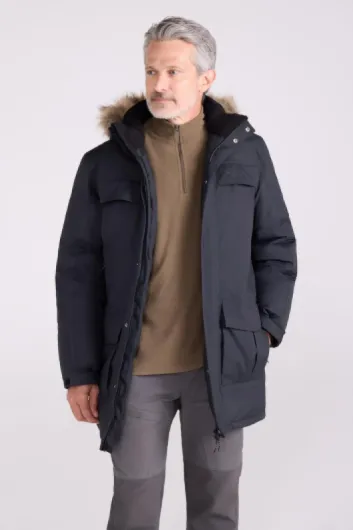
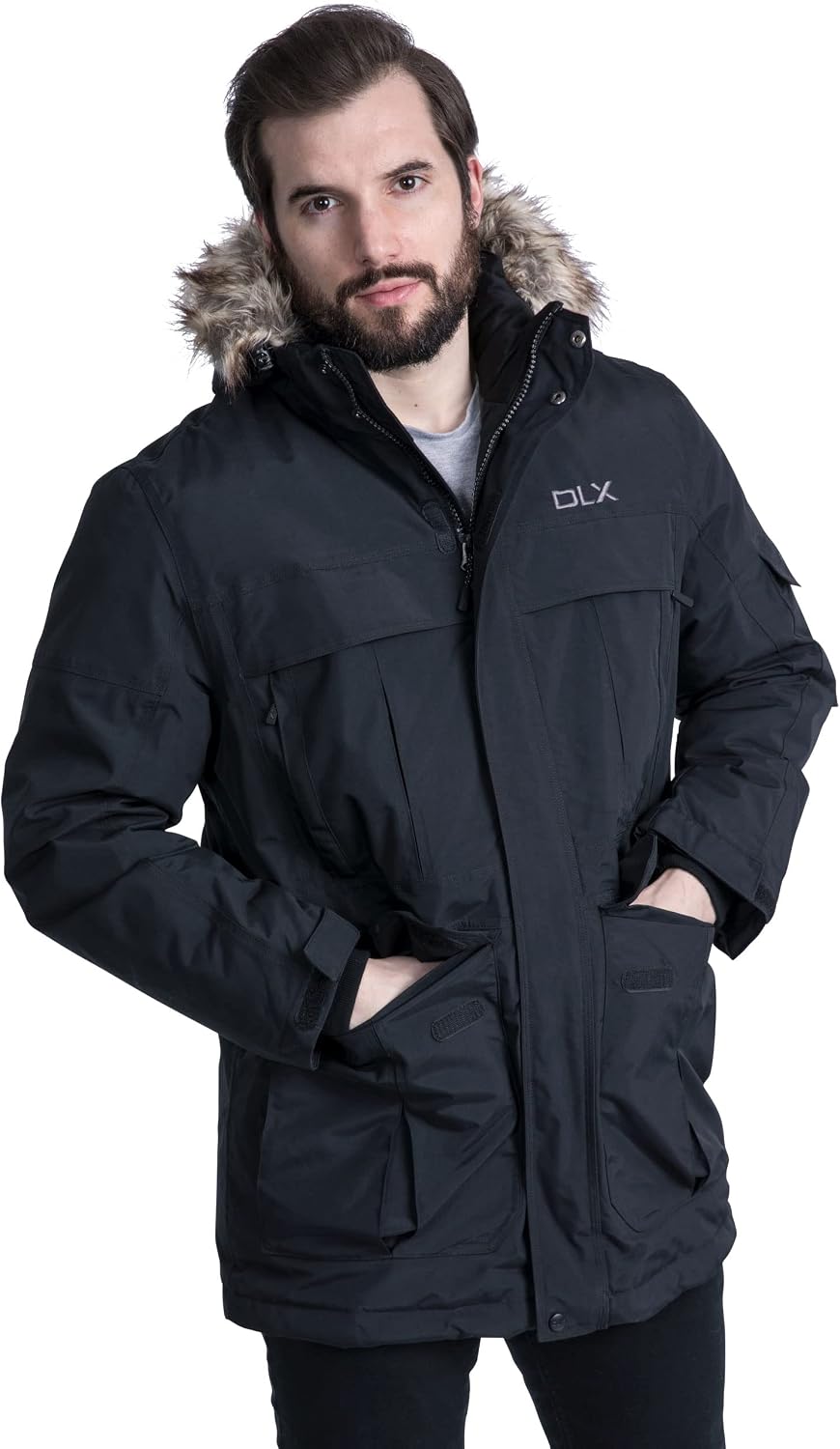
Color choice defines how versatile your winter wardrobe will feel across the season. Black, navy, and charcoal remain the safest options for a jacket men can wear from office to bar, but deep earth tones like forest green or rust can add character without sacrificing polish. When you check price across colorways, remember that limited seasonal shades sometimes cost more, so decide whether that extra flair justifies the extra spend for your lifestyle.
Technical ski oriented pieces can also work in the city when styled correctly. A refined ski jacket from a curated selection of top ski jackets can double as a daily winter jacket if the branding is subtle and the cut is streamlined. In that case, look for a down hoody or hybrid design with a discreet chest pocket and minimal contrast panels, so the jacket reads as modern outerwear rather than pure mountain gear.
Accessories complete the picture for men who care about every detail. A slim beanie, leather gloves, and a structured scarf can frame the hood and collar area, making even a packable down piece feel intentional rather than purely functional. When you rotate between different down jackets through the winter, keep one ultra warm hoody for harsh days and one lighter jacket for milder weather, ensuring that each option aligns with your preferred fit and overall aesthetic.
Fit, sizing, and tailoring tips for men’s down jackets
Getting the right fit transforms even the best down jackets from merely practical to genuinely elegant. Men should start by measuring chest, shoulders, and arm length, then compare those numbers with each brand’s size chart rather than guessing between medium and large. A jacket that fits well in the shoulders but leaves extra fabric at the waist will look untidy, while a too tight hoody restricts movement and compresses the down.
When you try on a down jacket, wear the layers you actually use in winter, such as a merino base and a medium knit. Zip the jacket fully, raise your arms, and check whether the hem lifts too high or the sleeves pull back from your wrists, since these are signs that the size is too small even if the torso feels warm. Men who sit between sizes often benefit from choosing the larger option, then using internal drawcords or a tailor to refine the waist and hem.
Pay attention to shoulder seams and arm articulation, especially on technical down jackets designed for active use. The seam should sit right at the edge of your shoulder bone, not slide down the arm, which would add visual weight and reduce mobility. A well designed jacket men style will include pre curved sleeves and underarm gussets, allowing you to move freely without stressing the fabric or crushing the fill.
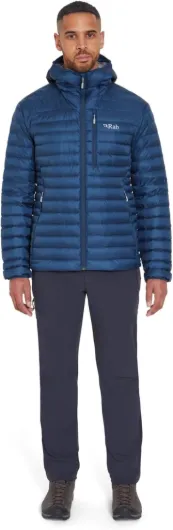
Details like the chest pocket, hand pockets, and hood adjustment also influence perceived fit. A chest pocket placed too high can distort the line of the jacket when you carry a phone, while low hand pockets may break the silhouette of tailored trousers. Look for a down hoody with a close fitting hood that moves with your head, since a loose hood not only loses warmth but also makes the whole jacket appear oversized.
Finally, consider how your down jackets interact with other outerwear pieces in your wardrobe. A slim packable down jacket can serve as an inner layer beneath a wool overcoat, while a slightly roomier hoody works as a standalone winter shell for casual days. Men who invest in tailoring should bring their favorite blazer when shopping, to check that the jacket’s shoulders and sleeves layer cleanly without creating extra bulk or restricting movement.
Comparing leading brands and models in the best down jackets category
Among performance oriented fashion men, a few names consistently appear when discussing the best down jackets. Arc’teryx stands out for its precise patterning and technical fabrics, which give each down jacket a sharp, athletic line that still works in the city. Many men consider an Arc’teryx down hoody a benchmark piece, thanks to its balance of warmth, low weight, and refined detailing.
Mountain Hardwear competes strongly with designs that emphasize warmth weight efficiency and alpine reliability. Their down jackets often use high fill power insulation combined with durable face fabrics, making them ideal for men who split time between climbing trips and urban winters. When you check price against Arc’teryx, Mountain Hardwear sometimes offers slightly better value, especially in core sizes like medium and large where stock is deepest.
Montbell Alpine models appeal to purists who prioritize minimalism and packability. A typical Montbell Alpine down jacket uses very light fabrics and high quality down, allowing it to pack down into a tiny bundle that disappears in a backpack or weekender bag. Men who travel frequently appreciate how these jackets provide serious warmth without adding noticeable weight to their luggage.
Retailers such as REI contribute their own strong options through lines like REI Magma and REI Down. The REI Magma series focuses on premium fill power and clean design, while REI Down jackets target accessible pricing with reliable warmth and straightforward styling. When you compare these with top tier brands, consider not only the initial cost but also the long term durability of zippers, face fabrics, and stitching, since these elements determine how long the down stays protected.
Finally, some men prefer hybrid wardrobes that mix technical down jackets with more traditional winter coats. A carefully chosen jacket women style, perhaps borrowed from a partner, can even inspire men to experiment with different lengths, quilting patterns, and color palettes. The key is to treat each down jacket as a considered design object, evaluating warmth, fit, and visual impact with the same attention you would give to tailoring or footwear.
Practical care, longevity, and ethical considerations for down jackets
Owning the best down jackets means committing to proper care, because well maintained down can retain its warmth for many winters. Men should always check the care label before washing, since some down jackets tolerate gentle machine cycles while others require professional cleaning. Using a down specific detergent and drying the jacket slowly with clean tennis balls helps restore loft and prevents clumping of the fill.
Storage habits directly influence how long a down jacket stays warm and resilient. Avoid leaving your down hoody compressed in a stuff sack for months, because constant compression damages the delicate clusters that create warmth. Instead, hang the jacket on a broad hanger in a cool, dry wardrobe, allowing the down to breathe and the face fabric to relax between wears.
Ethical sourcing has become a central concern for many fashion conscious men who invest in premium outerwear. Look for certifications such as the Responsible Down Standard, which tracks the supply chain to ensure that the down used in your jacket comes from farms that meet animal welfare criteria. Brands that publish clear information about their sourcing and manufacturing practices demonstrate the kind of transparency that aligns with a modern, values driven wardrobe.
Repair and aftercare services also matter when you evaluate the real cost of ownership for down jackets. Some brands and retailers offer patching or panel replacement for damaged face fabrics, which can extend the life of a favorite jacket by several seasons. Men who travel or ski frequently should consider keeping a small repair kit with adhesive patches, so minor nicks do not allow feathers to escape and reduce overall warmth.
Finally, think about how your down jackets fit into a broader winter system that may include wool coats, technical shells, and lighter insulated pieces. A carefully chosen best down hoody can serve as the warm core of that system, layered under a shell on storm days or worn alone in dry cold. By rotating pieces thoughtfully and caring for each jacket with attention, men can maintain both performance and style while reducing unnecessary consumption over time.
Key figures on men’s down jackets and winter performance
- High quality down jackets typically use fill power ratings between 700 and 900, which indicates how many cubic inches of loft one ounce of down provides according to industry testing standards.
- Laboratory comparisons show that premium down can offer up to three times more warmth weight efficiency than many synthetic insulations, making it especially attractive for men who travel frequently with limited luggage space.
- Market analyses from major outdoor retailers report that men’s down jacket sales increase by more than 20 percent during early winter months, reflecting how strongly men prioritize warmth once temperatures drop below freezing.
- Surveys of urban commuters in cold climate cities indicate that over half of respondents wear a down jacket at least four days per week in peak winter, highlighting the importance of both durability and timeless styling.
- Consumer data from large retailers shows that core sizes such as medium and large account for roughly 60 percent of men’s down jacket purchases, which explains why these sizes often sell out first in top models.