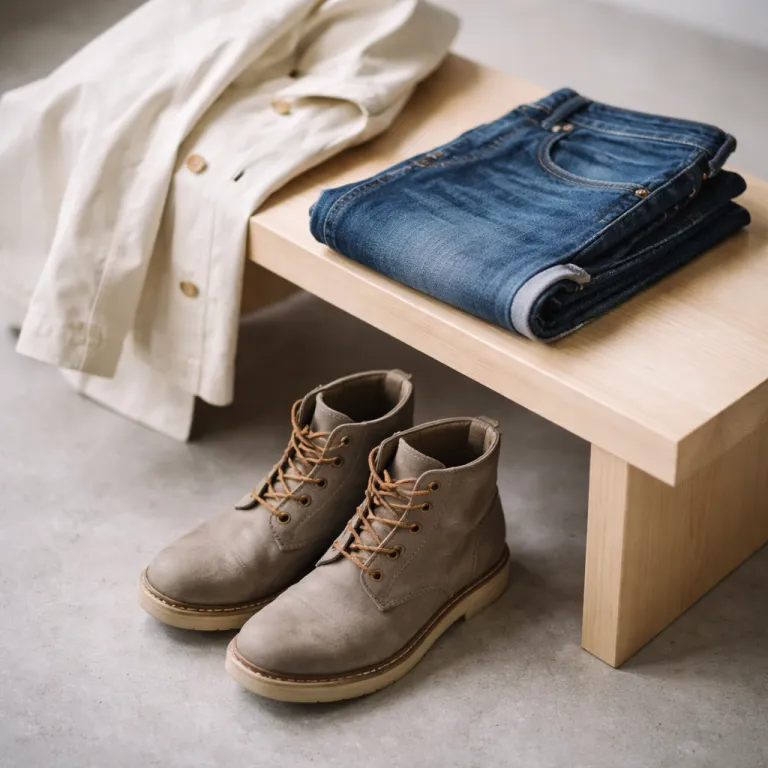
Late-spring chore coats and raw denim: a practical style guide
Why the chore coat still works in late spring
A strong late-spring chore coat look for men starts with weight and breathability. The classic workwear chore coat in 8 to 10 ounce (roughly 270 to 340 grams per square metre) canvas or cotton drill gives enough structure to feel intentional, yet the fabric vents heat once the sun is out and the office heating finally shuts off. When you treat the chore jacket as a transitional layer rather than a winter shell, it becomes the most useful casual coat in your wardrobe.
The heritage story matters, because the original French chore coat was built for real labour in fields and factories, not for cafés and creative studios. That history explains the big patch pockets, the straight fit and the tough cotton twill or canvas fabrics that can take wear without babying, which is exactly what you want when you move from wet mornings to warm afternoons. A late-spring work jacket in mid-weight cotton or organic cotton keeps the workwear roots honest while still feeling casual enough to throw over a T-shirt on a blue-sky day.
Think of modern chore coats as unstructured blazers for men who prefer fashion with grit. You still get clean lines, a sharp workwear silhouette and enough pockets to keep phone, keys and cardholder out of your hands, but the vibe stays relaxed and slightly vintage instead of corporate. For men who already own heavier coats for winter, a lighter French chore or denim work jacket fills the gap between your wool overcoat and your summer linen, and it does that job every single week.

Choosing the right fabric, weight and fit for warm weather workwear
Late spring is when fabric and weight decide whether your chore coat outfit feels effortless or oppressive. Aim for cotton twill or canvas around 270 to 320 grams per square metre (about 8 to 9.5 ounces), which is light enough for a commute yet still substantial enough to keep the workwear character intact. Brands like Vetra and Tellason cut their chore jacket patterns in this sweet spot, with cotton and organic cotton options that soften quickly but still wear hard, as their product descriptions and fabric notes usually confirm.
Colour does more than most men admit, especially once temperatures climb and the sun hits dark denim or navy coats. A blue French work jacket or washed denim jacket reflects more light than black, while still reading as serious enough for offices that accept casual fashion but not sloppy weekend wear, and a lighter shade also shows off the vintage patina that comes from real work and repeated wear. If you want more wind protection on exposed commutes, pairing a lighter chore coat with a technical layer from a curated selection of men’s windbreakers gives you range without sacrificing style.
Fit is where most men either nail the look or drown in fabric. Traditional French chore coats run boxy and long, so for a modern jacket outfit you want the hem cropped about two to three centimetres above your back pockets and the shoulders trimmed just enough to follow your frame without pulling. A competent tailor can adjust this by taking in the side seams and shortening the body, and that slightly shorter proportion lets you wear the piece over raw denim, chinos or cropped trousers without looking like you borrowed a work jacket from an older relative.
Raw denim in late spring: getting the weight and wear right
Raw denim is the second pillar of a late-spring chore coat combination, but the wrong weight turns your commute into a sauna. For this season, 12 to 13 ounce (roughly 400 to 440 grams per square metre) denim hits the balance between structure and comfort, giving you enough stiffness to support the workwear style without the punishing feel of 14 ounce winter jeans, and that weight still fades beautifully against the pockets and seams of your jacket. If you insist on heavier denim jacket or jeans, keep the rest of the outfit light with organic cotton tops and unlined leather footwear.
The break-in process changes when the weather warms up and men sweat more. Instead of the old advice to never wash, a gentle soak after four to six weeks of hard wear in cool water with a small amount of mild detergent removes salt and grime that can damage the fabric, while still allowing strong vertical fades where your coat, belt and pockets rub against the denim, and rotating two pairs of jeans lets each pair rest and dry fully between wears. When you pair a denim chore jacket or classic denim jacket with raw jeans, keep at least one piece in a slightly different blue or black tone so the outfit looks intentional rather than like a uniform.
Footwear and socks quietly decide whether you enjoy that French workwear inspired look all day. Unlined or lightly lined leather boots from makers like Yuketen or Oak Street Bootmakers breathe better than heavy winter boots, especially when you swap thick winter socks for medium-weight cotton or wool blends that wick moisture, and this combination keeps your workwear outfit sharp without overheating. For more context on heritage outerwear that plays well with denim and workwear, the history of the deck coat in this guide to the US Navy deck jacket shows how functional jackets evolve into everyday fashion.
Three late spring outfit formulas that actually earn their keep
When men talk about chore coats for spring, they usually mean one of three uniforms. The first is the pure workwear style formula, built from a mid-weight canvas chore coat, a clean crewneck T-shirt, tapered 12 ounce raw denim and an unlined leather work boot, which gives you enough structure for meetings while still feeling casual once you clock off. Here the pockets on the jacket do real work, holding phone and keys so the overall look stays clean and your hands stay free.
The second formula leans slightly smarter without losing the French work backbone. Start with a blue cotton twill chore coat, add a long-sleeve henley in organic cotton, then swap denim for slim chinos in stone or olive and finish with a leather boot or sturdy derby, which moves the look from workshop to wine bar while keeping the same relaxed silhouette. This is where brands like Bryceland's and Iron Heart shine, because their coats and jackets balance vintage references with modern fit, and their lookbooks and product notes show how men can wear workwear-inspired style that feels considered rather than costume.
The third outfit takes the chore coat into offices that expect a little tailoring. Layer a French chore jacket in navy cotton over an Oxford button-down shirt, pair it with cropped wool or cotton trousers that show a hint of ankle, then anchor everything with a loafer or sleek blucher, and you suddenly have a jacket outfit that reads as relaxed tailoring instead of pure workwear. If your wardrobe already includes a structured overcoat for colder months, such as a black or camel piece similar to the ones reviewed in this men’s wool and cashmere overcoat test, the lighter chore coats slot in beneath that level of formality and give you more ways to wear the same shirts and trousers.
How chore coats, denim and boots age across seasons
The real magic of a late-spring chore coat look only shows after months of wear. Canvas fabrics crease at the elbows, soften at the collar and develop subtle high points on seams and pockets, turning a flat blue or olive coat into something closer to a vintage piece you hunted down in a French flea market. That aging story is why men who care about fashion often choose organic cotton or dense cotton twill for their chore coats, because those fabrics reward consistent wear with character rather than just damage.
Raw denim tells its own story under the hem of a chore jacket or work jacket. The thighs fade where you sit, the back pockets ghost your wallet and phone, and the waistband shows wear marks where the coat rubs, which together create a map of your daily work and movement that no pre-distressed denim jacket can fake. Unlined leather boots behave the same way, with the toe darkening, the quarters softening and the tongue molding to your instep, so by the time late spring rolls around again you have a trio of pieces that feel uniquely yours.
Rotation and care keep this whole system running for years instead of seasons. Alternate between two or three chore coats and denim pairs, brush off dirt after heavy work days, and condition leather boots lightly rather than drowning them in product, which preserves the vintage look without sacrificing durability. When men treat their workwear style like this, the line between chore coat, jacket, coat and tailored outerwear blurs, and the wardrobe starts to feel less like a collection of trends and more like a set of tools built for real life, not the runway but the Monday morning commute.
FAQ
How should a chore coat fit for late spring outfits ?
For late spring, a chore coat should skim the body without clinging. Aim for shoulders that align with your natural shoulder bone, sleeves ending at the wrist bone and a hem that sits two to three centimetres above your back pockets. This fit keeps air moving while still looking sharp over denim, chinos or cropped trousers.
What fabric is best for a chore coat in warmer weather ?
The most versatile late-spring chore coats use mid-weight cotton twill or canvas around 270 to 320 grams per square metre, roughly 8 to 9.5 ounces. These fabrics hold their shape, resist abrasion and still breathe better than heavy winter canvas or lined jackets. Organic cotton options add comfort and a softer hand without sacrificing durability.
Can I wear raw denim with a chore coat to the office ?
Yes, raw denim can work in many offices when the fit and wash are controlled. Choose a tapered 12 to 13 ounce pair with a clean hem and minimal contrast stitching, then pair it with a neat chore jacket, an Oxford shirt and leather boots or loafers. The result reads as intentional workwear-inspired style rather than casual Friday jeans.
How do I keep from overheating in workwear during late spring ?
Focus on weight, layering and footwear. Use lighter chore coats and denim in the 8 to 10 ounce and 12 to 13 ounce ranges, wear breathable cotton or wool socks with unlined boots and keep your base layers in organic cotton or linen. You can always remove the jacket indoors, but the right fabrics prevent you from overheating on the move.
Are leather work boots too heavy for late spring outfits ?
Leather work boots are still viable in late spring if you choose unlined or lightly lined models. These constructions breathe better than fully lined winter boots and pair well with mid-weight denim or cropped trousers. Look for slimmer silhouettes and lighter soles to keep the overall outfit from feeling visually and physically heavy.