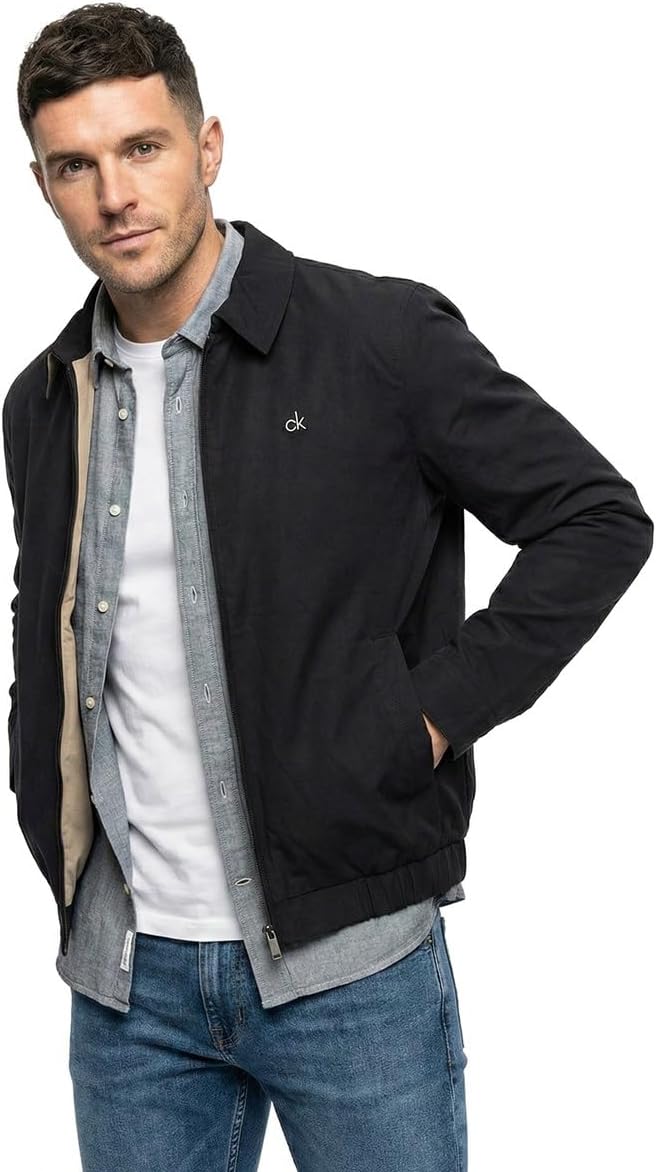
From bomber to parka: silhouettes that work for everyday style
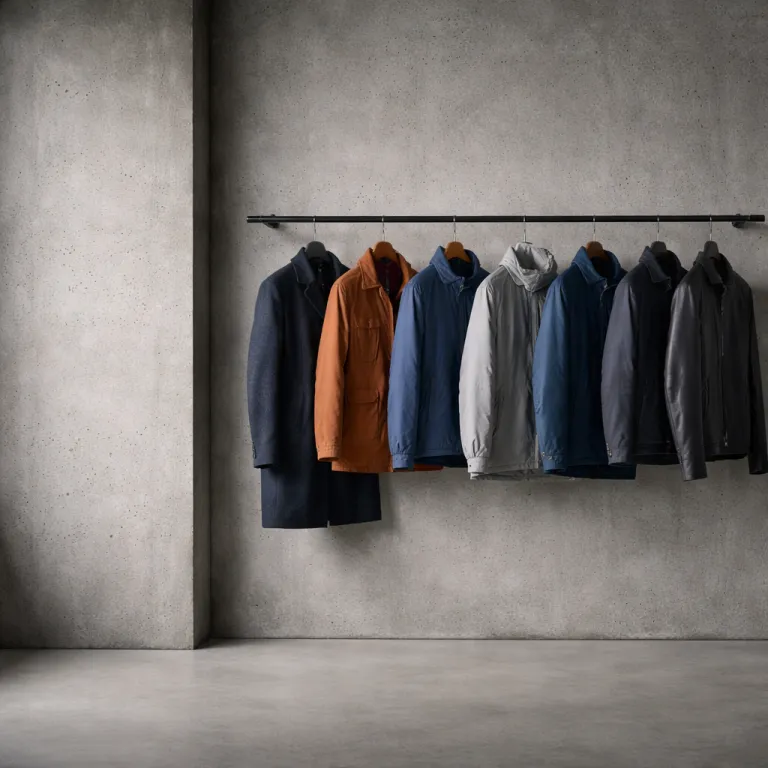
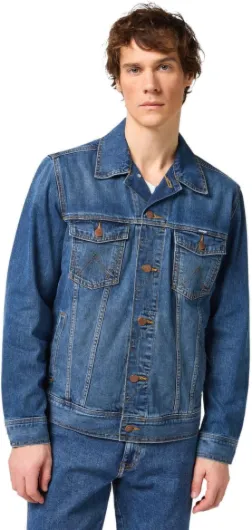
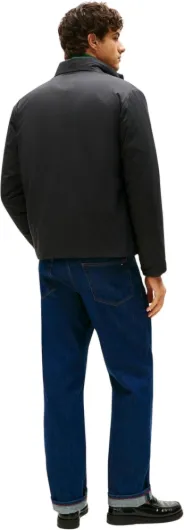
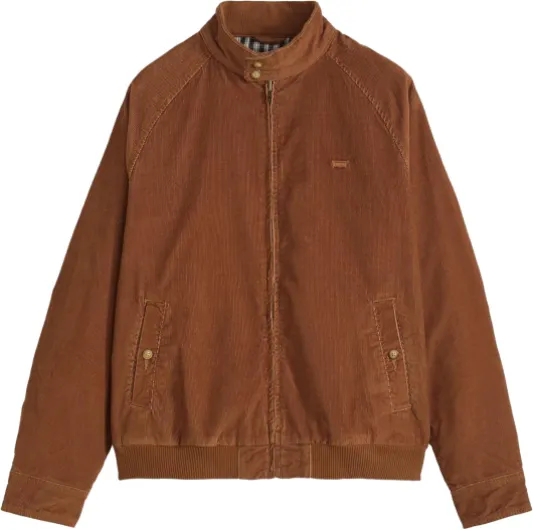
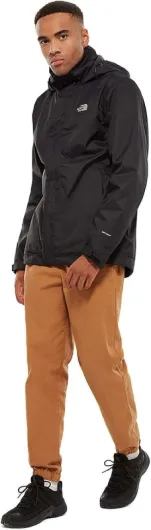
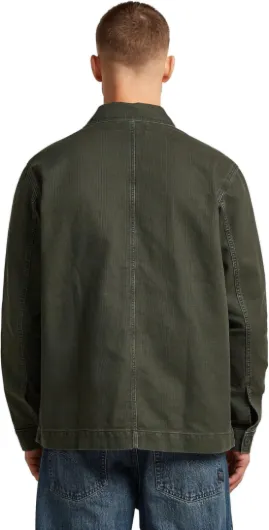
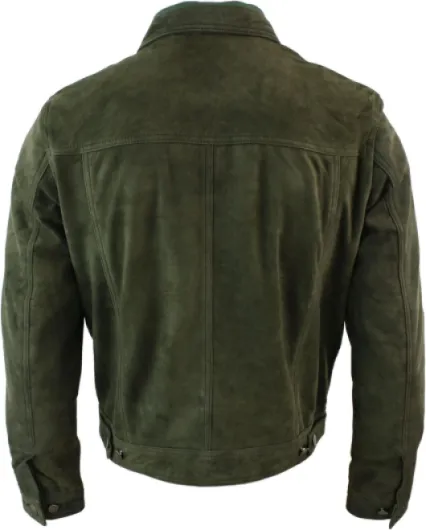
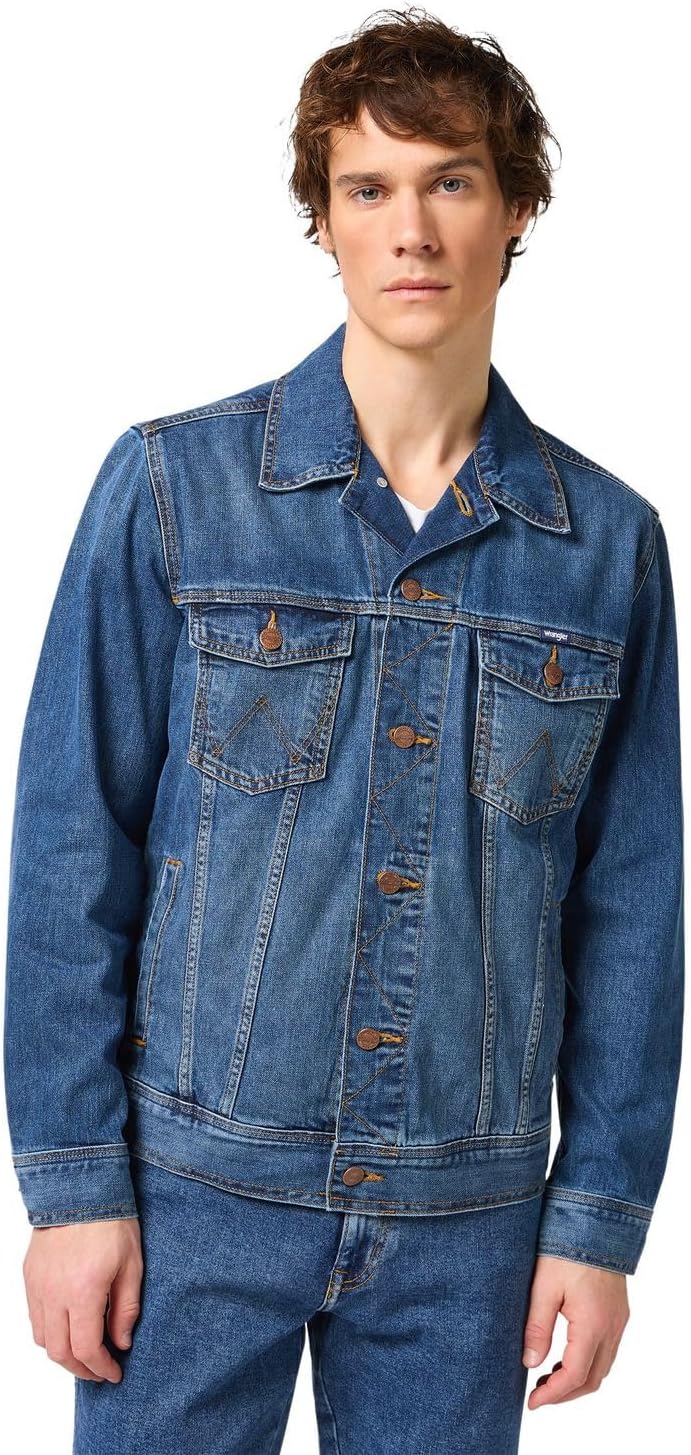
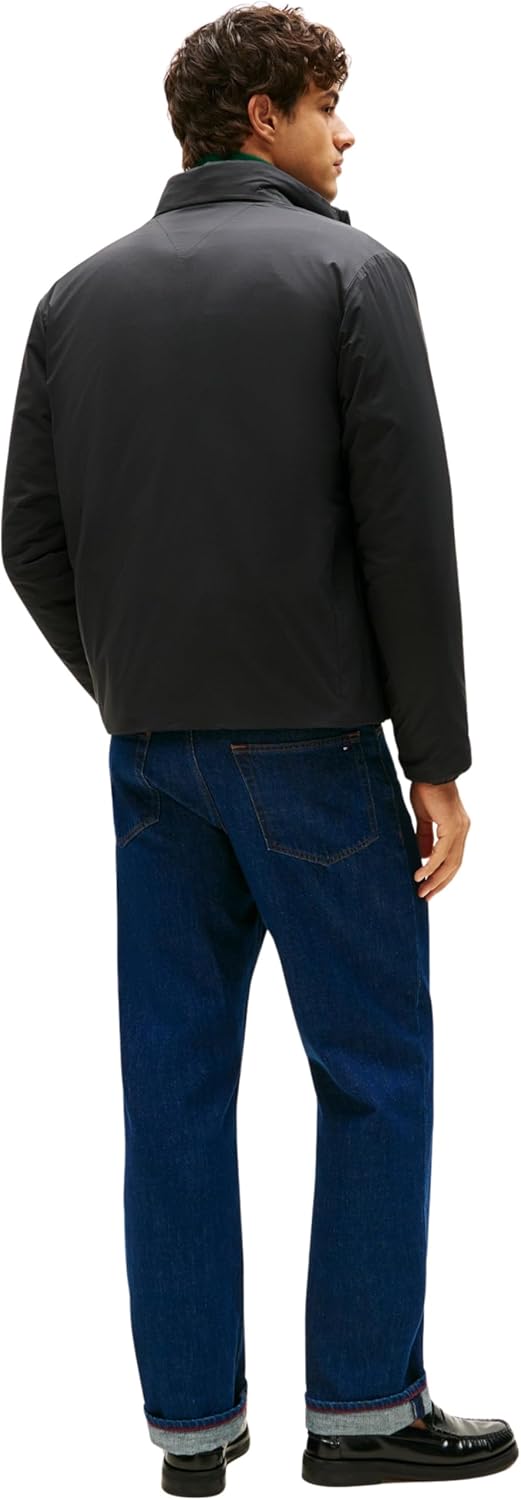
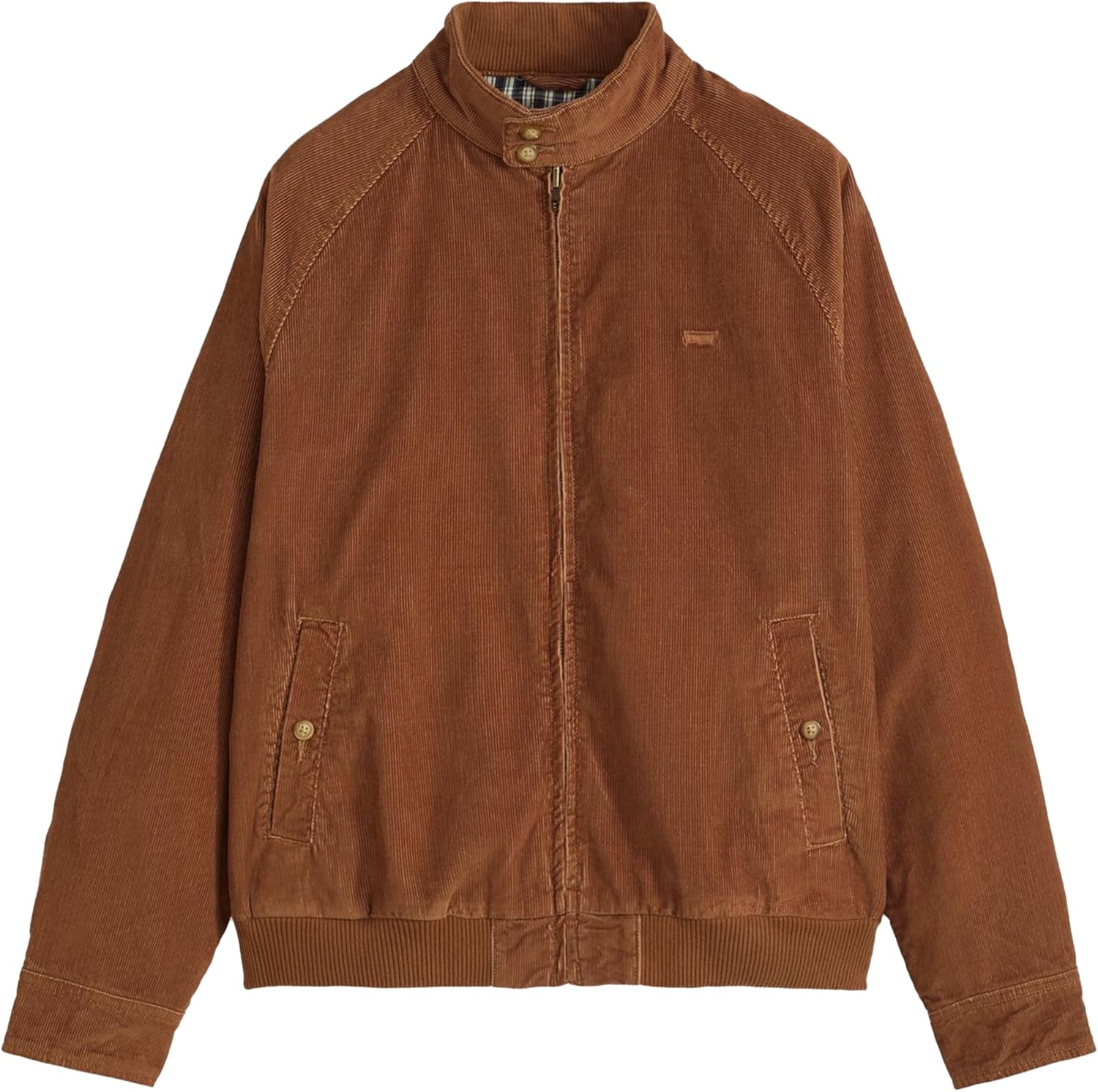
For urban casual wear, three silhouettes dominate the conversation about the best jackets. The cropped bomber jacket, the mid‑length field jacket, and the longer parka each answer different reasons to buy, from pure style to serious winter protection. Anyone building a modern wardrobe should review how these shapes interact with denim, tailored trousers, and sneakers before committing.
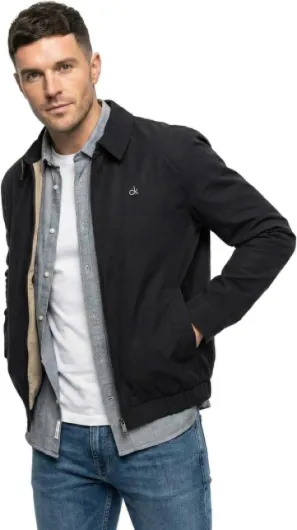
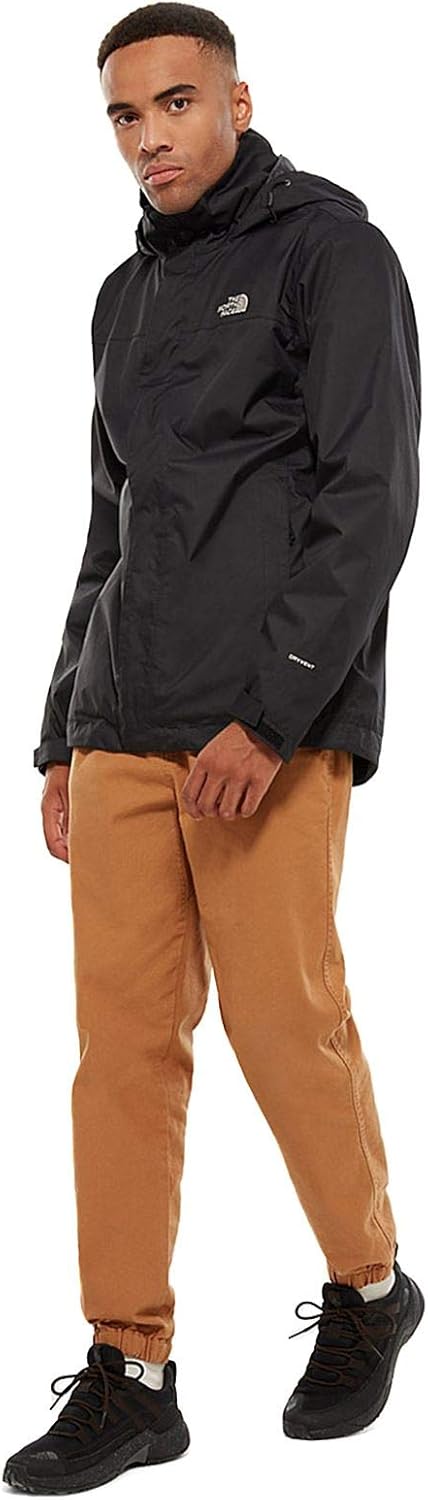
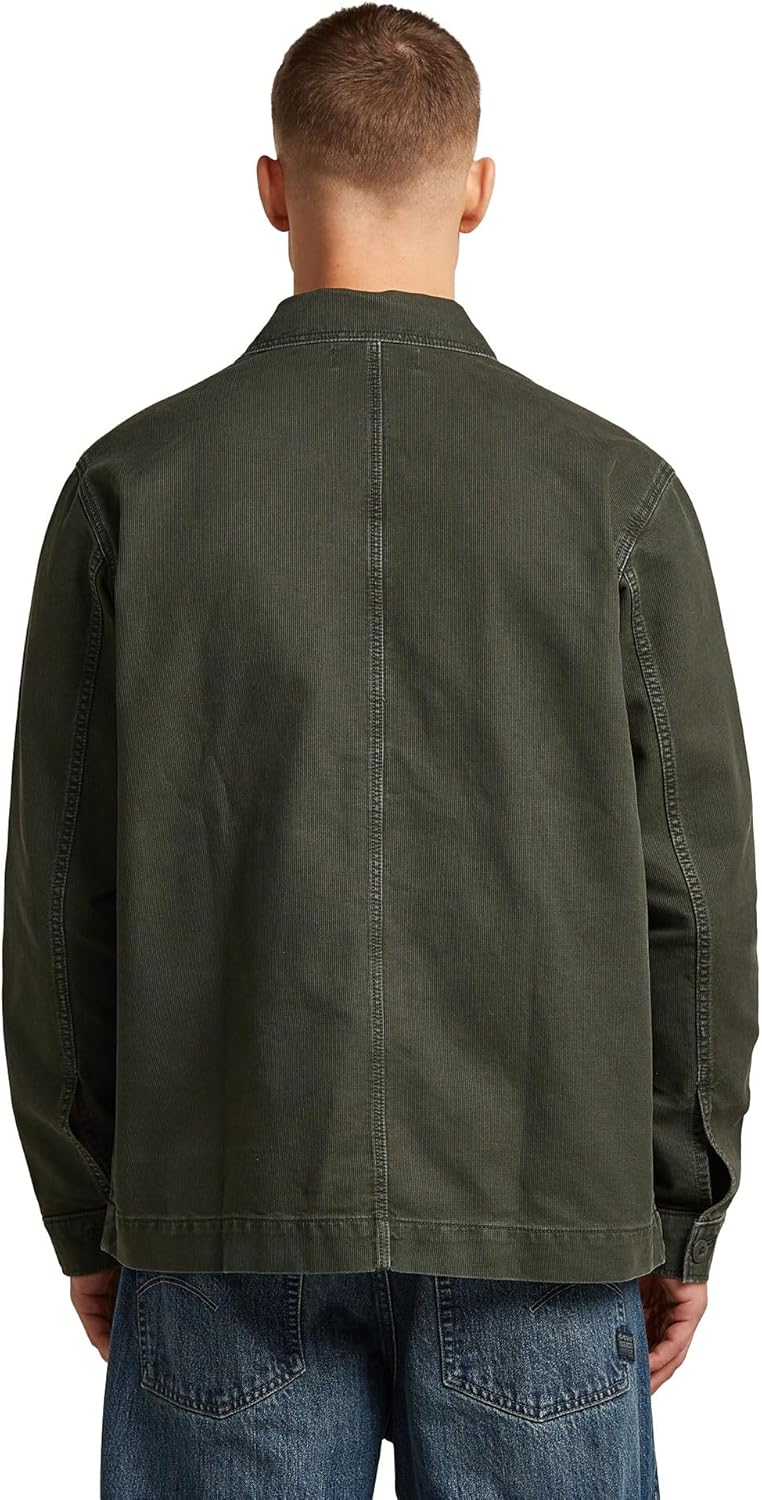
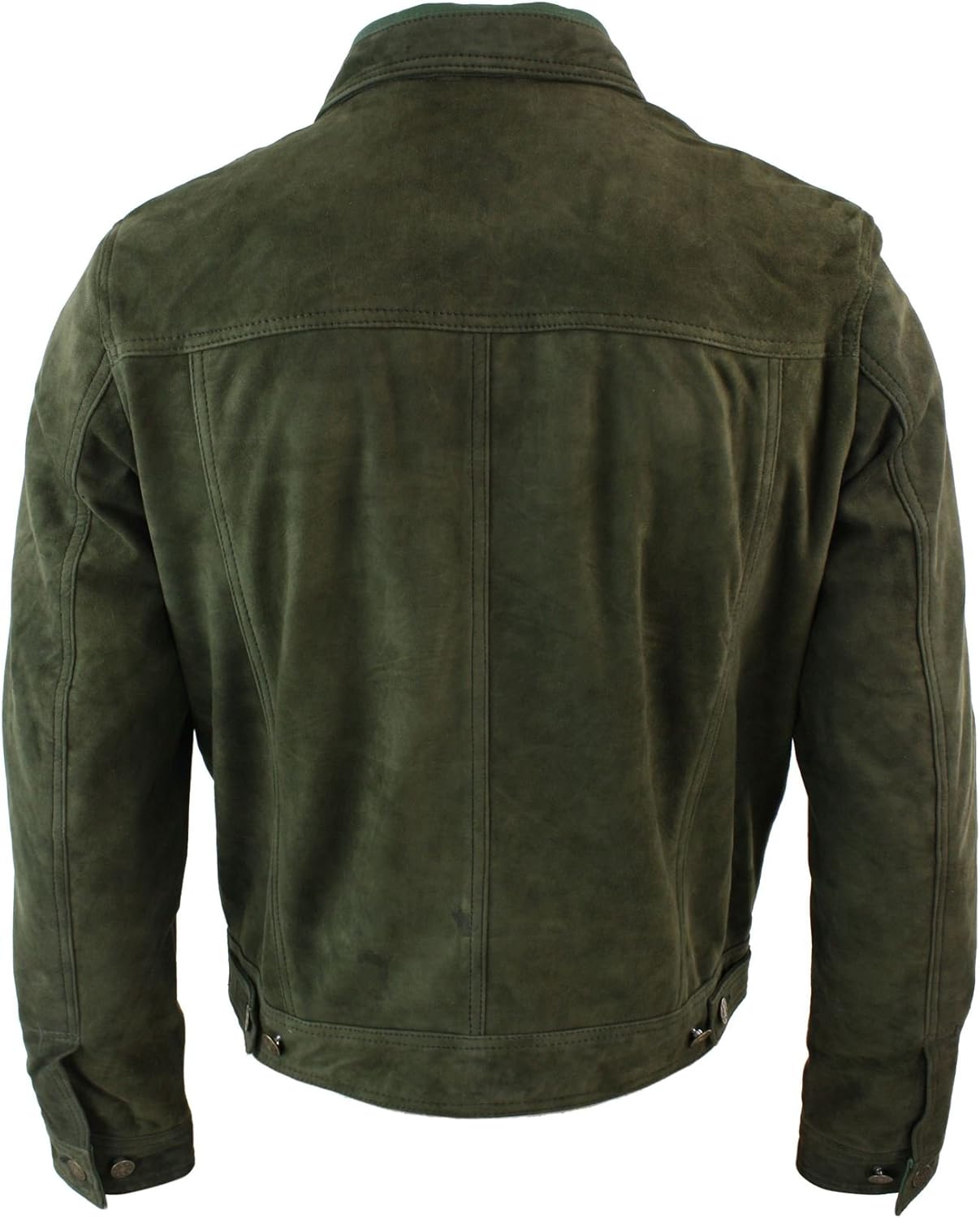
A bomber jacket with a clean ribbed hem and minimal hood detail works perfectly with slim trousers and the new wave of slim‑sole sneakers, as analysed in this Calvin Klein bomber jacket review. Field jackets that earn loyal fans usually offer more pockets, better water‑repellent finishes, and a shell that feels slightly more rugged without losing polish. When temperatures drop below 5 °C, a well‑cut parka with a discreet hood and modern insulation technology becomes the best ally for staying warm while still looking sharp.
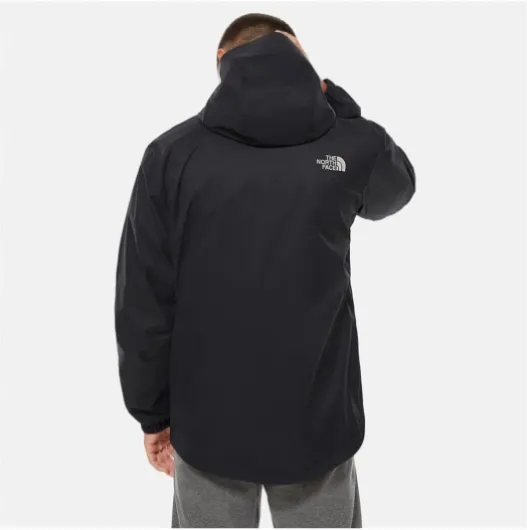
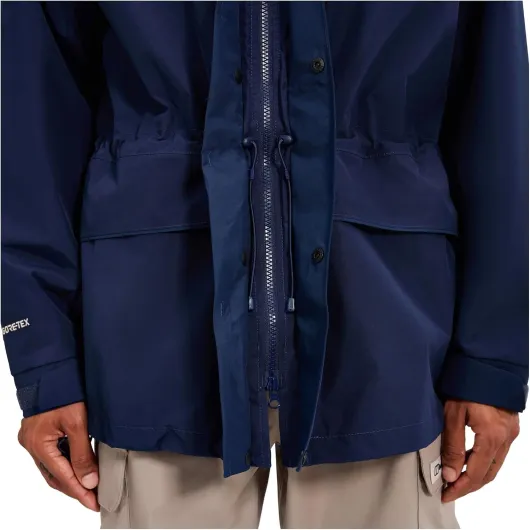
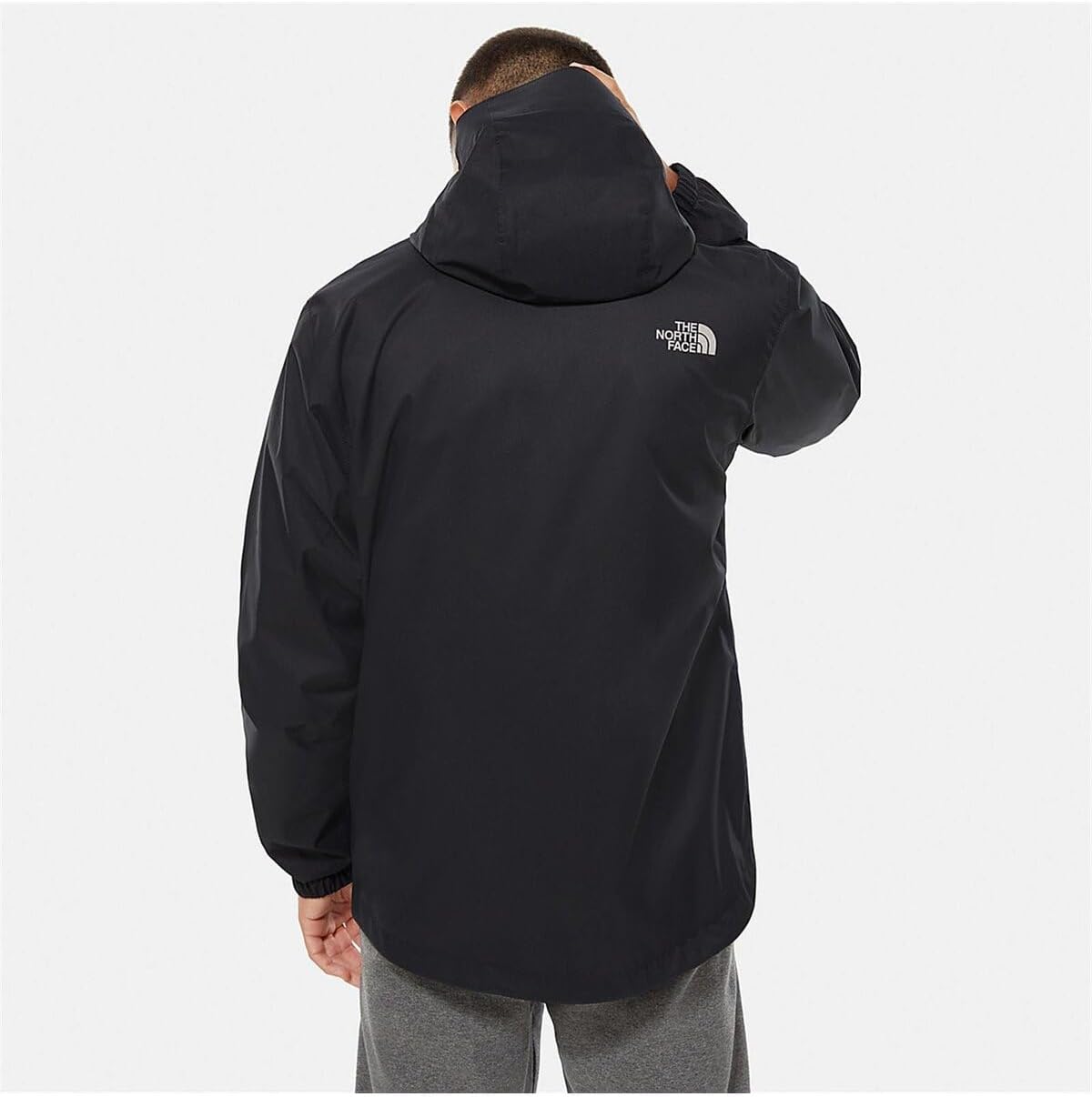
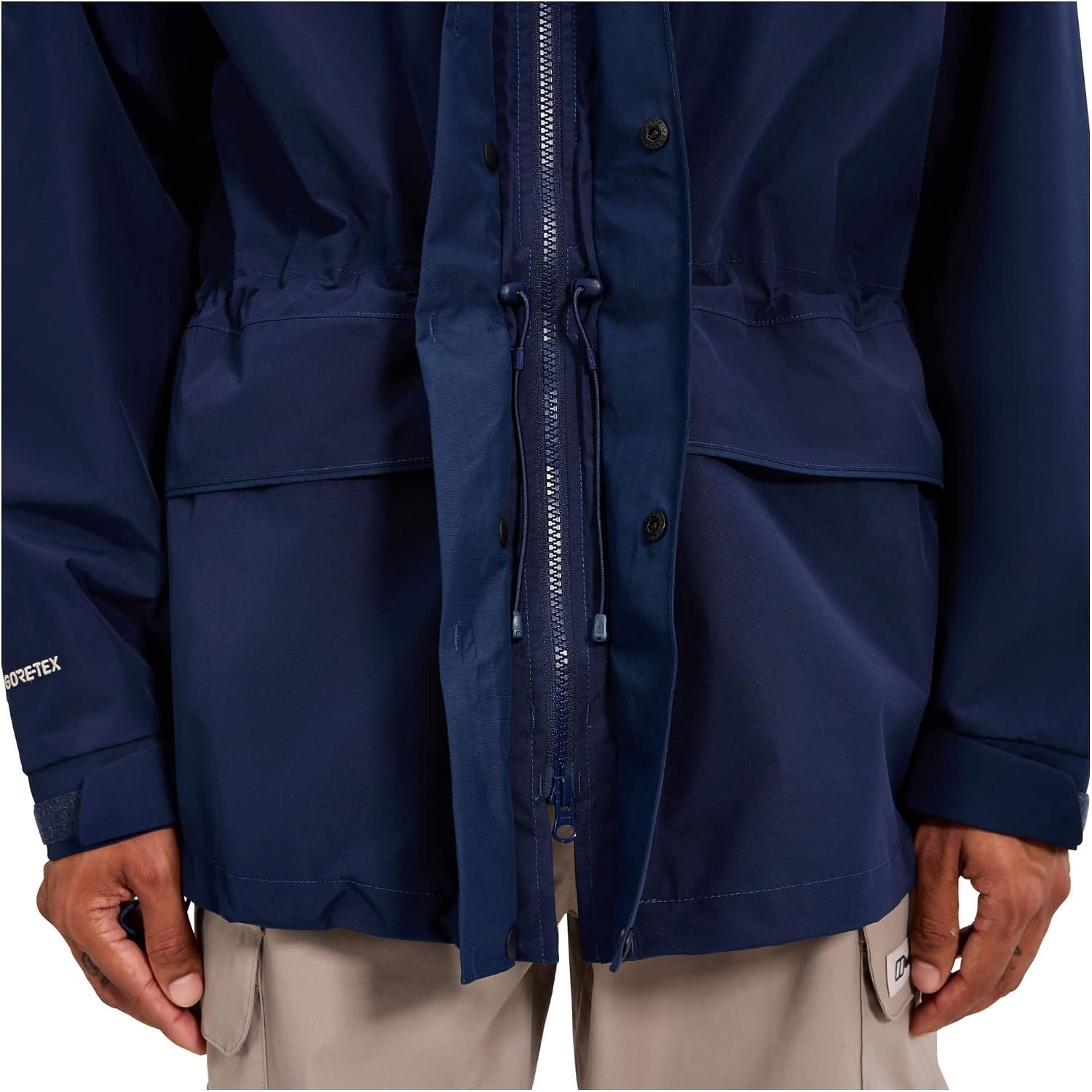
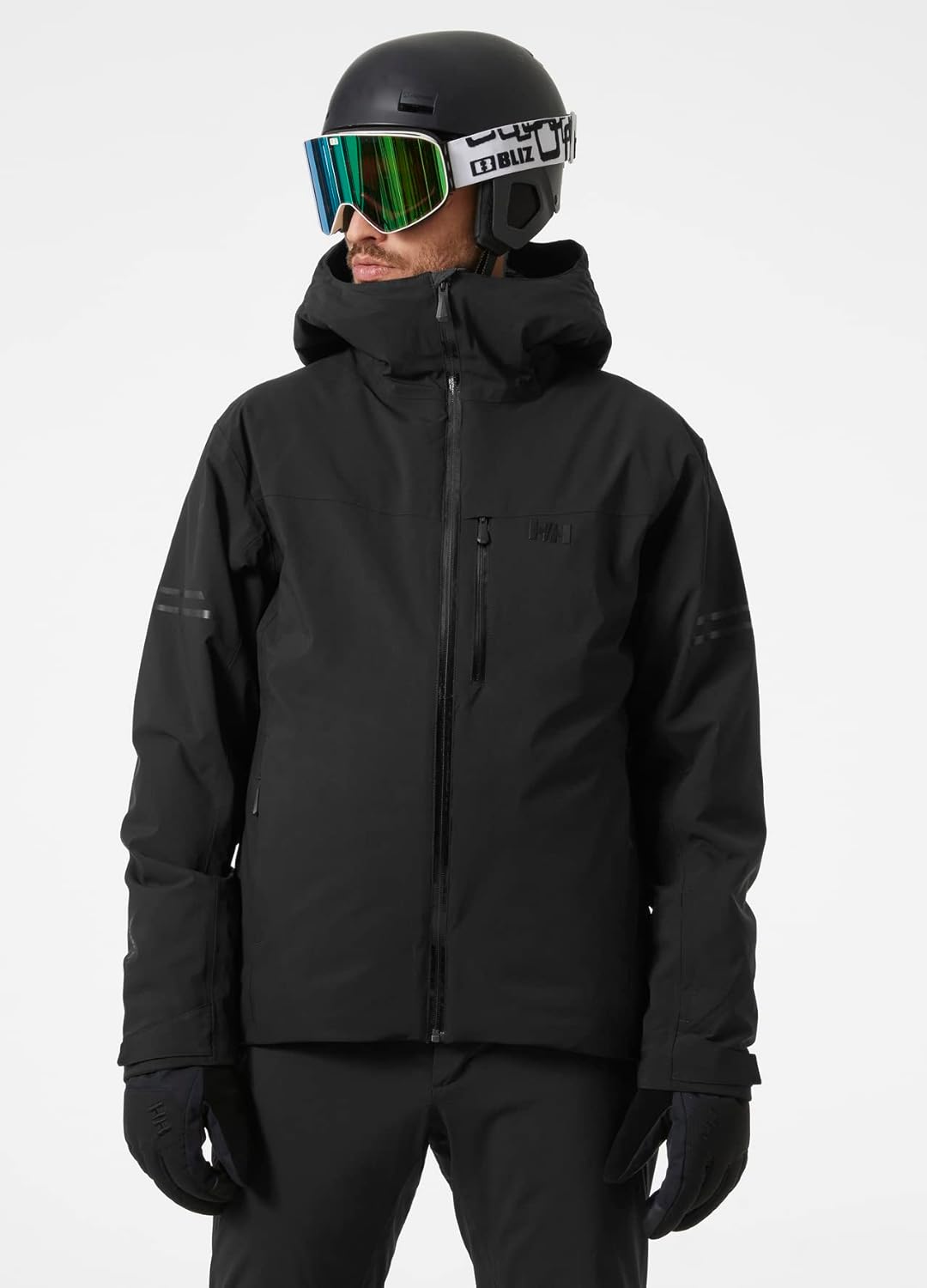
Women often respond positively to men who balance function and elegance, so a parka that can keep you warm without looking like pure outdoor gear is crucial. A thoughtful parka review will always mention how the jacket moves when you sit, cycle, or carry a bag, not just how warm it feels when standing still. Before you buy, check how the parka looks zipped and unzipped, because the front opening line can either keep the torso visually slim or add unnecessary bulk.
Technical performance: weather resistance, warmth, and water protection
Behind every list of the best jackets sits one hard question: how does this jacket perform when the weather turns against you? Weather resistance is not a marketing slogan but a mix of fabric density, membrane technology, seam sealing, and hood design. Men who commute by bike or walk long distances in winter rain quickly learn that a waterproof rating on paper means little without smart construction.
Brands like Patagonia, REI Co‑op, and Backcountry private labels have built their reputations on outdoor gear that can handle real storms. When you read Patagonia product descriptions or a detailed parka review, pay attention to hydrostatic head numbers, durable water‑repellent (DWR) finishes, and whether the hood is adjustable enough to move with your head. A water‑resistant shell can keep you dry in short showers, but only a fully waterproof design with taped seams and storm flaps will stay reliable during hours of cold rain.
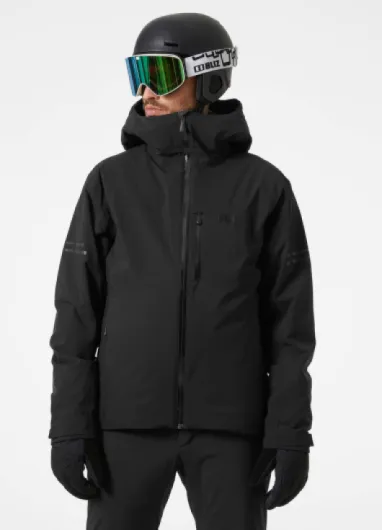
Insulated jackets add another layer of complexity, because warmth depends on fill power, fill weight, and how the baffles are stitched. As a practical benchmark, everyday down jackets often sit around 550–700 fill power, while high‑end alpine pieces may reach 800 fill power or more. A great winter jacket will trap warm air close to the body while still allowing moisture to escape, so you do not overheat on the metro. For a deeper dive into technical shells that balance style and performance, this curated guide to top waterproof jackets is a useful benchmark when you check price and compare options.
Brand ecosystems: men Patagonia, men REI, Backcountry and beyond
Choosing the best jackets for everyday life often means choosing a brand ecosystem rather than a single product. Men Patagonia customers, for example, tend to value environmental responsibility, long repair programs, and a certain understated aesthetic. Men REI buyers usually look for balanced price‑to‑performance ratios, strong jacket reviews, and access to both men’s and women’s sizing in the same technical families.
Backcountry has positioned itself as a specialist in outdoor gear curation, mixing its own insulated jackets with iconic labels like Patagonia and Arc’teryx. When style‑conscious shoppers compare men Patagonia and Backcountry house designs, they should check how each jacket fits across the chest and shoulders, because that determines whether the piece works as a casual outer layer over knitwear. Women REI shoppers often cross over into the men’s section for slightly longer lengths, which can be a smart move for taller men who want more coverage without a full parka.
Whatever the label, the reasons to buy should be clear: reliable weather resistance, a hood that actually protects, and a fabric that feels great to the touch. The reasons to avoid a jacket are just as important, especially if the water‑repellent coating wears off quickly or the insulation packs down after one winter. Always read Patagonia and REI care instructions carefully, then check price against expected lifespan, because a higher price can be the best value when a jacket still looks sharp after hundreds of wears.
Style strategy: balancing men and women expectations in casual wear
Everyday jackets sit at the intersection of performance and perception, and perception includes how both men and women read your silhouette. Many fashion‑driven buyers focus only on technical features like water resistance and forget that the best jackets also flatter the body line. A jacket that is too long for your height or too wide at the waist can make even luxury sneakers and tailored trousers look clumsy.
Think of your jacket as the outer layer that frames your entire casual wardrobe. Shorter bombers emphasise the legs and work well with higher‑rise denim, while mid‑length coats often balance proportions for those with longer torsos. Parka designs with a fishtail hem can keep warm air around the thighs, but they must be cut carefully so they do not overwhelm slimmer men or clash with the new slim‑sole trend analysed in this piece on why the dad shoe is over.
Women frequently notice details like zipper pulls, cuff finishes, and how a hood sits when not in use. A great winter jacket will let the hood drape cleanly down the back, avoiding the bulky hump that ruins the line of many insulated jackets. Before you buy, check in a mirror from all angles, then check price against how often you will realistically wear the piece, because cost per wear is the most honest metric for any long‑term wardrobe investment.
Buying smart: price, reasons to avoid, and how to read jacket reviews
Smart shoppers treat every potential jacket purchase like a mini investment case. They list reasons to buy, reasons to avoid, and then match those against lifestyle, climate, and existing wardrobe. This disciplined approach separates the truly best jackets from the impulse outer layer that never leaves the hanger.
When you read jacket reviews, focus on specific details: how the fabric feels after several washes, whether the water‑repellent finish survives a season, and how the insulation behaves in damp cold. Look for comments from both men and women, because their experiences with fit and comfort can highlight issues you might miss in a quick try‑on. If multiple reviewers mention that a waterproof claim does not hold up in heavy rain, treat that as a serious warning rather than a minor complaint.
Always check price across several retailers, then use a simple checklist before you buy: does this jacket keep you warm in your actual winter, does the hood work with your usual hairstyle or headphones, and does the style complement your casual rotation? Comparing men Patagonia, men REI, and Backcountry options side by side will quickly show which insulated jackets offer the best balance of weather resistance, comfort, and long‑term value. In many cases, paying a little more upfront for a great winter piece that you wear daily is far cheaper than cycling through several mediocre jackets that end up as regrets within a single season.
Key figures on men’s jackets and outerwear performance
- Industry reports from the European Outdoor Group indicate that insulated jackets and other outerwear represent roughly one‑third of total outdoor apparel sales in Europe, underlining how central the jacket category is to both performance and style.
- Laboratory tests from technical fabric manufacturers commonly show that a waterproof rating of around 10 000 millimetres is generally sufficient for daily urban use, while backcountry‑level storms often require 20 000 millimetres or more for reliable weather resistance.
- Consumer surveys from large retailers report that more than half of men consider a hood essential on a winter jacket, yet a significant share still prefer removable or stowable hoods to keep silhouettes clean for casual wear.
- Independent product testing has found that durable water‑repellent finishes can lose a substantial share of their effectiveness after twenty standard washes, which explains why regular reproofing is critical if you want your jacket to keep you dry over several seasons.
- Market analyses of premium outdoor gear consistently suggest that higher initial price points often correlate with longer product lifespans, meaning that a great winter jacket from a brand like Patagonia or REI can deliver a lower cost per wear than cheaper fast‑fashion alternatives.