Summary
Editor's rating
Value: good gear, but not a bargain bin jacket
Design: low-key look, clearly built for skiing
Comfort: warm and cozy, but can feel a bit too hot
Materials: synthetic, tough, and built for bad weather
Durability: feels built to last, but a bit early to be 100% sure
Performance on the slopes and in wet weather
What you actually get with this Helly Hansen Swift Team Jacket
Pros
- Very warm and well insulated for proper winter and resort skiing
- Reliable waterproof and windproof shell that handles rain and wet snow well
- Solid build quality with sturdy zips and durable-feeling fabric
Cons
- Can feel too hot and not very breathable during intense activity or mild weather
- A bit bulky and technical-looking for everyday city wear
Specifications
View full product page →| Brand | Helly Hansen |
A proper ski jacket for real winter days
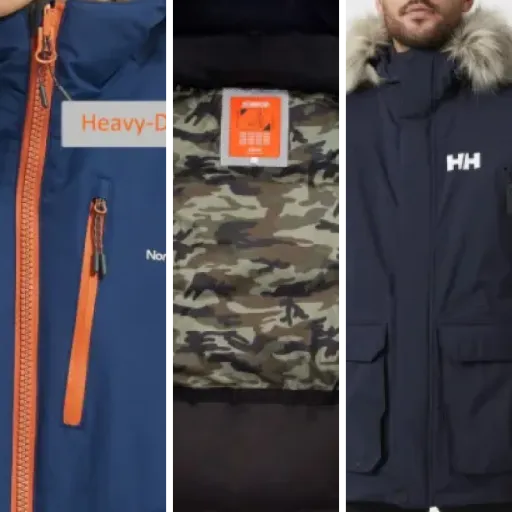
I’ve been using the Helly Hansen Men’s Swift Team Jacket in XL (black) for a few cold weeks, including a couple of days on the slopes and a lot of wet, windy commutes. I’m not a pro skier and I don’t baby my gear, so this jacket got thrown in the car, sat on, stuffed in lockers, and worn in sleet and heavy rain. I’ll stick to what it actually does, not the marketing story about the Norwegian Ski Federation.
The first thing that stood out is that this is a properly warm and waterproof ski jacket, not a thin shell. It’s fairly heavily insulated, you feel it when you pick it up and when you put it on. If you’re used to light shells with layers underneath, this feels more like a classic ski coat that already does a lot of the insulation for you. In cold and wet UK weather around 0–5°C with wind and rain, I never felt cold once, even standing around waiting for lifts or trains.
On the slopes, I had one day with wet snow and wind, and another day that was just cold and grey. The jacket held up well: no water sneaking in, no weird drafts, and the zips and pockets are easy enough to use with gloves on. It’s not the lightest jacket I’ve worn, but it doesn’t feel like a brick either. For a fully insulated ski jacket, the weight is pretty reasonable and it moves better than I expected from a heavier piece.
Overall, my first impression was: solid, functional, a bit overkill for mild city use, but spot on for actual winter and skiing. It’s not perfect and it’s not cheap, but it feels like the kind of jacket you buy to keep for several seasons, not just for a one-off trip. If you’re just looking for a casual everyday jacket, it might be too much. If you actually ski or spend time in cold, wet conditions, it starts to make sense.
Value: good gear, but not a bargain bin jacket
In terms of value, this Helly Hansen Swift Team Jacket sits in that mid-to-upper price range for ski jackets. You’re paying for a known brand, solid waterproofing, and real insulation, not just a fashion logo slapped on a thin shell. If you only ski one weekend every few years, it’s probably more jacket than you need, and you could save money with something cheaper. But if you ski at least once a season or you live somewhere with wet, cold winters, it starts to make more sense.
Compared to cheaper ski jackets I’ve tried, the difference is mostly in warmth, build quality, and how dry you stay. Cheaper options often feel flimsy, leak at the shoulders or zips, or lose their shape quickly. This one feels like it will last several seasons if you look after it. The fact that the insulation is recycled polyester is a small plus, but honestly, my main concern is that it keeps me warm and dry, and on that front, it delivers.
The downside is that it’s not a super versatile jacket. It’s great for cold, wet weather and skiing, but for mild days or casual city wear, it’s overkill and a bit bulky. So you’re not really getting a "one jacket for everything" deal here. If you want something that works from autumn to spring in all kinds of temperatures, this might frustrate you because you’ll just end up sweating in it when it’s not properly cold.
I’d rate the value as pretty solid for regular skiers or people in cold, windy climates, and just "okay" for occasional users. You’re not getting ripped off, but it’s also not a crazy bargain. You’re paying a fair price for a warm, durable, branded ski jacket that does what it’s supposed to. If that’s what you need, it’s worth it. If you’re just chasing a logo or buying it for style in mild weather, then yes, there’s better value elsewhere.
Design: low-key look, clearly built for skiing
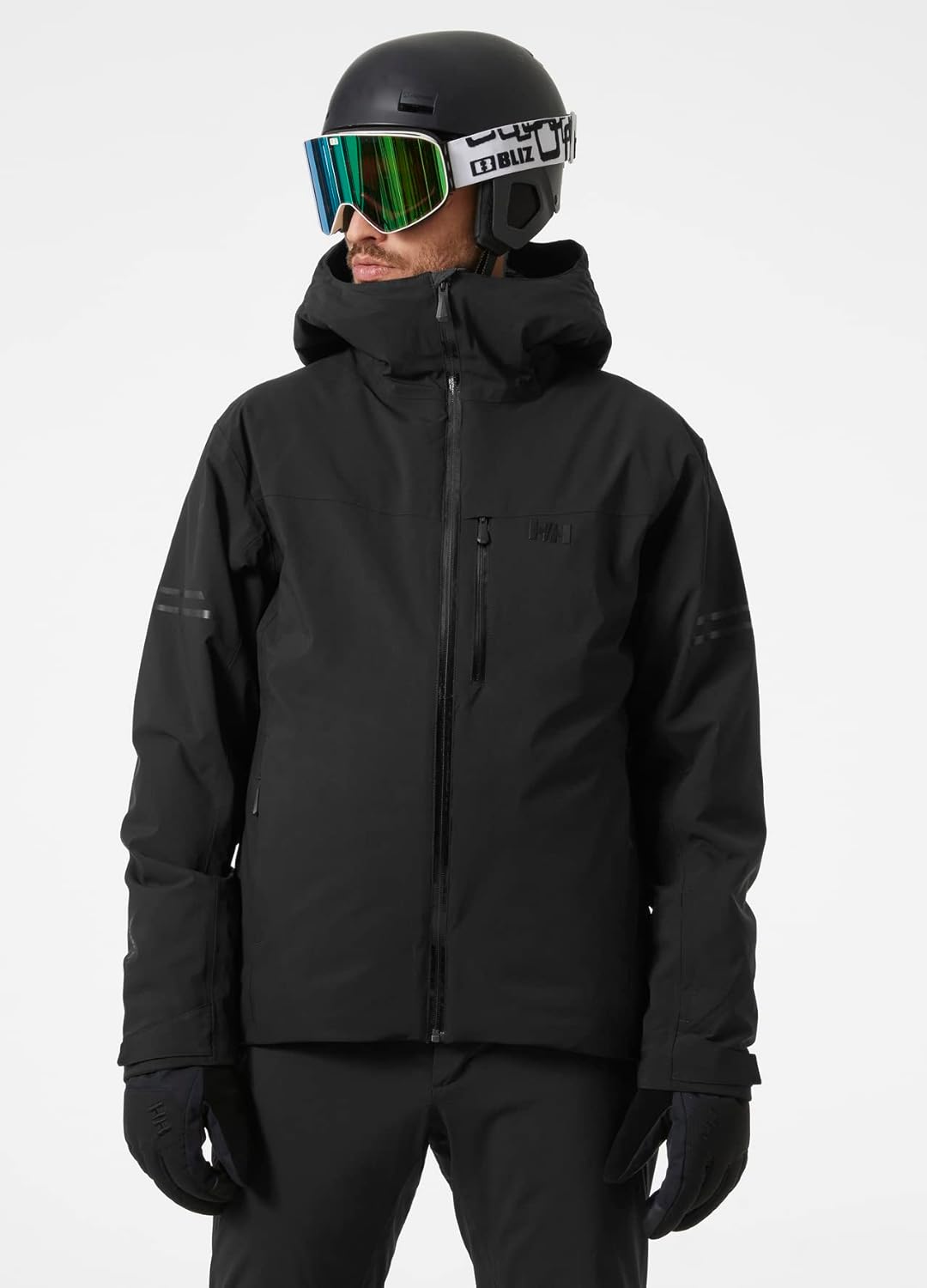
Design-wise, this jacket is pretty low-key and functional. The black colour keeps it simple and easy to match with any trousers or gear. It’s not a flashy, neon ski jacket, more of a classic, serious look. If you like loud colours on the slopes, this one might feel a bit boring. If you prefer to blend in and not look like a walking highlighter, it’s spot on. The cut is described as a regular fit, and that matches how it feels: not tight, not super baggy, just enough room for a base layer and maybe a thin mid-layer underneath.
The silhouette is called "aviator" in the specs, but in practice it just looks like a standard ski jacket with a slightly sporty shape. It doesn’t hang weirdly, and the length is standard – it covers your lower back well without going down to mid-thigh. That’s important on lifts because you don’t get that annoying gap when you sit down. The collar is a notch style, which basically means it sits comfortably around the neck and doesn’t choke you when zipped up, while still giving decent coverage from wind.
Details are pretty straightforward: applique branding, clean seams, and a layout that clearly comes from ski use. The chest pockets are easy to reach with a backpack on, and the ski pass pocket is exactly where you’d expect it on the sleeve. Zippers feel sturdy, not the thin kind that you’re scared to pull hard with gloves. The overall look is more "gear" than "streetwear", so if you want something that doubles as a stylish city jacket, this one is a bit too technical-looking for that, at least in my opinion.
Personally, I liked the no-nonsense design. It looks like what it is: a ski jacket built to work in bad weather. On the downside, black shows salt marks, snow dust, and lint quite easily, so you find yourself brushing it off now and then. Also, if you ski in busy resorts, a brighter colour can be safer for visibility, especially in flat light. So for pure style, it’s decent but nothing special. For functional design on the slopes, it’s pretty solid.
Comfort: warm and cozy, but can feel a bit too hot
In terms of comfort, the big thing with this jacket is that it’s properly warm. On cold days around freezing, with just a thermal top underneath, I was perfectly fine standing still and sitting on lifts. The insulation is fairly thick, especially in the torso, and you feel that instant warmth when you zip it up. For people who run cold or hate layering too much, that’s a big plus. One Amazon user even mentioned it’s "recht stark gefüttert" (pretty heavily padded), and I agree – this is not a thin shell.
The flip side is that it can get too warm if you’re really active or if the temperature goes above, say, 5–7°C and you’re working hard. I had a couple of runs where I pushed a bit and started to feel sweaty, especially around the back and under the arms. The jacket doesn’t breathe like a light shell, so you need to manage layers and maybe open zips when you’re on the move. If you’re someone who skis hard all day and overheats easily, this might feel like too much insulation unless it’s really cold.
Fit-wise, the XL feels true to size but slightly generous, which I like for a ski jacket. I could move my arms freely, bend down to adjust boots, and sit without the jacket pulling or riding up. The sleeves are long enough to cover gloves properly, and the cuffs and hem do a good job of sealing out drafts. The inside lining is smooth and comfortable on the skin if your base layer sleeves slide up. There are no scratchy seams or weird pressure points that I noticed.
For everyday use in the city, the warmth can be overkill unless you live somewhere genuinely cold. Walking around town in mild winter, I sometimes felt like I was wearing too much jacket. But if you’re using it mainly for skiing or very cold, windy days, the comfort level is great. I’d sum it up as: very comfortable in the cold, a bit stuffy if you overexert or the weather is mild. Not perfect, but overall I was happy with how it felt during real winter conditions.
Materials: synthetic, tough, and built for bad weather
The jacket is basically a polyester and polyamide sandwich. The outer shell is 100% polyester, designed to be waterproof and windproof. Inside, you’ve got a mix of polyester and polyamide linings, plus 100% recycled polyester insulation in both the body and the sleeves. So, no natural fibers here, it’s all synthetic. For a ski jacket, that actually makes sense: synthetic insulation keeps you warm even when a bit damp and dries faster than down. In slushy or rainy conditions, that’s a big plus.
The fabric weight is listed as lightweight, but that’s a bit misleading. The shell itself might be light, but once you factor in the insulation and linings, the jacket feels medium-heavy in the hand. Not crazy heavy, but you notice you’re wearing a proper winter coat. The fabric has medium stretch, which I did feel when moving around or reaching forward – there’s a bit of give, enough to make it comfortable when bending or adjusting boots, but it’s not like a softshell or stretchy hoodie. It’s more of a sturdy outer fabric with a hint of flexibility.
The inside lining is smooth and doesn’t grab onto base layers, which is nice. You can slide it on over a thermal top without everything bunching up. The recycled insulation is thick enough that you feel the loft, especially in the torso. In windy conditions, the combination of shell and insulation blocks the cold really well. I never once felt wind cutting through, even on a chairlift. The materials also seem tough enough to handle ski edges brushing, sitting on rough benches, and the usual abuse of travel without any obvious scuffs after my use.
On the downside, synthetic like this doesn’t breathe as well as high-end shells with minimal insulation and advanced membranes. If you’re doing high-intensity runs or hiking uphill in it, you can get a bit sweaty inside. It’s more of a lift-served resort jacket than a backcountry touring piece. Also, polyester can get a bit noisy – you hear a slight rustle when you move, which I don’t care about, but some people do. Overall, the materials feel reliable and built to last several seasons, but they’re not the lightest or most breathable out there.
Durability: feels built to last, but a bit early to be 100% sure
On durability, I obviously haven’t had this jacket for years, but from a few weeks of fairly rough use, it feels robust. The shell fabric doesn’t feel thin or fragile. I’ve brushed it against lift bars, leaned on rough wooden benches, and thrown it in the boot of the car with skis and boots, and there are no visible scuffs or pulls yet. The stitching looks clean and tight, and I didn’t spot any loose threads out of the box or after washing.
The zippers are another point where you can usually tell if a jacket will hold up. Here, they feel decent: they run smoothly, don’t snag easily, and don’t feel like they’ll break if you yank them a bit with gloves. The pocket linings also feel stronger than the flimsy mesh you sometimes get on cheaper jackets. The inner lining has taken sweat and a machine wash without any warping or weird texture changes, which is reassuring. Being able to just machine wash it is a big plus for long-term use; you’re more likely to maintain it properly if it’s simple.
Because the insulation and lining are synthetic, you don’t have to worry about down clumping when it gets wet, which helps with long-term performance. Over time, synthetic insulation will compress a bit, but that’s true for pretty much every jacket in this category. After my use and one wash, I haven’t noticed any obvious loss of loft. The jacket still feels just as padded and warm as day one.
If I had to nitpick, the black colour will probably show wear more than a patterned fabric would – little marks, salt stains, and light scratches tend to stand out more. Also, because it’s a fairly warm, insulated jacket, the main durability question is whether the waterproofing holds up over several seasons. You’ll likely need to reproof it at some point, same as any other waterproof jacket. But based on first-hand use, it comes across as a tough, long-term piece, not something that will fall apart after one ski trip.
Performance on the slopes and in wet weather
Performance is where this jacket actually justifies its price. The waterproofing and windproofing are solid. I had it in steady rain in the UK and wet snow in the mountains, and water simply didn’t get through. No damp shoulders, no wet forearms, nothing. The outer fabric beads water nicely, and even after a while when the surface looked a bit wet, the inside stayed dry. Wind is a non-issue; on a windy chairlift, I felt the cold on my face and legs, but my torso was basically in its own warm bubble.
Insulation-wise, for typical resort skiing in cold weather, it does the job really well. You don’t need a bunch of layers underneath; a good base layer is usually enough unless it’s seriously freezing. Compared to a thinner shell I used before, I spent way less time messing with mid-layers and more time just zipping up and going. That said, if you’re used to a more modular system (shell + fleece + base), this is more of a "throw it on and go" jacket. It’s less flexible if the temperature swings a lot during the day.
The pocket layout works well in practice. The two chest pockets are big enough for a phone, a small snack, or a map. The inner pocket keeps valuables safe, and the ski pass pocket is convenient at lift gates. With gloves on, the zippers are easy enough to grab, which matters a lot more in real use than people think. Movement is decent: the medium stretch fabric and regular cut let you pole, turn, and adjust gear without feeling like the jacket is fighting you.
Where it’s less strong is in high-intensity or touring-style use. If you’re hiking up or doing long traverses, you’ll probably overheat and wish for pit zips or a lighter shell. Also, if you spend most of your time in mild weather resorts, you might find it simply too warm. But for classic European or North American resort skiing in proper winter, plus wet, windy days at home, the performance is genuinely solid. It does what a ski jacket should do: keep you warm, dry, and reasonably comfortable without needing constant adjustment.
What you actually get with this Helly Hansen Swift Team Jacket
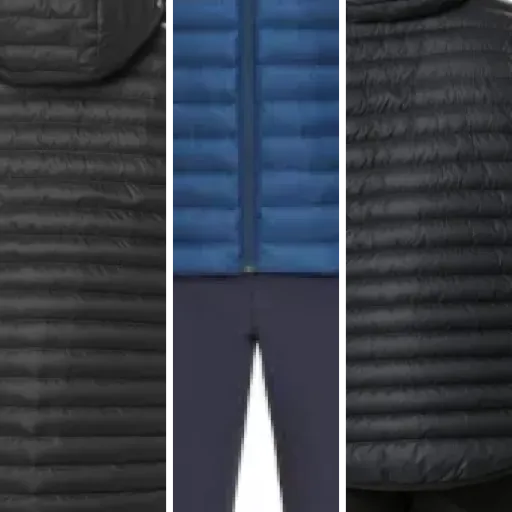
This is a men’s ski jacket, size XL, in black, with a regular fit. Helly Hansen calls it the Swift Team Jacket, and it’s clearly built for proper winter: insulated, waterproof, windproof, and designed around skiing and outdoor use. Weight-wise it’s about 1.23 kg, so definitely not a flimsy fashion jacket. It’s more in the category of a warm technical ski coat you’d wear in cold resorts rather than a light touring piece.
The jacket comes with 4 pockets: two chest pockets on the outside, one inner pocket, and one ski pass pocket. They’re a mix of straight and piped styles, and the layout is pretty practical. You can keep your phone, wallet, and a small snack without feeling loaded down. The ski pass pocket is handy if your resort uses RFID gates; you just tap your arm instead of digging in your pants. The closure is a full front zipper, and the sleeves are long sleeve with a regular, slightly relaxed cut.
On the materials side, it’s basically all polyester: shell 100% polyester, lining a mix of polyester and polyamide, and the insulation is 100% recycled polyester for both body and sleeves. So you’re not getting down; it’s synthetic insulation, which actually makes sense for wet conditions. The jacket is machine washable, which I like because ski gear gets sweaty and grimy fast. No fancy care routine, just a normal machine wash as per the label.
Helly Hansen positions this for cold weather and skiing, but it also works for general outdoor activities in winter: walking, sledging with kids, standing around at football games, that kind of thing. Amazon reviews sit at around 4.3/5 from 70+ reviews, which fits with my experience: mostly positive with a few size and delivery complaints. In short, you’re getting a proper winter sports jacket with practical pockets, solid weather protection, and a focus on function over fashion tricks.
Pros
- Very warm and well insulated for proper winter and resort skiing
- Reliable waterproof and windproof shell that handles rain and wet snow well
- Solid build quality with sturdy zips and durable-feeling fabric
Cons
- Can feel too hot and not very breathable during intense activity or mild weather
- A bit bulky and technical-looking for everyday city wear
Conclusion
Editor's rating
Overall, the Helly Hansen Men’s Swift Team Jacket is a solid, functional ski jacket that focuses on warmth and weather protection rather than fashion tricks. It’s properly insulated, genuinely waterproof and windproof, and feels tough enough to survive several seasons of resort skiing and winter use. The fit in XL is true to size with a bit of extra room, the pockets are well thought out, and the machine-washable synthetic build is practical for real-life use.
On the flip side, it’s not the lightest or most breathable jacket. If you ski hard, hike a lot, or mostly ride in mild conditions, you can easily overheat. It’s also not the most stylish thing for city wear; it looks like ski gear, not a casual everyday coat. And the price is decent but not cheap, so it makes the most sense if you actually use it regularly in cold, wet weather rather than just once in a blue moon.
If you want a warm, reliable, no-nonsense ski jacket for resort days, winter holidays, and rough weather at home, this is a good choice and feels like money reasonably well spent. If you’re after a light, highly breathable shell, or mainly want a jacket for mild urban winters, you should probably look at something thinner and more versatile.