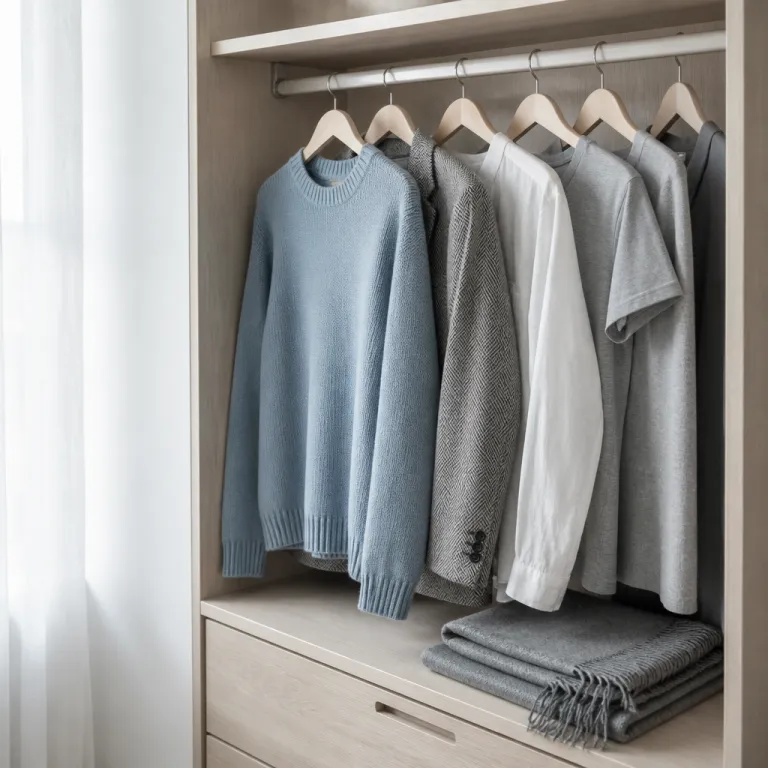
From closet purges to edits that actually sharpen your style
Minimalism tells men to own fewer clothes and fewer outfits. Intentional dressing in men’s style asks a harder question: why does this specific jacket, these particular trousers, this exact white shirt earn space in your wardrobe? The goal is not to brag about a tiny rail of clothes but to build outfits that work because every piece has a job and a clear reason to exist.
Think of intentional dressing for men as editing rather than deleting. You are not punished for liking statement pieces or a strong pop color; you are challenged to make each statement work in at least three outfits that feel like your personal style. A rail full of black and neutral colors can be just as deliberate as a rail full of light blue and clay tones, as long as the clothes fit well, the quality holds up in real wear and the pieces suit your lifestyle.
Minimalism counts items; intention counts reasons. That sport coat you reach for weekly because it works well with dark denim, grey trousers and even tailored joggers deserves to stay. The sports jacket that only works with one pair of jeans and never quite feels right when you dress it up probably needs to go, no matter how much you paid or how prestigious the label.
Why logos lost power and fabric quietly took over
For a long time, many men dressed to show the logo first and the fit second. A more intentional approach to menswear flips that hierarchy: the first question is how the clothes fit your body, the second is whether the fabric and construction are high quality enough to hold shape after fifty wears. The brand name is a distant third, and sometimes irrelevant, especially as more shoppers report prioritizing comfort and fit over logos in industry surveys.
Spend five minutes in a good menswear store and you will see the shift. The sharpest men do not ask for the trendiest leather jacket; they ask which leather jacket uses full grain hides, natural fibers in the lining and a pattern that sits clean through the shoulders. They run a hand along the seam that usually blows out first, they check whether the jacket hangs well when unzipped, and they care more about how it will wear in a smart casual outfit than how it photographs on day one.
Logos still exist, but they no longer carry the whole story. A black sport coat in a high twist wool with a soft shoulder and a well cut lapel quietly signals more taste than a loud monogrammed blazer that collapses at the chest. When men don this kind of tailored piece with a light blue Oxford shirt and well cut trousers, they look well dressed without shouting, and that restraint is exactly what works well in a more thoughtful way of dressing.
The edit test: three ways to wear or it does not stay
The cleanest way to separate intentional dressing from a simple closet purge is a strict edit test. Every item in your wardrobe should work in at least three different outfits that feel like you, not like a mannequin at a mall. If you cannot style a piece for casual wear, smart casual settings and slightly dressed up moments, it is probably clutter rather than a useful building block.
Take a white shirt as an example, because it is the backbone of so many outfits that work. On Monday, you wear the white shirt with black jeans, a leather jacket and boots for a casual but sharp office look that still feels relaxed. On Thursday, the same shirt goes under a navy sport coat with grey trousers in natural fibers, and on the weekend it works well open over a light blue T shirt with chinos and sneakers.
Apply the same rule to a pair of well cut trousers. They should dress down with a sports jacket and sneakers, dress up with a clean black dress shoe and also handle a casual outfit with a knit polo and a field jacket. When men don pieces that pass this three outfit test, they end up with fewer but better clothes, without forcing themselves into a minimalist uniform that kills their personal style.
- Quick edit checklist: keep only pieces you can style in three outfits, that fit comfortably now, and that you would happily rebuy at today’s price.
Fit, fabric and color: the new status symbols of being well dressed
In modern men’s style, fit is the first luxury. A mid priced jacket that is well cut through the shoulders and chest will always look better than an expensive designer piece that pulls at the button or collapses at the back. Men who care about style learn quickly that clothes fit is the difference between looking dressed and looking well dressed.
Start with trousers, because bad fit there ruins everything above it. You want the waistband to sit where your body naturally narrows, the seat to feel clean without strain and the leg to hold shape without puddling over your shoes. A pair of high quality wool trousers in natural fibers with a medium rise and a slight taper works well with everything from a white shirt and sport coat to a casual knit and leather jacket.
Fabric is the second status signal, and it is more honest than any logo. Natural fibers like wool, cotton, linen and cashmere breathe better, age better and usually drape better than cheap synthetics. When men don a sports jacket in a textured wool hopsack or a sport coat in a linen blend, the surface interest and the way the cloth moves make even neutral colors feel rich.
Grounded palettes: why neutral does not mean boring
Minimalism often tells men to live only in black, white and grey. A more intentional wardrobe uses neutral colors as a base, but it treats them as a canvas for texture, proportion and the occasional pop color. Charcoal, navy, olive, stone and washed black all work as neutrals, and they let the cut and fabric do the talking.
Take a simple smart casual outfit built around a navy sports jacket. Pair it with light grey trousers in a high quality wool, a white shirt and black loafers, and you have a clean, almost formal look that still feels relaxed. Swap the trousers for olive chinos, add a light blue Oxford and a subtle pop color in your socks, and the same jacket suddenly feels more casual while staying well dressed.
Color becomes intentional when you can explain why it is there. A light blue shirt near the face softens harsh features and works well with most skin tones, while a black roll neck under a grey sport coat sharpens the whole outfit. Men who edit their wardrobe around a grounded palette of neutral colors find that their outfits work together more often, which means they wear more of what they own instead of letting clothes sit unworn.
Skin, grooming and the quiet frame around your clothes
Intentional dressing does not stop at the collar. The way you care for your skin, hair and shoes frames how your clothes wear on you and how your personal style reads in a room. A clean face, a maintained haircut and polished leather say as much about intention as a perfectly tailored jacket.
Many fashion focused men ignore grooming until a photo or harsh bathroom light exposes the gap. If you are refining a more curated men’s style, you should apply the same edit mindset to your bathroom shelf that you use on your wardrobe. A focused routine built around a gentle cleanser, a proven moisturizer and targeted treatments will work better than a cluttered cabinet of unused products, and a practical guide to avoiding costly skincare mistakes can save both money and time.
When men don well cut clothes on neglected skin, the contrast feels off. The opposite is also true: a man in a simple casual outfit of jeans, a white shirt and a clean leather jacket can look incredibly well dressed if his grooming is sharp and his clothes fit properly. Intention is holistic, and the details you think no one sees often decide whether your outfits work in real life.
The one trend rule: how to play with fashion without losing yourself
Intentional dressing for men does not ask you to skip trends; it asks you to control them. The one trend rule is simple: wear only one clearly trending piece in an outfit, and ground the rest in your established personal style. That way the trend feels like a deliberate accent, not a costume.
Say you want to try a wider leg trouser because you have seen it everywhere. Let that be the statement piece, and keep the rest of the outfit clean with a white shirt, a navy sport coat and black loafers in a classic last. The new silhouette becomes a subtle update that works well with your wardrobe, instead of a head to toe runway look that will age badly.
This rule protects you from the kind of closet bloat that minimalism reacts against. Instead of buying full looks from a single drop, you add one or two pieces that you know will work with clothes you already wear. When men don trends this way, they stay well dressed through cycles, because the backbone of their wardrobe is stable and built on high quality basics.
Case study: off duty style that actually aged well
Look at how certain celebrity wardrobes have held up over time. Off duty masculine style built around jeans, T shirts, leather jackets and neutral colors has survived endless trend waves because the proportions and fabrics were right from the start. When you study a breakdown of how a specific actor’s off duty style reshaped modern masculine fashion, what stands out is not minimalism but a ruthless edit of what works on his frame.
Translate that into your own life by building a travel capsule that proves your outfits work across settings. A tight selection of pieces that cover beach, dinner and the red eye flight forces you to think about how each item will wear in different contexts. You quickly see which jacket, which trousers and which shirts hold shape in a suitcase, which shoes stay comfortable and which fabrics in natural fibers breathe well on a long day.
Trends then become seasoning, not the meal. Maybe you add a pop color knit to that capsule, or a slightly exaggerated sports jacket with a broader lapel, but the core remains grounded in smart casual staples. Men who treat trends this way rarely feel the urge to purge, because every new piece has already passed the outfits work test before it enters the wardrobe.
When intention turns into overthinking
There is a real risk that a more deliberate approach to men’s fashion becomes another form of anxiety. If you interrogate every purchase so hard that you never buy anything, you are not editing, you are freezing. Style should still feel like play, even when you care deeply about fit, fabric and color.
Set a simple decision framework and then trust it. For example, you might require that any new jacket must work with at least three trousers you already own, be made from high quality natural fibers and feel good when you move your arms. If it passes those tests and fits your personal style, you buy it and stop second guessing.
Overthinking also kills spontaneity in daily dressing. Some mornings you should simply reach for the leather jacket that makes you feel like yourself, even if it is not the most rational choice for the weather or the meeting. Intention is about knowing why that piece works for you, not about turning every outfit into a spreadsheet.
Shopping with intention: buying less often, but buying much better
Intentional dressing in men’s style changes how you shop long before it changes how you dress. Instead of chasing sales or social media drops, you start from gaps in your wardrobe and from how your current clothes wear over time. The question becomes: what single piece would make three of my existing outfits work better?
Maybe you realize that every time you dress for a smart casual dinner, you reach for the same tired jacket. That is a sign you need a new sport coat or sports jacket in a versatile neutral color like navy or charcoal, cut in a fabric that will hold shape and resist wrinkles. Choose high quality construction, a soft shoulder and a well cut lapel, and you will suddenly have more outfits that work with the shirts and trousers you already own.
Quality here is not about price alone. A mid range brand using sturdy natural fibers, proper canvassing and clean stitching can outperform a luxury label that skimps on internals. When men don these better built pieces regularly, they notice that the clothes fit stays consistent, the fabric drapes well after many wears and the jacket still feels solid when they move.
Building a wardrobe that works like a system
Think of your wardrobe as an ecosystem rather than a museum. Every new item should either unlock new outfits or significantly upgrade existing ones, and anything that does neither is clutter. This is where the phrase outfits work becomes literal; you are building combinations that function in your actual life, not in a lookbook.
Start by mapping your week. If most days are casual or smart casual, you probably need more well cut chinos, breathable shirts in light blue and white, and one or two jackets that can dress both up and down. A black leather jacket might handle evenings and weekends, while a navy sport coat in a textured wool covers meetings and dates, and both should work well with the same base of trousers and knitwear.
Once the system is in place, you can play with statement pieces. A bold patterned shirt, a strong pop color sweater or an unusual pair of shoes can rotate in without breaking the logic of your wardrobe. Men who edit this way rarely feel the urge to skip primary colors entirely or to purge everything bright, because they know exactly how and when those pieces will be worn.
The quiet confidence of being consistently well dressed
The real reward of intentional dressing for men is not compliments, it is ease. When every jacket, shirt and pair of trousers in your closet has been chosen for fit, fabric and function, getting dressed takes less time and feels better. You stop asking whether you are dressed appropriately and start asking which version of your personal style you want to show today.
That ease reads as confidence. A man in a clean, well cut outfit of neutral colors, with shoes that are cared for and clothes that hold shape, will always look more put together than someone in louder, trendier pieces that do not quite fit. Over time, this consistency becomes your signature; people may not clock every detail, but they register that you are always quietly well dressed.
Intentional dressing is not about living like a monk with ten items on a rail. It is about knowing why each piece is there, how it works with the rest and how it makes you feel when you wear it on a normal day, not just for a photo. That is the edit that matters, and it is what modern menswear is finally starting to reward on the street, in the office and on the Monday morning commute.
Key figures that show how men are dressing with more intention
- According to McKinsey & Company’s “The State of Fashion 2023” report, more than 60% of surveyed male shoppers said they planned to buy fewer clothes but of higher quality in the next twelve months, indicating a clear shift from impulse purchases to considered wardrobe edits (McKinsey & Company, 2023).
- Data from The RealReal’s 2022 Luxury Resale Report showed that resale listings for men’s tailoring made from natural fibers like wool, linen and cotton increased by over 20% year on year, while synthetic heavy fast fashion listings declined, suggesting that fabric quality is becoming a key value signal (The RealReal, 2022).
- A survey by Cotton Incorporated’s Lifestyle Monitor in 2021 found that around 70% of men ranked comfort and fit as their top priorities when buying clothes, ahead of brand name and logo visibility, which aligns directly with the intentional focus on how garments feel and wear over time (Cotton Incorporated, 2021).
- ThredUp’s 2022 Resale Report noted that men who engage in regular closet clean outs resell or donate an average of 20 items per year, but those who adopt a planned shopping approach cut that churn by nearly half, keeping pieces longer because they were chosen to work in multiple outfits (ThredUp, 2022).