Fabric, wool quality, and why material makes or breaks a coat
Material choice separates average coats from the best tailored coats that serious dressers rely on. Pure wool offers excellent insulation and drape, while a carefully engineered wool blend can improve durability, reduce weight, and refine the hand feel of a tailored coat. When you run your hand along a breasted wool overcoat or a double breasted trench coat, you should feel density without stiffness and softness without flimsiness.
For deep winter, a heavy wool coat or one enriched with wool cashmere delivers superior warmth, especially when the fabric weight exceeds 450 g per square metre, and this is where premium wool coats justify their higher price. Men who run warm or live in milder climates may prefer lighter wool blend fabrics or even double faced constructions, where a double faced wool fabric is bonded without lining to keep the coat breathable yet structured. If you want a detailed comparison of different wool coats and how their fabric compositions affect performance, explore this guide to top wool coats for men and pay attention to the listed fabric weights.
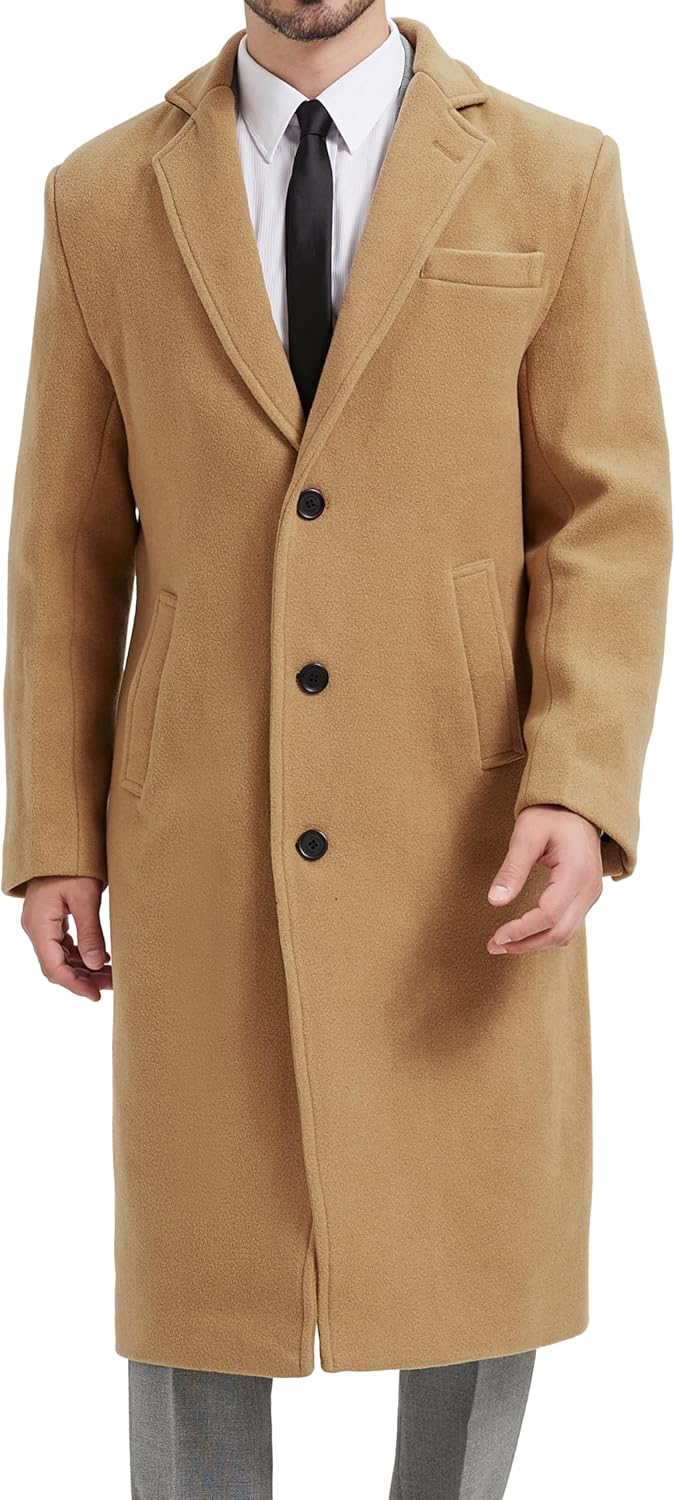
Do not ignore how fabric interacts with colors, because darker coat wool hides wear better while lighter shades highlight the quality of the weave. A long coat in camel wool cashmere will show every crease and mark, so you must demand impeccable fabric and finishing from your tailored coats. Whether you choose a wrap coat, a classic breasted coat, or a modern scarf coat with integrated panels, always check that the wool or wool blend feels resilient, recovers from a squeeze test, and falls cleanly from shoulder to hem.
Fit, size, and length for tall, petite, and every frame between
Fit is where even the best tailored coats can fail if you ignore your proportions. A coat that is one size too large will collapse at the shoulders and distort your style, while a coat that is too small will strain at the chest and ruin the line of a double breasted front. The goal is a tailored coat that skims the body, allows a blazer underneath, and still closes comfortably without pulling buttons.
Height and body type dictate the ideal length, so tall men usually benefit from a long coat that hits just below the knee, while shorter or petite tall frames often look sharper in coats ending mid thigh. Many brands now label pieces as tall petite or petite tall to indicate adjusted proportions, which matters more than the simple size number on the tag. When you try a breasted coat or a trench coat, check that the armhole is high enough to move freely, that the sleeve length shows about 1 cm of shirt cuff, and that the back vent opens cleanly when you walk.
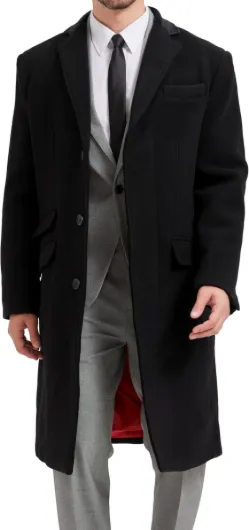
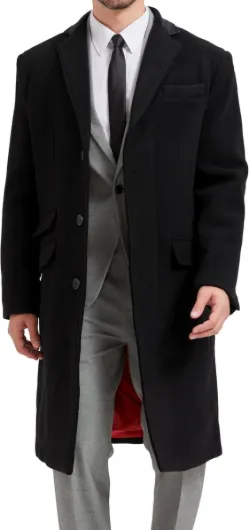
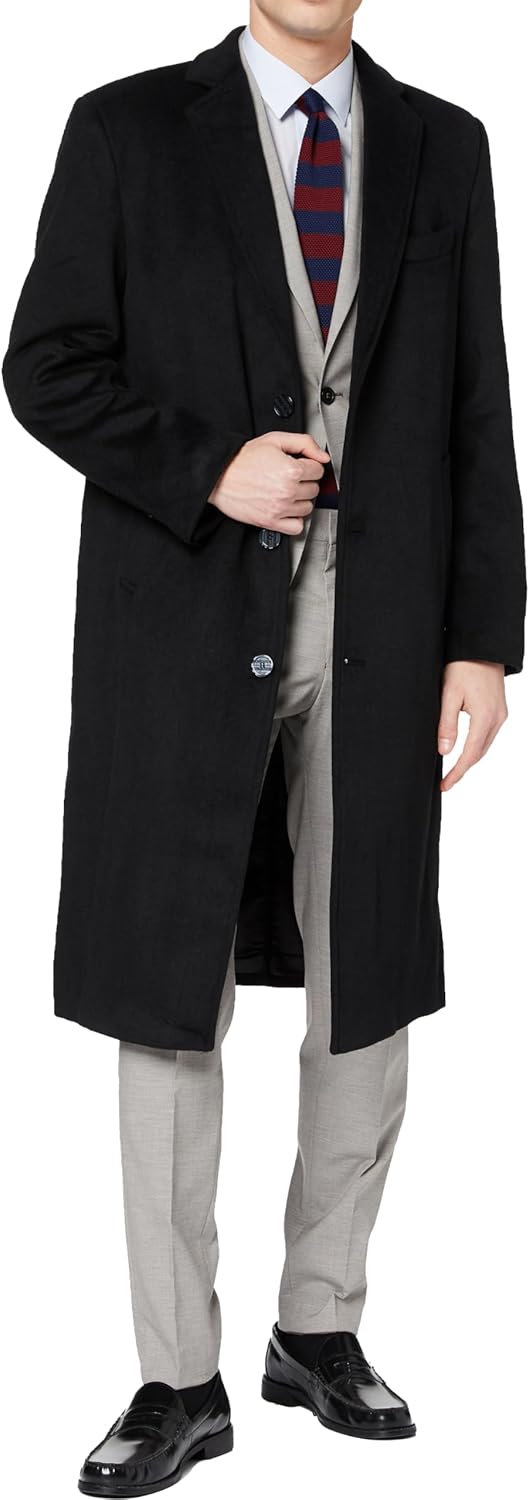
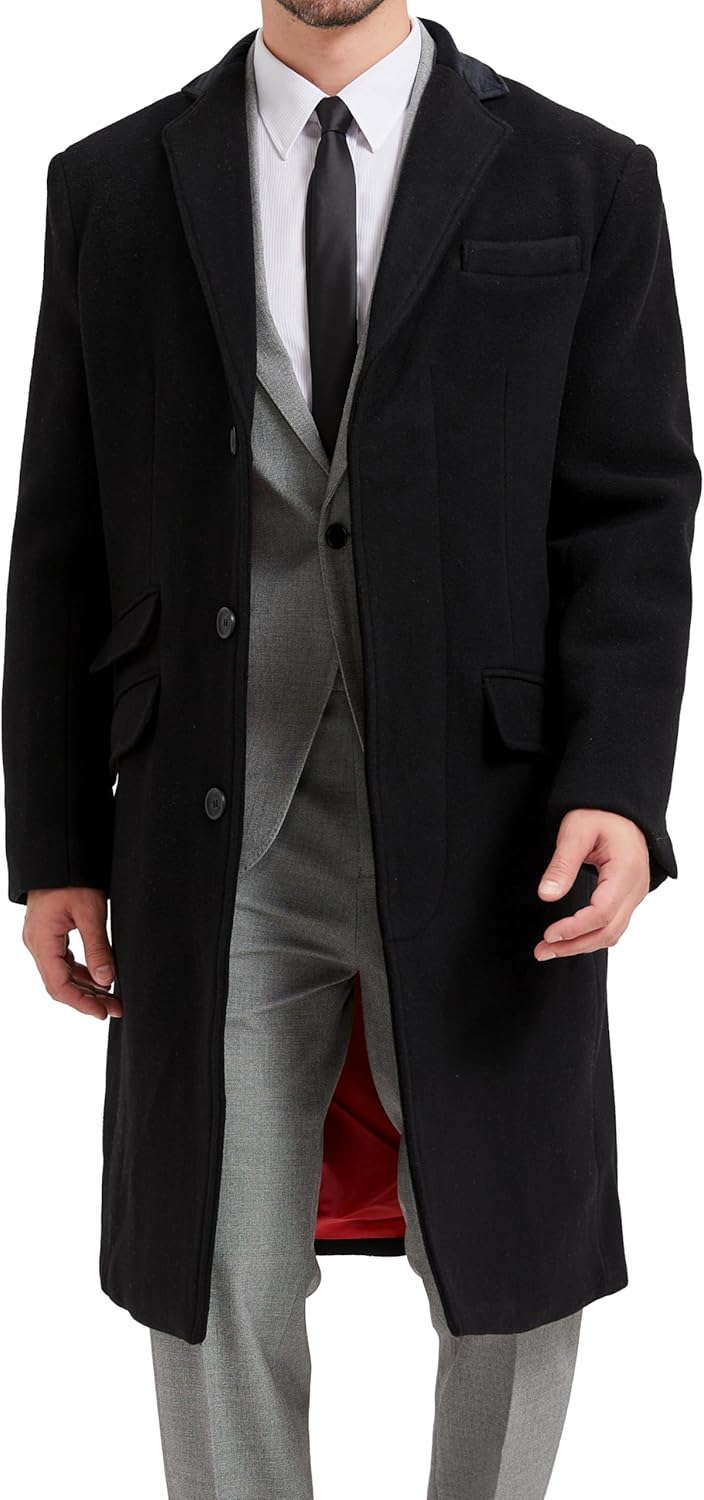
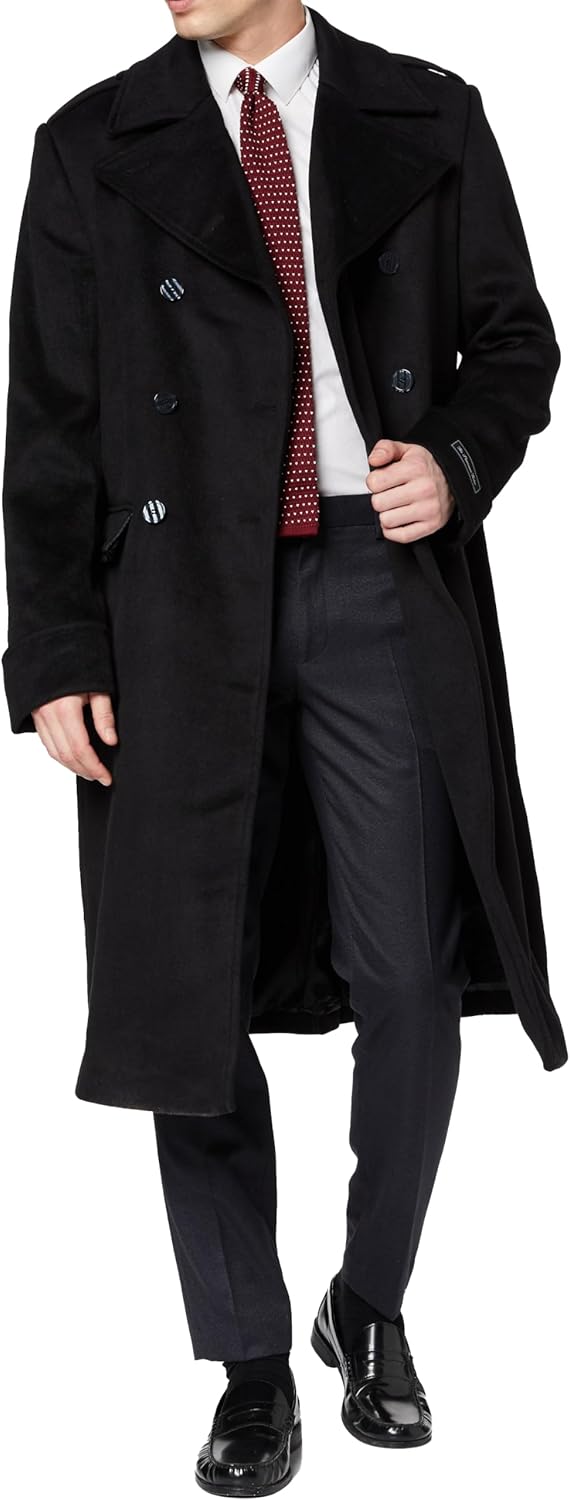
Men who are between standard and tall sizes should pay close attention to shoulder width, because altering shoulders on tailored coats is complex and costly. It is usually better to size for the shoulders and adjust sleeve length or waist suppression, especially on a structured double breasted wool coat. If you are investing in a premium single breasted wool cashmere piece, such as a warm black overcoat similar in spirit to this tested men’s black wool cashmere coat, insist on a clean drape over the upper back and a smooth line from collar to hem.
Key tailored coat styles: from trench coat to wrap coat
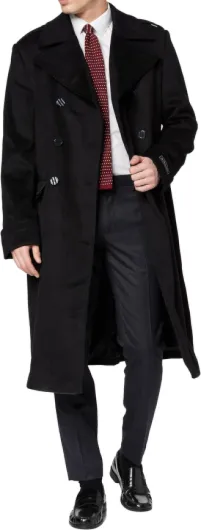
Once you understand fabric and fit, you can choose which tailored coats deserve space in your wardrobe. The classic single breasted coat remains the most versatile option, working over suits, denim, and knitwear with equal ease, while a double breasted coat projects more formality and presence. Many fashion men passionate about tailoring keep both coats in rotation, using the double breasted silhouette for sharper days and the single breasted coat wool piece for understated elegance.
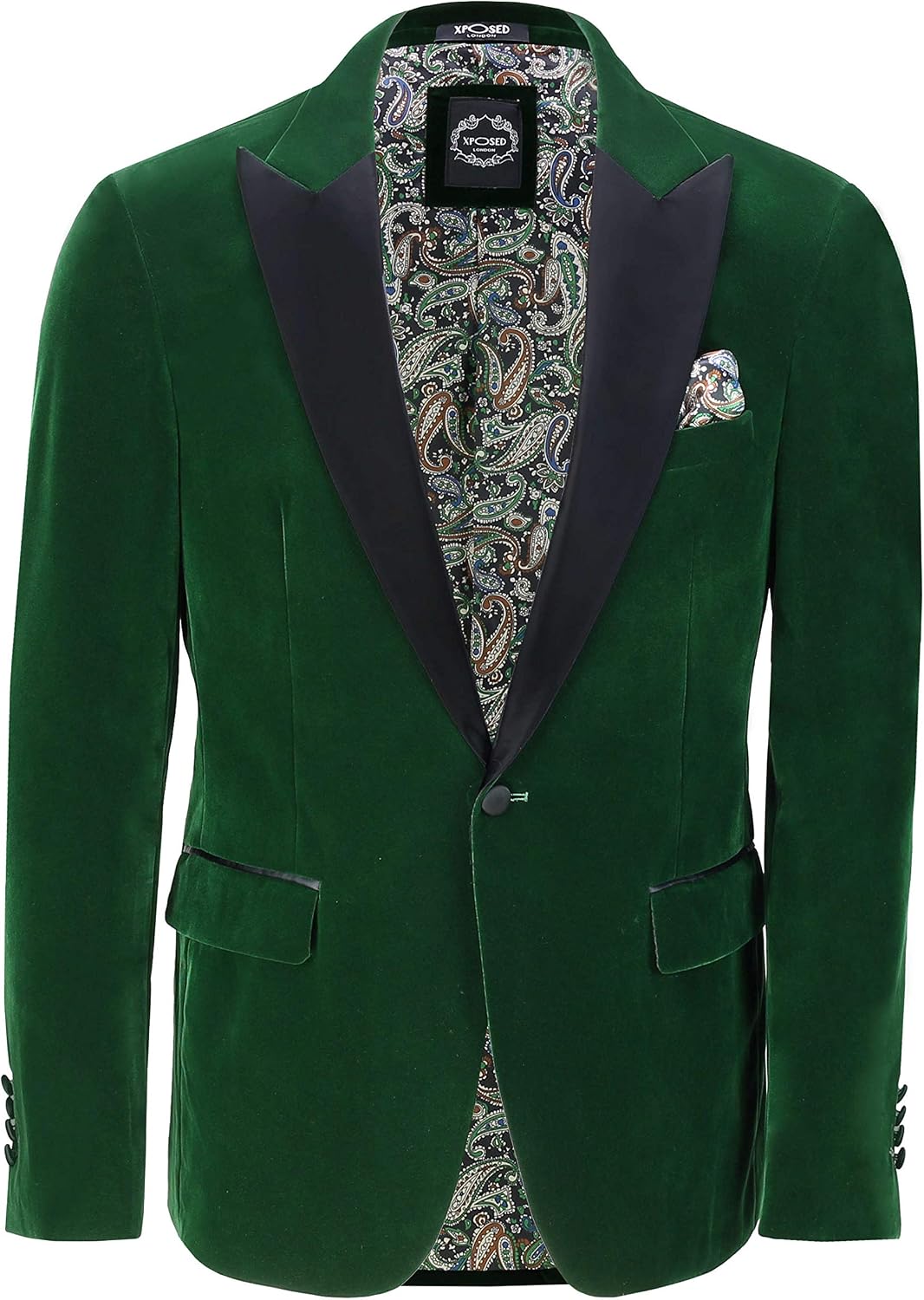
The trench coat, originally a military garment, has evolved into a refined tailored coat that bridges seasons, especially when cut in a wool blend or double faced wool for winter. A wrap coat, often belted and sometimes designed as a scarf coat with integrated scarf like panels, brings fluidity and a slightly softer attitude to menswear without sacrificing structure. When you choose colors for these coats, consider how camel, navy, black, and deep green interact with your existing wardrobe and skin tone, because the wrong colors can make even the best tailored coats feel disconnected from your style.
Specialised models such as the chiara topcoat or the lucas coat from directional labels show how designers reinterpret the long coat for modern city life. The chiara topcoat often emphasises a clean, straight line and minimal detailing, while the lucas coat and the reformation lucas versions experiment with length, lapel width, and fabric choices like wool cashmere or lighter wool blend weaves. Whether you lean toward these statement tailored coats or prefer a quieter breasted wool overcoat, always evaluate how each coat supports your daily routine, from commuting to evening events.
Styling tailored coats with scarves, layers, and even women inspired references
Styling turns the best tailored coats from simple outerwear into personal signatures. A long coat in dark wool becomes dramatically different when paired with a bold scarf, especially if you treat the scarf as an extension of the coat’s fabric and colors. Many men now choose a dedicated scarf coat or wrap coat with integrated panels, because this design keeps the scarf in place and reinforces the vertical line of the tailored coat.
Layering strategy matters as much as the coat itself, so think about how your knitwear, jackets, and even tailored gilets interact with the inner volume and fit. A double breasted wool coat demands slimmer under layers to preserve its sharp front, while a more relaxed trench coat or reformation lucas style can handle chunkier knits without distorting the silhouette. If you are curious about expanding your winter layering vocabulary beyond coats, consider how a cashmere poncho can complement a structured overcoat by reading this piece on effortless poncho style for men.
There is also value in observing how women approach outerwear, because women often treat a tailored coat as a central styling tool rather than a purely functional layer. Borrow that mindset and experiment with proportion play, such as pairing a long coat with cropped trousers or using contrasting colors between coat wool and scarf. When you refine these styling choices, you will notice that your tailored coats feel less like winter necessities and more like deliberate expressions of your taste and lifestyle.
Price, value, and how to build a focused coat wardrobe
Price should reflect construction quality, fabric, and long term wear when you evaluate the best tailored coats. A well made wool coat or wool cashmere overcoat will cost more upfront, but the cost per wear often undercuts cheaper coats that lose their shape after one hard season. Think in terms of a small, focused rotation of tailored coats rather than a crowded rail of impulse purchases.
Start with one top tier tailored coat in a versatile color such as navy or charcoal, then add a second coat that brings contrast, perhaps a camel wrap coat or a double breasted trench coat in a textured wool blend. A third piece might be a statement long coat, maybe inspired by the lucas coat or chiara topcoat, which you reserve for evenings and special occasions. By planning this wardrobe, you cover business, casual, and formal needs without duplicating similar coats or wasting budget on redundant styles.
When comparing prices, always check the exact fabric composition, the density of the coat wool, the quality of buttons and stitching, and whether the brand offers proper alterations for sleeve length and waist suppression. Men who fall into tall, petite, or petite tall categories should prioritise labels that cut specific patterns for these sizes, because a correctly proportioned tailored coat will always look more expensive than a poorly fitting designer piece. Over time, this disciplined approach to buying tailored coats ensures that every breasted coat, scarf coat, or double faced overcoat in your wardrobe earns its place and supports your evolving style.
Key figures on tailored coats and winter outerwear
- According to data from the Woolmark Company, wool fibres can absorb up to 30 % of their weight in moisture without feeling wet, which helps high quality wool coats regulate body temperature more effectively than many synthetic coats.
- Market research from Euromonitor shows that premium men’s outerwear has grown by more than 20 % over the last five years, with tailored coats and long coat styles representing a significant share of that increase in major European capitals.
- A survey by the British Fashion Council reported that men who invest in at least one wool cashmere or pure wool blend overcoat tend to keep the garment in rotation for seven to ten winter seasons, highlighting the long term value of quality fabric and construction.
- Fit issues remain the main barrier to satisfaction, as a study from a leading European department store found that over 40 % of returned coats were sent back due to incorrect size, sleeve length, or overall fit rather than fabric or color concerns.
References
- Woolmark Company – technical information on wool performance and fibre properties.
- Euromonitor International – reports on global menswear and outerwear market trends.
- British Fashion Council – insights on menswear purchasing behaviour and garment longevity.