
Summary
Editor's rating
Value: solid for the money if you accept the weight and break-in
Old-school combat boot design with a steel toe twist
Comfort: fine once broken in, but don’t expect sneaker vibes
Stiff cowhide, steel inside, and a chunky rubber sole
Durability: built to be knocked around, not babied
Performance: good for cadets, work, and general abuse
What you actually get out of the box
Pros
- Tough construction with screwed, stitched and glued rubber sole
- Steel toe adds real protection for work and cadet use
- Genuine leather upper that takes polish well and lasts
- Good value for money compared to big-brand tactical/work boots
Cons
- Heavy and stiff with a noticeable break-in period
- Back seam and collar can rub without thick socks or tweaks
- Only water resistant, not fully waterproof for prolonged wet conditions

Specifications
View full product page →| Brand | Brandit |
Chunky cadet-style boots with a work-boot twist
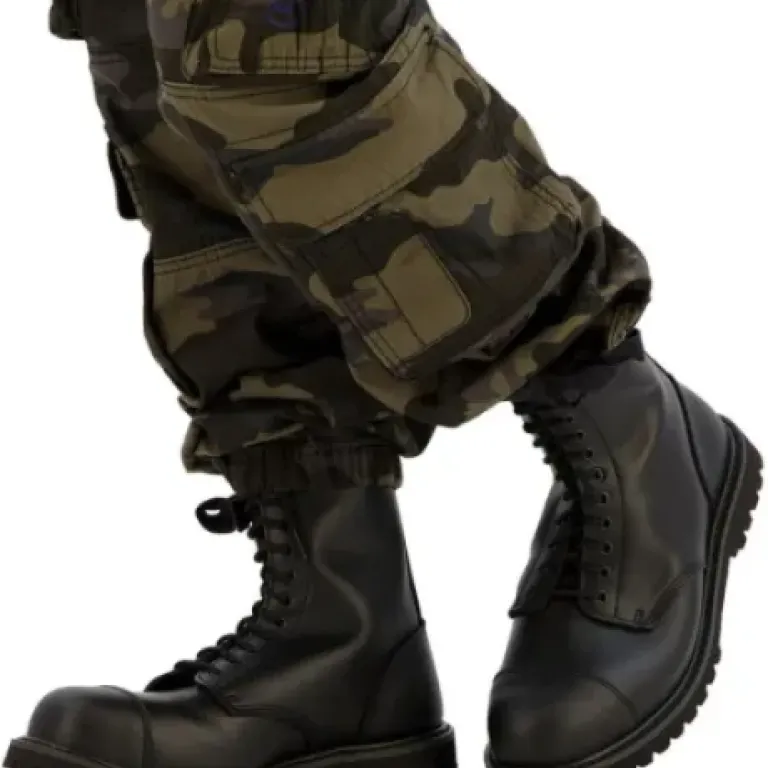
I’ve been wearing these Brandit Phantom 14 Eyelet boots as my main “beat them up” pair for a few weeks – commuting, walking the dog, a bit of DIY, and some muddy field time. I went for them because I wanted something that sits between classic combat boots and work boots: tall shaft, 14 eyelets, but with a steel toe and a proper screwed and stitched sole. On paper they tick a lot of boxes for the price.
First impression when I pulled them out of the box: they are big, heavy and feel like old-school boots, not fashion sneakers pretending to be tactical. The leather is stiff out of the gate, the sole is thick, and you can feel the steel toe the second you pick them up. If you’re used to light hikers or trainers, these will feel like bricks for the first couple of days.
In day-to-day use though, they’ve settled into a pretty clear role: good for people who want cheap-ish, tough leather boots with a steel toe, and who don’t mind some weight and a bit of breaking-in pain. They’re not high-tech, they’re not especially breathable, and they definitely don’t feel like running shoes. But they do feel like boots you can kick stuff with and not worry too much.
Are they perfect? No. There are comfort quirks, the back seam can rub (one Amazon reviewer mentioned using tape, I had the same issue), and they’re only water resistant, not waterproof. But for the money, especially if you or your kid are in cadets or just want budget combat-style boots, they’re pretty solid once you know what you’re getting into.
Value: solid for the money if you accept the weight and break-in
On the value side, I think these Brandit Phantom boots sit in a sweet spot for certain people. You’re getting real leather, a steel toe, and a screwed/stitched sole at a price that’s usually closer to mid-range fashion boots with none of those features. If you compare them to more expensive tactical brands or big-name work boots, they come in cheaper while still feeling properly tough.
Where the compromise shows is mainly in comfort and finishing details. You don’t get fancy cushioned insoles, breathable membranes, or high-end lining. You also have to deal with a bit of heel rubbing and a proper break-in period. If you factor in the cost of a good insole and thick socks, it’s still a decent deal, but it’s not like you’re getting premium comfort out of the gate. You’re paying for durability and protection first, comfort second.
Compared to cheaper no-name combat-style boots I’ve tried, these feel more serious. The sole attachment alone (screwed and stitched) makes me more confident they’ll survive being used as actual work or cadet boots, not just fashion items. The Amazon rating around 4.3/5 with over a thousand reviews lines up with my feeling: most people are happy, with some gripes, but overall they do what they’re supposed to do.
If your budget is tight and you just need something that looks like combat boots for occasional wear, you might get away with something cheaper and lighter. But if you want affordable boots you can actually work in, kick stuff with, and polish up for cadets or similar, the price-to-performance ratio here is pretty good. Not the deal of the century, but definitely good value for what you get.
Old-school combat boot design with a steel toe twist
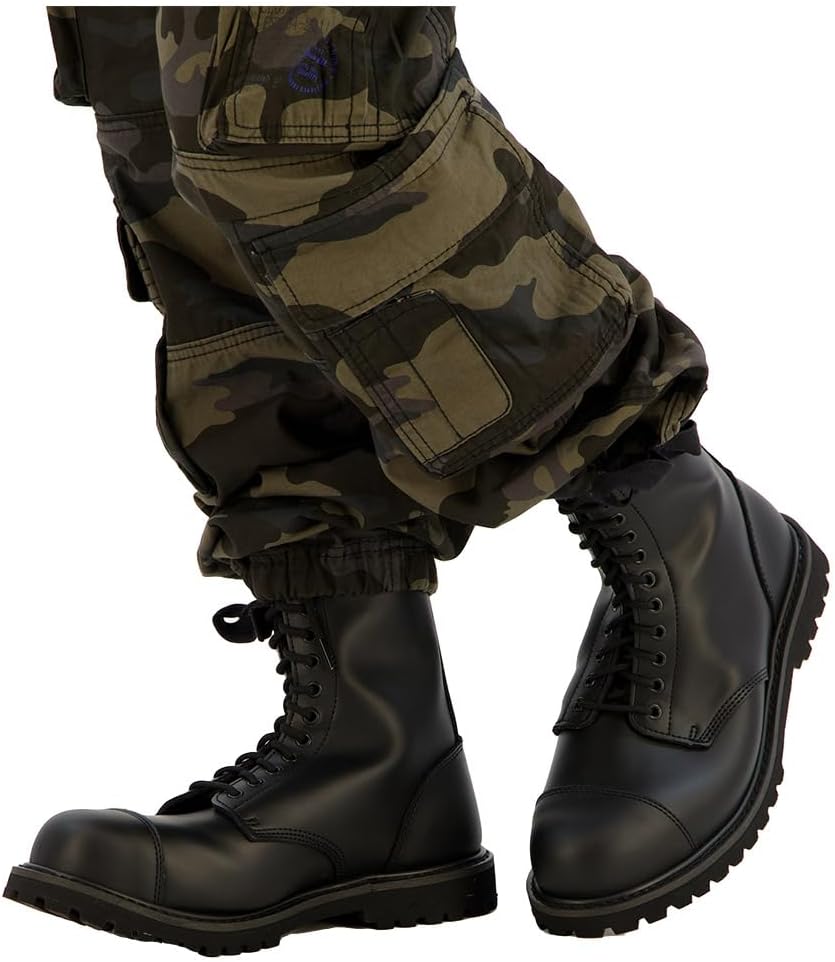
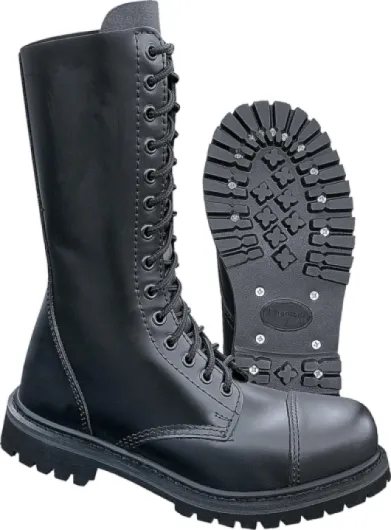
The design is very straightforward: 14 eyelets per side, semi-long shaft that comes up to the lower calf/above the ankle (Brandit calls it “Knöchel” height, so ankle-high but on the taller side), block heel, and a plain round steel toe. No side zipper, no hooks on top, just full lace-up from bottom to top. That means putting them on and taking them off takes a bit of time. If you’re used to zips, you’ll probably find this annoying at first, but the plus side is there’s less to break.
The sole is where they’ve clearly tried to make them tougher: it’s screwed, stitched and glued. You can see the stitching line around the sole and feel the screws when you look closely at the bottom. That should, in theory, help them last longer than cheap glued-only boots, especially if you’re walking a lot on rough ground. The tread is fairly aggressive: not mountaineering level, but enough grip for wet pavements, mud, and grass. I didn’t feel like I was skating around in the rain, which is already a win compared to some fashion boots.
One design downside: the back seam and the collar area are quite stiff. Several users mentioned rubbing at the back, and I had the same issue the first week. The seam is vertical and you feel it if you wear thin socks. Once I switched to thicker socks and the leather started to soften, it was much better, but out of the box it’s not the friendliest design for bare skin or ankle socks. If you’re sensitive to heel rub, keep that in mind.
Visually, they’re solid but basic. No fancy stitching patterns, just a smooth leather upper and a simple combat boot silhouette. If you want boots that look smart with a uniform or black jeans, they work. If you’re after something stylish or modern, they’re a bit plain. Personally, I like that they don’t try to be anything they’re not – they look like work/combat boots, and that’s exactly how they behave.
Comfort: fine once broken in, but don’t expect sneaker vibes
Comfort is where these boots need a bit of honesty. Out of the box, they are not instantly comfortable. The leather is stiff, the shaft is tall, and the back seam can rub your heel or Achilles if you wear thin socks. One Amazon reviewer literally mentioned using gorilla tape on the seam – I didn’t go that far, but I get why they did. My first full day in them with medium socks gave me some hot spots on the back of the heel and on the top of the foot where the tongue folds.
After about a week of on-and-off wear and switching to thicker socks, they started to feel a lot better. The leather softened, the creases formed in the right places, and the rubbing mostly stopped. Thick socks are basically mandatory with these, especially in the first couple of weeks. Once I accepted that and added a slightly cushioned insole, I could wear them a full day at work and for dog walks without thinking about my feet too much.
Cushioning is pretty basic. You don’t get any fancy foam or gel; it’s more like a traditional work boot feel. The heel is stable and the sole is rigid, which is good for protection but means you won’t be bending and sprinting around comfortably like in trainers. If you stand on hard floors all day, I’d recommend adding a better insole to help your arches. For walking, they’re okay – the weight is noticeable, but you get used to it after a few days.
In terms of sizing, they felt fairly true to size lengthwise, but the steel toe means the front feels less forgiving if you’re wide-footed. If you’re between sizes or have wide feet, I’d lean up a size and rely on thick socks and insoles to fine-tune. Overall, comfort is decent once broken in, but you do have to earn it. If you want something soft and comfy straight away, these won’t be your favourite. If you’re used to traditional leather boots, you’ll probably find them acceptable after the usual break-in period.
Stiff cowhide, steel inside, and a chunky rubber sole
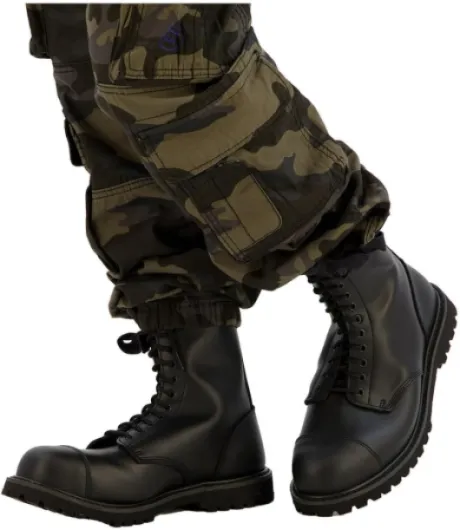
Material-wise, these are pretty straightforward: genuine cowhide leather upper, leather insole, steel toe cap, and a rubber sole that’s screwed, stitched and glued to the upper. There are also some non-textile animal parts, which basically just confirms the leather use. No synthetic mesh panels or fancy membranes here, just old-school materials that you can polish and abuse.
The leather out of the box is stiff and a bit unforgiving. It feels thick enough to take a beating, but it doesn’t mould to your foot instantly. I had to wear them around the house for a couple of evenings before doing a full day in them. After a week of walking, the leather started to crease nicely at the toe and flex points, and with regular polishing they took on a decent shine, just like one of the reviewers mentioned. If you enjoy shining boots, this leather responds well to standard polish and elbow grease.
The steel toe adds safety but also weight and a colder feel in winter. You can feel the front being more rigid than a normal leather toe. I accidentally kicked a pallet and was very happy the steel was there, so functionally it does its job. Inside, there isn’t a ton of padding – the lining is fairly simple, and you don’t get that cushioned sneaker-like feel. You’re relying more on your socks and possibly an aftermarket insole if you want more comfort.
The rubber sole feels tough and grippy. It’s not some ultra-soft foam; it’s dense, proper rubber that can handle grit, small stones and rough surfaces without chewing up immediately. The fact it’s screwed and stitched into place makes it feel more secure than just glued soles you get on cheaper boots. Overall, the materials feel honest for the price: not top-tier premium, but solid enough that you don’t feel like they’ll fall apart in a season if you look after them a bit.
Durability: built to be knocked around, not babied
Durability looks like one of the stronger points of these boots. The combination of thick cowhide, steel toe and a screwed/stitched/glued sole gives a pretty robust feel. After a few weeks of regular use, including mud, rain and some abuse in a workshop, the leather has scuffs but nothing serious, and the sole shows very little wear. The stitching around the sole still looks clean, and there’s no sign of the upper separating from the sole, which is something I’ve seen quickly on cheaper, fully-glued boots.
The steel toe obviously adds a lot of life to the front. On softer-toe boots I usually see the leather deform and crease more aggressively near the toe after a few weeks; here it stays nicely rounded because the steel holds the shape. You’ll still get cosmetic scuffs, but a bit of polish hides most of it. If you actually like that worn-in, slightly battered look, these break in nicely without looking destroyed.
The only part I’m slightly cautious about long term is the inner comfort side: the basic insole and lining. They’re not falling apart yet, but they don’t feel premium, so I wouldn’t be surprised if frequent heavy use wears the insole down faster than the outer. The good news is that insoles are cheap and easy to replace, and the structure of the boot feels like it will outlast a couple of insole swaps easily.
Based on my time with them and what other reviewers say (“will last a long time”, “high quality German make”), I’d say these are good value if you want boots that can take years of casual use or a solid season or two of rough daily use. They’re not indestructible, but for the price bracket, they feel tougher than a lot of fashion combat boots you see online.
Performance: good for cadets, work, and general abuse
In actual use, the Brandit Phantom 14 Eyelet boots perform like sturdy work/combat boots. I’ve used them in light rain, on wet pavements, muddy paths, and around a small workshop. The grip from the rubber sole is good enough that I never felt like I was sliding around, even on wet concrete. They’re marked as water resistant, not waterproof, and that matches what I saw: splashes and short walks in the rain are fine, but if you stand in deep puddles or wet grass for a long time, the water will eventually creep in around the tongue and stitching.
The steel toe does its job. I dropped a small plank and knocked my toe against some metal – nothing dramatic, but enough to be annoying in normal shoes – and didn’t feel anything worrying. For cadet use, light workshop work, or general DIY, this is a nice bit of reassurance. They’re not a full certified safety boot with every possible rating, but in everyday use they behave like a solid safety toe boot.
For long walks, they’re okay but not great. The weight and stiffness means you feel more tired than in lighter boots or trainers, especially if you’re not used to heavy footwear. I did a couple of 8–10 km days in them; my feet were fine, but my legs felt like they’d worked harder. On the flip side, you do feel well-protected – you’re not worrying about stubbing toes or stepping on small debris. For urban and moderate outdoor use (cadets, airsoft, walking, basic work), they’re in their element.
Noise-wise, they’re not quiet – you do get that solid boot “thunk” on hard floors. If you want stealth, these are not it. But if your priority is durable, protective, cheap-ish boots that can take daily abuse, their performance is pretty solid. They’re not specialist hiking boots or high-end tactical gear, but they handle everyday rough use without fuss.
What you actually get out of the box
Out of the box, the Brandit Phantom 14 Eyelet boots look exactly like what the name suggests: classic black combat boots with 14 eyelets, tall shaft, smooth leather and a chunky rubber sole. No fancy branding, no weird colors, just basic black leather and a block heel. If you’ve ever seen cadet or army parade boots, you’ll get the general idea immediately. They look more like functional kit than fashion boots.
The pair I got came with standard round black laces that are very long, which matches what one Amazon reviewer said about doing straight-bar lacing like the army. So if you or your kid want that neat parade-style look, the laces are long enough for it. I tried both normal criss-cross and bar lacing; bar lacing looks cleaner but takes more time to adjust. Either way, you’re not going to run out of lace length, if anything you’re tucking excess away.
Weight-wise, they’re on the heavy side: a bit over 2 kg for the pair. You feel that when you pick them up and when you walk. They don’t pretend to be lightweight. The steel toe and thick rubber sole explain a lot of that. When you tap the toe against something, you clearly feel the steel cap under there. The boot shape is fairly straight and simple, no big arch support built into the design visually.
Overall, presentation is no-nonsense: one color (black / 14 Loch variant), leather outer, rubber sole, steel toe, tall shaft around the ankle. If you want flashy branding or modern tactical styling with zips and mesh panels, this is not it. If you want something that looks like a traditional combat/work boot hybrid, that’s exactly what you’re getting.
Pros
- Tough construction with screwed, stitched and glued rubber sole
- Steel toe adds real protection for work and cadet use
- Genuine leather upper that takes polish well and lasts
- Good value for money compared to big-brand tactical/work boots
Cons
- Heavy and stiff with a noticeable break-in period
- Back seam and collar can rub without thick socks or tweaks
- Only water resistant, not fully waterproof for prolonged wet conditions
Conclusion
Editor's rating
Overall, the Brandit Phantom 14 Eyelet boots are solid, old-school leather boots with a steel toe and a tough sole. They’re heavy, they need breaking in, and they’re not packed with modern comfort tech, but once you accept that, they do their job well. The leather is thick enough to take abuse, the sole feels secure thanks to the screws and stitching, and the steel toe gives real protection for work, cadets, airsoft, or just general rough use.
They make the most sense for people who want budget-friendly combat-style boots that can actually handle daily wear: cadets, DIYers, people in basic warehouse or workshop environments, or anyone who likes the traditional combat boot look and doesn’t mind the weight. If you’re willing to wear thick socks, maybe add an insole, and live through a week or two of break-in, you’ll probably be happy with them. If you’re expecting trainer-level comfort or super-light tactical boots, you’ll be disappointed.
If I had to sum it up: good value, tough and practical, but a bit rough around the edges on comfort. I’d buy them again for work or cadet use, but not as my main everyday walking boot if I was on my feet all day on hard floors. For the price bracket, though, they get the job done and feel more serious than a lot of fashion combat boots out there.