
Summary
Editor's rating
Are they worth the money compared to cheaper dress shoes?
Classic monk strap look with a very office-friendly shape
Old-school comfort: fine after break-in, not a slipper
Leather everywhere: nice, but you need to look after it
Built to last on paper, but only if you respect the rules
How they actually behave in daily use: grip, support, and office life
What you actually get when you open the box
Pros
- Quality calf leather upper with full leather lining and insole that molds to the foot over time
- Goodyear welted construction and leather sole that can be resoled for long-term use
- G width and rounded toe offer decent room and make them practical for regular office wear
Cons
- Firm feel and leather sole mean a noticeable break-in period and less comfort at the start
- Leather sole can be slippery on smooth floors until worn in or fitted with a rubber topy
- Requires regular care (shoe trees, polish, avoiding heavy rain) to really justify the price

Specifications
View full product page →| Brand | BARKER |
Formal shoes that actually feel handmade (for better and worse)
I’ve been wearing the BARKER Northcote monk strap shoes in black, size 9 UK, as my main office and event shoes for a few weeks. I swapped them in for my usual lace-up Oxfords from a more mainstream brand to see if the whole “handmade in England, Goodyear welted” thing actually changes anything in day-to-day use. Short version: you can tell they’re not cheap high-street shoes, but they also need more care and patience than a typical pair.
Most of my use has been pretty standard: commute, office days, a couple of meetings where I had to walk a bit, and one formal event where I was on my feet a lot. So no gentle “only wore them in the boardroom” treatment. I wore them on pavement, wet streets one day, and on carpeted offices the rest of the time. I did use shoe trees at night though, because with full leather soles I know they can deform quickly if you don’t.
What stood out right away is that they feel like real leather shoes that need breaking in, not comfy sneakers disguised as dress shoes. If you’re used to soft, padded, rubber-soled dress shoes, the first few days with these will feel pretty harsh. They’re not unwearable, but you feel the leather sole and the lack of cushioning. After about 4–5 wears, they started to mold more to my foot and became noticeably more comfortable.
Overall, my first impression is: quality is there, comfort is old-school, and maintenance matters. If you want a pair you can trash and forget, these are not it. If you like the idea of owning proper Goodyear welted shoes that you can resole and keep for years, they start to make sense, as long as you accept the price and the care they need.
Are they worth the money compared to cheaper dress shoes?
Price-wise, BARKER is not in the bargain category. You’re paying a decent chunk compared to basic high-street dress shoes, and even compared to some mid-range brands. So the real question is: do you actually get something extra for that money? From my use, I’d say yes, but only if you care about construction and long-term use. If you just need a pair of black shoes for one wedding and then they’ll sit in the closet, this is overkill.
What you’re paying for here is: Goodyear welted construction, full leather everything, made in England, and the ability to resole. Over a few years, if you rotate them and maintain them, the cost per wear can end up pretty reasonable. A cheaper glued shoe might be half the price but will probably be dead after a year or two of regular use, and resoling often isn’t worth it or even possible. With these, you can replace the sole and keep going, as long as the upper is still in good shape.
On the flip side, you’re not paying for comfort tech. There’s no fancy cushioning, no rubber outsole, no memory foam insole. If that’s what you value most, you might feel a bit cheated because the initial feel is firm and a bit unforgiving. Also, they do need care products, time to polish, and some basic knowledge of leather maintenance. If you’re not into that at all, the value drops, because you’re not using what you paid for.
So in terms of value, I’d rate them as good for someone who wants a proper, resoleable, traditional dress shoe and is willing to maintain it. For someone who just wants something that looks fine and feels soft right away, there are cheaper and easier options that will make more sense, even if they don’t last as long.
Classic monk strap look with a very office-friendly shape
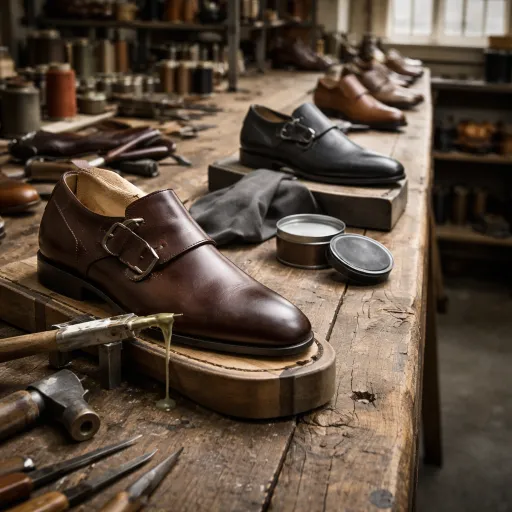
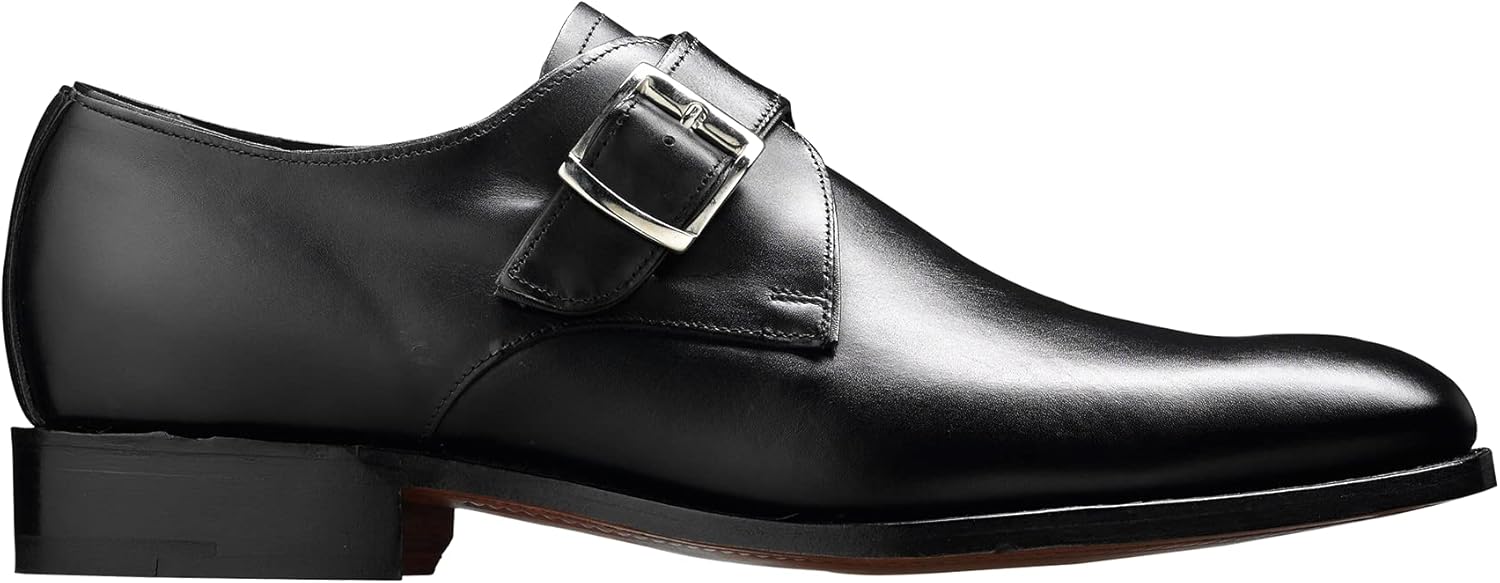
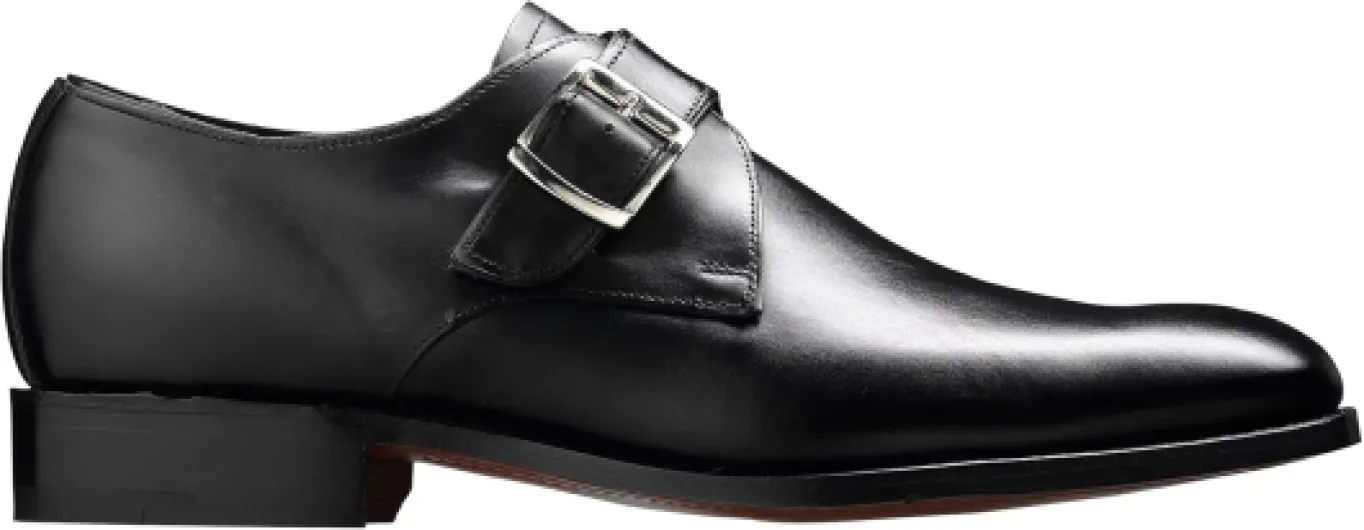
The design is pretty restrained. Single monk strap, rounded toe, flat heel, solid black leather. No logo screaming at you, no weird stitching patterns. It’s the type of shoe you wear to work, weddings, or anything where a standard Oxford would be appropriate. Because it’s a monk strap and not laces, it looks a bit less formal than a super sharp cap-toe Oxford, but still clean enough for most corporate dress codes.
The toe is rounded rather than pointy, which gives it a more traditional English look. That has two effects: visually, it looks a bit chunkier than some slim Italian styles, and functionally, it gives a bit more room for your toes. I personally liked that; it doesn’t squeeze the front of the foot like some narrow dress shoes I’ve had. If you want a sleek, razor-nose dress shoe, this isn’t that. It’s more of a balanced, everyday formal shoe.
The monk strap closure itself is easy to live with. You basically set the buckle position once and then just open/close it like a belt. It’s quicker than laces when you get used to it. After a couple of days, I was sliding my foot in and out without fiddling much. The buckle sits flat and didn’t dig into my foot or ankle, which was something I was a bit worried about at first.
In practice, I’d describe the design as: discreet, office-safe, and a bit old-school in a good way. It doesn’t shout for attention, but people who know shoes will notice it’s a proper monk strap, not a cheap knock-off. If you want something flashy or very fashion-forward, this will feel too plain. If you want one pair that works with most formal outfits and doesn’t go out of style in two years, the design makes sense.
Old-school comfort: fine after break-in, not a slipper
Comfort-wise, these are not like cushioned office shoes with rubber soles. They’re traditional dress shoes, and they feel like it. For the first 2–3 full days of wear, I definitely noticed the firmness, especially under the ball of the foot. No blisters for me, but I did get some mild soreness by the end of day one because of the hard leather sole and the lack of padding. If you’re not used to leather soles, I’d recommend easing into them, not going straight to a 10-hour day on your feet.
The G width is a plus if you have average to slightly wide feet. My forefoot had enough room, and I didn’t feel crushed at the toes. The rounded toe shape also helps there. The heel grip was decent, with a tiny bit of slip the first day that went away once the leather molded slightly. If you have very narrow feet, you might need thicker socks or an insole to avoid swimming inside, but for me, it was fine out of the box.
After about 4–5 wears, the leather insole started to shape to my foot, and comfort improved noticeably. They’re still firm, but the pressure points evened out. At that point, a full workday was manageable without thinking about my feet all the time. Don’t expect sneaker comfort; think more like “proper dress shoe that becomes decent once broken in”. If you want instant softness, you’ll be disappointed.
In practice, I’d say comfort is good if you accept the traditional feel and give them a break-in period. They’re not painful, but they ask something from you at the start. If you have foot issues, need arch support, or are on your feet all day on hard floors, you might want to add a thin insole or pick something with more built-in cushioning and maybe a rubber sole.
Leather everywhere: nice, but you need to look after it
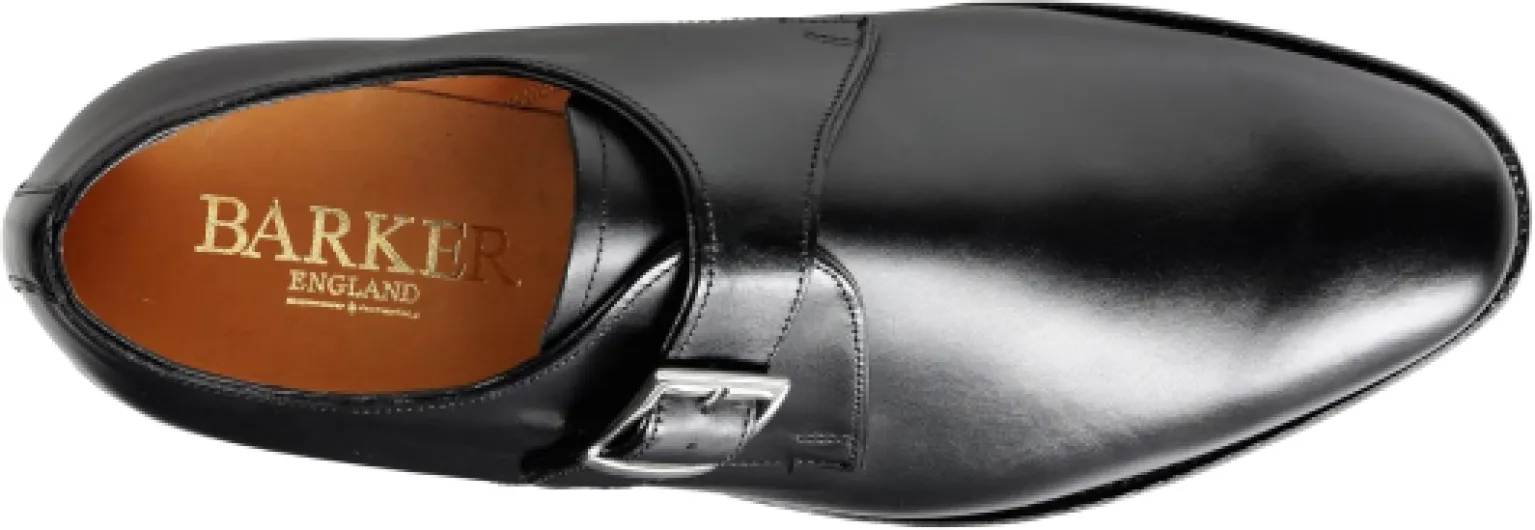
The materials are where this shoe clearly isn’t in the budget category. It’s calf leather with a natural finish on the outside, leather lining, leather insole, and a full leather sole. Plus Goodyear welt construction, which basically means the upper is stitched to a welt, and the sole is stitched to that, making it easier to resole later. That’s the kind of build you expect from proper traditional dress shoes, not from cheap fashion brands.
The upper leather out of the box felt firm but not like cardboard. After a few wears and a bit of conditioner, it softened up nicely without getting floppy. The finish is smooth and takes polish well. I did a quick polish after the first week and it cleaned up nicely, with the creases looking normal rather than ugly. You can tell it’s not plasticky coated leather; it actually reacts to products and use.
The full leather sole is a double-edged sword. On one hand, it looks clean and feels more “real” than rubber. On the other hand, it’s slippery at the start and not very forgiving on hard floors. The first couple of days, walking on smooth tiles was a bit sketchy until the sole roughened up. If you’re used to rubber soles, you’ll feel the difference. Inside, the leather insole is firm. There’s basically no built-in cushioning, so what you’re feeling is your foot against leather and the structure underneath.
Overall, materials are pretty solid for someone who actually cares about leather and construction. But you have to commit to some basic care: use shoe trees, let them dry naturally if they get wet, and polish/condition from time to time. If you throw them in a corner wet and never touch them, they’ll age badly, and then the whole point of paying for these materials is gone.
Built to last on paper, but only if you respect the rules
Durability is one of the main selling points here: Goodyear welted, leather sole, quality calf leather, made in Northampton. After a few weeks of use, there’s obviously no long-term verdict yet, but you can already see how they’re going to age. The upper leather creases in a clean way, not in ugly deep folds. With basic care (shoe trees, wiping them down, occasional polish), they still look almost new, just with normal wear lines.
The leather sole shows wear faster than rubber, especially at the toe and the outer edge of the heel. That’s totally normal for leather soles. After a handful of wears on pavement, you can already see the top layer scuffed and slightly thinned in those areas. That doesn’t mean the shoe is dying; it just means if you plan to use them a lot outdoors, you might want to add a thin rubber topy at a cobbler to extend the life of the sole. The good thing is, because of the Goodyear welt, resoling later is possible and standard practice.
The stitching around the welt and upper looks clean and tight. I didn’t see any loose threads or glue marks. The buckle and strap holes also look like they’ll hold up; no stretching or cracking so far. With cheaper shoes, I often see the lining cracking around the heel after a few weeks. Here, the leather lining is still smooth and intact, no peeling or weird noises when putting them on.
Realistically, if you rotate them with at least one other pair, use shoe trees, and don’t soak them in the rain all the time, these should last several years easily, with a resole or two along the way. If you wear them every single day, in all weather, with no care, they’ll still last longer than cheap glued shoes, but you’ll burn through the leather sole pretty fast. So durability is there, but it depends heavily on how you treat them.
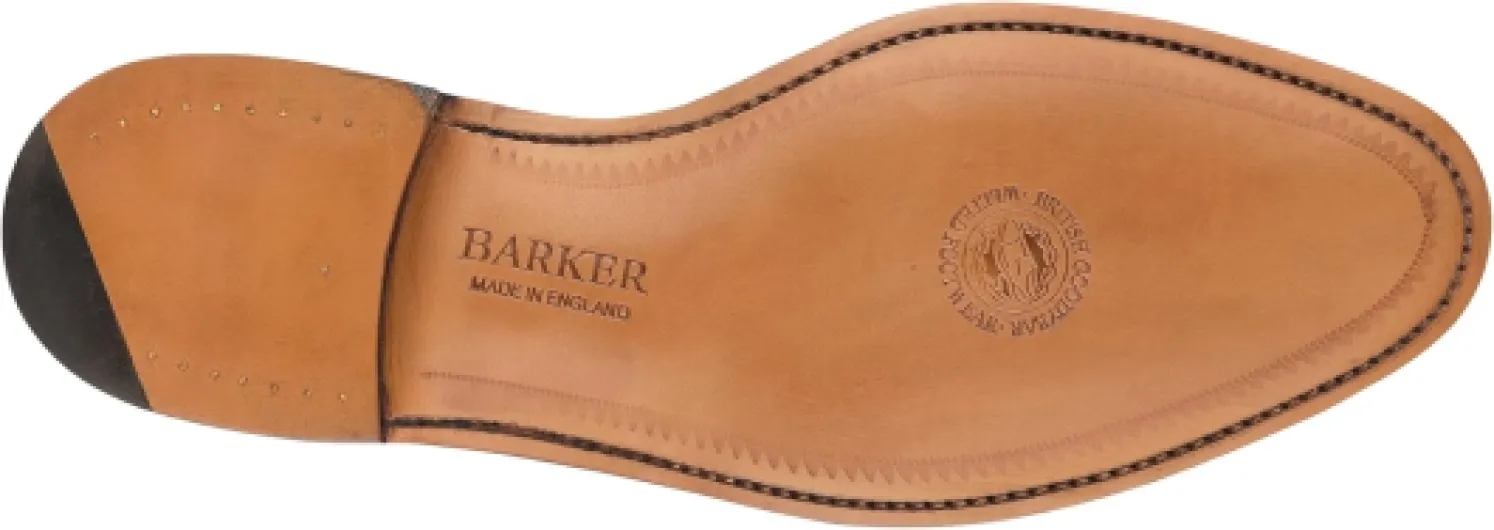
How they actually behave in daily use: grip, support, and office life
In day-to-day use, the BARKER Northcote does what a formal shoe is supposed to do: it looks sharp enough and holds its shape well. Walking around the office, commuting, and going to a formal event, the shoe felt stable and supportive. The Goodyear welt construction gives a bit of structure underfoot, so you don’t feel like the shoe is collapsing after a few hours. The buckle stayed put and didn’t loosen during the day, which I appreciated because nothing is more annoying than constantly adjusting your shoes.
Where performance is less great is grip and flexibility, especially at the start. The leather sole on smooth indoor floors can be slippery until you’ve worn it enough outside to rough it up. I had one moment on a polished stone floor where I definitely felt the heel slide slightly. Not a fall, but enough to make me more careful. After a week of wear, the sole had more scuff marks and grip improved, but it’s still nowhere near rubber sole traction.
In terms of support, there’s enough structure to keep the foot aligned, but not much in terms of shock absorption. Walking on pavement for 30–40 minutes is fine, but if you’re doing several hours on concrete, you’ll feel it in your knees and lower back a bit more than with a rubber-soled shoe. That’s just the nature of a firm leather sole. The shoe doesn’t overheat much though; the all-leather interior breathes better than synthetic-lined shoes I’ve used before.
So in practice: great for office days, meetings, and events, okay for moderate walking, not ideal if your job is basically walking on hard floors all day. If you treat them as a proper dress shoe and not as a daily beater for long city walks, the performance makes sense. Just be aware of the break-in and the slippery first days.
What you actually get when you open the box
Out of the box, the BARKER Northcote looks like a straight-up classic dress shoe: single monk strap, rounded toe, plain black calf leather, leather sole. No crazy broguing or flashy details. It’s the kind of shoe you can wear with a suit, dress trousers, or even dark jeans if you want to dress them up. The brand pushes the whole “handmade in Northampton, England” angle, and honestly, when you hold them, they do feel more solid than a random department store pair.
The shoe is built on what they call a 386 rounded toe last, and it’s a G width, so slightly on the wider side compared to most standard D-width dress shoes. On my fairly average foot, that translated into a bit more room around the forefoot, which I actually appreciated after a whole day at work. If you have very narrow feet, you might find them a bit roomy, especially with thin dress socks.
Inside, it’s leather everywhere: full leather insole and lining, leather outer, and a full leather sole. No foam comfort insole, no rubber pad under the heel, nothing like that. It feels more “traditional cobbler” than “modern comfort shoe”. The buckle is metal and feels solid, not flimsy. The strap holes are cleanly punched and didn’t stretch out after a few uses.
In terms of first impression, I’d say: presented like a premium shoe, but without any over-the-top packaging tricks. It’s clearly aimed at someone who cares about construction (Goodyear welted, resoleable, etc.) rather than someone looking for soft sneaker-like comfort out of the box. The style is quite conservative, which is either good or boring depending on what you’re after.
Pros
- Quality calf leather upper with full leather lining and insole that molds to the foot over time
- Goodyear welted construction and leather sole that can be resoled for long-term use
- G width and rounded toe offer decent room and make them practical for regular office wear
Cons
- Firm feel and leather sole mean a noticeable break-in period and less comfort at the start
- Leather sole can be slippery on smooth floors until worn in or fitted with a rubber topy
- Requires regular care (shoe trees, polish, avoiding heavy rain) to really justify the price
Conclusion
Editor's rating
Overall, the BARKER Northcote monk strap is a solid traditional dress shoe: good leather, Goodyear welted, full leather lining and sole, and a simple, office-friendly design. You can feel the build quality in the way it holds its shape and how the leather reacts to wear and polish. It’s not a soft, sneaker-like experience, but it feels like something that can stay in your rotation for years if you treat it properly and resole when needed.
Who is it for? Someone who wears formal shoes regularly, likes the idea of owning a “proper” English-made pair, and doesn’t mind a break-in period and some basic leather care. If you rotate your shoes, use shoe trees, and maybe add a rubber topy to the sole, you’ll get good long-term value out of them. The wider G fit and rounded toe also make them friendlier for normal or slightly wide feet.
Who should skip them? If you want instant comfort, lots of cushioning, or a rubber sole for grip, this will feel too hard and a bit slippery at first. If you only wear dress shoes twice a year, the price and maintenance won’t make much sense. In short: great if you’re into traditional, resoleable dress shoes; just okay if you’re chasing comfort and low effort.