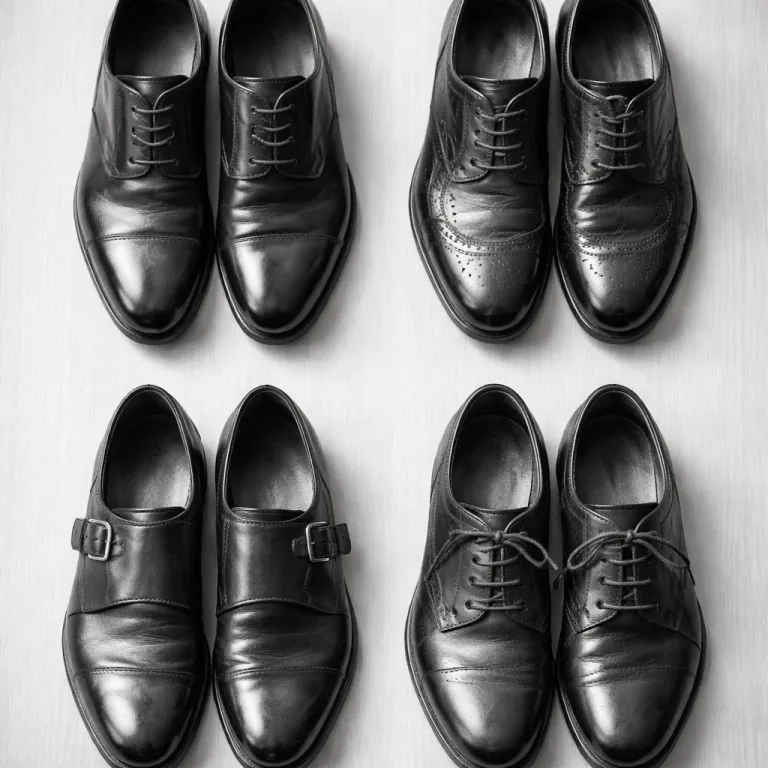
Why most men get dress shoes wrong and what “best” really means
Most men still choose dress shoes by brand logo and vague prestige. The best men’s dress shoes are defined instead by leather quality, construction method, last shape, and how each pair fits your actual lifestyle. When you match the right shoe to the right dress code, every men dress outfit suddenly looks deliberate rather than improvised.
Start with the basics of a rotation rather than chasing every shiny shoe. You want four core pairs of shoes men can rely on for years, not a chaotic pile of impulse buys at every price point. Think of each dress shoe as a tool with a clear job, from the most formal oxford to the most relaxed loafer or Chelsea boot.
For this guide, I focus on real wear and tear, not runway fantasy. I look at how the toe creases, how the grain leather ages, and how the goodyear welted construction behaves after multiple resoles. The aim is simple: you end up with the best dress options that justify their original price and still feel like a smart buy five years later.
What makes a dress shoe objectively good
A genuinely high quality dress shoe starts with full grain leather. Full grain uppers resist water better, develop a richer patina, and keep the toe and vamp from collapsing into that sad, wrinkled look you see on cheap shoes dress models. When you run a finger over good grain leather, it feels dense yet supple, never plasticky.
Underneath, construction matters more than any marketing line about “heritage” brands. Goodyear welted shoes use a welt stitched around the perimeter, which lets a cobbler resole the pair several times without touching the upper, while Blake stitched or cemented construction usually dies with the first sole. If you care about long term price per wear, goodyear beats glue every single time.
Last shape is the final non negotiable. A moderate round toe oxford or derby flatters most men, while extreme square toes and razor sharp chisels already feel dated. Aim for a plain toe or cap toe profile that looks sleek under a tailored dress trouser but still works with a slim dark jean on Friday.
The black cap toe oxford: the formal backbone of your wardrobe
If you wear a suit even a few times a year, you need a black cap toe oxford. This is the dress shoe that quietly passes every formality test, from conservative office meetings to the strictest wedding guest dress codes. When people talk about the best men’s dress shoes, they usually mean this exact shoe without realising it.
Look for a plain cap toe oxford in polished full grain leather, not corrected grain with a plastic finish. The toe should be softly rounded, never square, with a clean plain toe line and minimal stitching across the vamp. A well balanced last keeps the shoe elegant while still giving enough room in the forefoot so your toes do not scream by lunch.
In the entry tier, Meermin and Loake 1880 offer goodyear welted oxfords at a relatively friendly price, though you may need to size down half a size for a snug heel. Mid tier brands like Crockett & Jones or Carmina refine the last shape and use higher grade grain leather that creases more gently. At the investment level, Edward Green and John Lobb deliver black oxford shoes that feel almost sculpted around the foot and justify their original price through decades of service.
Fit, construction and what to avoid in a formal oxford
When you try on a black oxford, focus on the instep and heel before anything else. If the laces close completely on the first wear, the shoe is probably too big, while a small V gap is normal and lets the leather mould to your men dress foot over time. Heel slip should be minimal; if your heel lifts more than a few millimetres, go down half a size or try a different last.
Always prioritise goodyear welted construction for this category, because you will resole these dress shoes more than any other pair. Cemented soles on a formal shoe are a false economy, especially when the upper is decent leather but the sole fails early. A goodyear welted sole can be replaced every two or three years, keeping the original upper and maintaining the shoe’s shape.
Skip square toe oxfords, aggressive toe bit hardware, and anything with heavy broguing if you want maximum versatility. A simple cap toe or even a completely plain toe oxford in black leather will work with tux adjacent outfits and conservative business suits. If you want to read a detailed test of a more accessible black leather oxford, the review of the Tilden Walk oxford in black leather offers a useful benchmark for how an entry level shoe behaves after real office wear.
The dark brown derby: the everyday workhorse dress shoe
Once the black oxford is handled, the next essential is a dark brown derby. This is the pair dress shoe you reach for three or four days a week when the calendar says “office” rather than “ceremony”. In many wardrobes, this becomes the true best dress option because it bridges tailoring and smart casual with ease.
A derby differs from an oxford through open lacing, which gives more room over a high instep and often a more forgiving fit. Choose a moderate round toe with either a plain toe or a subtle cap toe, avoiding heavy brogueing that can limit formality. Dark chocolate or espresso brown full grain leather works with navy, grey, and even olive tailoring, while still looking sharp with mid wash denim.
At the entry level, Beckett Simonon and Thursday Boot Company offer a compelling value proposition with full grain leather and respectable construction, though the long pre order model from Beckett Simonon means you wait for your shoes. Meermin’s brown derbies in grain leather are another strong option if you accept a slightly stiffer break in period. In the mid tier, Crockett & Jones and Alden produce derbies whose original price reflects better finishing, more refined lasts, and soles that can handle years of commuting.
How to judge value and avoid daily wear traps
For a daily derby, price to quality matters more than logo status. A pair of goodyear welted derbies at a mid range price often outlasts a fashion brand shoe that costs twice as much but uses mediocre leather and cemented soles. Think about cost per wear over five years, not the original price tag on day one.
Pay attention to how the shoe feels across the ball of the foot and around the ankle. If the break in pain is sharp or focused on one pressure point, it usually does not disappear with time, while a general snugness in a full grain leather upper often relaxes after a few wears. Men with a high instep should favour derby lacing because it lets the quarters open more, reducing strain and preventing ugly creasing near the tongue.
For smart casual days, a slightly chunkier sole or a rubber studded outsole can make the shoes more practical without killing the dress element. Just avoid exaggerated contrast soles or square toes that drag the shoe into novelty territory. If you want a reference point for a more fashion leaning loafer that still aims at office use, the detailed test of the Steve Madden Covet men’s loafer in black leather shows how a penny loafer style can succeed or fail depending on construction and last.
The suede loafer: smart casual precision, not lazy comfort
The third pillar in a rotation of the best men’s dress shoes is a suede loafer. This is where many men underpay, assuming any slip on shoe will do for casual Fridays and dinners. A well made loafer, however, is a precision tool that can dress up chinos or relax a sharp suit without looking sloppy.
Focus on two main styles; the penny loafer and the plain loafer with minimal ornamentation. A penny loafer in dark brown or snuff suede with a moderate round toe works with everything from flannel trousers to tailored shorts, while a plain toe loafer in black calf can even step into semi formal territory. Avoid heavy metal toe bit hardware unless you specifically want that flashier aesthetic, because it limits versatility.
Construction still matters, even in a loafer that feels more relaxed. Goodyear welted loafers hold their shape better over time, especially around the heel cup, while Blake stitched options can be lighter but sometimes less stable for men with narrow heels. If you choose a cemented loafer at a low price, accept that it is a seasonal shoe, not a long term investment.
Fit, sizing and how to wear loafers with tailoring
Loafers are unforgiving when the size is wrong. Too big and your heel slips with every step, too small and the vamp cuts into the top of your foot, making the shoe unwearable after an hour. Aim for a snug fit out of the box, especially in suede, which relaxes more than smooth leather.
When you read sizing advice from brands, remember that each brand uses different lasts. Beckett Simonon loafers, for example, often run slightly long, while some traditional English brands run narrow through the toe. If you sit between sizes, choose the smaller size in suede and the larger in stiffer grain leather, then fine tune with thin insoles if needed.
Styling wise, a dark brown suede penny loafer is the most useful shoes place in your smart casual arsenal. Wear it with a navy blazer, grey dress trousers, and a light blue shirt for a relaxed office look, or pair it with a cotton suit for events where the dress code is unclear and you want to stay just on the right side of formal. For more nuanced guidance on event dressing, especially as a wedding guest, the in depth guide to confusing wedding dress codes shows exactly how a loafer can slot into different levels of formality.
The Chelsea boot: the transitional dress shoe with edge
The fourth pair in a complete rotation is a sleek Chelsea boot. Think of it as the dress shoe that handles rain, cold, and less polished pavements without sacrificing a tailored silhouette. A good Chelsea in black or dark brown leather can replace both a dress shoe and a casual boot in many men’s wardrobes.
Look for a slim profile with a gently rounded toe, not a bulbous work boot shape. The upper should be full grain leather or high quality suede, with elastic gussets that feel firm rather than loose from day one. A Chelsea boot with a plain toe and minimal stitching reads cleaner under a dress trouser break and avoids the visual clutter that makes some boots look too casual.
Construction again separates serious boots from disposable fashion. Goodyear welted Chelseas with a leather or Dainite style rubber sole can be resoled repeatedly, making the higher original price easier to justify over time. Cemented soles on a Chelsea boot often start to separate at the toe after a few wet seasons, turning what looked like the best bargain into a short lived mistake.
How to integrate Chelsea boots into a dress rotation
Use Chelsea boots as your bad weather stand in for oxfords and derbies. With a navy or charcoal suit, a black leather Chelsea with a slim last and low heel looks almost like a dress shoe once the trouser leg covers the elastic. For business casual, a dark brown grain leather Chelsea pairs perfectly with grey flannel trousers and a fine gauge knit.
Fit is slightly different from other shoes because there are no laces to adjust. The boot should hug the ankle and instep firmly, with just enough room at the toe to wiggle without hitting the front, and you should be able to pull it on without a wrestling match. If you feel heel slip when walking, size down or try a different brand, because that movement will only worsen as the leather softens.
In terms of brands, entry level options from Meermin offer strong value if you accept a stiffer break in, while mid tier makers like Carmina and Crockett & Jones refine the last and finishing. At the top end, Edward Green’s Chelsea boots show how a truly high quality boot can feel almost like a glove around the ankle. Whatever the tier, treat the Chelsea as a core dress shoe in your rotation, not just a weekend boot.
Care, rotation strategy and what to skip when buying dress shoes
Even the best men’s dress shoes fail quickly if you neglect basic care. Use cedar shoe trees after every wear to absorb moisture and keep the toe and heel from collapsing. A quick brush with a horsehair brush after each outing removes dust and helps the leather breathe.
Every ten wears or so, apply a small amount of cream polish that matches the shoe’s colour, working it into the grain leather with a soft cloth. This keeps full grain uppers nourished and prevents cracking at the flex points near the toe and ball of the foot. For high shine occasions, add a thin layer of wax polish only on the toe and heel, leaving the rest of the shoe with a more natural finish.
Rotate at least three or four pairs so no single dress shoe is worn two days in a row. This rotation lets the leather dry fully, extends the life of the soles, and makes the original price of each pair easier to justify over time. Plan to resole goodyear welted shoes every two to three years, depending on how much of the outsole has worn through at the toe and ball.
Common mistakes and red flags when shopping
There are a few styles you can confidently skip. Square toe monk straps, tassel loafers in patent leather, and anything from a fashion brand priced above six hundred dollars with cemented construction rarely offer good value. These shoes often prioritise runway impact over long term comfort, fit, and resoling potential.
Watch for synthetic “leather” marketed as premium material, especially when the price seems too good for a supposedly high quality shoe. If the upper feels plasticky, creases sharply, or smells strongly of chemicals, you are not getting real full grain leather. Always read the product description carefully and, where possible, handle the shoe in person before committing.
Finally, remember that a clear privacy policy and transparent communication from a brand about materials, construction, and sizing are small but telling signs of seriousness. Reputable brands stand behind their shoes, explain whether a model is goodyear welted or cemented, and give honest sizing advice instead of vague reassurances. In the end, the best men’s dress shoes are not the ones with the loudest marketing but the pairs that quietly earn their place in your weekly rotation, from boardroom to bar, not the runway, but the Monday morning commute.
Key figures on dress shoes, construction and value
- Industry surveys from trade bodies such as the British Footwear Association suggest that goodyear welted shoes can often be resoled up to three or four times, which can extend their usable life to more than fifteen years when properly maintained, compared with five years or less for many cemented shoes.
- Data shared by several European cobbler associations indicates that resoling a goodyear welted dress shoe typically costs between 80 and 150 euros, which is often less than half the original price of a mid tier pair and significantly reduces cost per wear over a decade.
- Consumer research summarised by the Leather Working Group reports that full grain leather uppers are roughly 20 to 30 percent more resistant to surface abrasion than corrected grain alternatives, which helps explain why high quality shoes maintain a better appearance after years of use.
- Market analyses from firms like Euromonitor show that premium men’s dress shoes priced between 250 and 500 euros have seen steady demand growth, while ultra luxury fashion brand shoes above 600 euros show more volatile sales, reflecting a shift toward value conscious quality purchases.
- Fit related returns remain high in online footwear; several large retailers report that more than 30 percent of shoe returns are due to sizing issues, underlining the importance of understanding last shape, instep height, and toe room before buying.
FAQ about the best men's dress shoes
How many pairs of dress shoes does a man really need
Most men do well with a four pair rotation; a black cap toe oxford for formal events, a dark brown derby for daily office wear, a suede loafer for smart casual outfits, and a sleek Chelsea boot for transitional weather. This mix covers almost every dress code from conservative business to relaxed dinners. More pairs can add nuance, but these four handle the core situations.
Are goodyear welted shoes always better than Blake stitched
Goodyear welted shoes are usually better for long term durability and resoling, because the welt construction lets cobblers replace the sole multiple times without disturbing the upper. Blake stitched shoes can be lighter and more flexible, which some men prefer in warm climates or for loafers. If you plan to keep a pair for a decade, goodyear welted construction generally offers better value.
What is the most versatile colour for men’s dress shoes
Dark brown is the most versatile colour for everyday wear, because it works with navy, grey, and earth tone tailoring as well as denim and chinos. Black remains essential for the most formal occasions and very conservative offices, especially in an oxford. Many men find that owning both black and dark brown covers almost every scenario.
How should high quality dress shoes fit out of the box
High quality dress shoes should feel snug but not painful, with the heel locked in place and a small V gap at the laces on an oxford. Your toes should have room to move without touching the front, and there should be no sharp pressure points on the sides or over the instep. Mild stiffness that softens after a few wears is normal, but intense break in pain usually signals the wrong size or last.
How often should I resole my dress shoes
Most men need to resole goodyear welted dress shoes every two to three years, depending on how often they wear each pair and how they walk. Check the sole at the toe and ball of the foot; if the outer layer is worn through and the welt is close to exposure, it is time to visit a cobbler. Regular resoling, combined with shoe trees and basic cleaning, can easily double or triple the lifespan of a good pair.
Quick comparison: core dress shoe rotation
- Black cap toe oxford: highest formality; goodyear welt preferred; typical resole interval two to three years; often fits slightly snug over the instep.
- Dark brown derby: everyday office workhorse; goodyear or Blake welt; resole every two to four years; generous fit for higher insteps.
- Suede loafer: smart casual specialist; Blake or goodyear; occasional resoles if worn heavily; many brands run long so consider sizing down.
- Chelsea boot: transitional and bad weather option; goodyear welt strongly recommended; resoles depend on sole material; fit should hug ankle with minimal heel slip.