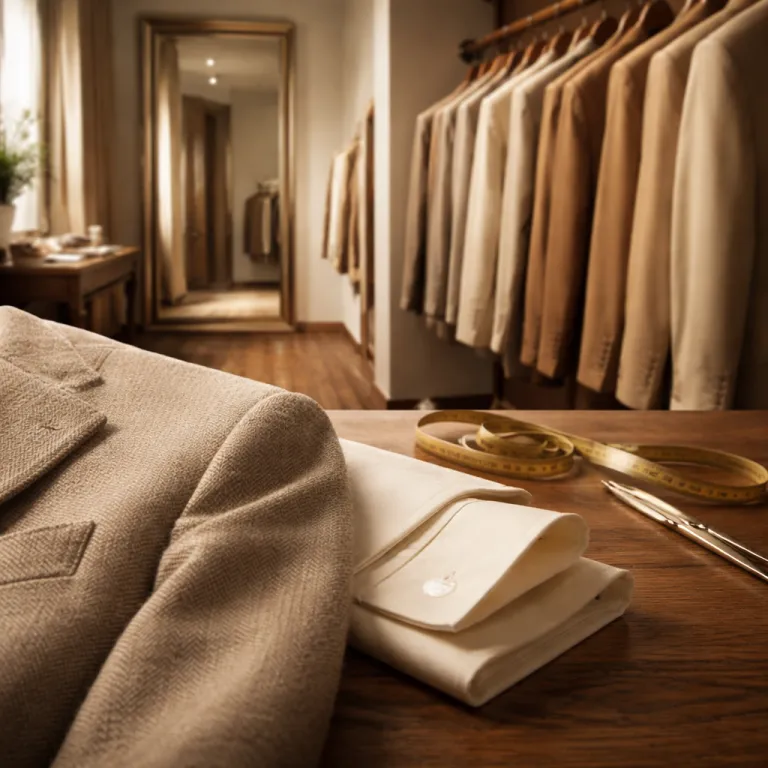
How a Modern Suit Should Fit in 2024
Resetting your eye for how a suit should fit now
The biggest shift in how a suit should fit today is simple. Your fitted suit should skim the body instead of strangling it, and the overall silhouette will look more relaxed than the ultra slim fit suits that dominated the last decade. Think of a good fit as controlled drape rather than painted on fabric.
When you wear suit styles cut this way, the suit jacket should follow your natural lines without pulling at the chest or collapsing at the shoulder, and the pants should hang cleanly from the waist with only gentle shaping through the thigh. A modern wool suit or wool blend suit will feel comfortable when you can move your arms freely, sit without the button straining, and walk without the seat of the dress pants grabbing. If you stand in front of a mirror and the two piece suit looks sharp but you can still breathe easily, you are close to a well fitted balance.
Contemporary tailors now cut a slightly fuller chest and a more generous jacket length, which means the suit should feel less tight across the ribcage while still reading sharp in profile. This updated suit silhouette works for both single and double breasted jackets, as long as the shoulder seam ends where your shoulder bone drops off and the sleeve length stops at the wrist bone. The result is a fitted suit that looks intentional, not like you sized down one too many times for a social media photo.
Shoulder, chest and collar: the non negotiable foundations of a good fit
If you want to understand how a suit should fit, start with the shoulder. The shoulder seam of the jacket should end exactly where your shoulder ends, not halfway down your arm, and the padding should not create a ridge that floats away from your body. With softer construction, a millimetre or two of extension is fine, but any more excess fabric here will ruin even the most expensive wool suit.
Button the suit jacket and slide one flat hand between your chest and the lapel; that is the test of a good fit in the torso. The suit should fit so that your hand passes under the fabric with light resistance, meaning the chest is neither too tight nor baggy, and the front panels lie clean without X shaped stress lines. A fitted suit that passes this test will let you raise your arms and hug someone without feeling the jacket fight your movement.
Pay close attention to the collar and the shirt collar interaction, because this is where many suits fail quietly. The jacket collar should hug the back of your neck and follow the shirt collar without a gap, and there should be no roll of excess fabric under the collar when you stand naturally. If the collar breaks away from the shirt when you move, the suit will never feel comfortable, and this is one of the few issues a tailor cannot fully correct.
For young professionals choosing between a tuxedo and a business suit, understanding this foundation helps you evaluate any tailored piece; a detailed comparison like a guide on how to choose between a tux versus suit for different occasions clarifies when a sharper, more structured shoulder is appropriate and when a softer line works better. Once you lock in this upper body fit, every other adjustment becomes easier and cheaper. Shoulders, chest structure and collar balance are the skeleton of the suit, and if they are wrong, no amount of sleeve length tweaking will save the look.
Jacket length, sleeve length and the new relaxed proportions
Many men still wear suits with a jacket length that is too short. The modern answer to how a suit should fit is that the jacket should cover your seat and end roughly at mid thumb when your arms hang naturally, which gives the body a longer, more grounded line. A slightly longer suit jacket also balances wider trousers and a fuller chest, which are both back in tailored fashion.
Check the sleeve length next, because this small detail separates a good fit from an almost there one. The jacket sleeve should end right at the wrist bone, allowing about 1 to 1.5 centimetres of shirt cuff to show, and the shirt collar should echo that precision by sitting cleanly above the jacket collar without disappearing. When both collar and cuffs are visible in this measured way, the entire fitted suit reads intentional rather than accidental.
Double breasted jackets demand even more discipline with length and sleeve balance, since the extra fabric across the chest can overwhelm a shorter frame. A double breasted suit should still follow the same rules; the jacket length must cover the seat, the sleeve length must show a hint of shirt, and the overall fit should drape rather than cling. If you want to push formality further, a guide on how to master tuxedos with red accents for modern formal style shows how similar proportion rules apply even when the styling becomes bolder.
Remember that a tailor can usually adjust sleeve length by 1.5 to 2 centimetres without drama, but changing the overall jacket length is far more complex and sometimes impossible. When you try on suits off the rack, prioritise getting the correct jacket length and shoulder first, then use alterations to fine tune the rest. This approach ensures the suit will age gracefully as trends shift, instead of looking dated when cropped jackets inevitably fall out of favour again.
Trousers, rise and break: where comfort meets sharp lines
The lower half of how a suit should fit is where most young professionals either overdo slimness or give up and accept sloppy pooling. Start with the rise, which is the distance from the crotch seam to the waistband, because this determines how the pants sit on your body and how long your legs appear. A medium rise that sits just below the natural waist now offers the best balance between comfort and a long, clean line.
Low rise pants drag the eye downward and create excess fabric around the hips, while very high rise trousers can feel costume like if you are not used to classic tailoring. Aim for dress pants that sit securely without a belt digging in, and that allow you to tuck in a shirt without constant readjustment during the day. When the rise is correct, the seat and thigh of the pants should show smooth fabric with no horizontal pull lines, and you should be able to sit without feeling tight pressure across the upper legs.
Look at the trouser break, which is the fold where the hem meets the shoe, to finish the picture. For office wear suit outfits, a slight break where the front of the hem just kisses the shoe is the most versatile, while a clean, almost no break hem works well for more casual suits worn with loafers or sneakers. Heavy pooling of long fabric around the ankle makes even an expensive wool suit look sloppy, and a hem that is too short exposes socks every time you move.
A tailor can easily adjust trouser length and refine the break, so do not obsess over the exact centimetre when buying off the rack. Focus instead on a good fit through the waist, seat and thigh, because those areas are harder to rebuild without distorting the original cut. Once the structure is right, a quick hem adjustment will make the pants and the rest of the two piece suit look like they were made for your frame.
Fabric, wool and why comfort beats tightness every time
Fabric choice quietly dictates how a suit should fit and feel over a full working day. A mid weight wool suit in the 260 to 300 grams per square metre range will drape cleanly on most bodies, resist wrinkles and stay comfortable from commute to late meeting. Wool blends that include a small percentage of elastane or polyester can add durability, but the fabric should still breathe and move rather than cling.
When you try on suits, pay attention to how the fabric behaves across the chest, back and thighs. If the material shines or pulls when you button the jacket or sit down, the fit is too tight, and no amount of stretching in the cloth will fix that fundamental issue. A well fitted suit made from quality wool or carefully chosen wool blends will fall back into place when you stand, with minimal creasing and no twisting around the knees or elbows.
Shirt choice matters as well, because a stiff shirt collar or a poorly cut shirt body can trick you into thinking the jacket is wrong. Pair your suit with a properly sized shirt that allows two fingers between your neck and the collar, and make sure the shirt sleeves end at the wrist bone before you judge the jacket sleeve length. For men who enjoy more detail, a guide to the refined appeal of a pleated men’s dress shirt with a structured collar shows how subtle shirt design choices can enhance the overall fit of the suit.
Comfort should be your final test, not an afterthought. You should fit into the suit in a way that lets you raise your arms, climb stairs and sit through a long presentation without constantly adjusting the jacket or pants. If you feel comfortable and the mirror shows clean lines with no obvious excess fabric or strain, you have found a good fit that respects both style and daily reality.
What a tailor can fix, and how to future proof your suits
Even when you understand how a suit should fit, most off the rack suits will need a tailor’s touch. The good news is that a skilled alterations tailor can adjust sleeve length, take in or let out the waist of the jacket, and hem or taper the pants to refine the overall fit. These changes are relatively affordable compared with the cost of the suit and will make a mid range wool suit look far more expensive.
There are limits though, and knowing them will save you money and frustration. A tailor cannot easily change the shoulder width, the core chest structure or a dramatically wrong jacket length without dismantling the entire suit, which is rarely worth it. If the shoulder seam sits far off your shoulder or the collar stands away from your neck, the suit should probably stay on the rack, because no amount of work will turn it into a truly well fitted piece.
To future proof your wardrobe, choose suits with moderate lapel widths, a medium rise in the pants and a jacket length that respects classic proportions. This way, the suit will still look relevant when trends swing from slim fit to relaxed and back again, and you will only need minor tweaks to keep the good fit aligned with your changing body. Owning two or three versatile two piece suit combinations in navy, charcoal and mid grey wool blends gives you enough range for most professional and social settings.
When you wear suit outfits regularly, pay attention to where the fabric and seams show stress first. The seat of the pants, the elbow of the jacket and the area around the top button are common failure points, and early signs of strain usually mean the fit is too tight or the fabric is too delicate for your routine. Adjusting the fit slightly before these areas fail will extend the life of the suit and keep you feeling confident every time you step into a meeting or onto a train.
Key figures on modern suit fit and menswear habits
- Industry surveys from major menswear retailers consistently report that a majority of suit returns are due to perceived fit problems in the shoulder and chest, not fabric or colour issues, which underlines how critical upper body balance is for satisfaction. Internal reporting shared by large department store chains and specialist suit brands typically places this figure at well over half of all returns, even though exact percentages vary by company and season.
- Data from European tailoring associations and trade fairs indicate that medium rise trousers now account for a clear majority of new suit sales, reflecting the shift away from low rise cuts that dominated the previous decade. This trend appears across both made to measure and ready to wear tailoring, according to aggregated reports presented at recent menswear trade shows.
- Market research on wool and wool blends from textile industry bodies shows that mid weight fabrics between 260 and 300 grams per square metre represent a substantial share of business suit purchases, because they offer the best compromise between drape, durability and all season comfort. These findings are echoed in fabric order data reported by mills that specialise in suiting cloth.
- Alteration statistics from urban tailoring shops and dry cleaning chains suggest that sleeve length and trouser hemming make up the overwhelming majority of suit adjustments, confirming that buying for shoulder and jacket length first is the most efficient strategy. While the exact proportion differs by region, most practitioners describe these simple length changes as the core of their day to day alteration work.
How should a suit fit in the shoulders ?
The shoulder seam of the jacket should end exactly where your shoulder bone drops off, with the sleeve falling straight down from that point. There should be no dents, ripples or divots at the front of the shoulder, and the sleeve head should not collapse or puff out. If the shoulder extends more than a centimetre beyond your natural line or the fabric caves in near the collarbone, the size or cut is wrong.
How long should a suit jacket and sleeves be ?
A classic jacket length covers the seat and ends around mid thumb when your arms hang naturally at your sides. Sleeves should stop at the wrist bone, allowing about 1 to 1.5 centimetres of shirt cuff to show, which frames the hands cleanly. If the jacket hem sits above your seat or the sleeves hide the shirt completely, the proportions will look off even if the rest of the fit is acceptable.
How tight should suit trousers be in the seat and thigh ?
Suit trousers should follow the shape of your hips and thighs without gripping them, so you can sit and climb stairs without feeling the fabric strain. Look for smooth vertical lines with no horizontal pulling across the seat or front of the thigh, and check that pockets do not flare open. If you see whiskering or feel constant pressure when you move, the trousers are too tight and will wear out quickly.
Can a tailor fix any fit problem in a suit ?
A tailor can usually adjust sleeve length, trouser length, waist suppression and minor tapering in the legs or body, which covers most everyday needs. However, shoulders, overall jacket length and major chest reconstruction are extremely difficult and often not cost effective on ready to wear suits. If those structural areas are wrong, it is better to choose a different size or brand than to attempt heavy surgery.
How many suits does a young professional really need ?
For most young professionals in corporate or hybrid roles, two to three well fitted suits in versatile colours like navy, charcoal and mid grey are enough to cover work, interviews and formal events. Rotating these suits and pairing them with different shirts, ties and shoes creates far more outfits than the raw number suggests. Investing in proper fit and quality fabric matters more than owning a large collection of poorly fitting suits.
Trusted sources for further reading
- Respected bespoke tailoring houses and alterations specialists – for practical guidance on shoulder balance, jacket length and common fit mistakes, often shared through in house style guides and client education materials.
- National and regional tailoring associations – for reports on modern suit proportions, trouser rise trends and lapel widths in contemporary menswear, typically published as annual summaries or trade fair presentations.
- Independent fashion business publications – for data driven coverage of menswear market shifts, fabric preferences and the growing demand for relaxed tailoring, drawing on retailer sales figures and textile industry research.
Visual guide: key measurement points on a modern suit
Suggested diagram or photo (alt text): front and side view of a man in a classic two piece suit, with simple lines and labels marking the end of the shoulder seam at the shoulder bone, jacket length covering the seat and finishing around mid thumb, shirt cuff extending 1 to 1.5 centimetres beyond the jacket sleeve, and trouser hem resting with a slight break on the shoe.
In store fit checklist:
- Shoulders: seam ends at your natural shoulder; no dents, divots or collapsing sleeve head.
- Chest and waist: button the jacket and slide one flat hand inside with light resistance; no X shaped pull lines.
- Collar: jacket collar touches the shirt collar all the way around; no gap at the back of the neck.
- Jacket length: covers your seat and hits around mid thumb with arms relaxed at your sides.
- Sleeves: end at the wrist bone with a narrow band of shirt cuff visible.
- Trousers: waistband sits at a comfortable medium rise; seat and thigh are smooth with no pulling or pocket flare.
- Hem and break: front of the trouser just kisses the shoe with a slight break; no heavy pooling or exposed socks.