Key design details that separate fashion forward combat boots from the rest
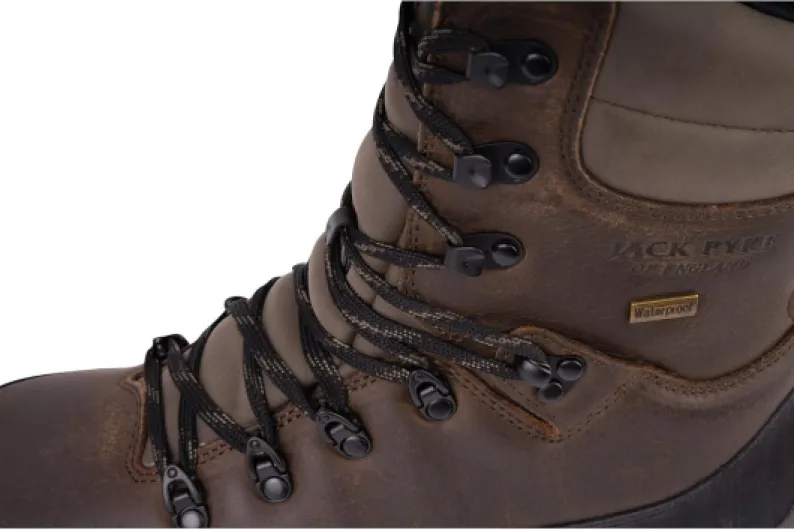
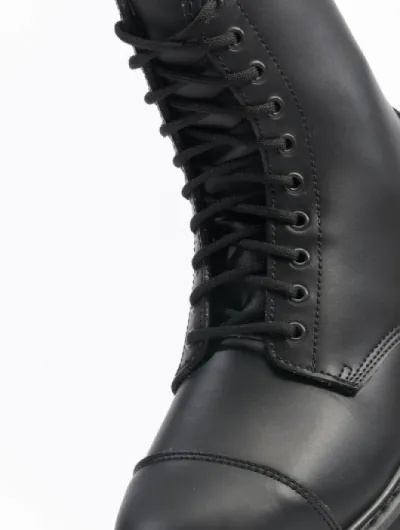
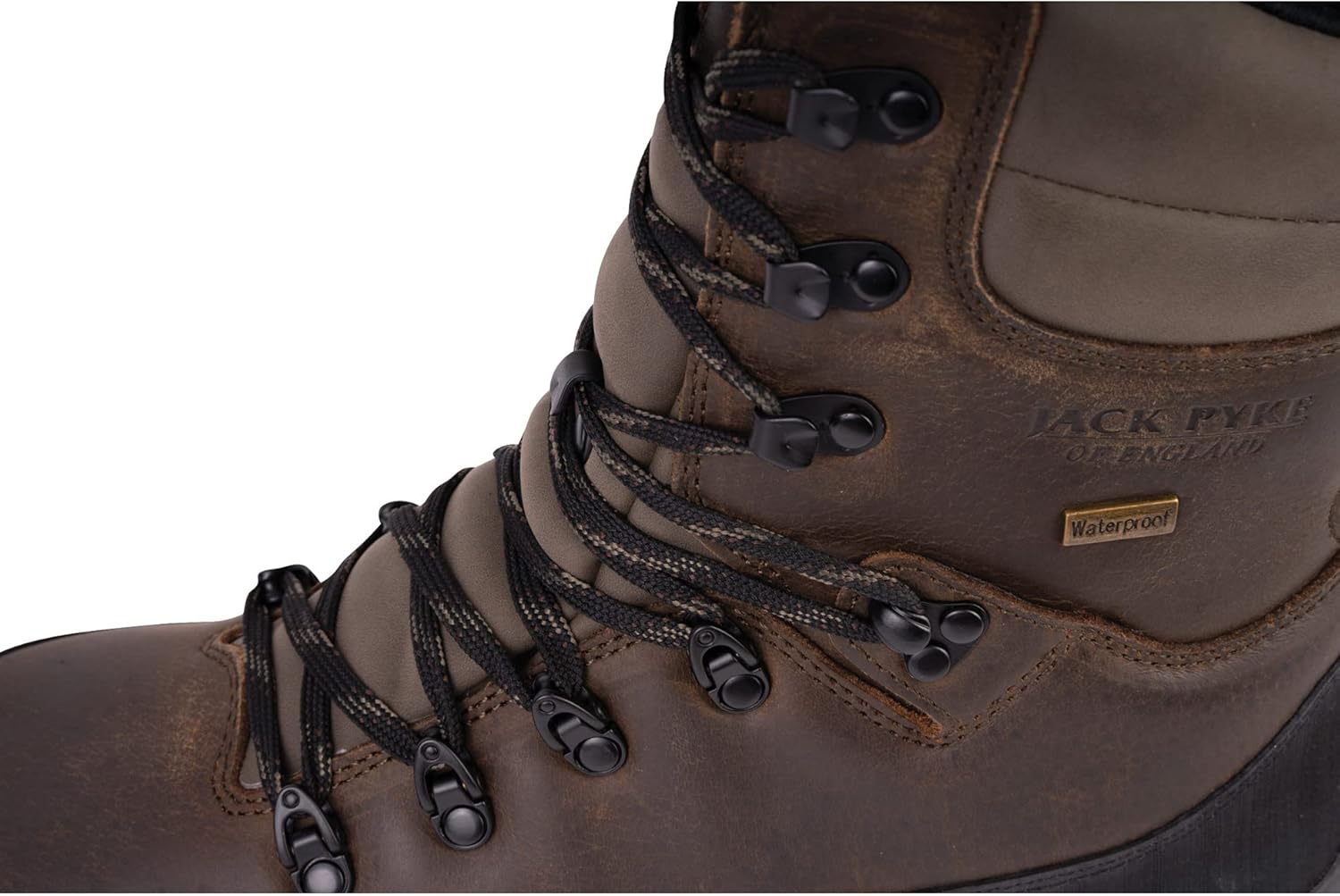
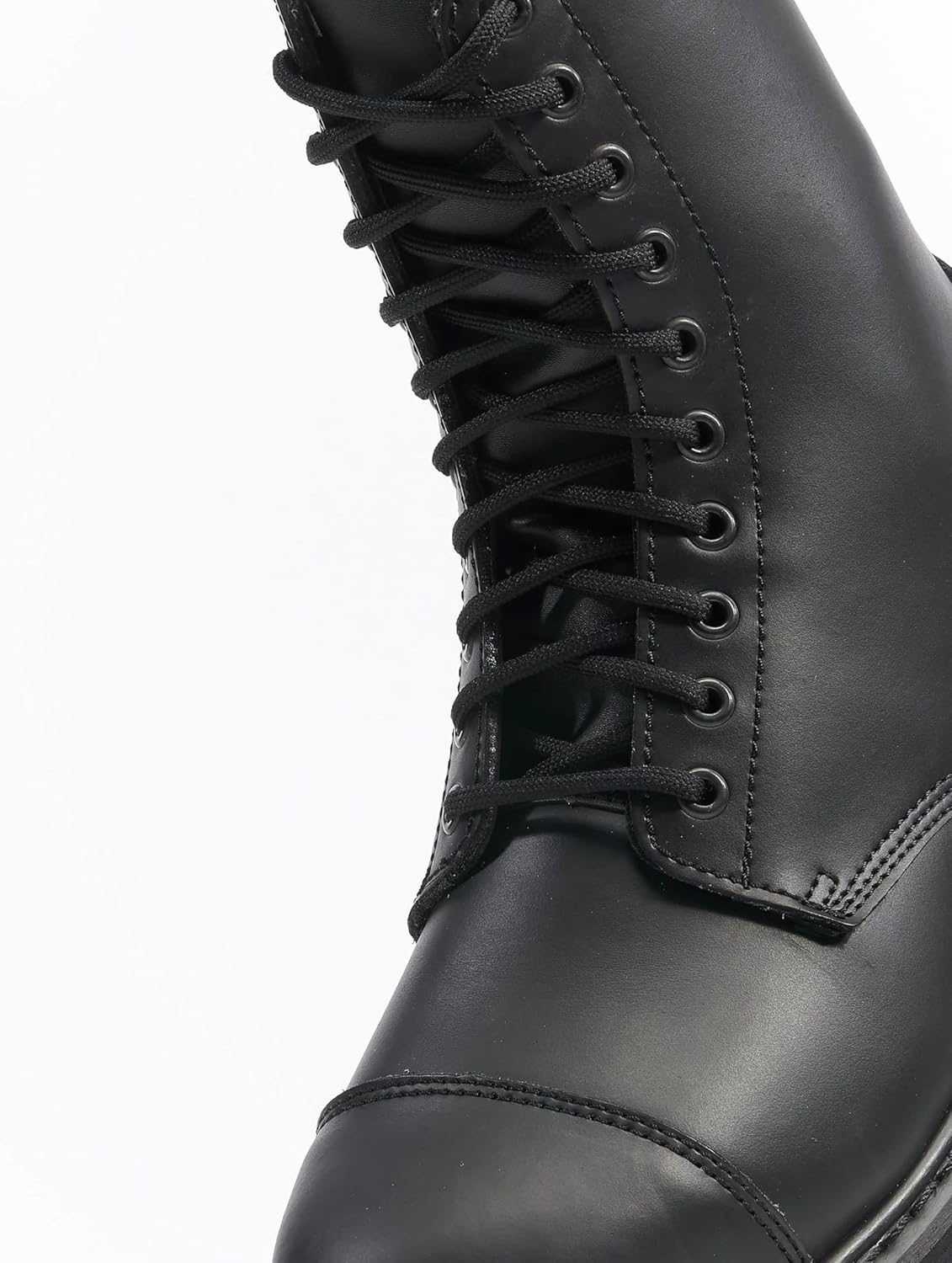
At first glance, many boots look similar, yet the best combat boots hide their sophistication in small decisions. The thickness and temper of the leather, the stiffness of the shank, and the pattern of the eyelets all influence how the boot moves with your foot during daily wear. Even the way the tongue is gusseted affects how well the boot keeps out cold weather, dust, and unexpected rain.
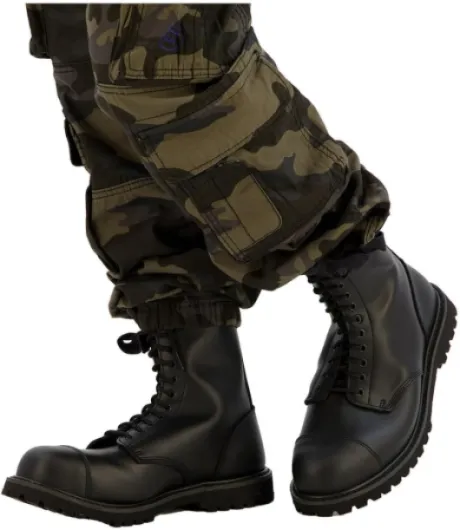
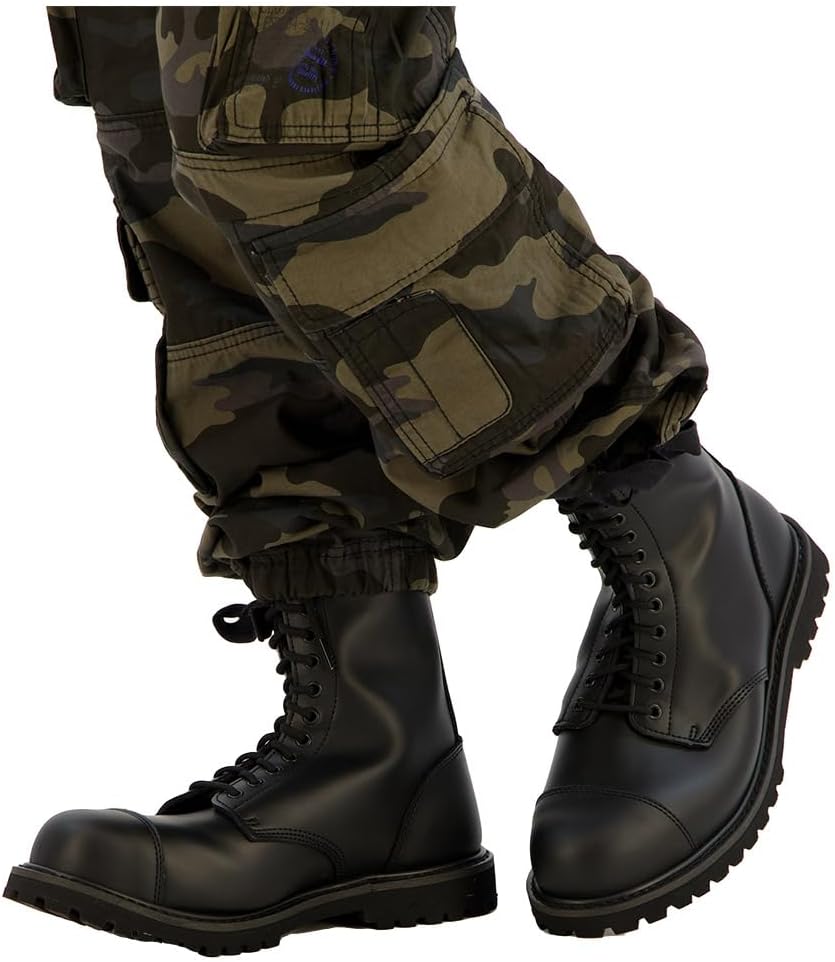
For men who care about line and proportion, the relationship between the boot shaft and trouser break is crucial, because it determines whether your footwear reads as sleek tactical boots or bulky work boots. A slimmer shaft works beautifully with tapered jeans and references the clean lines of air force and army dress boots, while a wider shaft suits straight-leg cargos and more rugged field-inspired outfits. This is where boots designed for law enforcement or tactical use often surprise style enthusiasts, since their functional shaping can create a sharp, athletic profile when paired with minimal tailoring.
Outsole design is another decisive factor, especially when comparing traditional military boots with modern sneaker-hybrid models such as the Nike Special Field Boot, often shortened to Nike SFB. A lugged rubber sole with a defined heel offers better grip on wet pavements and rough field terrain, while a flatter sole feels closer to lifestyle shoes and pairs well with slimmer trousers. If you are transitioning from chunky sneakers after reading about the shift away from oversized soles in analyses like the move toward the slim sole, a refined combat boot can be the perfect next step.
Performance essentials: from military tactical heritage to urban weather realities
Authentic combat boots were born from military tactical requirements, so performance still matters even when you wear them with Japanese denim. A proper pair of boots with military heritage must handle both cold weather and hot weather, provide ankle support under load, and remain durable under constant friction. When brands translate this into civilian combat boots, the best results keep the functional DNA while refining the silhouette for city life.
For winter, look for boot insulation that balances warmth and bulk, because too much padding can distort the line of slim trousers and make the boot feel clumsy. Light synthetic insulation or a leather-lined interior worn with quality wool socks usually handles European urban winters well, while extreme conditions may justify insulated tactical boots closer to what air force and army personnel use on base. In milder climates, unlined leather boots with breathable construction feel cooler for daily wear and work better with cropped trousers that show a hint of sock as a styling detail.
Occupational heritage also shapes how different models behave, whether they began life as work boots for construction, as law-enforcement duty boots, or as boots designed for paratroopers. A steel toe cap, for example, adds protection and weight, which can be desirable for some work environments but less ideal for long city walks or club nights. When you evaluate a new pair of boots, ask whether its original purpose aligns with your lifestyle, then read in-depth tests such as this review of a men’s 14 eyelet military and tactical boot to understand how that heritage translates on foot.
How to style combat boots with casual outfits without losing refinement
Styling the best combat boots is about contrast and restraint, not costume. Start with a simple base of straight-leg denim, a heavy cotton tee, and a cropped bomber, then let the boot’s military presence carry the attitude. When your chosen boots have clean leather and a balanced sole, you can gradually add bolder pieces like technical cargos or statement outerwear without tipping into theatrical territory.
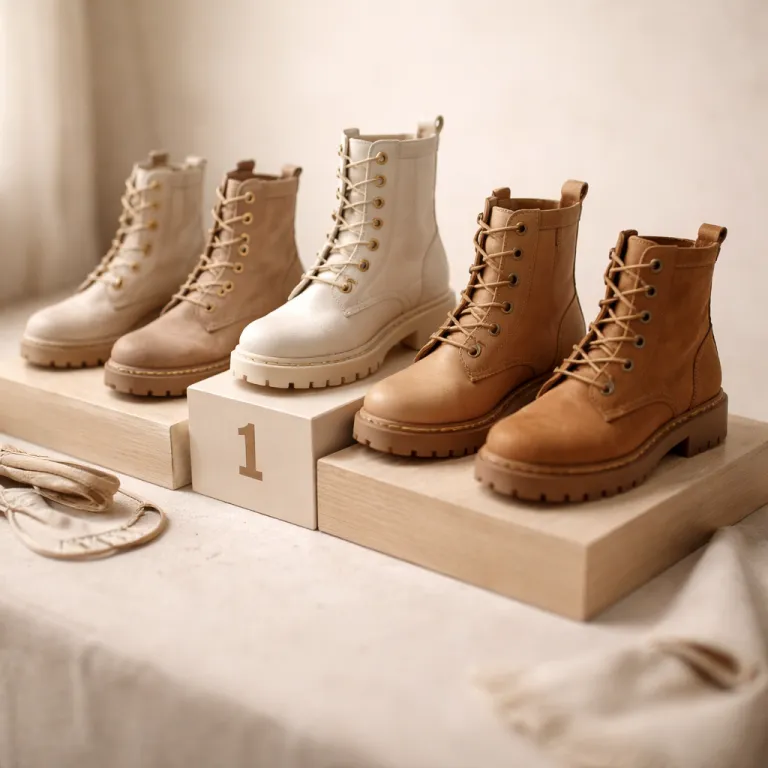
For a sharp casual look, pair black leather combat boots with dark indigo jeans and a tailored overcoat, then introduce subtle tactical references through a nylon belt or field-inspired overshirt. Brown or sand suede tactical boots work beautifully with olive chinos and ecru knitwear, especially when the boot insulation is thin enough to keep the profile sleek. In warmer months or hot weather, lighter nubuck military boots combined with rolled chinos and invisible socks give a relaxed air force off-duty vibe while still feeling intentional.
Accessories refine the story further, whether you choose a ribbed beanie, a structured tote, or technical gloves. When temperatures drop, a premium cashmere hat such as the one reviewed in this test of a 100 percent cashmere beanie complements rugged boots and adds a luxurious counterpoint. The goal is always balance; if your boots read strongly tactical or military, keep the rest of the outfit pared back, letting fabric quality and fit speak louder than overt logos.
Comparing key categories: classic military boots, tactical boots, and hybrid models
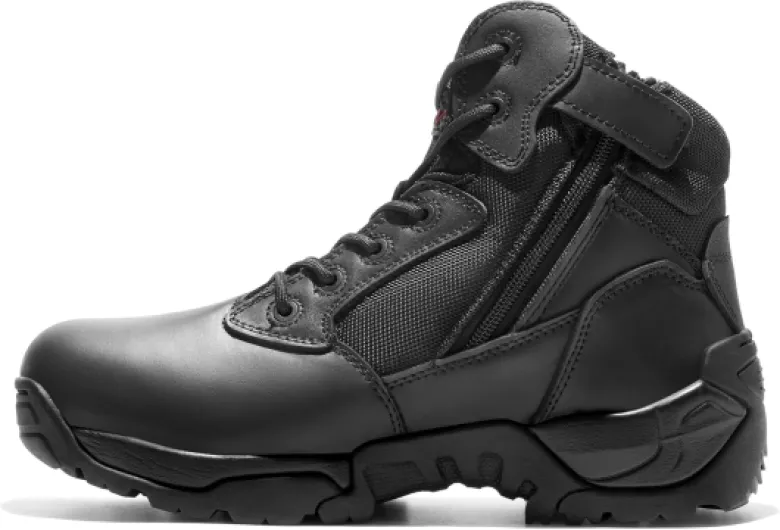
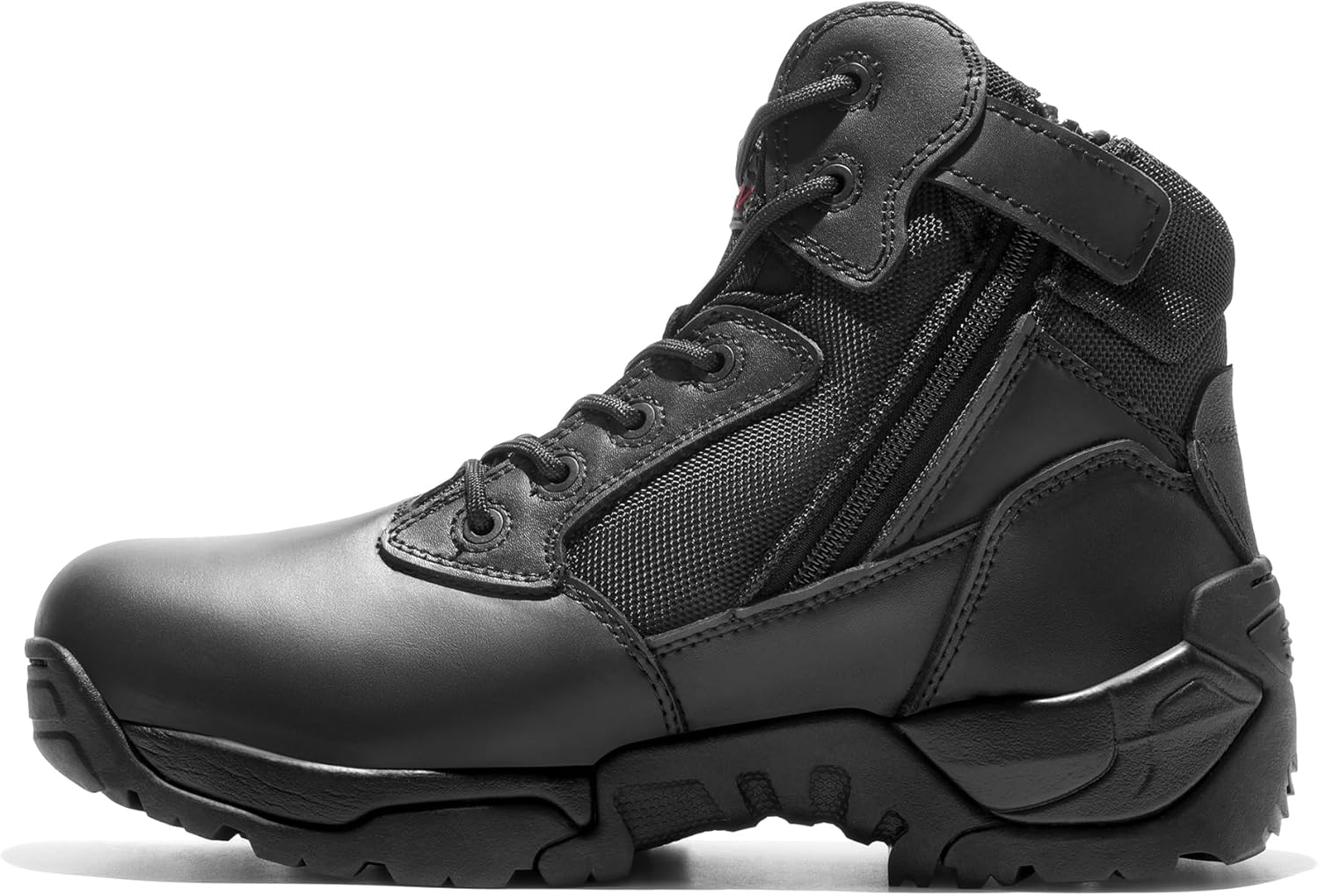
Not all boots that look tough belong to the same family, so understanding categories helps you select the best combat boots for your wardrobe. Traditional military boots usually feature full-grain leather uppers, a relatively high shaft, and a sturdy but simple sole, prioritizing durability and easy maintenance. Tactical boots, by contrast, often mix leather with nylon panels, lighter midsoles, and more advanced traction patterns to reduce weight and increase agility for law enforcement or tactical units.
Hybrid models blur the line between combat and sneaker, with brands like Nike offering the Nike SFB line that borrows from running shoes while keeping a military tactical aesthetic. These designs suit fashion men who want the attitude of boots without the full weight of classic work boots, especially for daily wear in cities where terrain is predictable. When you compare such hybrids to pure military designs, pay attention to how the boot flexes at the forefoot, how much support the ankle receives, and whether the overall shape flatters your preferred trouser cuts.
Work-oriented models, including steel toe work boots, occupy a separate niche yet still influence style trends through their rugged authenticity. Some fashion-forward boots designed for urban use reference these silhouettes without including an actual steel toe, which keeps the profile lighter while preserving the visual heft. As you browse options from top brands, treat each potential pair as a tool with a specific purpose, then align that purpose with how you move through your week, from office to studio to late-night bar.
Buying checklist: fit, comfort, and long term value for fashion focused men
A stylish combat boot that hurts your feet will end up forgotten, no matter how strong the design. Prioritize fit first by trying boots with the socks you actually wear, whether thin dress socks for tailoring or thicker wool socks for winter denim. The best combat boots should lock your heel, allow wiggle room at the toes, and provide enough support through the arch to handle long days on your feet.
When assessing comfort, walk on different surfaces in store if possible, because a boot that feels fine on carpet may behave differently on pavement or uneven field-like ground. Pay attention to how the tongue and collar interact with your ankle, since poorly padded areas can rub during daily wear, especially in hot weather when feet swell slightly. Tactical boots and many Nike SFB models often excel here, as they are designed from the outset for extended use by military and law-enforcement professionals.
Value goes beyond price; it includes how durable the construction is, how easily the leather can be conditioned, and whether resoling is possible. A higher upfront investment in quality men’s boots often pays off when the pair still looks sharp after years of work, travel, and nightlife. Before you add any boot to your item cart, ask whether it fills a genuine gap in your rotation, whether it complements your existing shoes, and whether its design will still feel relevant after trends shift again.
Key figures and market insights on combat boots and tactical footwear
- According to Grand View Research, the global military boots and tactical boots market was valued at around USD 3.5 billion in 2022, reflecting sustained demand from both armed forces and civilian consumers who appreciate durable footwear.
- Reports from NPD Group noted that rugged boots and work boots categories outpaced some lifestyle sneaker segments in the early 2020s, as men sought shoes that combine style with practical support for varied weather conditions.
- Industry analyses show that hybrid designs such as Nike SFB and other sneaker-inspired combat boots have captured a growing share of the men’s boot market, especially among younger urban consumers who value light weight and versatility.
- Cold weather performance remains a key purchase driver; surveys from outdoor retailers suggest that a significant percentage of buyers now check for boot insulation ratings and waterproofing details before committing to a new pair of boots.