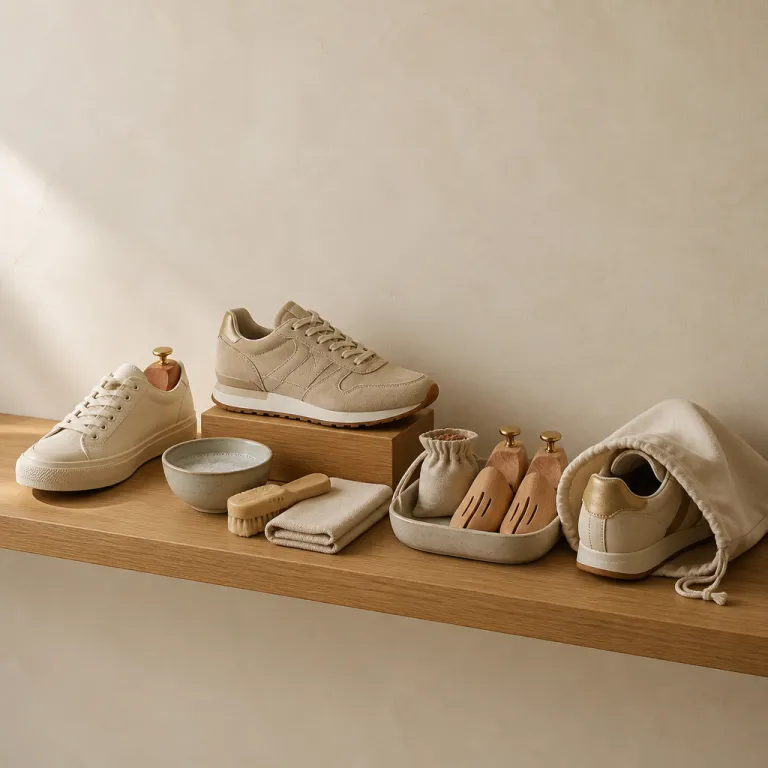
How to clean sneakers properly and make them last longer
Why most sneakers die early and how rotation saves them
Most men think learning how to clean sneakers properly starts at the sink, but the real story begins with rotation. When you wear the same pair of shoes every day, the midsole foam never gets a full 24 to 48 hours to dry and decompress, so the cushioning packs out faster and the shoes feel dead long before the upper shows dirt. If you want to keep favorite pairs in your weekly lineup, you need at least three sneakers in rotation so each one can rest, dry and maintain shape between wears.
Foam behaves like a sponge that absorbs moisture and body heat, and if you never let it fully dry it breaks down, smells and loses rebound, which no amount of cleaner or stain removal trick will fix later. Alternate your leather trainers, your suede beaters and your canvas weekend pair so that yesterday’s shoes keep airing out in a cool, dry place while today’s pair takes the impact, because this simple habit can significantly extend the usable life of each material. Think of rotation as the first layer of care products for your wardrobe, because it protects the structure before you even touch water or a soft cloth.
Odor is another silent killer, since trapped sweat and dirt inside the fabric lining slowly rot the material and glue. Let each pair dry fully at room temperature away from direct sunlight or any strong heat source, then pull the insoles out overnight so the interior can stay dry and cool. When you store sneakers like this between wears, you maintain original comfort longer and make every later clean, damp wipe or deep wash far more effective.
Daily maintenance: the five minute ritual that keeps sneakers fresh
Learning how to clean sneakers properly does not mean waiting until your white shoes turn grey. A fast routine after each wear removes surface dirt before it bonds to the material, so you spend less time scrubbing and more time actually wearing your collection. Keep a small kit near the door with a soft cloth, a suede brush, a gentle cleaner and a roll of paper towels so you never have an excuse to skip basic care.
Start by knocking the soles together outside to shake off loose dirt, then use a dry suede brush or an old toothbrush to lift dust from the midsole grooves and any textured fabric panels. For smooth leather uppers, wipe them with a clean damp cloth that has been lightly moistened with water mild enough for skin, then follow with a dedicated leather cleaner when you see scuffs that need real stain removal rather than just a quick buff. Boat shoes and leather sneakers like classic Sebago models, which you might know from detailed tests of waxed leather boat shoes, respond especially well to this kind of regular wipe down and conditioning.
Canvas and mesh pairs need a slightly different touch, because the fabric absorbs water and can warp if you soak it. Use a soft cloth that is only slightly damp to spot clean panels, then stuff the shoes with paper so they maintain shape while they air dry in a cool place away from direct sunlight or any heater. If you build this five minute ritual into your evening, your shoes keep their color, your care products last longer and your rotation always looks ready for the next day.
Material specific cleaning: leather, suede, canvas and knit
Once a month, go deeper and treat each pair according to its material, because how to clean sneakers properly depends entirely on what touches the ground. Full grain leather, delicate suede, rugged canvas and modern knit uppers all react differently to water, heat and cleaner, so using one universal method is the fastest way to ruin expensive shoes. The current market leans toward slim profile models like the Adidas BW Army, Puma Speedcat, ASICS GEL 1130 and Adidas Taekwondo, and these lighter builds with thinner soles demand precise care if you want them to maintain original structure.
For leather sneakers, remove the laces and brush off loose dirt first, then mix warm water with a drop of mild soap to create a water mild solution that will not strip the finish. Aim for roughly one teaspoon of gentle liquid soap in 250 ml of water so the mixture stays low-foam and easy to rinse. Dip a soft cloth into the mixture, wring it almost dry, then wipe the upper in small circles before following with a dedicated leather cleaner and finally a conditioner to keep the material supple and resistant to cracks. Premium leather models, including minimalist designs similar to those reviewed in tests of a premium leather sneaker, really reward this routine because the shoes keep their shape, shine and comfort for far longer.
Suede needs a different approach, because water can stain and harden the nap, so start with a dry suede brush to raise the fibers and remove surface marks. For tougher spots, use a suede eraser first, then very carefully apply a clean damp cloth only if the manufacturer allows it, always letting the pair dry naturally in a cool place away from direct sunlight or any intense heat source. Canvas, mesh and knit sneakers can handle more water, but you should still use warm water with mild soap, a soft cloth or sponge, and then stuff them with paper so they maintain shape while they air dry completely before you store them.
Deep cleaning step by step: from laces to midsole
When your sneakers finally cross the line from “lived in” to “actually dirty”, a structured deep clean brings them back without wrecking the materials. Start by removing the laces and insoles, because learning how to clean sneakers properly means treating every part separately instead of dunking the whole shoe in water. Laces can soak in warm water with mild soap, while insoles should only get a damp cloth wipe with a tiny amount of cleaner to avoid saturating the foam.
Next, focus on the upper and midsole, working from the cleanest area to the dirtiest so you do not drag mud across relatively fresh fabric or leather. Use a soft cloth or soft brush dipped in a water mild solution to scrub the midsole, then switch to material specific tools like a suede brush for suede panels or a microfiber cloth for smooth leather, always rinsing the cloth frequently so you are lifting dirt rather than smearing it. For stubborn stains, apply a small amount of leather cleaner on leather sections or a targeted stain removal product on canvas, then blot with a clean damp cloth instead of rubbing hard, because aggressive friction can damage the material and ruin the finish.
Once everything looks clean, resist the urge to speed up the process with heat or a radiator, because high temperatures can warp glue, dry out leather and cause yellowing on white rubber. Let the shoes dry at room temperature in a cool, ventilated place, stuffed with paper so they maintain shape and so moisture can wick away from the interior. While they dry, you can wipe down accessories like your bucket hat or other casual gear, and if you are curious about how different fabrics age, detailed tests such as the review of the IKEA Knorva bucket hat on a dedicated style test page show how simple nylon responds to repeated wear and cleaning.
Deep clean checklist (approx. 45–90 minutes of active time): (1) Remove laces and insoles (2–3 minutes). (2) Pre-brush dry dirt from uppers and soles (5 minutes). (3) Hand wash laces in a bowl of warm water and mild soap (10–15 minutes including soak). (4) Spot clean uppers with material specific tools and a mild solution (15–30 minutes depending on stains). (5) Scrub midsoles and outsoles last so dirty water does not splash back (10–15 minutes). (6) Stuff shoes with paper and leave them to air dry for 12–24 hours until the foam feels completely dry to the touch.
Storage, repair and when to finally let a pair go
Cleaning is only half of how to clean sneakers properly, because the way you store and repair them decides how long they actually last. For leather shoes, cedar shoe trees help them maintain shape, absorb residual damp and keep odor under control, while lighter sneakers do well with crumpled acid free paper stuffed into the toe box. Whether you prefer to store pairs in original packaging or on open shelves, the key is a cool, dry place away from direct sunlight and any strong heat that can fade color and dry out glue.
Rotation and storage also decide which pairs are worth repairing and which ones you should finally retire, because not every problem is terminal. Sole separation at the toe or heel can often be fixed by a competent cobbler using stronger adhesive, especially on leather trainers or hybrid shoes that you want to keep favorite for years, but a completely collapsed midsole that feels flat with zero bounce usually means the foam material has degraded beyond saving. When you see deep cracks in the leather, permanent yellowing in the rubber or a fabric upper that has stretched so much it cannot maintain original shape, no amount of cleaner, care products or stain removal will bring it back to life.
Think of your sneaker shelf like a curated shop, where every pair earns its place by still performing and looking the way you need. Retire beaters that no longer support your feet, then use what you have learned about water, soft cloth maintenance, cool storage and regular rotation to protect the next pair from the same fate. Your style should feel intentional from the ground up, not just on the runway but on the Monday morning commute.
FAQ
Can I put my sneakers in the washing machine ?
Most quality sneakers should not go in the washing machine, because aggressive spin cycles, hot water and detergent can break down glue, warp the material and cause yellowing. Hand cleaning with warm water, mild soap and a soft cloth or brush lets you control how wet each area gets and protects leather, suede and knit uppers. Reserve machine washing only for cheap canvas pairs, and even then use a gentle cycle, cold water and air dry them away from direct sunlight.
How often should I deep clean my sneakers ?
For a normal rotation of three to five pairs, a full deep clean every four to six weeks is usually enough, as long as you do quick wipe downs after each wear. If you live in a rainy city or walk a lot on dusty streets, you may need to clean more often, especially for light colored canvas and mesh. Leather and suede benefit more from regular light care and conditioning than from frequent aggressive scrubbing.
What is the best way to dry sneakers after cleaning ?
The safest method is to let sneakers air dry at room temperature in a cool, ventilated place, stuffed with paper so they maintain shape and so moisture can escape. Avoid any direct sunlight or artificial heat like radiators, hair dryers or tumble dryers, because intense heat can warp midsoles, crack leather and cause glue failure. Drying slowly protects both the structure and the color of the shoes.
How can I prevent my sneakers from smelling ?
Odor control starts with rotation, because foam needs at least 24 hours to dry fully between wears, and constantly damp interiors breed bacteria. After each wear, pull out the insoles, let the shoes dry in a cool place and occasionally wipe the footbed with a clean damp cloth and a little mild soap. Using breathable socks, cedar shoe inserts and avoiding storage in sealed plastic bags also helps keep favorite pairs fresher for longer.
When is it time to replace a pair of sneakers ?
You should replace sneakers when the midsole feels flat with no bounce, when the outsole tread is worn smooth in key impact zones or when the upper has stretched so much that it no longer holds your foot securely. Deep cracks in leather, crumbling foam or permanent yellowing and stiffness in the rubber are signs that the material has aged beyond safe use. At that point, no cleaner, care products or repair will restore performance, so it is better to retire the pair and move on.