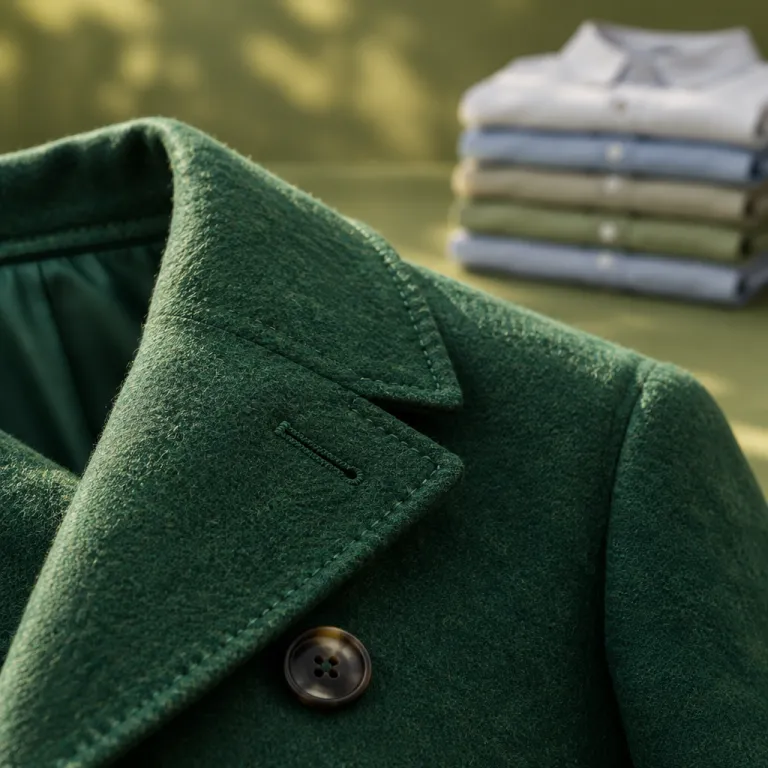
The visibility principle: where to spend money in a fall wardrobe
Most men wondering where to spend their fall wardrobe budget instinctively start with shirts. A smarter move is to invest in the outer layers that everyone actually sees and that take the hardest wear, because those pieces quietly define your style every single cold morning. If your coat, boots and knitwear are dialed in, even average clothing items underneath can look intentional and elevated.
Think about your commute and your real-life routine rather than your Instagram grid. People register your coat silhouette, your leather texture and how your trousers break over your footwear, so this is where spending money genuinely changes how your wardrobe reads in person. When you split your clothing budget across random trendy items, you dilute impact and end up with a closet full of pieces that never quite earn their cost per wear.
Start with outerwear because it is the clearest answer to where to spend your fall wardrobe budget as a beginner. A tailored wool topcoat in navy or dark charcoal, cut to mid thigh and half canvassed, will frame every outfit and instantly sharpen your personal style. Opt for classic lapels, clean shoulders and horn buttons, and you have one of the few true investment pieces in menswear.
Boots come next in the hierarchy of wardrobe essentials that justify serious spend. A pair of Goodyear welted leather boots from brands like Red Wing, Viberg or Grant Stone will handle daily wear, wet pavements and office carpets while molding to your feet over time. When you compare that to buying clothes like three different cheap sneakers that blow out within a season, the cost per wear math becomes obvious.
Knitwear is the third pillar of a smart fall clothing budget because it sits closest to your face. A dense merino crewneck at 300 to 400 GSM or a lambswool roll neck in a muted color will outclass any logo hoodie and work with both jeans and tailored trousers. These pieces bridge the gap between casual clothing and occasion wear, letting you dress up or down without changing your core outfit ideas.
There is a sustainability angle here that matters if you care about slow fashion rather than disposable trends. Concentrating clothing purchases into high quality pieces reduces churn, which means fewer returns, fewer impulse buys and less textile waste heading to landfill. When you save money by not chasing every micro trend, you can afford to direct your clothes budget toward garments that last, not just survive one season.
Some men worry that spending money on a single coat or pair of boots will lock them into one look. In practice, a classic coat and solid boots are neutral platforms that support many different styles, from minimal to rugged to slightly vintage inspired. Variety comes from how you wear them, not from owning five similar jackets that all do the same job badly.
There is also a psychological benefit to this focused approach to fashion. When the first thing you put on — your coat — feels right, you stop second guessing every other clothing choice and your morning routine speeds up. That confidence shows more than any logo or loud trend piece, and it is exactly what a thoughtful capsule wardrobe is supposed to deliver.
Where cheap is fine: tees, base layers and hidden pieces
If outerwear and boots are where to invest your fall wardrobe budget, then base layers are where you can relax. The T shirts, thermal tops and socks that live under your coat all day do not need to be luxury items, because nobody sees them and they take predictable wear. Here you protect your budget, save money and still support a strong personal style by keeping things simple and functional.
Think of these hidden clothes as the supporting cast in your closet, not the star. A stack of mid weight cotton tees from Uniqlo or Muji, washed on cold and air dried, will handle daily cost per wear without drama or constant replacement, and they sit invisibly under your knitwear. This is where spending money on premium logos or designer prints rarely changes your outfit ideas in any meaningful way.
Underwear and base layers are also the safest place to test different payment methods or subscription models. If a service lets you spread a clothing budget over several months, do it on basics rather than on a single big coat purchase, because the risk is lower and the learning curve is gentle. Once you understand how those payment methods affect your spending habits, you can apply that discipline to larger clothing purchases.
There is one caveat with cheap basics, and it is fabric. Even when you are trying to save money, avoid scratchy synthetics that trap odor and feel like plastic against your skin, because they will make even the best coat feel worse to wear. Opt for classic cotton, merino blends or modal for base clothing, and you will actually enjoy getting dressed instead of treating it like a chore.
Accessories that stay mostly hidden fall into the same low spend category. Beanies, scarves and gloves in neutral colors can come from mid range brands or even good thrift stores, as long as the knit is dense and the seams are clean, because nobody is reading the label on your hat. This is a smart way to keep clothing spend under control while still rounding out your wardrobe essentials.
Shirts that never leave the office or stay under a sweater all day also do not deserve top tier budget. A well fitting Oxford from a mid priced brand will look almost identical to a luxury version once you layer it under a crewneck, especially if you follow a texture over pattern approach to layering instead of chasing loud prints, as explained in this guide to fall layering by texture. When you reserve your serious spend for the coat and knit that actually show, you avoid the trap of overpaying for hidden details.
Some readers will ask about women and whether these rules apply across genders. The visibility principle holds for women as well, but this piece focuses on menswear because fit, proportions and typical office dress codes differ, and so does how occasion wear is judged. Still, the idea that you should not overspend on unseen clothing items is universal and helps any closet stay lean.
For a style beginner, this cheap where it is hidden rule is liberating. You can build a reliable base of T shirts, underwear and socks without blowing your clothing budget, then channel serious spending into the outer layers that actually move the needle. That is how you turn a chaotic pile of clothes into the early stages of a capsule wardrobe that works hard every day.
The fall cost per wear advantage: coats, boots and knits
Cost per wear is the cleanest way to answer where to spend your fall wardrobe budget. Instead of asking whether a coat is expensive, ask how many days you will wear it between the first cold morning and the last chilly evening, because that number quietly decides whether the spend is rational. A coat worn 120 days a year for several years can end up cheaper per wear than a bargain jacket that falls apart after one season.
Run the math on a tailored wool topcoat that costs 360 dollars. If you wear that coat four days a week for four months — roughly 64 wears in the first season — you are already down to about 5.60 dollars per wear, and the cost per wear keeps dropping every year you keep it in your wardrobe. Compare that to five trendy items bought on sale at 70 dollars each that you wear twice, which works out at 35 dollars per wear, and you will see how spending money on one serious piece beats scattershot buying clothes every time.
Boots show the same pattern, especially in wet or cold climates. A pair of resoleable leather boots with a Goodyear welt can be rebuilt when the sole wears down, which stretches your clothing purchases over many years instead of forcing a full replacement, and that is the essence of investment pieces. When you devote part of your clothes budget to this kind of durability, you are not just buying fashion, you are buying time.
Knitwear is slightly more delicate but still benefits from a cost per wear mindset. A high quality merino crewneck that you rotate twice a week will outlast three cheap acrylic sweaters that pill after ten wears, and it will hold its shape and color better, which keeps your personal style looking intentional. Opt for classic colors like navy, grey or forest green, and you can plug the same sweater into dozens of outfit ideas without boredom.
Outerwear variety does have value, and it is worth acknowledging that. There is a real pleasure in having a field jacket, an overshirt and a topcoat ready for different moods, and this is where a structured outerwear playbook helps you prioritize, as laid out in this fall outerwear guide. The key is to build that variety slowly, one high quality piece at a time, instead of panic buying three mediocre jackets in one sale weekend.
Slow fashion is not about never buying anything new, it is about aligning your clothing budget with your actual life. If your income lifestyle means you work in a casual office and walk to the train every day, then a waterproof parka and a wool topcoat will see far more wear than a velvet blazer or novelty occasion wear. Spend money where your real schedule demands performance, not where fantasy outfits live on mood boards.
Thrift stores can play a powerful role in this cost per wear equation. A vintage coat in heavy wool or a pair of barely worn boots can give you investment level quality at a fraction of the original price, especially if you are willing to pay a tailor to adjust the fit, and that is still cheaper than fast fashion churn. When you use second hand finds to test silhouettes, you can reserve big spending for the exact pieces you know you will wear hard.
For men just starting to care about fashion, this math is grounding. Instead of chasing every new trend, you evaluate each potential purchase by how many times it will realistically leave the closet, and you adjust your payment methods and savings accordingly. That is how a fall wardrobe stops being a pile of random clothes and becomes a coherent system that quietly pays you back in confidence and calm.
A smarter fall budget: allocation, sales traps and slow fashion
Once you accept that outer layers answer where to spend your fall wardrobe budget, you need a framework. Think of your clothing budget as a pie, and resist the urge to slice it into tiny pieces for every passing trend, because that is how you end up with a full closet and nothing to wear. A simple rule for beginners is to put roughly half your fall spend into outerwear and boots, a quarter into knitwear and trousers, and the rest into shirts, tees and accessories.
This allocation respects both visibility and cost per wear. The coat and boots that everyone sees get the largest share of your money, the knits and trousers that shape your silhouette get the next slice, and the hidden layers share what is left, which is exactly how a capsule wardrobe earns its keep. You can tweak the percentages for your income lifestyle, but the hierarchy should stay intact if you want your clothing purchases to feel strategic.
Sales season is where this logic usually collapses. Markdown racks are designed to push you toward volume over value, tempting you to spend money on three shirts you barely like because the discount feels like free fashion, and that is how spending drifts away from your real needs. The smarter move is to walk into a sale with a list of specific pieces — coat, boots, knit — and ignore everything else, no matter how cheap.
Trendy items are the other big leak in a fall budget. A single statement sweater or unusual trouser can be fun, but if it does not plug into at least three outfit ideas with your existing wardrobe essentials, it is probably not worth the spend, especially for a style beginner. Opt for classic shapes and colors first, then layer in one or two trend led pieces once your foundation is solid.
Slow fashion also means paying attention to regulation and transparency. Tools like the upcoming Digital Product Passport for garments, which is already reshaping how brands track materials and production in the European Union, will make it easier to see whether your clothing spend is funding responsible practices, as explored in this piece on digital product passports for menswear. When you can trace your coat from fabric mill to factory, spending money on it feels less like a gamble and more like a considered investment.
Do not underestimate tailoring in this equation. A mid priced coat or pair of trousers that fits your body after a good tailor visit will always beat a luxury piece that does not, because personal style lives in proportion and drape, not just in labels. Set aside a small part of your budget for alterations, and you effectively upgrade every piece you own without buying more clothes.
There is also room here to think about how women in your life shop and what you can learn. Many women already treat coats, boots and bags as investment pieces and use thrift stores strategically for experimentation, while men often reverse that logic and splurge on gadgets instead of clothing. Borrow the good habits, skip the bad ones and you will quietly build a wardrobe that outperforms your peers without shouting about fashion.
In the end, a fall wardrobe that works is not about owning everything. It is about knowing exactly where your money goes, why each piece deserves its hanger and how often it will leave the closet, so every euro or dollar in your clothes budget actually shows up on your body. Not the runway, but the Monday morning commute.
Key figures that support a focused fall wardrobe
- According to McKinsey & Company’s The State of Fashion 2019 report (mckinsey.com), consumers wear an item of clothing on average 36 % fewer times before discarding it than they did about fifteen years ago, which makes cost per wear thinking critical for any fall wardrobe strategy.
- Data from the Ellen MacArthur Foundation’s report A New Textiles Economy: Redesigning Fashion’s Future (ellenmacarthurfoundation.org, 2017) shows that extending the life of clothing by just nine extra months can reduce carbon, water and waste footprints by around 20 to 30 %, highlighting how investment pieces in coats and boots support slow fashion goals.
- A survey by the American Apparel & Footwear Association, cited in its industry statistics on aafaglobal.org, found that roughly 60 % of shoppers’ fashion spending goes to items worn fewer than ten times, which underlines how redirecting money toward high rotation outerwear can dramatically improve wardrobe value.
- Research from WRAP in the United Kingdom, particularly the report Valuing Our Clothes: the Cost of UK Fashion (wrap.org.uk, 2017), estimates that the average household owns around 30 kilograms of unused clothes, suggesting that buying fewer, better pieces for fall is not just a style choice but a practical response to overconsumption.