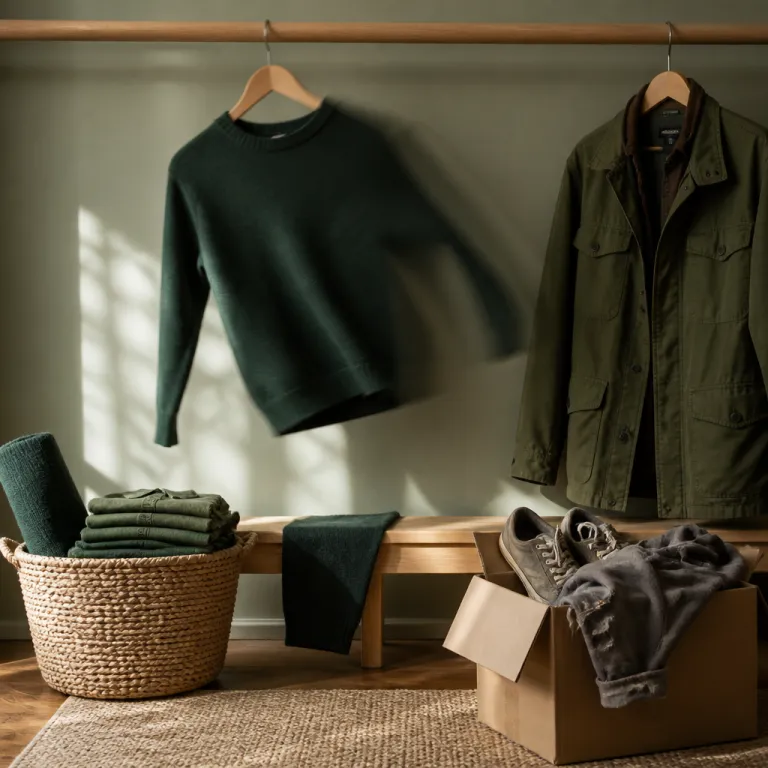
Audit your back to office wardrobe for early fall
The back to office wardrobe men fall conversation starts with a ruthless closet audit. Pull every piece you wore from September to November and check how each garment and each pair of dress shoes actually fit after a summer of barbecues and travel. If a full suit or a pair of chinos pulls at the seat or feels too relaxed and sloppy, it will undermine your business presence before you even say a word.
Look at fabric fatigue under real light, because wool trousers and cotton jeans develop shine on the thighs and seat long before they tear. Run your hand over the seat of your navy blue suit trousers and over your jeans chinos to feel for thinning spots, then compare your older dress shirts with a newer dress shirt to see how the collar and cuffs have softened or frayed. Any shirt or jacket that shows pilling, blown seams or warped collars should move from work rotation to true casual wear or weekend casual outfits.
Next, reassess whether each piece still matches your current office dress codes and role. If your company shifted toward business casual or smart casual, you may not need a full suit every day, but a sharp blazer or suit jacket in navy blue wool will still anchor your work style. Keep the tailored items that still fit, that align with your present dress code and that you actually wear, then flag everything else for replacement or resale as you refine your back to office wardrobe men fall strategy.
Revive: soft tailoring, autumn sweaters and smart casual anchors
Once the dead weight is gone, you can revive the pieces that still earn their place in a back to office wardrobe men fall lineup. Start with soft tailoring, because an unstructured blazer in mid weight wool or cotton blends instantly sharpens casual men outfits built around jeans or chinos. A navy blue blazer with a natural shoulder and a slightly relaxed fit works with dark jeans, with tailored jeans chinos and with grey wool trousers, especially when you add a white or pale blue dress shirt and leather penny loafers.
Autumn sweaters are the quiet workhorses here, especially for fashion men passionate about texture and drape. A fine gauge merino wool crewneck or a cashmere blend V neck slides under a suit jacket without bulk, while a heavier shawl collar cardigan can replace a jacket entirely in a business casual office. For more inspiration on how a heritage knit can anchor your work style, look at the Cape Cod pullover guide in this article on the timeless appeal of the Cape Cod pullover, then translate that same idea into your own casual outfit rotation.
Bring back dark indigo jeans with minimal fading, because they bridge casual business and smart casual dress codes when paired with a crisp shirt and clean dress shoes. Rotate in cotton Oxford shirts, both in solid white and in soft green or pale blue, and keep a few patterned dress shirts for days when you want more personality. A simple pocket square in white cotton or in muted green wool can refresh a blazer you have owned for years, proving that small accessories still matter in a modern back to office wardrobe men fall refresh.
Replace: fabrics, fits and footwear that work harder
Some pieces deserve a straight upgrade rather than a sentimental revival, especially if you want your back to office wardrobe men fall choices to feel current. Trouser fabrics are the first place to invest, because modern tropical wool, fresco weaves and technical wool blends with stretch breathe better than stiff old suiting while still looking sharp in a business setting. Swap tired cotton chinos for mid grey and navy blue wool trousers, then keep one or two pairs of well cut chinos for casual dress days when the office leans more relaxed.
Fit is the next frontier, and this is where many men cling to outdated silhouettes. Retire aggressively slim fit trousers that grab your calves and instead choose a tapered fit with a clean line and a slight break over your dress shoes or penny loafers, which instantly reads more grown up and more comfortable. Replace paper thin shirts with robust cotton poplin or Oxford cloth dress shirts, and consider adding a heavier green flannel shirt or a wool overshirt for chilly commutes and for layering over knitwear in a smart casual office.
Footwear and outerwear quietly define whether your outfits feel intentional or improvised. Upgrade hybrid sneakers that pretend to be dress shoes to real leather penny loafers, to sleek cap toe oxfords or to minimal leather sneakers that can handle both casual outfits and business casual meetings. For outerwear, a tailored wool coat or a refined puffer like the tested Calvin Klein men’s full zip down puffer coat jacket reviewed in this deep red packable puffer coat test will frame your suit jacket or blazer properly, and a high quality cashmere wool sweater as argued in this guide on why every man needs a cashmere wool sweater will carry you from desk to dinner without a change.
Let go: outdated pieces and habits holding your style back
The hardest part of a September reset is admitting which habits and garments no longer serve your back to office wardrobe men fall needs. Overly slim fit trousers, shiny stretch shirts and logo heavy casual outfits all signal a past era of menswear, especially in offices that now favor softer tailoring and more relaxed silhouettes. If your suit looks painted on, if your jacket cuts into your shoulders or if your jeans feel like leggings, it is time to let those pieces go and rebuild with better proportions.
Retire quarter zip fleeces that scream tech commuter and replace them with wool sweaters, with cotton knit polos or with a casual blazer that respects both comfort and the business casual dress code. Hybrid sneakers that try to mimic dress shoes rarely satisfy either camp, so phase them out in favor of real leather footwear that works with both a full suit and with jeans chinos on casual business days. Pay attention to color as well, because harsh black and electric blue suits age faster than navy blue, stone, camel and muted green tailoring that flatters more skin tones and pairs easily with both men and women business wardrobes in shared households.
Finally, stop treating your office wardrobe as a separate universe from the rest of your life. The best casual men pieces can cross over into work when styled correctly, like a dark denim jacket over a dress shirt on a Friday or a cotton chore jacket over a knit for a creative meeting, while some sharp work items like a navy blazer or a pair of penny loafers can elevate weekend casual dress. When every shirt, suit, blazer, pair of jeans and pair of dress shoes earns its space by working across multiple dress codes, your closet feels lighter, your mornings get easier and your style matches the reality of the Monday morning commute, not the fantasy of a runway.
FAQ
How many suits do I really need for a modern office ?
Most young professionals can function with two well chosen suits for work, ideally one navy blue full suit and one mid grey option in breathable wool. These two suits cover formal meetings, interviews and events, while the suit jacket from each can be worn separately with jeans or chinos on smart casual days. If your office leans heavily business casual, you may rely more on a blazer and trousers rotation than on multiple full suits.
Can I wear jeans to work without looking too casual ?
Dark indigo jeans with minimal fading are acceptable in many business casual offices when paired with a crisp dress shirt, a blazer and leather dress shoes or penny loafers. The fit should be straight or slightly tapered, never skin tight, and the jeans should be free of rips or heavy whiskering. Treat jeans chinos hybrids and clean denim as tailored garments, not weekend loungewear, and they will integrate smoothly into your work wardrobe.
What is the difference between business casual and smart casual ?
Business casual usually means no tie but still structured pieces like a blazer, a collared shirt and leather shoes, while smart casual allows more flexibility with knitwear, chinos and refined sneakers. In practice, business casual leans closer to traditional office wear, and smart casual leans closer to elevated casual outfits that still respect basic dress codes. For a back to office wardrobe men fall refresh, aim for a core of business casual pieces that can be dressed down into smart casual with small tweaks.
How should a blazer fit for everyday office wear ?
The shoulder seams of a blazer should end where your shoulders naturally do, with no dents or overhang, and the body should skim your torso without pulling at the button. Sleeve length should show about one centimetre of shirt cuff, and the overall length should cover your seat without feeling like a long coat. A slightly relaxed fit in an unstructured blazer is easier to wear all day than a very tight slim fit jacket, especially over knitwear in fall.
Are leather sneakers acceptable with a suit in the office ?
Minimal leather sneakers in white, black or dark brown can work with a suit jacket and trousers in many creative or tech leaning offices, especially on casual business days. The key is keeping the sneakers clean, low profile and free of large logos, and pairing them with a crisp shirt rather than a graphic tee. In more traditional environments, reserve leather sneakers for smart casual Fridays and stick to dress shoes or penny loafers earlier in the week.