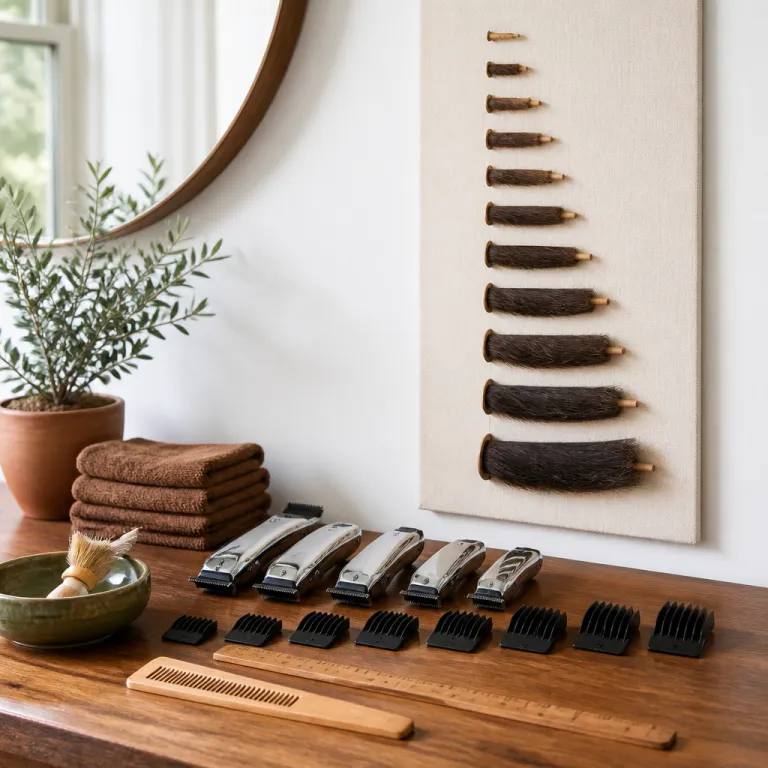
Why every style focused man needs a length of beard chart
A precise length of beard chart turns guesswork into grooming strategy. When men understand how each beard length interacts with their face and facial hair density, they can select the best beard style instead of copying random trends. This is how a simple beard length guide becomes a powerful style tool for fashion men passionate about detail.
Think of the chart as the menswear equivalent of a tailored suit size; it translates vague ideas like short, medium, or long into exact millimetres that you can set on a beard trimmer. Once you know whether a short beard at 3 mm or a medium beard at 15 mm flatters your face shape, you can keep that length consistent and build outfits around a stable visual identity. The result is a beard style that feels intentional, not accidental, and that aligns with your broader fashion choices from sneakers to tailoring.
Most modern beard length chart systems use clear number beard settings that correspond to guard sizes on electric trimmers. A 0 to 1 guard usually gives ultra short stubble, while 2 to 3 guards create a soft stubble beard that still shows the face structure underneath. From 4 upwards, you enter true beard lengths territory, where maintenance, beard oil use, and clean lines around the neck and cheeks become essential to keep the facial hair looking sharp rather than neglected.
Mapping beard length to face shape for sharper proportions
The same beard length can look completely different depending on the face it frames. A length of beard chart only becomes powerful when you read it through the lens of your specific face shape and the natural direction of your facial hair. Fashion driven men should start by identifying whether they have oval, square, round, triangle, or diamond face shapes before choosing any beard styles.
For a round face, short beard styles with slightly longer hair on the chin and shorter sides create a vertical line that slims the shape. Men with square face shapes often look best when they keep the jawline clean and use a medium length beard to soften the angles without hiding them completely, which is where a detailed chart beard reference helps you avoid going too long. If your face is naturally long, a fuller medium beard with more length on the sides and less on the chin balances proportions and prevents the facial silhouette from appearing even longer.
To make this practical, use the chart as a quick reference: for round faces, try heavy stubble at around 3 mm on the chin with 1 to 2 mm on the cheeks; for square faces, test a 10 to 12 mm medium beard that follows the jawline; for long faces, keep the chin closer to 5 to 7 mm while allowing 8 to 10 mm on the sides. Once you know your ideal length beard range from the chart, you can pack the right beard trimmer guard, a small bottle of beard oil, and a comb to keep your facial hair and overall style coherent across different climates and dress codes.
From stubble to full beard: decoding the main length zones
Most length of beard chart systems divide facial hair into four main zones: light stubble, heavy stubble, short beard, and full beard. Light stubble usually sits between 0.5 and 1 mm, giving the face a subtle shadow that sharpens the jaw without reading as a deliberate beard style. Heavy stubble ranges from about 2 to 4 mm and is often considered one of the best beard lengths for men who want a rugged yet office friendly look.
Once you move beyond 5 mm, you enter short beard territory, where the beard length is long enough to show clear lines and shapes but still short enough to follow the natural contours of the face. A medium beard typically spans from 10 to 20 mm, and this medium length zone is where many fashion conscious men experiment with sculpted beard styles that echo the structure of their tailoring. Long beard lengths start above 20 to 25 mm and require more deliberate maintenance, including regular trimming, shaping, and the daily use of beard oil to keep the hair soft and the overall style clean.
To clarify these zones, use a simple reference table that links guard numbers, millimetres, and style intent: 0–1 guard (0.5–1 mm) for light stubble; 1–2 guards (2–4 mm) for heavy stubble; 3–4 guards (5–10 mm) for a short beard; 5–8 guards (10–20 mm) for a medium beard; and higher guards or no guard for long beards above 20 mm. Whatever zone you choose on the beard length chart, a quality beard trimmer with clear number beard guards allows you to keep the chosen length beard consistent across the cheeks, jaw, and neck, while scissors help refine the moustache and any longer areas.
Choosing the best beard style for your fashion personality
Style driven men should treat the length of beard chart as a palette rather than a rulebook. A short beard at 5 to 7 mm can look minimal and architectural when paired with sharp tailoring, while the same beard length reads casual with relaxed denim and sneakers. The key is to align beard styles with the visual language of your clothes and your natural face shape.
If your wardrobe leans toward clean lines and monochrome palettes, a short stubble beard or tightly controlled medium beard often feels like the best beard option. Men who favour textured knitwear, workwear, or heritage inspired outerwear may find that a fuller medium length or even a long beard complements the heavier fabrics and layered silhouettes. In both cases, the chart beard reference helps you keep the chosen length beard consistent, so your facial hair becomes a stable part of your personal brand rather than a constantly shifting experiment.
Fashion men passionate about detail should also consider how facial hair interacts with accessories such as glasses, hats, and jewellery. A long beard can visually compete with bold frames or large scarves, while a short beard or heavy stubble leaves more negative space around the face and neck. By testing different beard lengths from the length chart and photographing your outfits, you can objectively evaluate which beard style supports your overall aesthetic and which lengths distract from the clothes you care about.
Daily maintenance: keeping your beard clean, sharp, and healthy
Once you have chosen your ideal zone on the length of beard chart, daily maintenance becomes non negotiable. Clean facial hair always looks more intentional, whether you wear a short beard, a medium beard, or a full beard that reaches into long beard territory. Men who skip basic washing and conditioning quickly see even the best beard style collapse into frizz and dullness.
Use a gentle beard wash two or three times per week, then apply a few drops of beard oil while the hair is still slightly damp to keep the beard lengths soft and the skin underneath comfortable. For short stubble and short beard styles, a light oil or balm prevents itch without weighing the hair down, while longer and medium length beards benefit from richer formulas that tame flyaways. Always comb or brush the facial hair after applying product to distribute it evenly and to train the hair to grow in the desired shape that suits your face.
Trimming is where the length chart and your beard trimmer work together to maintain precision. Set the trimmer to the exact number beard guard that matches your chosen beard length, then work against the grain in smooth passes, checking the symmetry of the face in a mirror with good light. Clean the neckline about two fingers above the Adam’s apple and refine the cheek lines according to your natural growth pattern, which keeps the overall beard style sharp while respecting the unique map of your facial hair.
Seasonal adjustments: adapting beard lengths to climate and outfits
Fashion aware men rarely wear the same fabrics all year, and the same logic applies to beard length choices on the chart. In warmer months, a short beard or even a heavy stubble beard often feels fresher on the face and pairs well with lightweight shirts, open collars, and breathable outerwear. When temperatures drop, a medium beard or full beard can visually balance heavier coats and knitwear while adding a sense of depth to the overall style.
Seasonal grooming also interacts with skin health, because longer beard lengths can trap more sweat and pollution in hot weather, which demands stricter maintenance and more frequent cleansing. In contrast, a longer or medium length beard in colder months can protect the skin from wind while beard oil prevents dryness and flaking. Use the length of beard chart as a guide to shift between slightly shorter and slightly longer settings on your beard trimmer as the climate and your wardrobe change, rather than making drastic jumps that shock both your face and your personal image.
When planning warm weather outfits built around linen shirts, relaxed tailoring, and airy trousers, align your grooming with the same lightness. A guide such as linen done right for spring and summer shows how breathable fabrics and a clean short beard or controlled stubble beard can create a cohesive, effortless look. In colder seasons, you might extend your length beard setting on the chart by a few millimetres to support chunkier textures, always keeping the beard clean and shaped so that the facial hair enhances rather than overwhelms your outfits.
Key figures and grooming statistics every style focused man should know
- Market research from Grand View Research indicates that the global beard grooming products market has reached a multibillion dollar value, reflecting how many men now invest in beard oil, balms, and trimmers to maintain precise beard lengths that match their style (Grand View Research, “Beard Grooming Products Market Size, Share & Trends,” 2022; figures and estimates should always be checked against the latest published report).
- A study published by the Journal of Evolutionary Biology reported that heavy stubble, typically around 3 to 5 mm on a length of beard chart, was rated as one of the most attractive facial hair lengths by many participants, ahead of clean shaven faces and very long beards (Dixson et al., Journal of Evolutionary Biology, 2016; readers should consult the original paper for full methodology and exact statistics).
- Consumer surveys from Euromonitor suggest that men using an electric beard trimmer at least once per week often report higher satisfaction with their beard style, especially when they follow a clear length chart and keep consistent settings for their preferred short, medium, or long beard (Euromonitor International, Men’s Grooming briefing, 2021; specific percentages vary by market and year).
- Dermatology guidance from the American Academy of Dermatology Association notes that regular cleansing and conditioning of facial hair can significantly reduce beard related skin irritation, underlining the importance of clean maintenance routines for any beard length (American Academy of Dermatology Association, beard care recommendations, 2020; exact improvement figures depend on individual skin conditions and routines).
- Retail analytics from major grooming brands reveal that adjustable trimmers with multiple number beard guards now represent a substantial share of sales, because men increasingly want to experiment with different beard lengths while staying within the safe ranges suggested by professional charts; popular examples include the Philips Norelco Multigroom Series 7000 and the Braun Beard Trimmer BT7240, both offering fine millimetre adjustments.
FAQ: length of beard chart and modern men’s style
How do I choose the right beard length for my face shape ?
Start by identifying your face shape in a mirror, then consult a length of beard chart that shows which beard styles balance each geometry. Round faces usually benefit from slightly longer hair on the chin and shorter sides, while long faces often look better with more volume on the cheeks and a shorter chin area. Test nearby beard lengths with your beard trimmer, moving in 1 to 2 mm steps until the proportions feel harmonious.
How often should I trim my beard to maintain a consistent length ?
Most men need to trim every three to five days for short stubble or a short beard, and once a week for a medium beard. Long beard styles may only require a full trim every two weeks, with small touch ups around the moustache and neckline in between. Use the same number beard guard each time to keep the beard length stable and aligned with your chosen point on the chart.
Is beard oil necessary for short beards or only for long beards ?
Beard oil is useful at almost any beard length because it conditions both the hair and the skin underneath. Short stubble and short beard styles benefit from a light application to reduce itch and tightness, especially in dry climates or after washing. Longer and full beard styles usually need more oil to keep the hair soft, prevent tangles, and maintain a clean, healthy appearance.
Can I switch between different beard lengths without damaging my style ?
Switching between nearby beard lengths on the chart is easy if you move gradually and maintain clear lines. For example, going from a 5 mm short beard to a 10 mm medium beard simply requires patience and regular shaping as the facial hair grows. Drastic jumps from clean shaven to a very long beard are harder to manage, so most style focused men prefer incremental changes guided by the length of beard chart.
What tools do I need to follow a professional length of beard chart at home ?
You need a reliable beard trimmer with multiple guards, a fine comb or brush, sharp scissors for detail work, and a quality beard oil or balm. These tools allow you to set precise beard lengths, refine the beard style around the cheeks and neck, and keep the facial hair clean and healthy. Many barbers recommend taking a photo of your preferred beard length and noting the exact guard number so you can replicate the result consistently at home.