
Summary
Editor's rating
Value: good barefoot experience, but you pay for the concept
Design: wide, minimal and decent-looking, but a bit plain
Comfort: great toe space, zero cushioning shock
Materials: nice upper, questionable insole, fully minimal build
Durability: upper looks solid, insole is the big question mark
Performance: great for walking and daily use, not a hardcore sports shoe
What you actually get out of the box
Pros
- Very wide toe box that lets toes spread naturally
- Soft, flexible leather upper with almost no break-in
- Thin, flexible sole gives strong ground feel for walking and daily use
Cons
- Insole durability is questionable based on user feedback
- Very little cushioning, can cause leg/back discomfort during adaptation
- Price is high for such a minimal, simple construction

Specifications
View full product page →| Brand | VIVOBAREFOOT |
A barefoot leather sneaker you can actually wear every day
I’ve been wearing the VIVOBAREFOOT Gobi II Sneaker Premium Leather in Limestone (size 9 UK Wide) as my main everyday shoe for a few weeks. I used it for walking to work, casual days in the city, and a couple of light hikes on dry trails. So this isn’t a lab test, it’s just how it behaved in normal life. I already own a couple of barefoot shoes from other brands, so my feet are used to the zero drop and thin soles.
The first thing that stood out is how wide the toe box is. If you have wide feet or your toes hate being squeezed, this is a big deal. Compared to my usual sneakers (Nike and New Balance), it feels like my toes suddenly have their own studio apartment. You really feel the floor more, which is the whole point of barefoot shoes, but it might be a shock if you’re coming from cushioned trainers.
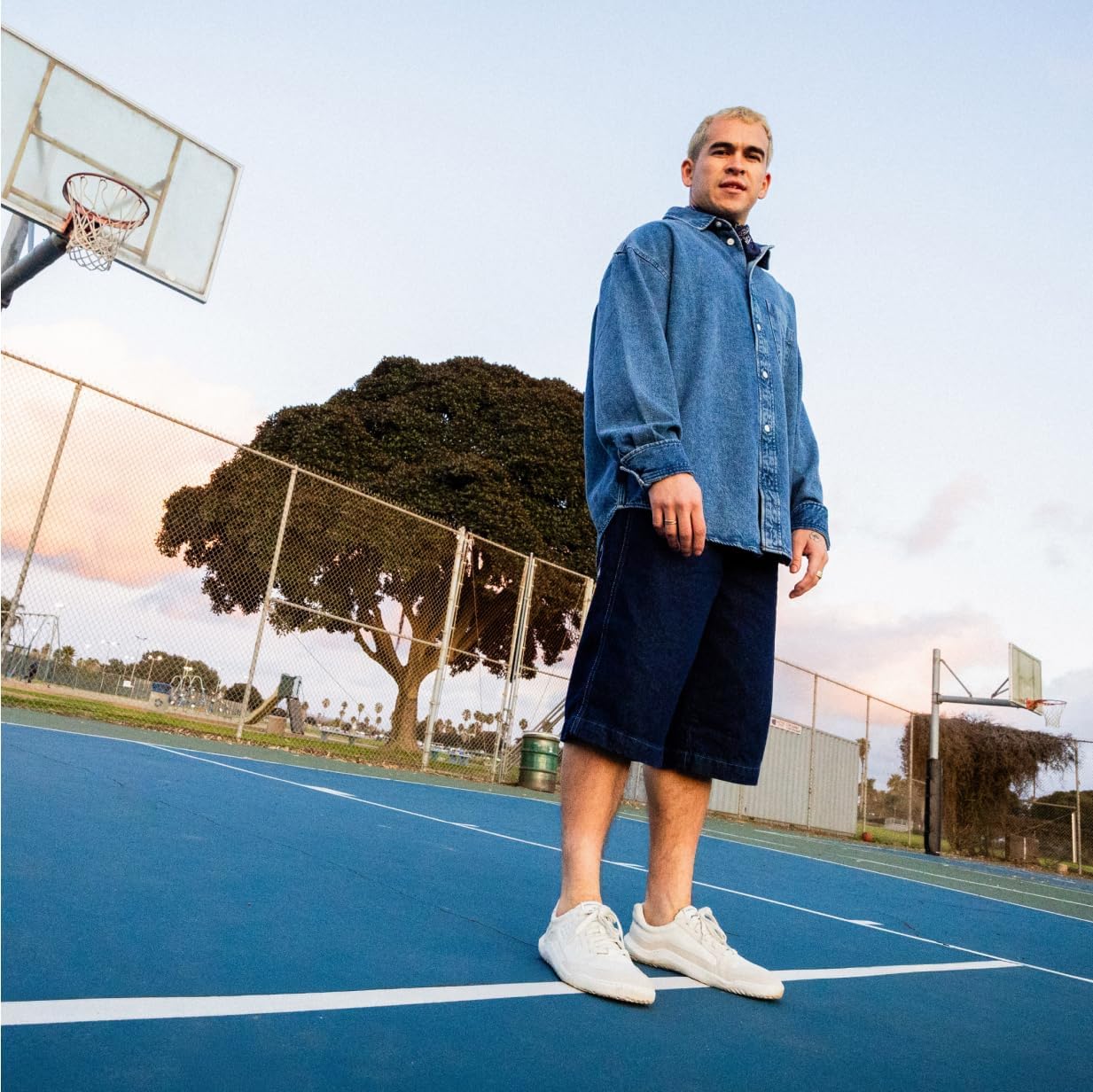
I mainly bought this model because I wanted something that doesn’t scream “sport shoe” with every outfit. The Limestone colour and the leather upper look fairly neutral and go fine with jeans, chinos, and even casual office clothes. It still looks like a barefoot shoe if you know what to look for (wide front, thin sole), but it doesn’t look like a running shoe.
Overall first impression: pretty solid everyday barefoot sneaker. Not perfect, not cheap, but it does what it says: wide, minimal, leather, and usable in most situations. The real question is whether the comfort and build justify the price and the minimal cushioning, and that’s where things get a bit more mixed.
Value: good barefoot experience, but you pay for the concept
VIVOBAREFOOT shoes are not cheap, and the Gobi II Premium Leather is no exception. You’re paying for a specific concept: wide toe box, zero drop, thin flexible sole, and decent-looking leather you can wear to work. If you fully use and appreciate those features, the price can feel justified. If you just want “a comfy sneaker”, this will probably feel expensive for what looks like a very simple shoe.
Compared to more mainstream sneakers from Nike, Adidas or New Balance, you get less cushioning, less tech, and less padding for more money. But you also get way more toe space and a shape that respects natural foot movement. If you’ve struggled with cramped toes or foot pain in narrow shoes, that alone might be worth the cost. One Amazon user even called it one of the best-looking barefoot trainers, which I kind of agree with: it’s one of the more wearable barefoot designs for everyday life.
The downsides for value are mainly the insole durability concern and the fact that there’s a real adaptation period if you’re new to barefoot. You might buy these, wear them a few days, and realize your legs and back are sore, like one reviewer mentioned. If you then give up, that’s a lot of money wasted. So you need to be sure you actually want a minimal shoe and are ready to ease into it slowly.
Overall, I’d say the value is decent but not outstanding. If you’re already into barefoot shoes and want a leather model that works in most situations, the Gobi II makes sense. If you’re just curious and on the fence, I’d maybe start with a cheaper or more cushioned option before dropping this much cash on a fully minimal leather sneaker.
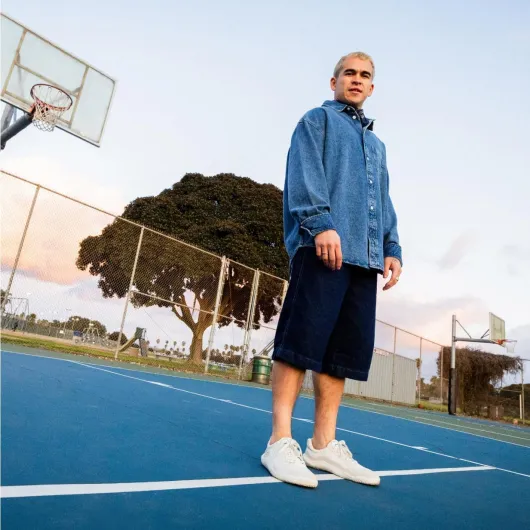
Design: wide, minimal and decent-looking, but a bit plain
Design-wise, the Gobi II Premium Leather in Limestone is pretty understated. The colour is a light grey-beige that goes with almost anything. If you want a shoe that doesn’t shout for attention, this is good. If you like bold designs, it’ll probably feel boring. The silhouette is very “barefoot”: wide front, low profile, flat sole. From the side it looks like a casual chukka-type sneaker, but from the top you really see that big toe box.
The branding is discreet. You’ve got the VIVOBAREFOOT logo but it’s not huge or shiny. The laces are standard flat laces, nothing special. The overall shape works well with slim or straight jeans and chinos. With shorts, it looks fine too, but because of the wide forefoot it can look a bit duck-like if you’re not used to this style. Personally, after a few days I stopped noticing and just enjoyed the space for my toes.
One detail I appreciate is the low ankle cut. It doesn’t rub on the ankle bone, and it’s easy to slip on and off once the laces are adjusted. That said, there’s no heel pull tab, which could have been handy. The tongue is thin and unpadded, in line with the minimal design, and it stays in place decently once laced properly. No weird pressure points from the laces for me, but I don’t tie them super tight.
In short, the design is practical and neutral rather than stylish in a fashion sense. It’s the kind of shoe that blends in rather than stands out. If you care more about foot function than compliments, you’ll probably like it. If you’re used to sleek leather sneakers from brands like Adidas or Common Projects, this will feel more “functional” than “pretty”, but it gets the job done for everyday wear.
Comfort: great toe space, zero cushioning shock
Comfort is where barefoot shoes are a bit tricky to judge, because it depends a lot on what you’re used to. For me, already used to minimal shoes, the Gobi II Premium Leather was comfortable right away. No real break-in period for the leather, no blisters, no rubbing around the heel. The wide toe box is the star here: my toes can spread out naturally, and even after a full day of walking, I didn’t feel the usual squeeze I get in normal sneakers.
However, if you’re new to barefoot shoes, you really need to know what you’re getting into. One Amazon reviewer said their legs and back hurt during the adaptation phase, and that lines up with what many people experience. There is almost no cushioning: your feet, calves, and hips suddenly have to do more work. On longer walks, you feel your muscles working more. That’s the point for some of us, but if you expect plush comfort, this will feel harsh and maybe disappointing at first.
Underfoot, the thin cork/EVA insole gives a tiny bit of padding, but not much. You feel the ground texture, especially on gravel or cobblestones. Personally, I like that, but on days when I’m tired or carrying a heavy backpack, I did notice I wished for a little more softness. There’s no arch support either, it’s completely flat. If you rely on built-in support in your shoes, you might struggle here and maybe need custom insoles (which kind of defeats the barefoot idea).
Ventilation is average. The leather upper and synthetic lining don’t breathe like a mesh running shoe, but my feet didn’t overheat in mild weather. With thicker socks in cooler temperatures, they felt fine too. I’d say you can use them year-round except maybe in very hot conditions where full leather can get a bit warm. Overall: very comfortable if you already like barefoot shoes, but there’s a clear adaptation cost if you’re coming from cushioned sneakers.
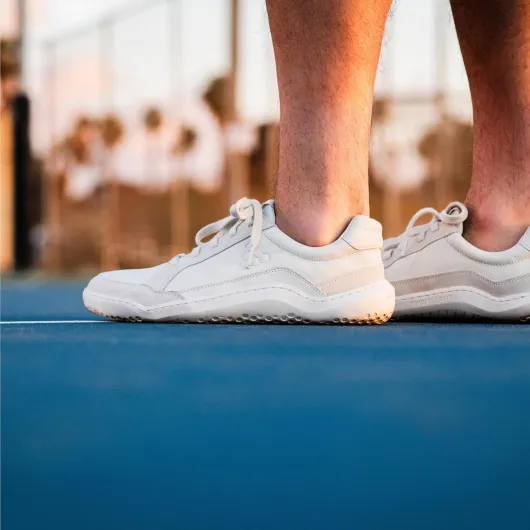
Materials: nice upper, questionable insole, fully minimal build
The upper is sold as “premium leather”, and to be fair, the leather does feel soft and flexible right out of the box. One Amazon user mentioned the leather being soft and comfortable, and I agree. There was no harsh stiffness like with some cheaper leather shoes. You can bend the shoe easily in your hands, which is what you want from a barefoot model. It doesn’t feel like super thick leather, though, more on the lighter side, which helps with comfort but might raise questions about long-term durability if you’re rough with your shoes.
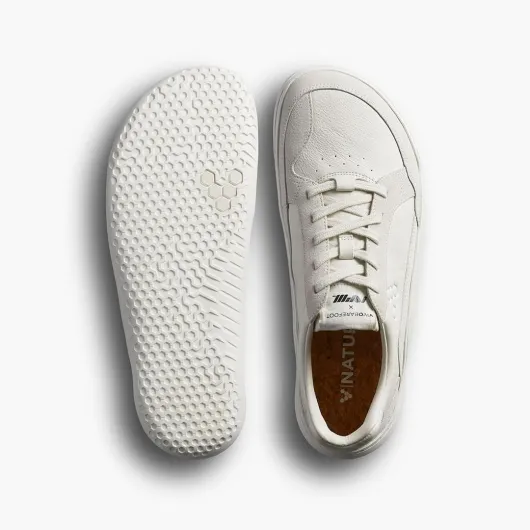
Inside, you get a synthetic lining and an insole that’s a mix of foam/EVA with cork
The sole is synthetic rubber, very flexible and quite thin. Ground feel is strong: you definitely feel small stones and uneven surfaces, though not to the point of pain for normal walking. There’s minimal cushioning, which is clearly stated in the specs and matches what you feel. If you’re used to thick running shoes, this will feel like a big downgrade in padding at first. There’s no fancy midsole tech, no gel, nothing—just rubber and the thin insole.
Overall, the materials fit the barefoot philosophy: thin, flexible, minimal. The leather is the nicest part, the insole is the weak link, and the sole is what you’d expect from this type of shoe. Not cheap, not luxurious, but functional. For the price, I would have liked a more robust insole construction, especially after reading that negative review about it falling apart so quickly.
Durability: upper looks solid, insole is the big question mark
Durability is always hard to judge after just a few weeks, but there are a few things you can already notice. The leather upper on my pair still looks in good shape: no cracking, no weird stretching, and only light creasing where the foot bends, which is normal. Because the leather is fairly soft and not super thick, I’d say it should hold up fine for daily city use, but if you really beat up your shoes (lots of hiking on rocks, dragging your toes, etc.), I’d keep an eye on scuffing.
The sole is a thin synthetic rubber. After several weeks of mixed use (pavement, light trail, office floors), the wear is visible but not dramatic. The tread is pretty minimal to start with, so you don’t have tons of material to lose, but the compound doesn’t feel like it’s melting away. I’d expect the sole to last a decent amount of time if you’re mainly walking. Hardcore heel strikers who run on asphalt every day might wear it down faster, but that’s kind of against the barefoot idea anyway.
The weak spot, as mentioned by one Amazon reviewer, is the insole durability. They reported the insole breaking into several pieces after only a month, and the seller refusing to replace it. That’s not great. My insole is still intact, but when I take it out, it does feel like something that could delaminate or tear if you handle it roughly or if you sweat a lot and it dries repeatedly. For a shoe in this price range, that’s disappointing. Replacing an insole isn’t the end of the world, but you shouldn’t have to do it that fast.
So in terms of build, I’d say: upper and sole seem reasonably durable for everyday use, but the insole may be a consumable item rather than a long-term component. If you buy these, I’d mentally budget for either a replacement insole down the line or going fully barefoot inside the shoe once the original one gives up. Not a deal breaker, but not ideal either.
Performance: great for walking and daily use, not a hardcore sports shoe
The official listing mentions “Sport Type: Running” and “Specific Uses: Sports”, but in real life I’d call this more of a daily walking and casual activity shoe. I did a couple of short runs (around 3–4 km) just to test, and while the shoe can handle it, you really feel every impact. If you’re an experienced barefoot runner, that’s probably fine. If not, I would not start your running journey with this as your only pair. There’s just too little cushioning for people used to traditional running shoes.
Where the Gobi II shines is in everyday movement. Long walks in the city, commuting, standing around, light hikes on dry trails: it handled all of that without problems. The thin, flexible sole makes it easy to feel what’s under your feet and adjust your step. Grip on dry surfaces is good; on wet smooth tiles or metal grates, you need to be a bit careful, but I didn’t have any big slips. I wouldn’t call it a trekking beast, but it’s totally fine for basic hiking paths and urban environments.
The shoe is labeled as water resistant, not waterproof. In practice, that means it handles light rain and small puddles okay if you don’t stand in them. The leather beads water a bit at first, but in heavier rain your feet will eventually get damp, especially around the laces and seams. For daily city use, that’s acceptable. For serious wet hikes or heavy downpours, you’ll want something more protective.
As for stability, the flat sole and wide platform give a very grounded feeling. There’s no ankle support, but because the shoe is so low and flexible, your foot can move naturally. I felt more stable on uneven terrain than in high, soft running shoes, simply because I could feel the ground and react. Overall performance: very good for walking and casual use, okay for short runs if you know what you’re doing, but not the best pick as your only sports shoe.
What you actually get out of the box
Out of the box, the Gobi II Premium Leather looks like a fairly simple shoe: low-top, flat sole, plain Limestone colour, no flashy logos. In the box I got the pair of shoes and the standard insoles, that’s it. No spare laces, no fancy extras. For this price range, I wouldn’t have minded a second set of laces or at least some basic care instructions specific to the leather, but you just get the basics.
The model I have is the men’s 9 UK Wide, and it does match the brand’s claim of being wide. The official info says “Fit to Size: True” and I’d agree length-wise. If you’re used to normal sneakers you might feel they look a bit big at the front, but that’s just the barefoot shape. Compared to one Amazon review in German that said they run a bit large and recommended half a size down, I personally didn’t feel the need to size down. I’d say: if you’re between sizes, maybe go half a size smaller; if not, stick to your usual.
The shoe is sold as a kind of all-rounder: “Athletic shoe”, “Running”, “All seasons”, “Comfort lifestyle”. In reality, I’d call it more of a casual everyday shoe that can handle light activity. I wouldn’t pick it as my main running shoe unless you’re already deep into barefoot running and know what you’re doing. For walking, office, city use, and easy trails, it fits the description fine.
Global impression of the presentation: simple and honest. No over-the-top packaging, no big claims printed all over the box. It feels like a low-profile product aimed at people who already know what barefoot shoes are. If you’re new to this type of footwear, you’ll probably end up on YouTube or the brand’s site to understand how to transition, because the box itself doesn’t help much.
Pros
- Very wide toe box that lets toes spread naturally
- Soft, flexible leather upper with almost no break-in
- Thin, flexible sole gives strong ground feel for walking and daily use
Cons
- Insole durability is questionable based on user feedback
- Very little cushioning, can cause leg/back discomfort during adaptation
- Price is high for such a minimal, simple construction
Conclusion
Editor's rating
The VIVOBAREFOOT Gobi II Sneaker Premium Leather in Limestone is a solid choice if you know you want a barefoot-style shoe and you specifically need a wide toe box and a leather upper that can pass in casual or semi-casual settings. The main strengths are clear: very generous toe space, flexible thin sole, soft leather that doesn’t punish your feet during break-in, and a low-key design that works with most outfits. For walking, commuting, office days, and light hikes, it does the job well and feels natural underfoot once you’re used to minimal footwear.
It’s not perfect, though. The insole seems to be the weak point, with at least one user reporting it breaking apart quickly, and in general it doesn’t feel super robust. Cushioning is almost non-existent, so if you’re coming from regular trainers, expect a real adaptation period with possible leg or back soreness. For running, it’s usable only if you’re already experienced with barefoot technique. Considering the price, you’re paying mainly for the barefoot design and brand, not for fancy materials or long feature lists.
Who is it for? People with wide feet, fans of barefoot shoes, and those who want a minimal leather sneaker they can wear daily without looking like they’re always going to the gym. Who should skip it? Anyone wanting plush comfort, lots of cushioning, or maximum durability from the insole, and people who are not ready to go through a gradual transition to barefoot-style footwear. If you fit in the first group, you’ll probably like it; if you’re in the second, there are better options for your money.