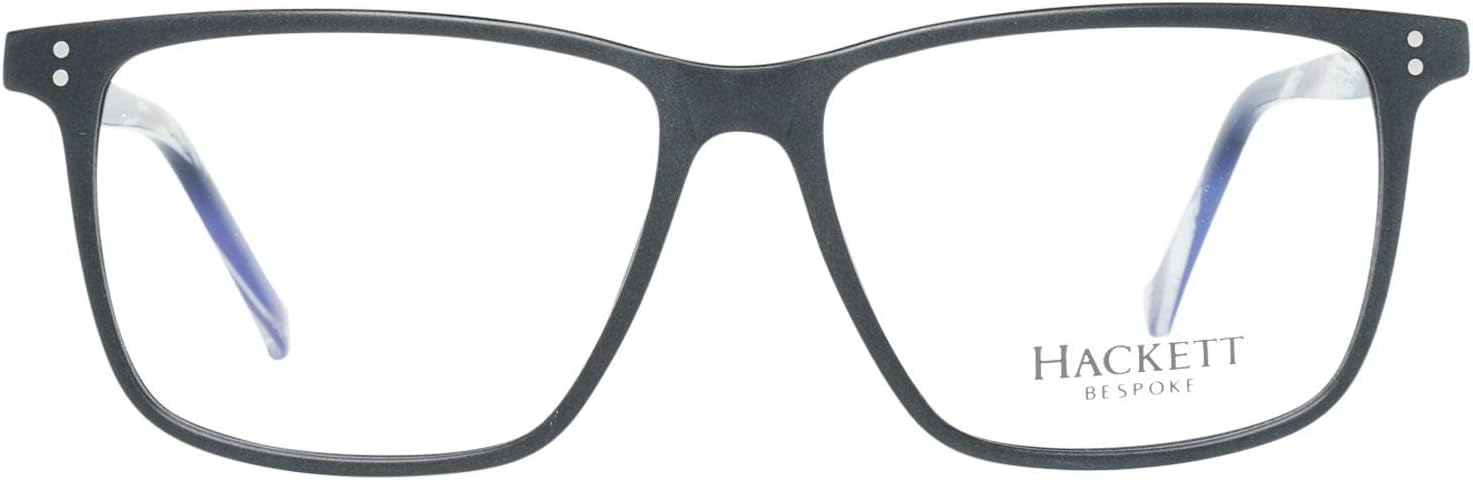
Best optical frames for men: a tailored, masculine guide
Frame architecture, lenses, and masculine proportions
For men who live in tailoring, the architecture of the best optical frames should echo the structure of a jacket. Pay attention to frame thickness, temple length, and the angle at which the glasses sit, because these details influence how the eye reads your cheekbones and brow line. A balanced pair of frames should align with the natural crease of your eye and never block the expression of your eyebrows, which are crucial for a confident, alert look. As a rule of thumb, the upper rim should sit just below or lightly touch the brow line without cutting through it.
Lens technology has evolved, and modern optical lenses can stay thin even at high prescriptions, which keeps the profile of your eyewear sharp. Ask during your next eye exam whether high index lenses or aspheric designs will give you a more flattering edge thickness for your chosen frames. For prescriptions stronger than -3.00 or +3.00, high index materials often reduce lens bulge and weight noticeably. When you compare models, look at how the lenses sit relative to your eye; the best optical frames keep the pupil centered horizontally and slightly above the vertical midline for a dynamic, lifted effect.
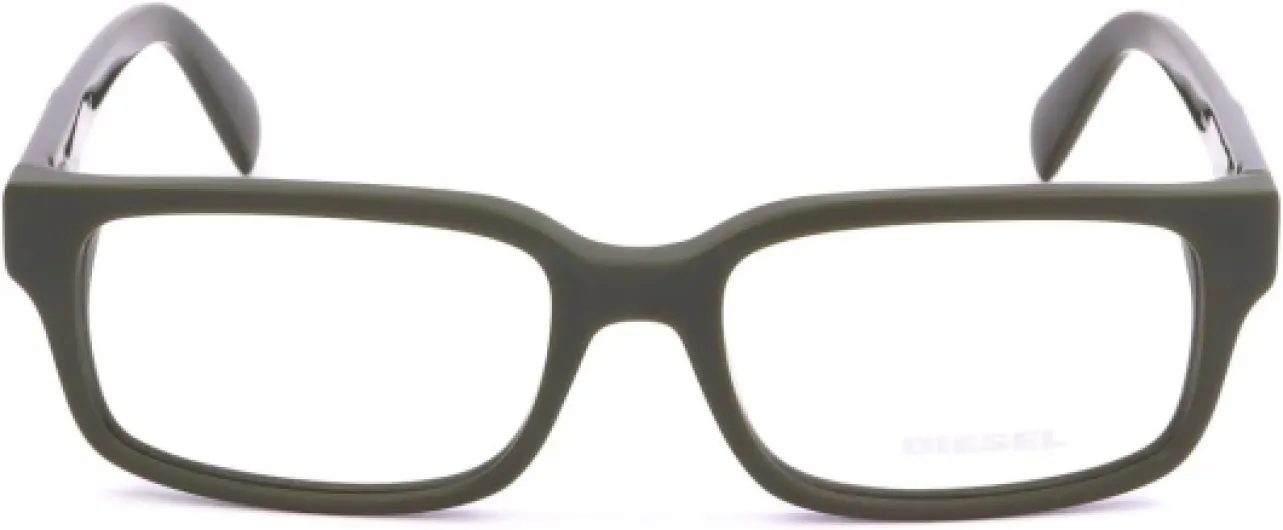
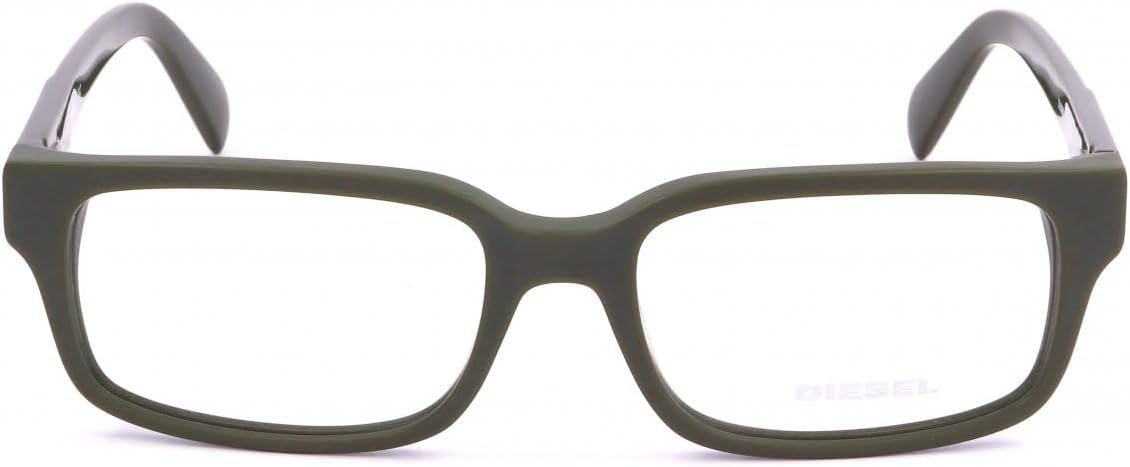
Men who appreciate precise tailoring often gravitate toward metal rectangles or subtle clubmaster shapes, and these designs pair well with iconic brands such as Ray Ban. If you are considering Diesel or similar labels, study how each pair of glasses interacts with your nose bridge and the roll of your shirt collar, and use a detailed review such as the Diesel men’s optical frames 540 grey test to understand real world fit. Always request a complete fitting session after your eye exam so the optician can adjust temple curvature, nose pads, and pantoscopic tilt for both comfort and a strong masculine line.
Color, materials, and how optical frames talk to your tailoring
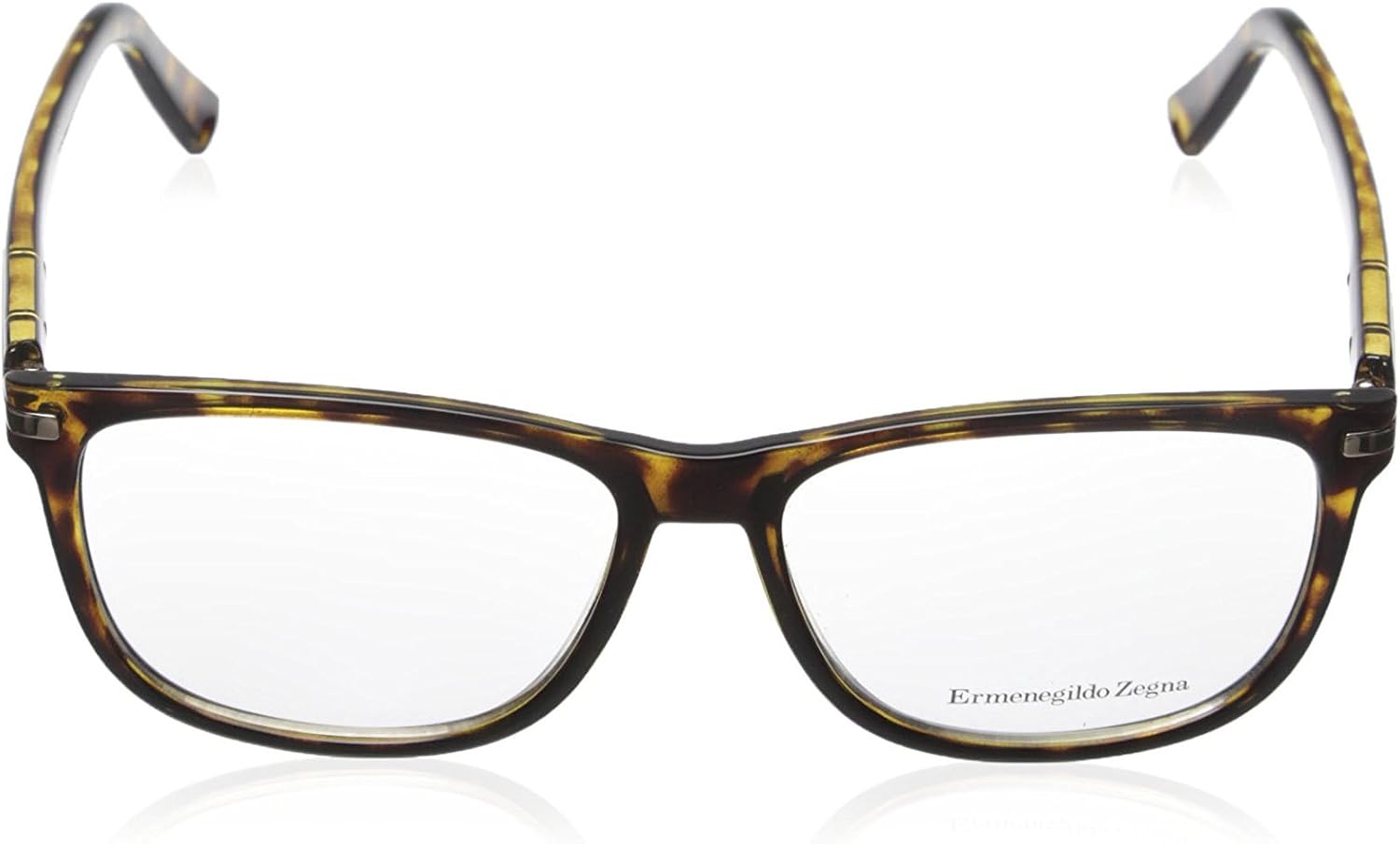
Color is language, and the best optical frames speak fluently with your suits, shirts, and ties. Classic black eyewear in a slim acetate works with almost any palette, while warm tortoiseshell frames harmonize with brown shoes, leather belts, and camel overcoats. If your wardrobe leans monochrome, experiment with subtle colors in your glasses, such as deep bottle green or midnight blue, to bring life near the eye without overwhelming your look. When you photograph outfits for reference, note how different frame colors read in daylight versus office lighting.
Material choice also shapes the personality of your optical frames and the way they complement accessories like crossbody bags or briefcases. Titanium frames feel feather light yet project a high precision, technical aesthetic that pairs well with sharp business tailoring and structured leather goods, while thicker acetate frames read more artistic and relaxed. When you invest in the best optical frames, consider how the finish of the material will age alongside your shoes and bags, and explore style guides such as this selection of top crossbody bags for men to coordinate hardware colors and textures.
Men who wear contact lenses part of the week still benefit from a strong signature pair of glasses that frames the eye on off duty days. Alternate between contact lenses and optical frames depending on the formality of your outfit, using bolder colors and thicker frames when your tailoring is simple and understated. The best optical frames in your rotation should include at least one dark, formal pair and one lighter, more playful pair, so your eyewear can adapt to different fabrics, seasons, and social settings.
Balancing performance, eye care, and vision insurance
Style focused men sometimes underestimate how much eye care and vision insurance can influence their access to the best optical frames. A comprehensive eye exam not only refines your prescription but also checks eye health, which determines whether you can safely use contact lenses or need specific lens coatings. When you review your vision insurance, look closely at how much it will cover toward frames, lenses, and a second pair of glasses dedicated to driving or screen work.
Performance coatings on lenses, such as anti reflection and blue light filters, can be integrated into elegant optical frames without compromising aesthetics. Ask your optician to explain which lens options your insurance will support, and request a complete breakdown of costs before you commit to a specific pair. Men who travel frequently or work under harsh lighting should prioritize high quality coatings, because they reduce eye strain and keep the surface of the lenses visually clean, which subtly enhances the perceived quality of the frames.
Some brands, including Ray Ban and other heritage labels, now offer optical versions of their classic sunglasses silhouettes, which can be an efficient way to align style and function under a single insurance plan. If your vision insurance allows one pair of glasses and one set of contact lenses per cycle, plan your purchases so that your best optical frames serve as your daily style anchor while contact lenses support sport or evening events. Always keep written confirmation of your eye exam results and policy details, and store them securely in line with your provider’s privacy policy, so you can reference them quickly when upgrading your eyewear.
Integrating optical frames with classic menswear and accessories
When you think about the best optical frames as part of a complete classic wardrobe, they sit alongside Oxfords, cufflinks, and a discreet watch. A refined pair of glasses should harmonize with the width of your tie, the shape of your lapels, and the line of your haircut, creating a coherent visual story from head to toe. For men who obsess over the break of their trousers and the roll of their button down collar, eyewear becomes the final adjustment that brings the entire look into focus.
Frame shape can echo or counterbalance other accessories, and this is where a strategic call on design pays off. Round frames soften a very angular face and pair beautifully with knit ties and unstructured blazers, while sharp rectangular frames underline the authority of a double breasted suit and polished Oxfords such as those highlighted in this curated guide to top Oxford shoes for men. The best optical frames for formal environments usually feature restrained colors and minimal logos, allowing the eye to rest on the overall harmony of the outfit rather than a single loud detail.
For business travel or long days between meetings, consider owning more than one pair of glasses so you can adjust your visual presence as the schedule shifts. A high contrast pair of frames with bold colors can energize a casual evening look, while a quieter pair with slim metal temples suits boardrooms and client lunches. Treat your optical frames with the same level of care as your leather accessories, storing each pair in a hard case and cleaning the lenses with proper cloths to maintain clarity and polish.
Practical buying strategy, privacy, and long term style
A disciplined buying strategy helps you secure the best optical frames without compromising on quality or privacy. Start by booking an eye exam with a reputable clinic, then request a complete written prescription that includes pupillary distance, lens recommendations, and any notes on eye health. When you shop online or in store, read the retailer’s privacy policy carefully to understand how your contact details and medical information will be handled.
High end eyewear boutiques often offer a curated selection of frames, from discreet titanium rectangles to bold acetate designs inspired by Ray Ban icons, and the staff can guide you toward shapes that flatter your eye area. Ask for a side by side comparison of at least three pairs of glasses, and photograph each option with your usual tailoring so you can review the images later in neutral lighting. The best optical frames should feel comfortable within minutes, with no pressure on the nose or behind the ears, and the lenses should align perfectly with your line of sight.
Once you have chosen your primary pair, consider whether a second pair or contact lenses will add flexibility to your lifestyle and wardrobe. Men who split time between office, travel, and evening events often benefit from one understated pair of optical frames and one more expressive pair, plus contact lenses for sport or black tie occasions. Keep all purchase documents, warranty information, and any insurance claim records organized, and update your frames every few years to ensure your eyewear evolves in step with your tailoring, grooming, and overall vision of style.
Key figures shaping the market for men’s optical frames
- According to Euromonitor International’s global eyewear reports (for example, 2022 and 2023 editions, see “Eyewear: World” overview tables), the worldwide eyewear market has surpassed roughly 150 billion euros in annual retail value, with men’s optical frames representing a steadily growing share as more men treat glasses as fashion accessories rather than purely medical devices.
- Data from the Vision Council’s VisionWatch surveys (such as the 2021 and 2022 reports, summary statistics in the “Vision Correction” sections) indicates that over 60% of adults who need vision correction use glasses, while around 15% rely primarily on contact lenses, which underlines the importance of owning at least one high quality pair of frames that can anchor a wardrobe.
- Surveys from major vision insurance providers, including large US and European insurers, show that policyholders who schedule an eye exam every two years are significantly more likely to update their frames and lenses, improving both eye health outcomes and satisfaction with the style of their eyewear; these findings are typically reported in member utilization dashboards and annual benefit summaries.
- Market research from Grand View Research on premium and luxury eyewear (for instance, studies published between 2020 and 2023, especially the “Luxury Eyewear Market Size, Share & Trends Analysis Report”) reports that higher end optical frames are growing faster than mass market options, reflecting a shift toward investment pieces that align with tailored clothing, leather goods, and other long lasting accessories.

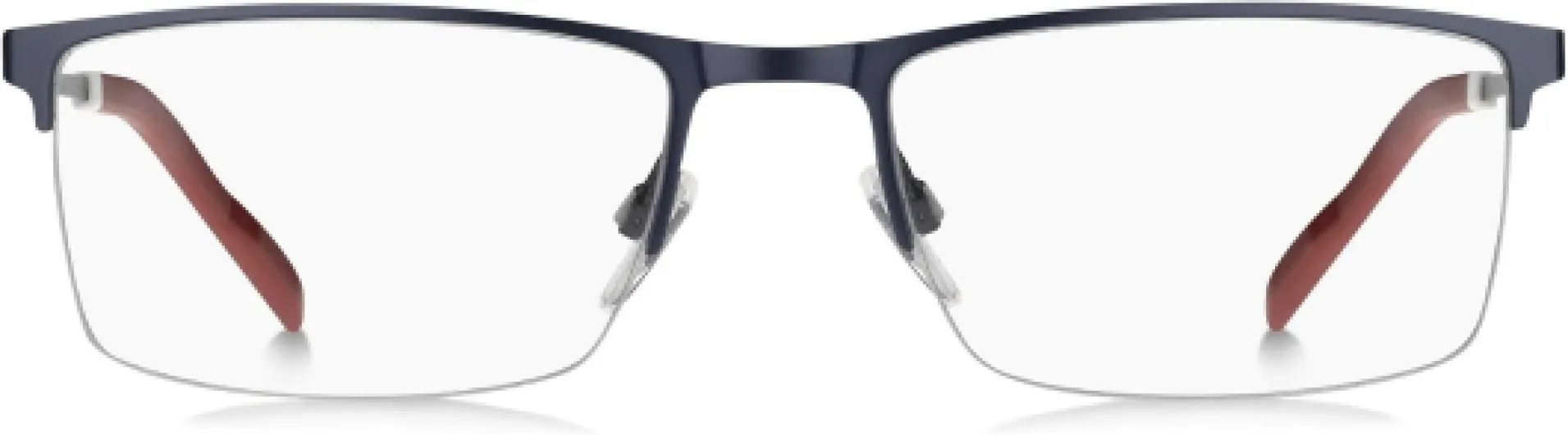

![Tmx Strong Side Made Of Premium Acetate Designer Eyeglass Frame/Glasses [50-17-130, matte black]](https://www.fashion-men-magazine.com/storage/823547/conversions/51QQxntSduL._AC_SL1500_-medium.webp)
![3:36 Pm Stretch Premium T-Series Collection Optical Eyeglass Frame/Glasses [55-18-140, gunmetal]](https://www.fashion-men-magazine.com/storage/823550/conversions/51fZWTjuGRL._AC_SL1500_-medium.webp)
![Tmx Strong Side Made Of Premium Acetate Designer Eyeglass Frame/Glasses [50-17-130, matte black]](https://www.fashion-men-magazine.com/storage/823547/51QQxntSduL._AC_SL1500_.jpg)
![3:36 Pm Stretch Premium T-Series Collection Optical Eyeglass Frame/Glasses [55-18-140, gunmetal]](https://www.fashion-men-magazine.com/storage/823550/51fZWTjuGRL._AC_SL1500_.jpg)