Key construction details that define the best brogues
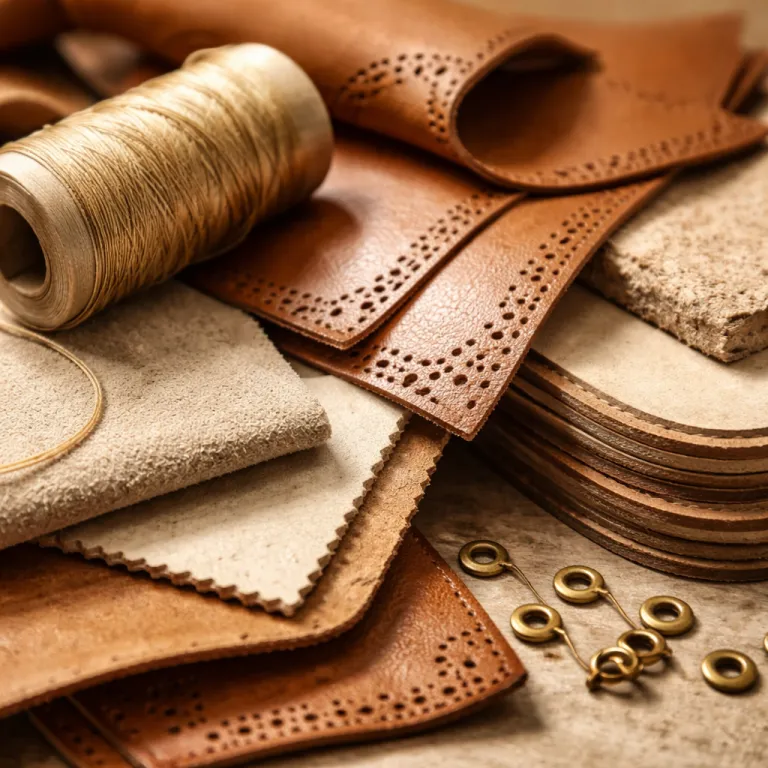
Construction separates average brogues from the best brogues, especially when you expect years of wear. A Goodyear welt or Goodyear welted build stitches the upper, welt, and leather sole together, creating a durable structure that can be resoled many times without losing shape. This traditional approach costs more at first, yet the long term price per wear becomes extremely competitive compared with glued shoes that fail quickly.
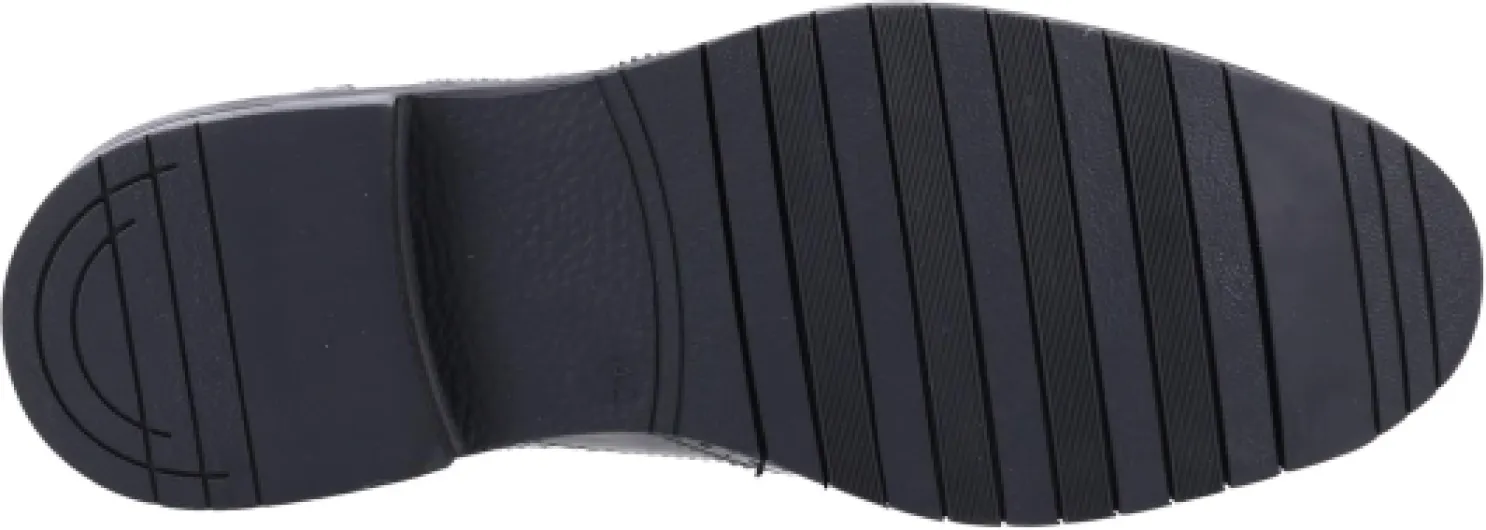
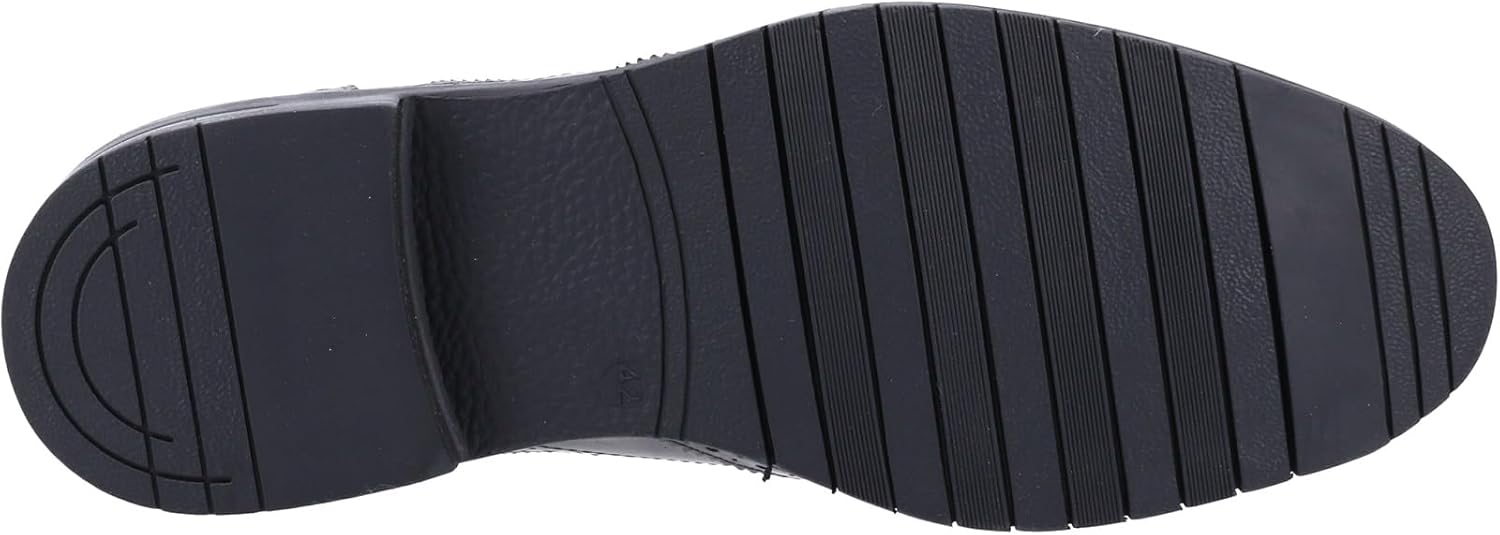
Look closely at the sole when you assess any pair of dress shoes or oxford shoes. A traditional leather sole offers elegance and a slim profile, while a discreet rubber sole or rubber insert adds grip for wet pavements without ruining the line of the shoe. For men who walk a lot between meetings, a hybrid sole with leather edges and a thin rubber mid section can be the best compromise between comfort and style, especially when compared with chunkier derby shoes built purely for casual outfits.
Upper materials matter just as much as the sole and welt. Full grain calf leather in black calf or brown calf develops a rich patina, whereas corrected grain often looks flat and ages poorly under heavy use. If you want something softer, brown suede semi brogues can add texture to navy tailoring, but you must accept more maintenance and avoid heavy rain, as suede shoes change in appearance quickly when water stains the surface and ruins the clean view.
For readers comparing specific models, a detailed derby test such as the mens derbys performance review can sharpen your eye for stitching density, sole finishing, and last shape. Once you train yourself to see these elements on a derby, you will evaluate brogues and oxford shoes with the same critical mindset. That habit alone will help you add only the best brogues to your rotation and avoid paying a premium price for weak construction.
Leather quality, calf choices, and how they affect style
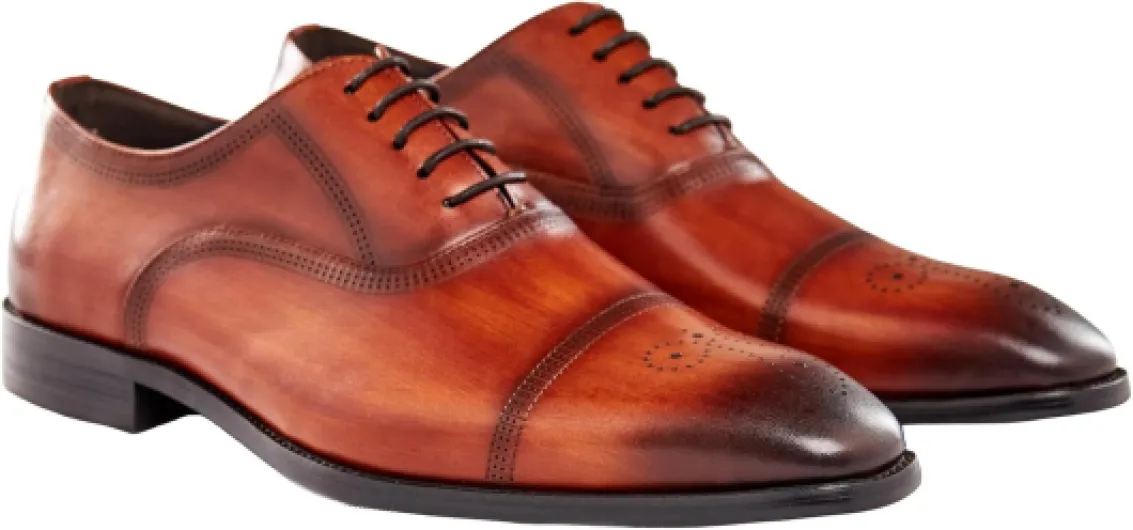
When you chase the best brogues, leather quality is non negotiable. Full grain calf leather, taken from the outermost layer of the hide, retains natural character and strength, which allows the shoe to mold to your foot and age with dignity. In contrast, heavily corrected leather may look uniform on day one, but it rarely develops the depth of tone that fashion men passionate about patina truly appreciate.
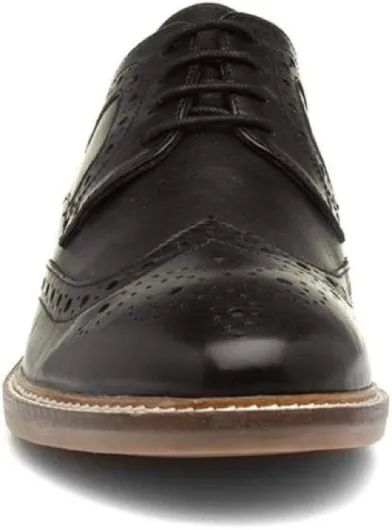
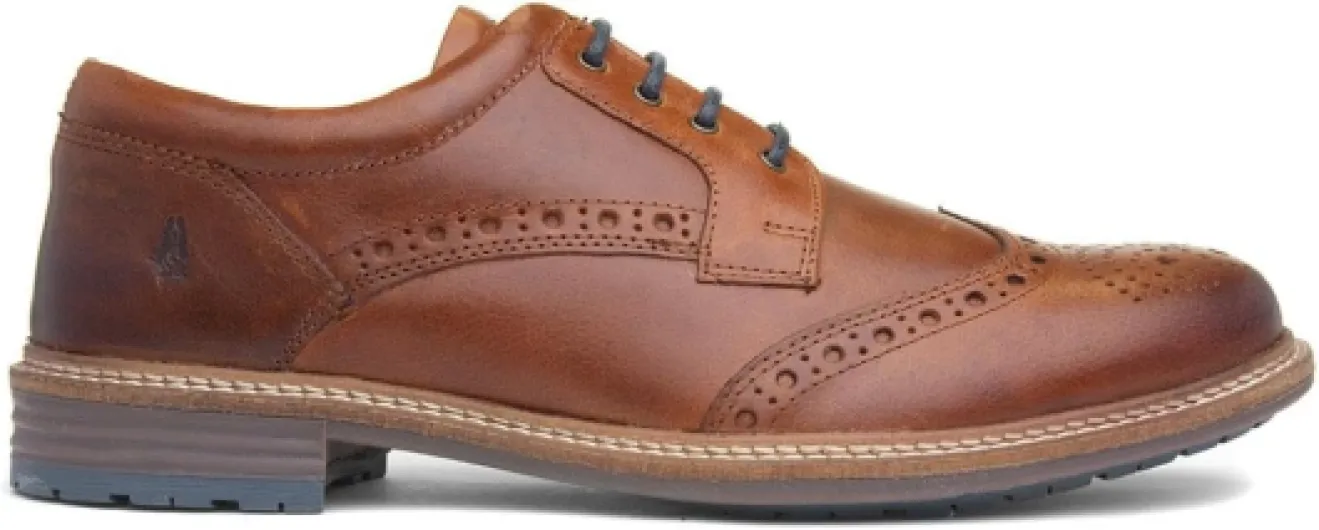
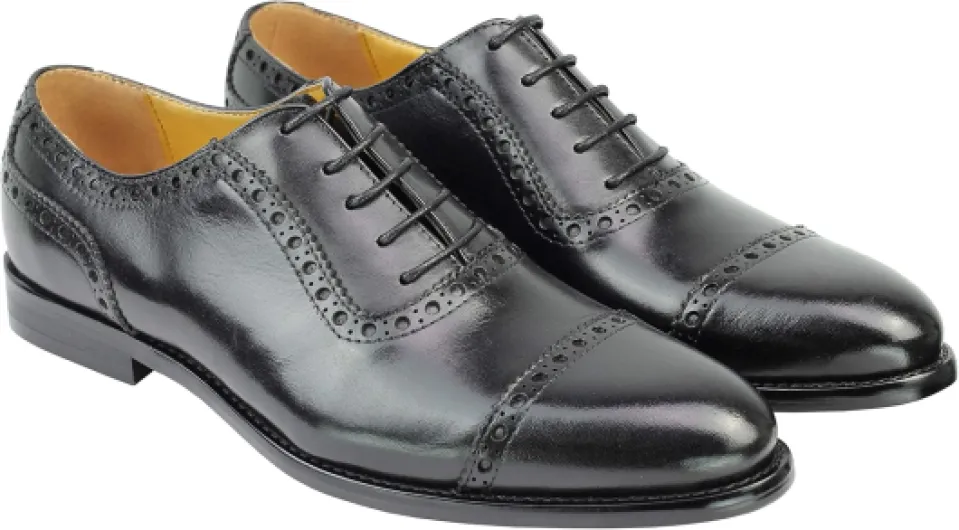
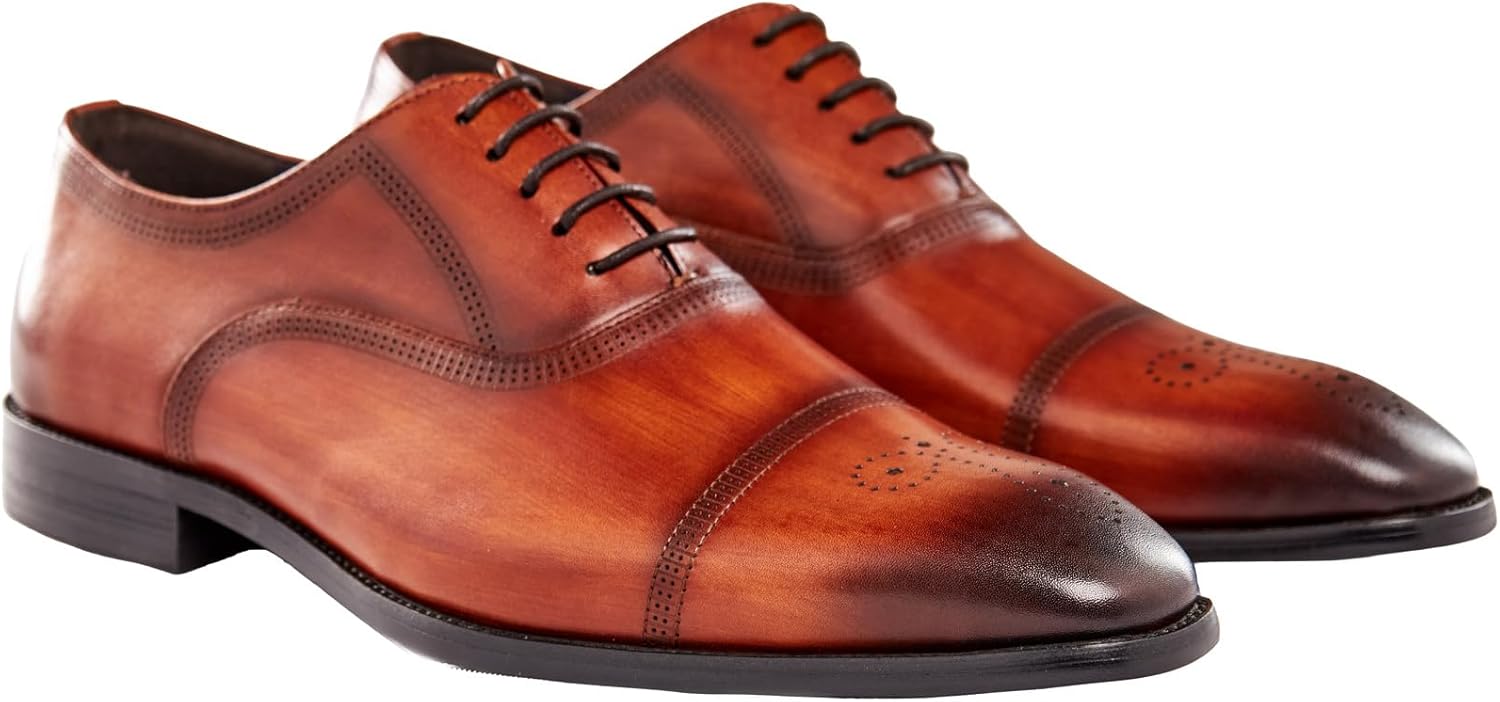
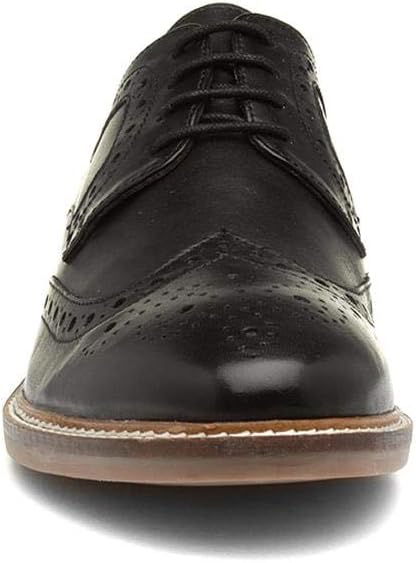
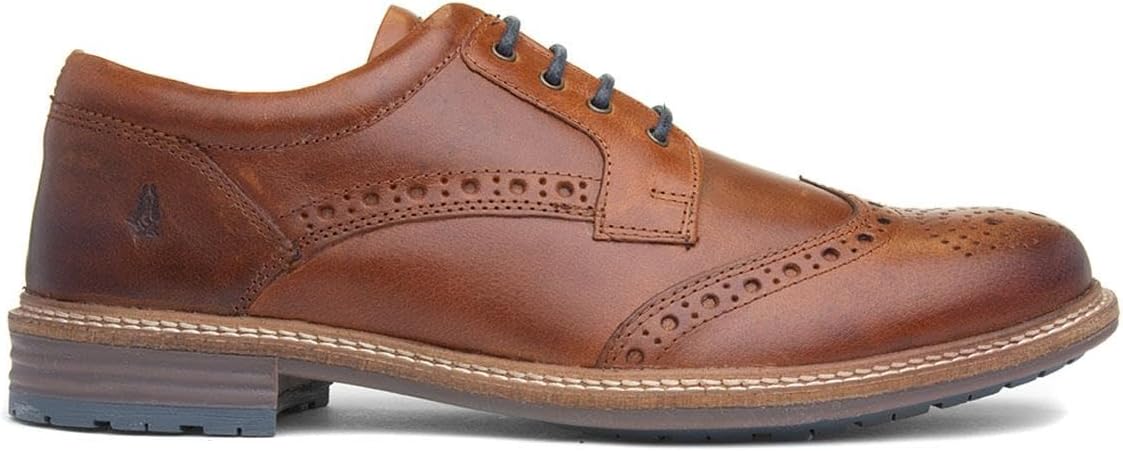
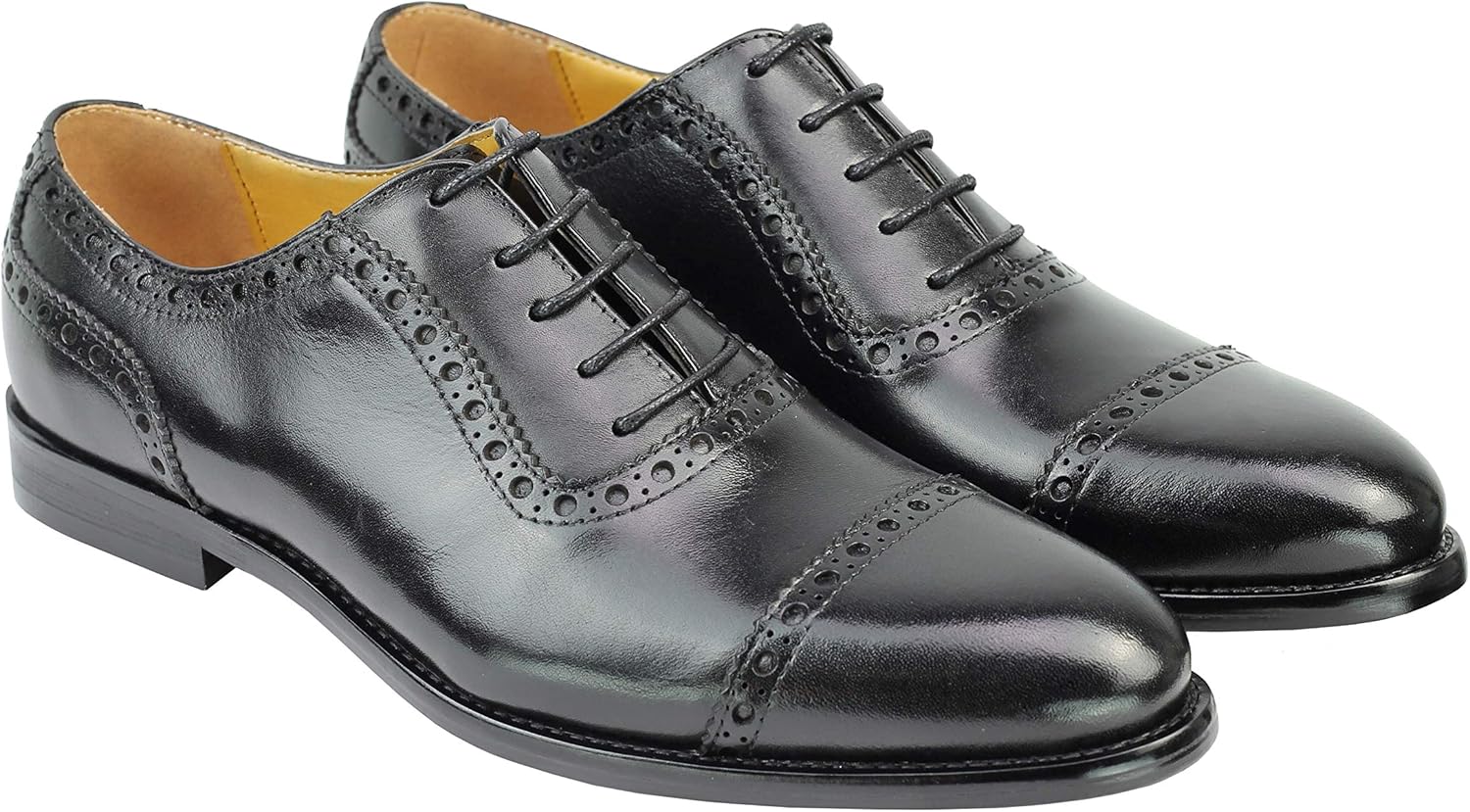
Black calf brogues with a clean cap toe and minimal perforations work best with dark business suits and formal dress codes. Brown calf brogues, especially in mid to dark shades, pair beautifully with navy tailoring, grey flannel, and even dark denim, giving you more freedom to add texture and colour to your outfits. Brown suede brogues or semi brogues soften the formality further, making them ideal dress shoes for relaxed offices or weekend dinners where oxford shoes might feel too stiff.
Calf leather thickness and finishing also influence comfort and fit. A slightly thicker full grain calf will feel firm at first but break in to match your foot, while very thin leather can crease sharply and age poorly, even if the initial view seems elegant. When you read any shoe review online, pay attention to how the writer describes creasing, as deep and early creases often signal compromised leather quality rather than just a tight fit.
If you are comparing specific models, a structured oxford test such as the black leather oxford shoes review can help you understand how calf leather behaves over time. Translate those lessons directly to brogues, because the same rules about grain, finishing, and lining apply whether the shoe is a plain oxford or a fully perforated brogue. Once you internalize these details, choosing the best brogues becomes a precise exercise rather than a guess.
Brand benchmarks: from Beckett Simonon to Crockett & Jones
Certain brands have become reference points for men seeking the best brogues in different price brackets. Beckett Simonon, for example, offers made to order leather brogues and dress shoes with Blake or Blake rapid construction at an accessible price, making them attractive for men building a first serious rotation. When you read a Beckett Simonon review, focus on how the brand balances calf leather quality, sole durability, and last shape, because these elements determine whether the shoes truly punch above their cost.
At a higher tier, Crockett & Jones sets a strong benchmark for Goodyear welted brogues and oxford shoes made in Northampton. Their use of full grain calf leather, refined cap toe patterns, and carefully balanced rubber sole or leather sole options shows how traditional Goodyear techniques can still feel modern. Many fashion men passionate about classic style consider Crockett & Jones semi brogues in brown calf or black calf to be among the best brogues for business wear, especially when compared with lighter derby models.
American brands such as Allen Edmonds and Johnston Murphy occupy a different niche, often blending heritage shapes with slightly broader fits. An Allen Edmonds brogue on a Goodyear welted leather sole can be recrafted multiple times, which extends the life of the shoe and improves long term value, while some Johnston Murphy lines focus more on comfort with cushioned insoles and flexible rubber soles. When you compare these brands, look beyond the marketing view and examine stitching, welt shape, and how the sole is attached, because those details reveal the real construction story.
Direct to consumer labels like Beckett Simonon use pre order models to control inventory and keep the price of full grain calf leather competitive. That approach demands patience, since you cannot get a quick delivery, but it often yields better materials than similarly priced ready to wear shoes taken straight from the shelf. For a broader context on how such brands interpret tailoring and footwear trends, the runway analysis in spring summer tailoring for off the rack buyers offers a useful macro view of where formal shoes are heading.
How to match brogues with tailoring, denim, and dress codes
Styling the best brogues is about reading the dress code and then adjusting details. A sleek pair of black calf semi brogues with a leather sole works well with a navy business suit, especially when the cap toe perforations remain subtle and the last echoes a classic oxford shoe. For less formal offices, brown calf brogues on a thin rubber sole can add warmth and texture, pairing easily with grey flannel trousers, knitwear, and softly structured blazers.
When you move into smart casual territory, brown suede brogues or semi brogues become powerful tools. They soften the line of sharp tailoring and sit comfortably beside dark denim, chambray shirts, and even fine gauge turtlenecks, giving you a relaxed yet intentional style. Derby shoes in similar leathers can play the same role, but brogues often feel more considered, especially when the perforations echo other textures in your outfit, such as a woven tie or herringbone coat.
Colour and sole choice should always reflect the environment. Black calf brogues with a leather sole still feel right for conservative finance or law, while brown calf or brown suede on a discreet rubber sole suits creative industries and evening events where comfort matters. If you attend many standing receptions, consider alternating between oxford shoes and brogues with slightly softer construction, because this rotation reduces fatigue and extends the life of each shoe.
For men who travel frequently, a compact rotation of three pairs often covers most scenarios. One pair of black calf oxford shoes for strict formality, one pair of brown calf brogues for business casual, and one pair of brown suede semi brogues for weekends will handle almost any itinerary. By planning outfits around these anchors, you add coherence to your wardrobe and ensure every shoe earns its place as one of your personal best brogues.
Fit, sizing, and practical buying advice for brogues
Even the best brogues fail if the fit is wrong. A properly fitted shoe should hold your heel securely, allow your toes to move slightly, and flex at the ball of the foot rather than across the arch. Because Goodyear welted shoes often feel firm out of the box, many men mistakenly size up, which leads to heel slip and premature creasing in the leather.
When trying on brogues or oxford shoes, wear the same thickness of socks you plan to use in daily life. Lace the shoe firmly, then walk on both hard and carpeted surfaces to assess how the sole responds, whether leather or rubber, and how the upper hugs your instep. If you notice deep creases forming immediately across the vamp, the fit may be too loose, which will age the full grain calf leather poorly and distort the clean view of the shoe.
Price should be evaluated through the lens of cost per wear rather than sticker shock alone. A well built pair of Goodyear welted brogues from brands like Allen Edmonds, Crockett & Jones, or Beckett Simonon can be resoled multiple times, turning a higher initial price into strong long term value. In contrast, cheaper glued shoes move quickly from fresh to tired, often within a single season, because the sole separates or the leather cracks where the Goodyear welt strength is missing.
Online shopping adds another layer of complexity, so always read each review carefully and look for comments about fit, break in, and leather behaviour. Pay attention to whether customers mention black calf or brown calf versions fitting differently, as dye and finishing can subtly change the feel of the leather. When in doubt between two sizes, many experienced menswear enthusiasts prefer the snugger option in full grain calf leather, because it will relax slightly and then hold the foot securely for years of confident wear.
Care, maintenance, and how to extend the life of your brogues
Proper care turns good brogues into the best brogues over time. Start by rotating your shoes, allowing at least twenty four hours between wears so the leather can dry and the sole can recover its shape. Insert cedar shoe trees after each wear to absorb moisture, maintain the last shape, and prevent deep creases from forming across the vamp and cap toe.
Cleaning and conditioning routines should match the material. For full grain calf leather in black calf or brown calf, brush off dust with a horsehair brush, then apply a small amount of cream polish to nourish the leather and restore colour, followed by a thin layer of wax on the toe and heel for extra shine and protection. Brown suede brogues require a different approach, using a suede brush to lift the nap and a dedicated suede spray to add water resistance without clogging the surface.
Sole care often gets ignored, yet it plays a major role in longevity. Leather soles benefit from occasional rest and resoling before holes appear, while rubber soles or mixed constructions can be re soled or re heeled when the tread wears down, especially on Goodyear welted shoes where the welt protects the upper. If you walk frequently on wet streets, adding a thin rubber topy to a leather sole can provide grip and extend life without compromising the elegant profile of your dress shoes or oxford shoes.
To compare options quickly, use a simple checklist when you inspect any pair of brogues: confirm the construction method (Goodyear welt, Blake, or cemented), note whether the sole is leather, rubber, or hybrid, examine the grain and thickness of the calf leather, and check that the stitching around the welt is even and tight. By treating each pair as a long term investment rather than a disposable accessory, you ensure that your carefully chosen brogues remain among the best pieces in your wardrobe, season after season.
Key figures every brogue enthusiast should know
- Traditional Goodyear welted shoes make up a relatively small share of global dress shoe production, yet they account for a large proportion of resoling and repair work, which underlines their long term value. Industry estimates from repair associations in Europe and North America consistently show that Goodyear welted pairs are over represented in workshop volumes compared with their production share.
- Industry comparisons consistently show that full grain calf leather shoes can last significantly longer than corrected grain alternatives when maintained properly, which lowers cost per wear for classic brogues. Reports from specialist retailers and manufacturers such as Allen Edmonds and Crockett & Jones indicate that customers routinely keep full grain pairs in rotation for a decade or more with periodic resoling.
- Market research on formal footwear indicates that men’s dress shoes with rubber sole or hybrid sole constructions have grown their share of the segment over the past decade, reflecting demand for comfort without sacrificing style. Studies from firms like NPD Group and Euromonitor have tracked steady increases in rubber soled dress shoes in major markets including the United States and Western Europe.
- Customer feedback from heritage makers suggests that a high percentage of buyers who invest in Goodyear welted brogues choose to resole them at least once, treating the best brogues as long term investments rather than disposable fashion items. Internal surveys published by brands such as Tricker’s and Allen Edmonds report resoling rates that support this pattern of extended use.