
Why the linen men’s long sleeve shirt defines modern classic style
A well cut linen men’s long sleeve shirt has become a quiet status signal for men who care about tailoring. The right piece in breathable pure linen or a refined linen–cotton blend bridges dress codes from Riviera casual to sharp business casual, while still feeling effortless on the body. When you treat these shirts as part of your core dress shirt wardrobe rather than only as holiday pieces, your style gains depth and credibility.
Think of a classic linen button up as the summer equivalent of your favorite white poplin dress shirt, but with more character and a softer attitude. The fabric’s naturally textured surface, especially in higher quality cotton–linen or pure linen around 120–150 gsm, catches light differently and gives even simple designs a tailored presence. Because a long sleeved cut frames the torso and collar line so cleanly, it works with everything from pleated trousers to refined denim without losing elegance.
For fashion focused men, the key is to treat each linen shirt like a tailored garment, not a beach cover up. That means paying attention to the fit, the height and spread of the collar (a 4–4.5 cm collar band suits most faces), and how the sleeve length interacts with your watch and wrist. Once those proportions are correct, you can play with colors, from optic white to muted earth tones, and still remain firmly in the realm of classic menswear.
Choosing the right fit: slim, standard and relaxed for tailored outfits
Fit determines whether a linen men’s shirt looks bespoke or sloppy when worn with tailoring. A slim fit linen shirt works best on men with a relatively lean torso and narrow shoulders, because the sleeves and side seams follow the body without pulling across the chest. When your build is more athletic or you prefer subtle drape, a standard or regular fit usually delivers a sharper line under a blazer.
Many brands now offer a clear standard fit size block, sometimes labeled as regular, and this can be ideal for linen–cotton dress shirts. The extra ease in the torso allows the shirt to breathe, while the collar and shoulder seams still sit correctly, so the overall textured effect remains controlled rather than billowy. Men who enjoy a more relaxed silhouette can choose an easy fit linen shirt, but they should still ensure the neck opening and sleeve length are precise, especially when worn with tailoring in a hybrid office context such as the modern business casual environment described in this guide to business casual for men in hybrid offices.
When you try on linen shirts, always perform a quick movement test with your arms and shoulders. Raise both arms to check whether the sleeves pull excessively or the hem untucks, which would signal that the shirt length is too short. Then sit down in a tailored jacket to confirm that the collar line stays clean and the front placket does not strain, because this is how the shirt will behave during real meetings and dinners.
Fabric intelligence: linen, cotton linen and textured weaves
Understanding fabric composition is crucial when you invest in a linen men’s shirt long sleeve for tailored outfits. Pure linen offers maximum breathability and a dry hand feel, but a cotton–linen blend can give a smoother surface that behaves more like traditional cotton dress shirts. For men who want the ease of linen without excessive creasing, a balanced linen–cotton mix around 55/45 or 60/40 often provides the best compromise between structure and comfort.
Textured weaves such as Oxford, herringbone or subtle dobby patterns add visual interest to a classic dress shirt silhouette. A mid weight textured linen shirt works beautifully under unstructured blazers, because the fabric’s surface contrasts with smooth worsted wool and gives the outfit depth. When you choose long sleeve linen shirts with a slightly textured weave, you also disguise minor creases, which keeps the shirt looking sharper for longer periods during the day.
Color selection should follow your existing tailoring palette rather than impulse trends. Start with white and light blue linen shirts, then add muted colors such as stone, tobacco, or soft olive that pair with navy and grey suits, and reserve bolder colors for off duty looks. If you already own a gold tone dress shirt for evening wear, you can reference styling ideas from this guide on styling a gold dress shirt for fashion focused men and adapt them to textured linen shirts in warmer tones.
Collars, sleeves and proportions: tailoring details that matter
The collar of a linen men’s shirt long sleeve often decides whether it reads as a dress shirt or a casual piece. A semi spread collar with firm but not rigid interlining works best for most men, because it supports a tie when needed yet collapses elegantly when worn open. Button down collars on linen shirts can look very classic with soft tailoring, but they should be slim and refined rather than oversized to avoid a dated appearance.
Sleeve length and cuff design deserve the same attention you give to a suit jacket. The long sleeve of a dress shirt should show about 1 to 1.5 cm of cuff beyond the jacket sleeve, which means the underlying linen sleeve must be cut precisely. Men who enjoy rolling their cuffs should look for shirts with a slightly narrower cuff circumference, because this allows a neater roll and keeps the forearm line clean when styled in a relaxed way.
Short sleeve options have their place, but they rarely complement structured tailoring. If you choose a short sleeve linen shirt, reserve it for off duty outfits with tailored shorts or linen trousers, and keep your men’s short sleeve pieces separate from your core dress shirt rotation. For formal or business leaning settings, a long sleeve linen shirt remains the standard, since it respects classic menswear proportions and frames watches and cufflinks correctly.
Styling linen dress shirts with tailoring across seasons
Once you own a well fitted linen men’s long sleeve shirt, the styling possibilities with tailoring expand significantly. In warm months, pair a white or pale blue version with a half lined navy blazer, high rise trousers, and loafers for a refined but breathable look. During cooler seasons, you can layer linen–cotton shirts under heavier jackets in flannel, tweed, or corduroy, taking cues from this analysis of fall cloths that elevate plain suits.
Color coordination remains essential when you introduce multiple shirts into your wardrobe. Keep your core dress shirts in neutral colors, then use more saturated linen options for social events where a relaxed but still classic tone is appropriate. Linen enthusiasts often rotate between regular price staples in white and blue, and occasional pieces bought at a lower sale price in seasonal colors, which allows experimentation without compromising the foundation of the wardrobe.
Texture mixing is another powerful tool for fashion conscious men. A textured linen shirt in a muted tone under a smooth worsted suit creates a subtle play of surfaces, while a standard fit cotton–linen shirt under a softly structured blazer leans more relaxed. When you understand how different shirts interact with tailoring, you can move confidently between business, cocktail, and weekend settings without changing your underlying style language.
Smart shopping: price, sale strategy and online checkout discipline
Building a strong rotation of linen men’s shirt long sleeve pieces requires a clear strategy around price and quality. Regular price often reflects better fabric, tighter stitching, and more precise pattern cutting, especially for dress shirts intended to work with tailoring. However, men who track sale periods carefully can secure the same shirts at a more attractive sale price, provided they already know their exact size and preferred fit.
When comparing shirts, look beyond the headline price and examine details such as collar construction, button quality, and seam finishing. A standard fit linen shirt with clean side seams and reinforced gussets will outlast a cheaper option, making the effective regular price more reasonable over time. Men who buy multiple linen shirts in different colors should also consider cost per wear, because a versatile white or blue linen shirt worn weekly quickly justifies its initial investment.
Online checkout habits can either support or undermine a refined wardrobe. Before you move to checkout, review your cart to ensure you have a balanced mix of long sleeve and short sleeve shirts, and that each linen piece works with existing tailoring. Fashion focused men benefit from keeping a simple checklist covering fit, fabric composition, collar style, and intended use, which prevents impulse purchases and keeps the overall shirt collection coherent.
Building a coherent wardrobe of linen shirts for passionate dressers
For men who are serious about classic tailoring, a coherent wardrobe of linen men’s shirt long sleeve designs becomes a strategic asset. Start with three core shirts in white, light blue, and a subtle stripe, all in a standard or slim fit depending on your build. Then add two or three linen shirts in seasonal colors, perhaps in a more relaxed or regular fit, to wear with unstructured jackets and tailored drawstring trousers.
Think in terms of roles rather than isolated purchases when you plan future shirts. You might assign one linen shirt as your primary dress option for warm weather meetings, another as your go to piece for evening drinks, and a third as your weekend choice with chinos or tailored shorts. Over time, this approach ensures that every long sleeve linen shirt in your wardrobe earns its place and works with multiple outfits.
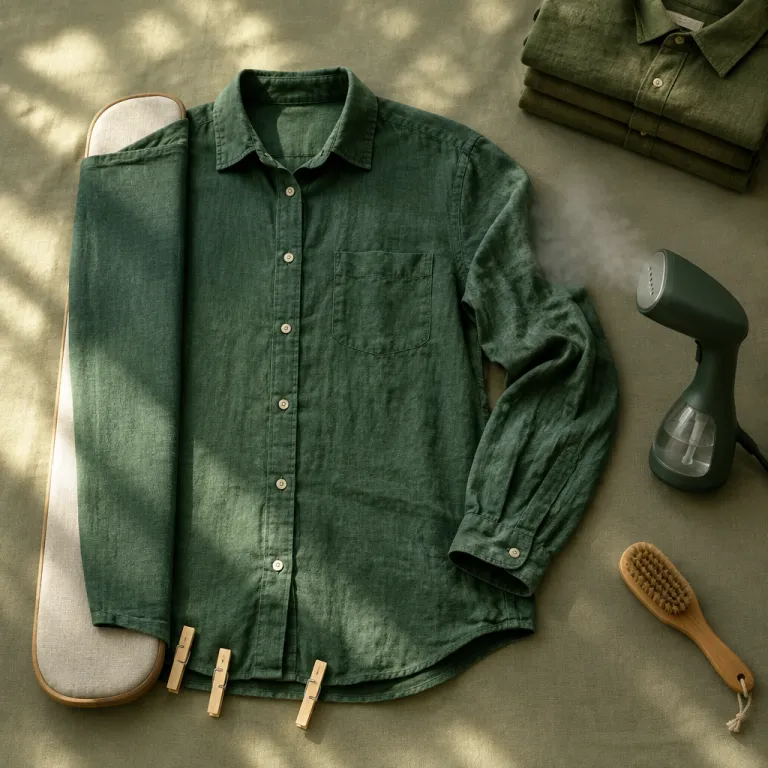
Maintenance habits also influence how your shirts age and perform. Wash linen shirts on a gentle cycle, avoid aggressive tumble drying, and press them while slightly damp to preserve the textured yet refined surface. When you care for each dress shirt properly, the fabric softens gracefully, the collar retains its shape, and your entire rotation of linen long sleeve and short sleeve pieces continues to support a polished, fashion forward life.
Key figures on linen shirts and men’s dress shirt habits
- According to the European Confederation of Flax and Hemp (CELC), global flax fiber production for linen increased by roughly 30% between 2010 and 2020, reflecting rising demand for breathable natural fabrics in menswear (see CELC, “European Flax® and Hemp: Key Figures 2020,” published 2021, at europeanflax.com).
- Grand View Research’s report “Linen Market Size, Share & Trends, 2022–2030” (published 2022, covering data for 2021) estimates that the global linen market exceeded 2.1 billion USD in 2021, with menswear shirts representing a significant and growing share of that value (grandviewresearch.com).
- A survey by Cotton Incorporated’s Lifestyle Monitor (2021) found that more than 60% of male respondents prefer natural fibers such as cotton and linen for warm weather dress shirts, citing comfort and breathability as primary reasons (see Cotton Incorporated, “Lifestyle Monitor™ Survey: Men’s Apparel Preferences 2021,” available via lifestylemonitor.cottoninc.com).
- McKinsey & Company’s “The State of Fashion 2022” report (published December 2021) notes that online sales now account for more than 20% of global apparel revenue, which has made digital checkout experiences and clear price transparency crucial for men buying dress shirts (mckinsey.com).
- Retail analytics from Edited’s “Menswear Discounting Report” (2021) show that sale periods for men’s shirts have become longer and more frequent, encouraging strategic shoppers to wait for promotions on premium linen shirts rather than paying full regular price (summary available at edited.com).
FAQ about linen men’s long sleeve shirts and tailoring
How should a linen men’s long sleeve shirt fit when worn with a blazer ?
The shirt should skim the torso without pulling across the chest, with shoulder seams ending exactly at the shoulder bone and the long sleeve showing about 1 to 1.5 cm of cuff beyond the blazer sleeve. A standard or slim fit works best for most men, depending on build. Excess fabric pooling at the waist or biceps usually means the shirt is too relaxed for tailored outfits.
Is a cotton linen blend better than pure linen for dress shirts ?
A cotton–linen blend often behaves more like a traditional cotton dress shirt, with slightly less creasing and a smoother surface, which many men prefer for office environments. Pure linen offers superior breathability and a more textured look, but it wrinkles more easily. For business settings, many fashion conscious men choose cotton–linen for core dress shirts and reserve pure linen shirts for more relaxed occasions.
Can a linen long sleeve shirt be worn with a tie and formal suit ?
Yes, a well constructed linen men’s shirt long sleeve with a structured collar can work with a tie and a lightweight suit, especially in warm climates. Choose a semi spread collar in a fine linen or linen–cotton fabric, and keep colors classic such as white or pale blue. Avoid overly relaxed or heavily textured weaves when the dress code is strictly formal.
How many linen shirts does a tailored wardrobe need ?
For men who wear tailoring regularly, three to five linen shirts usually cover most warm weather needs. Start with two classic dress shirts in white and light blue, then add one or two textured or colored linen shirts for more relaxed outfits. As your lifestyle or climate demands, you can expand the rotation with additional long sleeve or occasional short sleeve options.
What is the best way to care for linen shirts to keep them sharp ?
Wash linen shirts on a gentle cycle with mild detergent, avoid high heat in the dryer, and press them while still slightly damp to smooth the textured surface. Hang shirts on wide wooden hangers to preserve the collar and shoulder shape. Proper care extends the life of both regular price and sale price shirts and keeps them looking refined with tailoring.