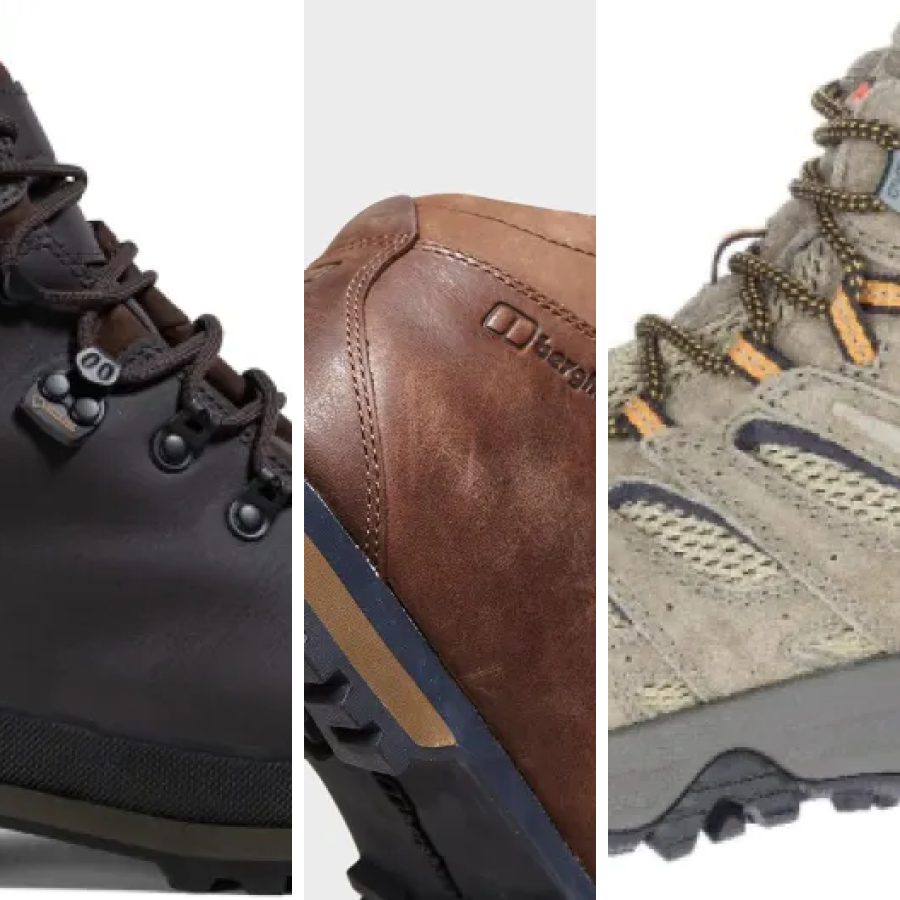
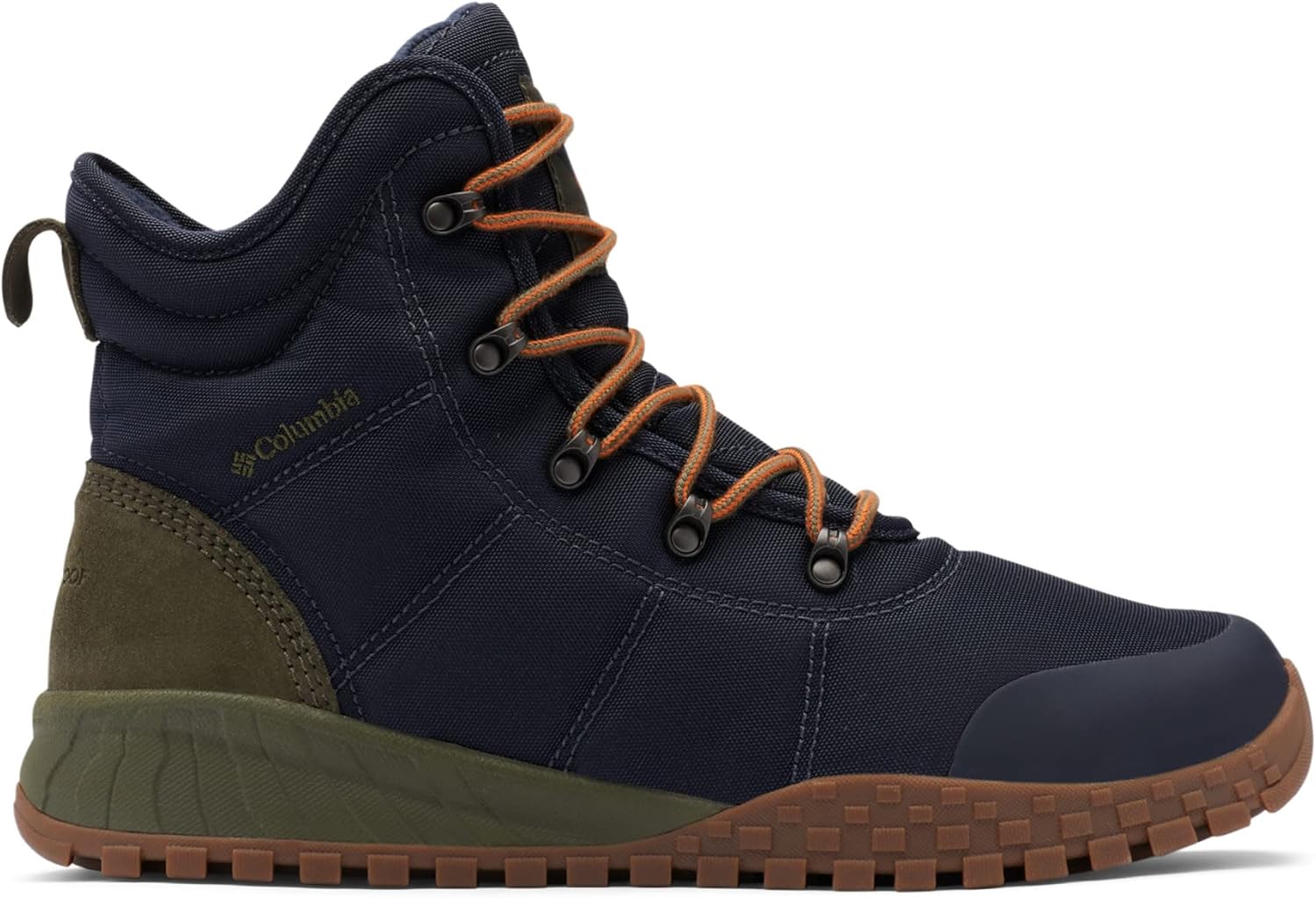
Key design elements that define a stylish performance hiking boot
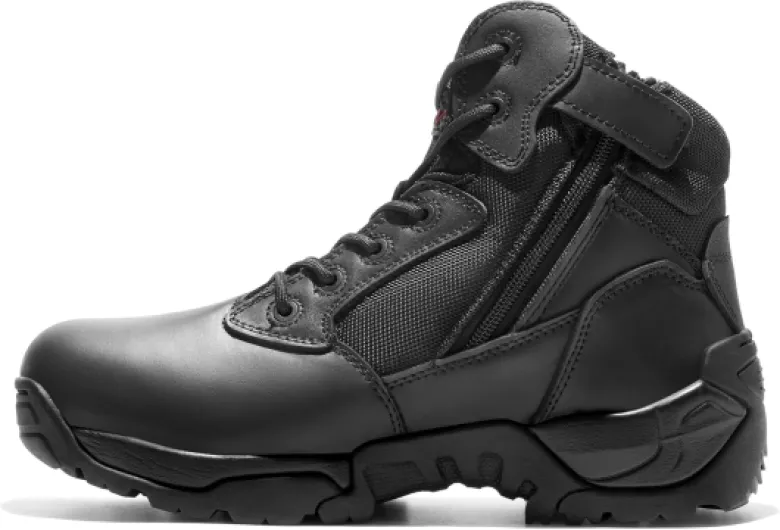
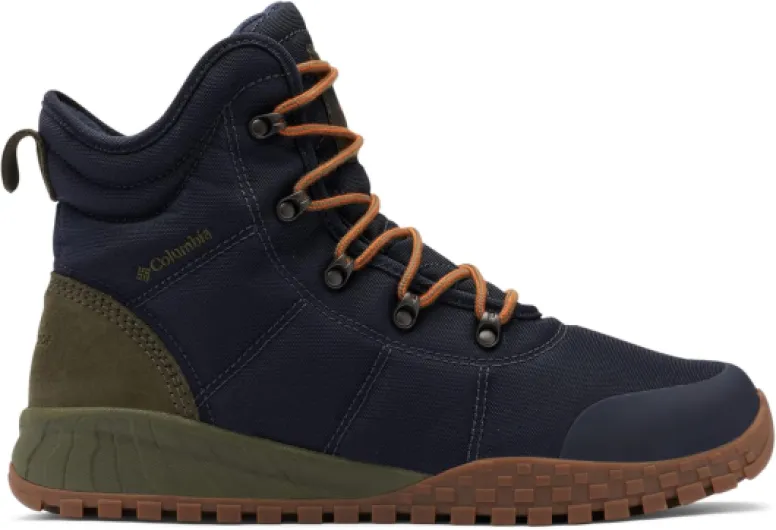
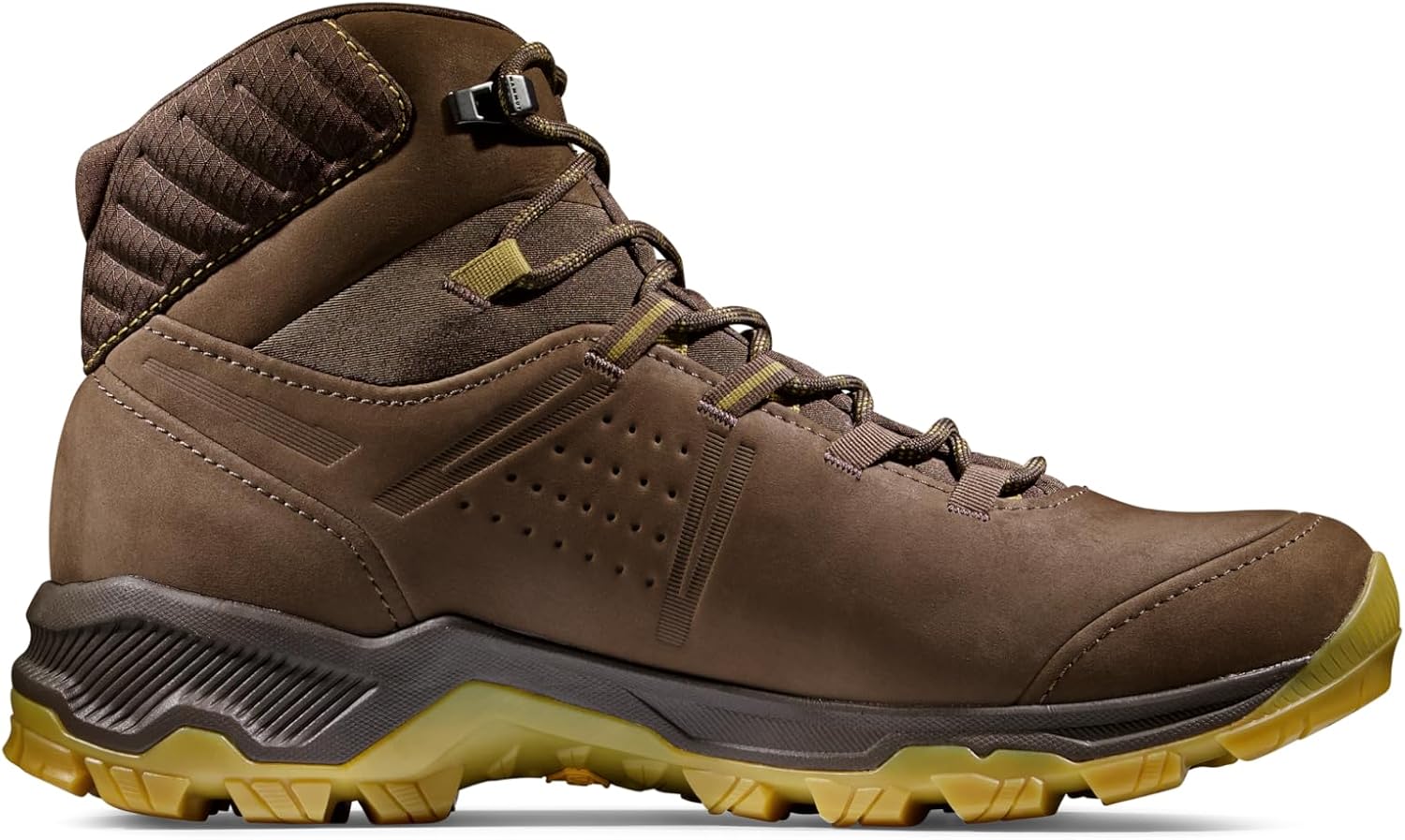
Design starts with silhouette, and the mid cut boot remains the sweet spot for most fashion conscious men. A mid profile hiking boot gives enough ankle support for uneven terrain while keeping proportions sleek enough to pair with tapered hiking pants or cropped technical trousers. The best hiking boots in this category often use mixed materials, combining leather with mesh panels and subtle tex membranes for breathability.
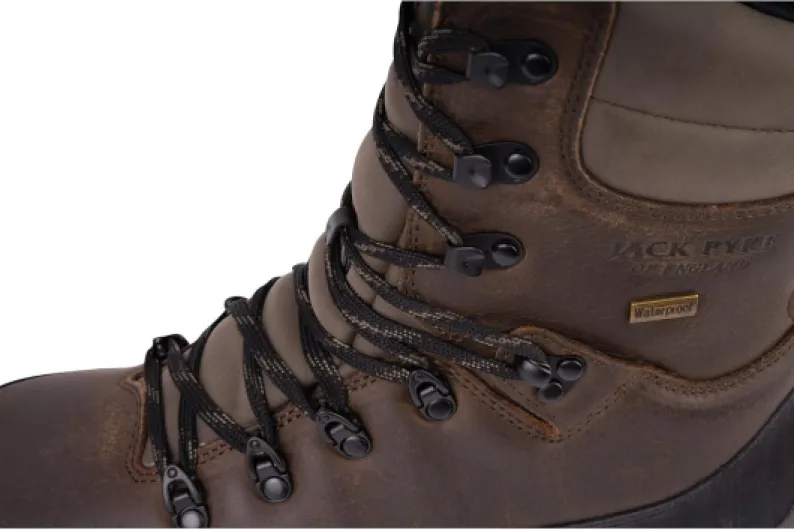
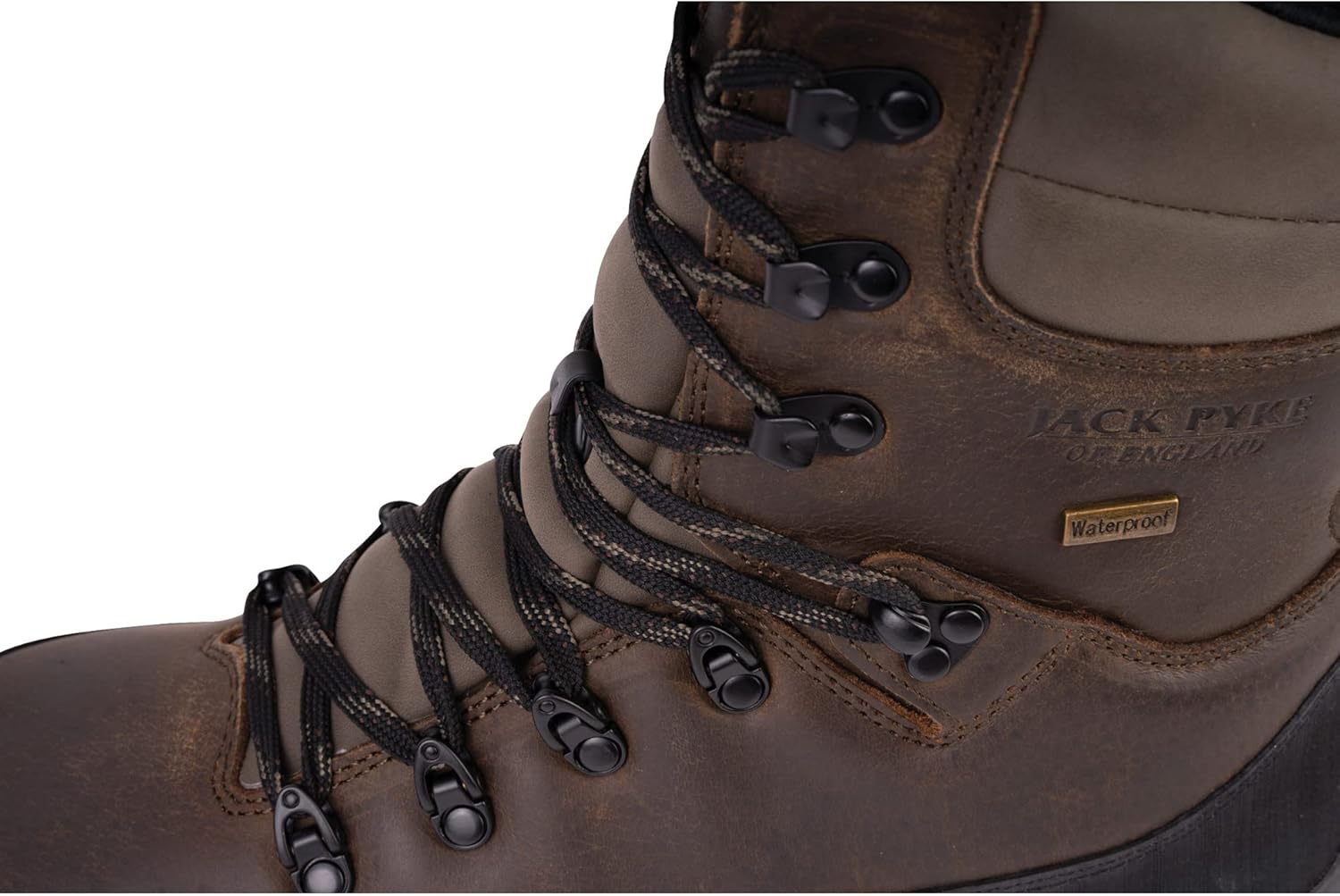
Look closely at details such as lace hardware, toe shape, and collar padding when you compare boots men might wear from city to trail. A clean round toe, low bulk tongue, and sculpted mid waterproof collar create a more modern line than overly aggressive mountaineering styles. If you enjoy elevated sporty footwear, you will appreciate how models like Salomon Quest or Salomon Ultra echo the design precision seen in high end basketball footwear for style focused men.
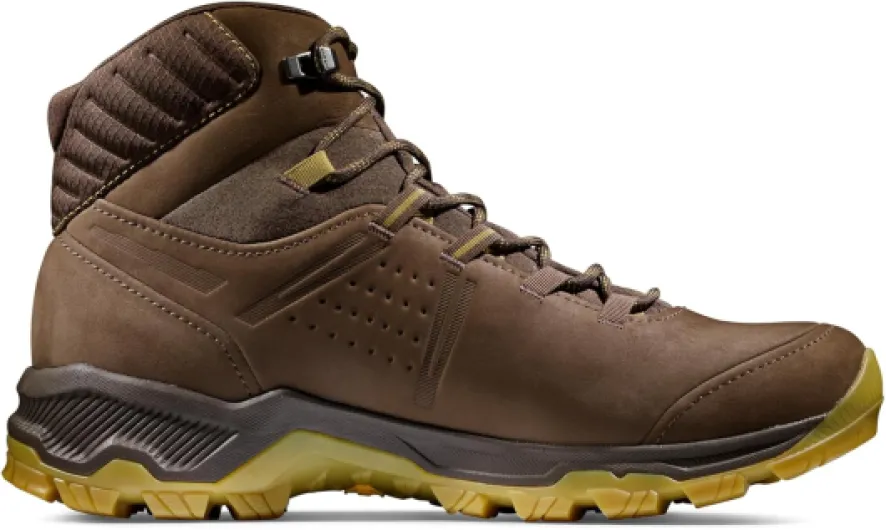
Color also matters, especially for men hiking who want versatility from one weight pair of boots. Earth tones such as sand, olive, and slate grey hide dust while pairing easily with technical outerwear and knitwear. For bolder dressers, contrast midsoles or subtle color pops on gtx or Gore Tex logos can reference sneaker culture without overwhelming the overall hiking boots aesthetic.
Technical fabrics, waterproofing, and how they shape your look
Modern hiking relies heavily on membranes, and Gore Tex remains the benchmark for reliable waterproof performance. A boot with Gore Tex or similar tex technology keeps feet dry on wet trail sections while allowing sweat to escape during fast day hikes. For fashion men, the trick is choosing a mid gtx or Kaha GTX model where the membrane is integrated cleanly, avoiding bulky overlays that disrupt the boot’s lines.
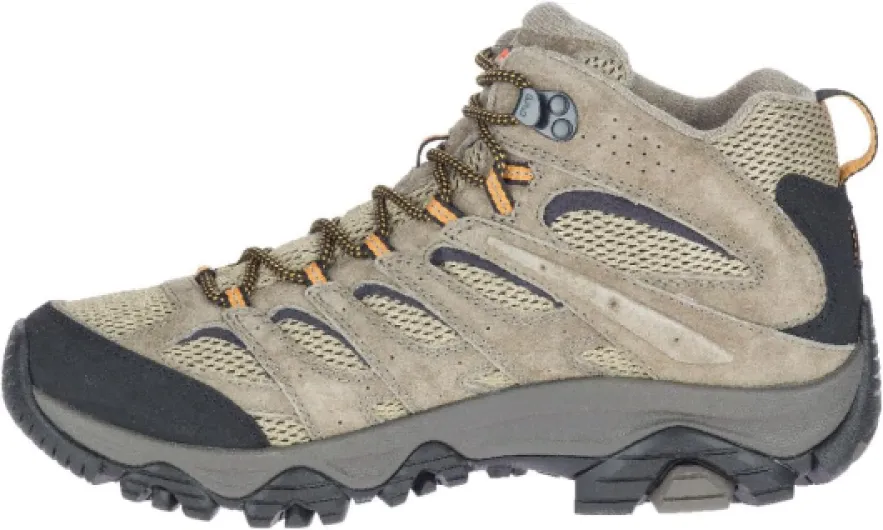
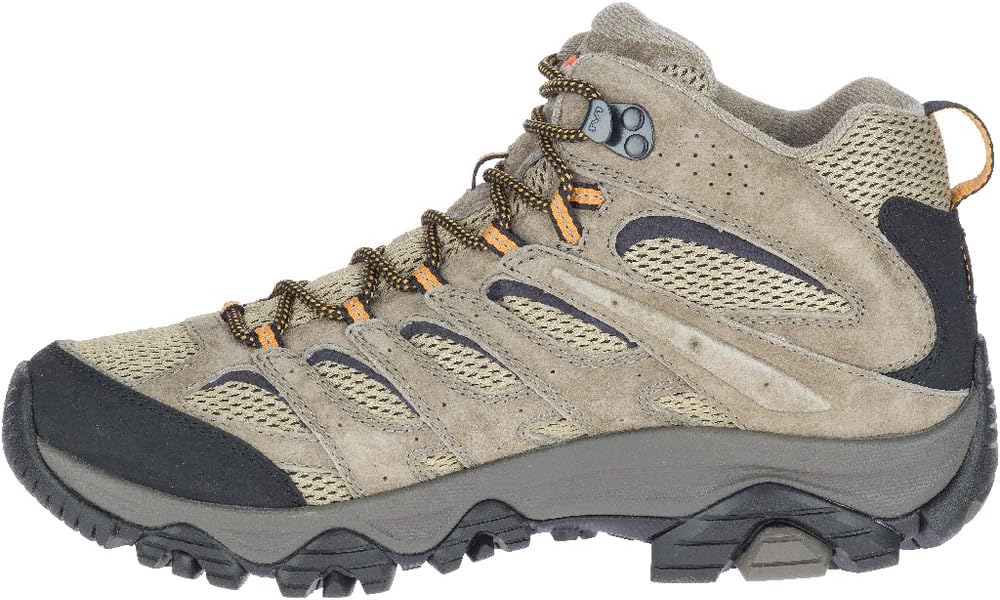
Waterproof construction influences not only comfort but also how your boots age and patinate over time. Full grain leather hiking boots with a waterproof lining develop character with each backpacking trip, while synthetic uppers on models like Salomon Ultra or Merrell Moab maintain a crisp, technical look longer. When you check product specs, pay attention to whether the boot is fully waterproof, water resistant, or marketed as mid waterproof, because each level affects both function and styling options.
Weight per pair is another crucial factor, especially if you want your hiking boot to feel as nimble as a premium running shoe. Lighter boots men choose for mixed city and trail use often rely on fabric and welded overlays rather than heavy leather panels. If you already invest in performance sneakers, explore guides on selecting the perfect pair of running shoes and apply similar thinking to cushioning, flex, and overall ride when you evaluate the best hiking boots.
Fit, comfort, and the break in period for fashion conscious hikers
Even the best hiking boots fail if the fit is wrong, no matter how sharp they look. Men hiking should prioritise a secure heel, enough toe room for descents, and a collar that hugs the ankle without biting into the Achilles. A proper break in period is essential for leather models, while synthetic boots like Merrell Moab or certain Salomon designs often feel comfortable almost straight from the box.
Pay attention to regular wide sizing options, especially if you have broader forefeet or plan to wear thicker socks. Many brands now offer hiking boot silhouettes in both standard and wide lasts, allowing fashion men to maintain a slim visual profile without crushing their toes. When you read size charts, check internal length, volume, and any notes about mid fit or mid gtx versions that may wrap the foot differently.
Women hiking and men hiking share similar biomechanical needs, yet brand lasts often differ subtly between genders. If you have a narrower heel or lower volume foot, you might even find certain women hiking boots provide a better locked in feel. Whatever your choice, prioritise ankle support, underfoot stability, and a comfortable break in period so your boots men admire on the street also perform flawlessly on demanding terrain.
Iconic models that blend fashion credibility with trail performance
Some hiking boots have become style icons because they bridge outdoor credibility and urban appeal. The Salomon Quest series, for example, offers serious backpacking support and stability while its sculpted chassis and bold branding resonate with streetwear aesthetics. Salomon Ultra models push this further with lighter weight per pair and sleeker lines, making them ideal for men hiking who move between city and trail in a single day.
For those who prefer a more cushioned ride, the Hoka Kaha and Kaha GTX boots deliver maximalist midsoles that feel closer to performance sneakers. Their exaggerated foam platforms and rocker geometry create a distinctive silhouette that pairs surprisingly well with cropped technical pants and oversized outerwear. If you want a subtler look, Merrell Moab boots men choose for everyday hiking offer a lower profile design while still providing reliable grip and mid waterproof protection.
La Sportiva models aimed at the sportiva hike segment bring a more alpine inspired edge, with precise fits and aggressive outsoles for steep terrain. These boots suit fashion men who appreciate a sharper, more technical aesthetic and are comfortable styling them with slim cargos or mountaineering influenced layers. When you evaluate these options, always check how each hiking boot aligns with your wardrobe, your typical terrain, and your expectations for long term backpacking performance.
Styling strategies to integrate hiking boots into a fashion forward wardrobe
Once you have identified the best hiking boots for your needs, the next step is styling them with intention. Start with proportions, pairing a mid cut boot with tapered or straight leg trousers that break just above the collar to showcase the silhouette. Avoid excessive stacking, because clean lines around the ankle support area keep the look sharp and highlight the boot’s design.
Color coordination matters when you move from trail to café or office. Neutral leather or textile uppers in black, taupe, or charcoal work seamlessly with tailored outerwear, while bolder Salomon or Hoka Kaha colorways can anchor more experimental streetwear outfits. For a refined off duty look, combine your hiking boots with a premium knit and a piece like a cashmere zip hoodie that elevates technical footwear into a sophisticated ensemble.
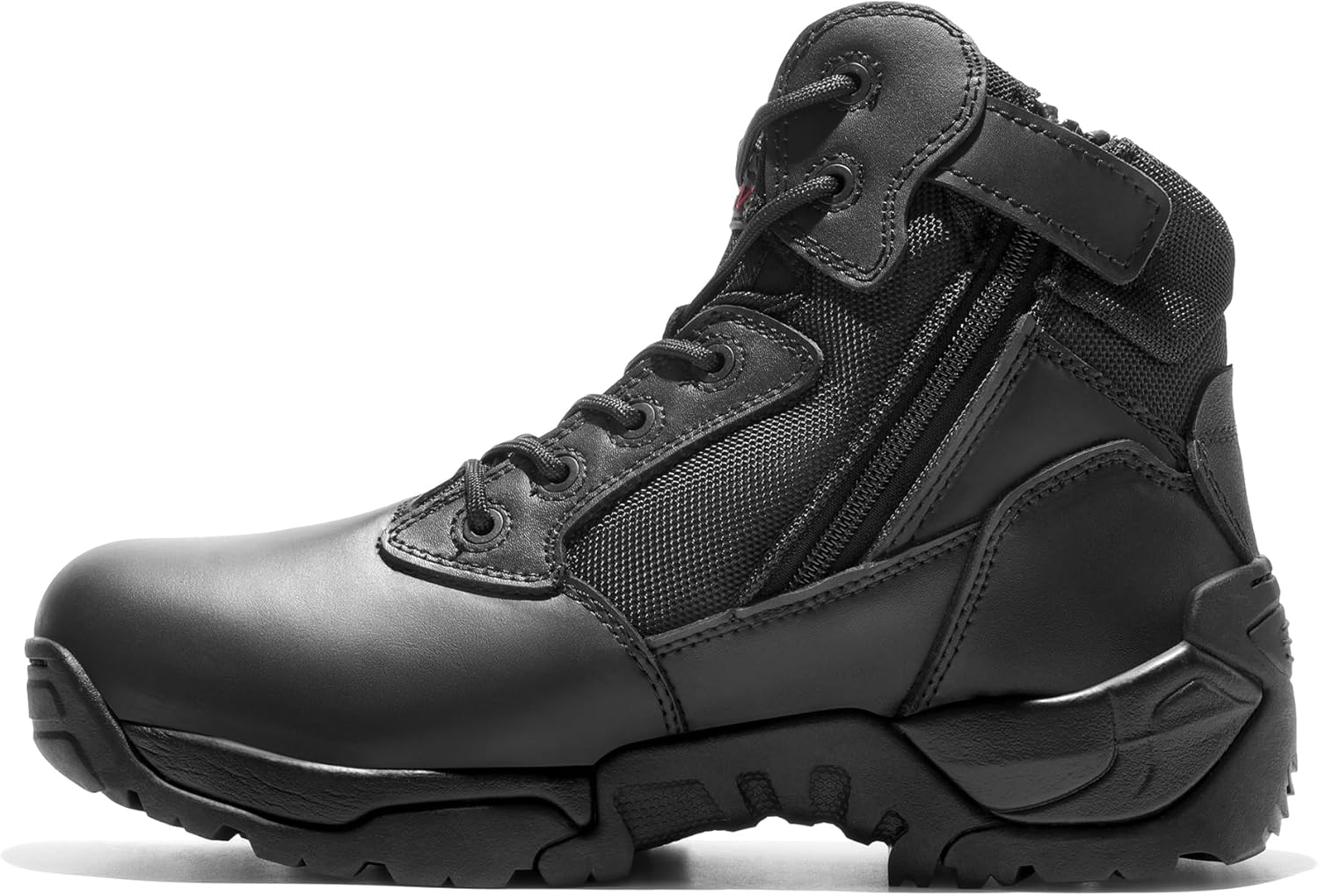
Think about context as much as terrain when you choose which boots men should wear for specific occasions. A rugged backpacking model with pronounced lugs suits mountain trails but may overpower minimalist city outfits, whereas a sleeker mid gtx or mid waterproof design transitions more gracefully. By curating two or three pairs of hiking boots with different levels of technicality, you can cover everything from demanding day hikes to urban weekends without compromising either performance or style.
Key figures every style conscious hiker should know
Industry participation reports from organisations such as the Outdoor Industry Association show that hiking has grown significantly in recent years, which has pushed brands to release dozens of new hiking boot models annually to meet both performance and style demands.
Technical documentation from membrane manufacturers including Gore explains that waterproof ratings expressed in millimetres (for example, 28 000 millimetres) describe the water column pressure a fabric laminate can resist before leaking, which helps clarify why Gore Tex and similar tex technologies dominate the waterproof hiking boots segment.
Independent product testing by major outdoor retailers indicates that a typical mid cut hiking boot for backpacking weighs roughly 900 to 1200 grams per weight pair, while lightweight day hike models can drop below 800 grams without sacrificing basic ankle support.
Consumer surveys from large footwear retailers also suggest that a substantial share of men hiking now use their boots both on trail and in urban environments, which reinforces the importance of design, color, and material choices for fashion oriented buyers.
Field feedback collected by brands such as Salomon and Merrell further indicates that a gradual break in period of around 10 to 20 hours of walking can reduce hotspot complaints, especially for leather backpacking boots with stiffer midsoles.