
Summary
Editor's rating
Price vs performance: is it worth your money?
Looks, fit, and small details that matter on the slopes
Warmth, fit and how it feels during a full ski day
Fabric, waterproofing and what it actually feels like
Build quality and how it holds up after real use
Real-world performance: warmth, weather, and features on the slopes
What you actually get for the price
Pros
- Very warm and reliably waterproof for typical ski and winter conditions (10k waterproof, taped seams)
- Good set of practical features: detachable hood and snow skirt, inner cuffs, RECCO reflector, plenty of pockets
- Strong value for money compared to big-name ski jackets with similar basic performance
Cons
- Hood doesn’t tighten as much as it should in strong wind or over a helmet
- Breathability is only mid-range (can feel warm on milder days or high-intensity runs)
- Finish and materials feel less premium than higher-end ski brands

Specifications
View full product page →| Brand | Mountain Warehouse |
Solid budget ski jacket that actually keeps you warm and dry
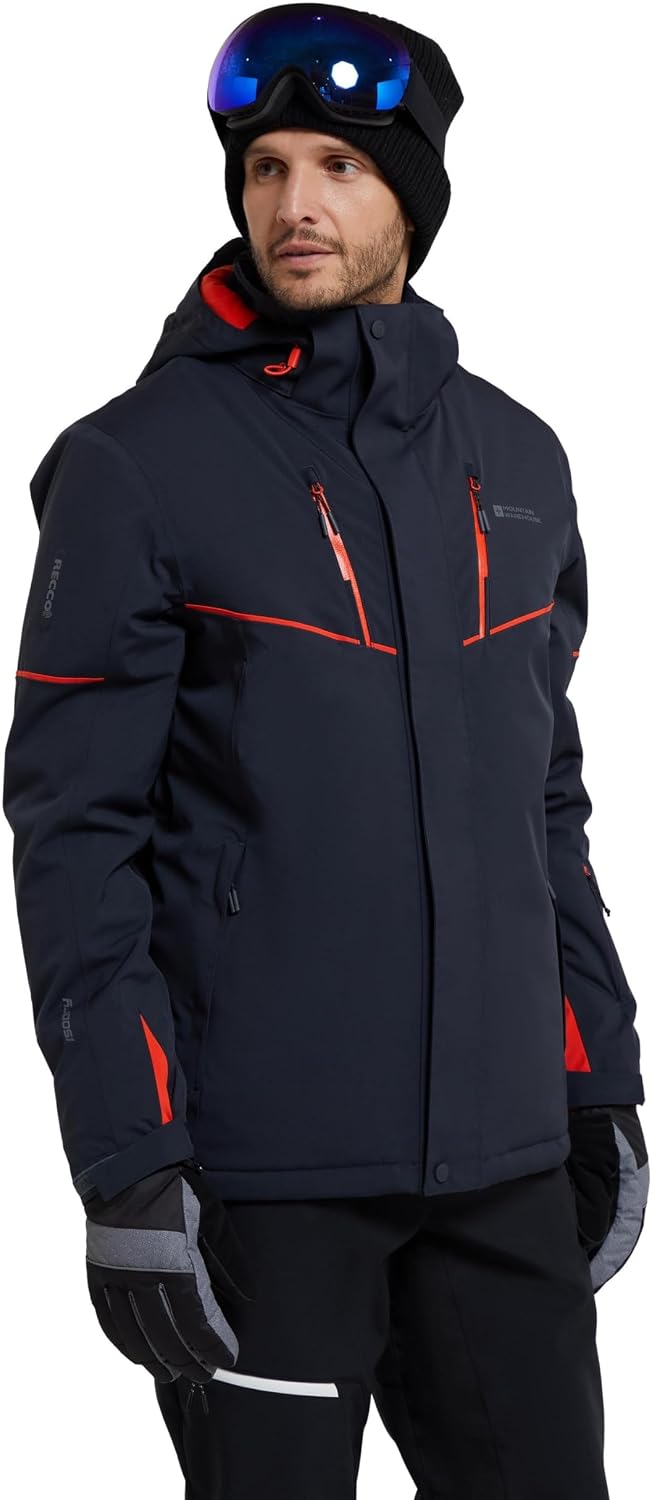
I took the Mountain Warehouse Galactic Extreme Mens Ski Jacket (grey, size S) on a week-long ski trip and also used it a few times back home in cold, wet weather. I’m not a pro skier, just a regular guy who hates being cold and soaked. I usually wear bigger brand jackets (Salomon/Columbia level), so I was curious if this cheaper option would feel like a downgrade. Short version: it’s not perfect, but it keeps you warm and dry, which is the main thing.
On the slopes, temperatures were roughly between -8°C and +2°C with a mix of snow, wet snow and some light rain lower down. I wore a thermal base layer and a mid-layer fleece most days. With that setup, I never felt cold standing in lift queues or sitting on chairlifts. On warmer afternoons I actually had to open the vents and unzip a bit because it traps heat quite well. So the whole “tested to -35°C / -40°C” marketing is probably optimistic for real life, but the warmth is still pretty solid for normal European ski trips.
In terms of waterproofing, the 10,000 mm rating and taped seams seem legit. I had one really wet, heavy snow day where cheaper jackets usually start to soak through at the shoulders and cuffs. This one stayed dry inside, even after a few falls. The outer fabric does start to look a bit wet after a while, but I never felt moisture coming through to my mid-layer. So from a practical point of view, it gets the job done in bad weather.
It’s not the lightest or most technical jacket I’ve worn, and you can tell it’s not from a premium brand when you look at some details (zip feel, lining, general finish). But for the price, it’s hard to complain too much. If you want a no-drama jacket that works for skiing, snowboarding, or just grim winter days in town, this one is a decent option. Just don’t expect luxury-level materials or ultra-precise fit.
Price vs performance: is it worth your money?
In terms of value for money, this is where the Galactic Extreme makes the most sense. You’re getting proper ski-jacket features – 10k waterproofing, taped seams, snow skirt, inner cuffs, RECCO reflector, decent insulation – at a price that’s usually a fraction of what big ski brands charge. One Amazon reviewer mentioned that everyone around them had big-name jackets and this one did the same job at about a third of the price. I’d agree with that. If you strip away the branding, in real use it doesn’t feel massively behind for normal resort skiing.
Of course, there are compromises. The finish and small details are not at the level of premium brands. The hood adjustment could be better, the breathability is mid-range, and the overall feel is more “practical” than “premium”. If you’re very picky about fit, ultra-light weight, or advanced fabrics, you’ll notice the difference. But then you’re also the type of person who might be ready to spend two or three times more for those extras.
For someone who skis once a year or needs a reliable winter coat for cold, wet conditions, this jacket hits a good sweet spot. It’s warm enough that you don’t need a ton of extra layers, waterproof enough for heavy snow and rain, and has enough pockets and features to feel like proper ski gear. At the same time, you’re not sinking a huge amount of money into something that sits in the closet most of the year. That’s where it shines.
If I compare it to cheaper no-name jackets I’ve tried in the past, this one is clearly a step up in waterproofing and general feel. Compared to big-brand jackets, it’s a step down in finesse but much kinder on your wallet. So overall, value is strong, especially if you catch it on sale. You’re basically paying for function, not brand image, and in this case, that’s a good trade.
Looks, fit, and small details that matter on the slopes
Design-wise, this is a straightforward ski jacket. The grey color I tried is neutral and easy to pair with any trousers, but it’s not super flashy. If you like bright colors or big logos, this one will feel a bit plain. Personally, I liked the low-key look – I don’t need to look like a walking billboard on the mountain. The cut is slightly boxy, which gives you room to move and layer up, but it doesn’t look like a giant sack either.
The hood is detachable and adjustable with elastic drawcords. It fits over a ski helmet, but it’s not the most snug helmet-compatible hood I’ve used. One Amazon reviewer mentioned they wished they could pull the hood tighter, and I agree. You can cinch it a bit, but in strong wind, it doesn’t hug the helmet as securely as higher-end jackets. It’s fine for normal conditions, but if you ski in very windy resorts, you’ll probably notice this limitation. Still, being able to remove the hood is handy if you prefer skiing with just a helmet.
The snow skirt is also detachable, which I actually like a lot. On ski days, I keep it on and it does its job: it stopped snow getting up my back when I fell. On non-ski days, I took it off because it just gets in the way when you’re wearing the jacket around town. The inner cuffs with thumbholes are comfortable and help seal out drafts. They’re made from stretch fabric, so they sit nicely under gloves and don’t dig into your wrists. Little detail, but you feel it after a full day.
In terms of style, it’s nothing special but it’s clean. No weird shiny panels, no over-the-top branding. Stitching is mostly tidy, though if you look closely you can tell it’s not a premium piece – some seams aren’t perfectly straight and the zip pulls feel a bit cheap. But that’s cosmetic. Functionally, the design choices are sensible: enough pockets, detachable bits, and a cut that doesn’t restrict movement. If you care more about performance than Instagram photos, the design does the job.
Warmth, fit and how it feels during a full ski day
In terms of warmth, this jacket is pretty solid. I used a simple setup: merino base layer + light fleece + this jacket. At around -5°C with wind on chairlifts, I was comfortable, not shivering. When I was actually skiing, I sometimes opened the front zip or vents because it holds heat well. The brand talks about lab tests to -35°C or -40°C – in real life, I wouldn’t go that far without serious layering, but for typical European winter conditions, the insulation is more than enough for most people.
The fit in size S on me (average build, about 1.75 m) was slightly generous. Enough room in the chest and shoulders for layers without feeling stuffed. The length is standard – it covers the lower back when you sit on lifts, which is important. The sleeves are a bit on the long side, but the inner cuffs and adjustable outer cuffs keep them in place, so it’s not a problem. If you like a slim, fitted style, this might feel a bit boxy. If you care more about comfort and movement, you’ll probably like it.
Mobility is good. I never felt restricted bending down to adjust boots or when pole planting. The slight elastane content helps a bit. The lining slides easily over base layers, so you don’t get that annoying feeling of fabric catching on your sleeves. The collar comes up high enough to block wind when the hood is off, which I appreciated on lifts. The only mild annoyance is the hood adjustment: as others mention, you can’t cinch it super tight, so in strong wind it flaps a bit unless you’re wearing a helmet that fills it out.
Overall comfort is good for long days. I wore it 8–9 hours straight on the mountain and then straight into the bar afterwards. No rubbing on the neck, no weird pressure points from seams, and it never felt excessively heavy. It’s not as light and airy as high-end shells, but for a warm, insulated jacket, it’s perfectly fine. If your priority is staying warm and not fussing with layers, this jacket is comfortable enough to forget about once you’re on the slopes.
Fabric, waterproofing and what it actually feels like
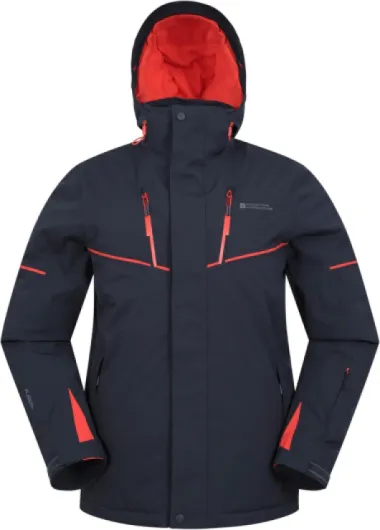
The jacket is made from 93% polyester and 7% elastane with a polyester lining. In practice, that means the outer fabric feels like a standard ski shell with a slight bit of stretch. It’s not as stretchy as some high-end softshell hybrids, but there is a little give when you move your arms or twist your torso, which helps when you’re strapping bindings or reaching for poles. The inner lining is smooth polyester, not fleece. The warmth comes more from the insulation and trapping air than from a thick fluffy lining.
The 10,000 mm waterproof rating and fully taped seams are the key points here. On a really wet snow day, I deliberately didn’t baby it: I sat on wet chairlift seats, leaned on snow-covered barriers, and had a few falls. By late afternoon, the outer fabric looked soaked in places, but inside I was still dry. No damp patches at the shoulders or elbows, which are usually the first to fail on cheaper jackets. The DWR (water-repellent coating) is decent out of the box, but like with any jacket, you’ll need to re-proof it after a season or so, especially if you follow the care instructions and actually wash it.
Breathability is rated at 5,000 g, which is middle-of-the-road. On cold days, this is fine. I never felt clammy. On milder afternoons or when I was working harder (moguls, short hikes), I did start to feel a bit warm. Opening the pit/side vents and front zip fixed it, but if you’re someone who runs hot or does a lot of touring, you’ll probably want something more breathable. For regular resort skiing and general winter use, it’s acceptable.
Long-term, I’d say the materials feel sturdy enough but not bombproof. After a week, there were no tears or obvious wear, even after brushing against trees and sitting on icy chairs. The fabric doesn’t feel as tough as some 3-layer shells I’ve used, but those cost a lot more. This feels like a fair compromise: durable enough for normal use, but if you’re skiing 50+ days a season, you might want something more heavy-duty. For casual or one-trip-a-year skiers, the materials are more than adequate.
Build quality and how it holds up after real use
Durability-wise, I obviously haven’t put it through years of abuse yet, but after a full ski week plus some nasty winter days at home, it’s holding up well. No loose seams, no popped stitching, and the zips still run smoothly. The outer fabric doesn’t show any scuffs from carrying skis on my shoulder or brushing against trees. For a mid-priced jacket, that’s reassuring. It doesn’t feel bombproof like some heavy-duty shells, but it also doesn’t feel fragile.
The inner lining and cuffs are usually the first places where cheaper jackets start to look tired. On this one, the inner cuffs are still tight and not stretched out. The lining hasn’t snagged on belt buckles or zips from mid-layers yet. I did notice a couple of small loose threads inside near one of the seams, but nothing serious – more cosmetic than structural. If you’re picky about perfect stitching, you’ll see small imperfections, but nothing that affects how it works.
Cleaning and care seem straightforward. I followed the care label once after the trip: 30°C gentle wash, no softener, low tumble dry. It came out fine, no shrinkage, no damage to the waterproofing that I could notice. Obviously, the DWR will need re-proofing over time, like any waterproof jacket. The brand even mentions washing and re-proofing at least every six months if you use it a lot. That’s normal maintenance, not a red flag.
My gut feeling: for casual to moderate use (a week or two of skiing a year + winter wear), it should last several seasons without a problem. If you’re a ski instructor or someone who lives on the mountain all winter, you’ll probably wear through it faster than a premium shell, but that’s expected at this price. For the average user, the durability is good enough that you don’t feel like you bought a disposable jacket. Just don’t abuse it like rental gear and it should be fine.
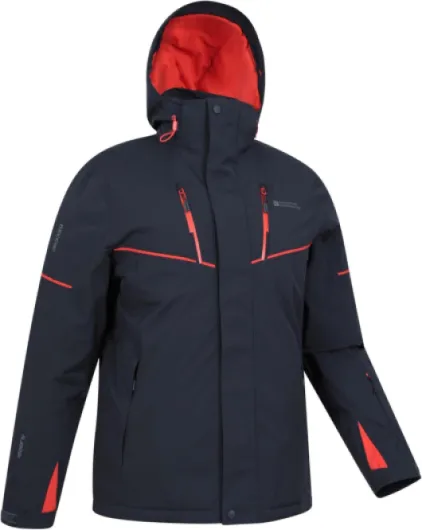
Real-world performance: warmth, weather, and features on the slopes
On the performance side, this jacket does exactly what you need for resort skiing and general winter use. In cold, windy conditions, the combination of insulation, inner cuffs, and a decent collar kept the drafts out. I never had that feeling of wind cutting through the fabric, even on fast runs or chairlifts. The detachable snow skirt worked well – after a couple of falls in powder, I checked under the jacket and there was no snow creeping up my back, which is usually where cheaper jackets fail.
Waterproofing performance was solid. That one day of heavy, wet snow and some rain lower down was a good test. The outer shell got visibly wet, but my mid-layer stayed dry. The taped seams clearly help, especially around the shoulders and hood area. I didn’t baby it: I sat on wet chairs, leaned against snowbanks, and carried skis on my shoulder. No leaks. For a jacket in this price range, that’s pretty good. Breathability is decent but not impressive – you’ll want to use the zips and vents if you’re really active.
Feature-wise, the pockets are genuinely useful. I kept my phone, wallet, spare glove liners, and snacks in them without feeling lopsided. The ski pass pocket on the sleeve worked fine with RFID gates. One thing I noticed: when all the pockets are loaded, the jacket does feel a little bulkier, but that’s normal. The RECCO reflector is a nice safety bonus, though I wouldn’t treat it as a replacement for proper avalanche gear if you go off-piste. For standard resort skiing, it’s just an extra layer of security that doesn’t get in the way.
Overall, the performance is reliable, not flashy. It keeps you warm, keeps you dry, and has all the basics: hood, snow skirt, inner cuffs, enough pockets. If you’re into ski touring, long hikes, or very high-intensity activities, you might find it a bit warm and not breathable enough. But for the typical skier or snowboarder spending a week in the Alps or similar, it handles the job without drama. That’s really what I want from a jacket: put it on, forget about it, and focus on not crashing.
What you actually get for the price
On paper, the Galactic Extreme packs in quite a lot: 10,000 mm waterproof rating, 5,000 g breathability, taped seams, detachable hood, detachable snow skirt, inner cuffs, a RECCO reflector, and a bunch of pockets. The size S I tried is listed as a modern fit, and I’d say that’s accurate – not super slim, not baggy, just a standard ski jacket cut with enough room for layers. It weighs about 1 kg, so not ultralight, but not a brick either.
The pocket layout is pretty practical. You get two zipped chest pockets, two zipped hand pockets, and a ski pass pocket on the sleeve. Inside, there’s enough space to stash a phone, wallet, and a snack without feeling like the jacket is stuffed. Compared to more expensive jackets I’ve used, the pocket count and placement are similar, which is nice. Zips are basic but they didn’t jam on me during the week, even with gloves on, which is already a win at this price point.
One thing I noticed quickly is that the fit is slightly generous, which matches what some Amazon reviews say. I’m usually between S and M depending on the brand, and the S here still had room for a fleece and base layer without feeling tight. If you’re between sizes or prefer a closer fit, going one size down is worth considering. I’d just be careful if you have broad shoulders or a big chest; in that case, stick to your normal size.
Overall, the presentation is “functional first”. There’s nothing fancy in the packaging, just the jacket, some tags explaining the waterproofing and care instructions, and that’s it. It feels like a practical piece of kit, not a fashion item. And to be honest, for skiing that’s what I care about: does it keep me warm, dry, and does it have decent pockets? On that front, the spec sheet matches reality pretty well.
Pros
- Very warm and reliably waterproof for typical ski and winter conditions (10k waterproof, taped seams)
- Good set of practical features: detachable hood and snow skirt, inner cuffs, RECCO reflector, plenty of pockets
- Strong value for money compared to big-name ski jackets with similar basic performance
Cons
- Hood doesn’t tighten as much as it should in strong wind or over a helmet
- Breathability is only mid-range (can feel warm on milder days or high-intensity runs)
- Finish and materials feel less premium than higher-end ski brands
Conclusion
Editor's rating
The Mountain Warehouse Galactic Extreme Mens Ski Jacket is a practical, warm, and genuinely waterproof option for normal skiers and anyone dealing with cold, wet winters. It doesn’t try to be fancy: the design is simple, the fit is slightly generous, and the materials feel solid but not high-end. On the slopes, it did what I needed – kept me warm in sub-zero temperatures, stayed dry in heavy wet snow and rain, and had enough pockets and features to make life easy. The detachable hood and snow skirt, inner cuffs, and RECCO reflector are nice touches that you don’t always get at this price.
It’s not perfect. The hood could tighten more securely in strong wind, breathability is only mid-level, and the overall finish is a bit less refined than premium brands. If you ski very often, run hot, or care a lot about ultra-light gear and perfect tailoring, you’ll probably want to spend more. But for the typical user who skis a week a year or just wants a solid winter jacket that doesn’t leak or leave them freezing, this one is good value and gets the job done without drama.
I’d recommend it to: casual skiers, snowboarders, and anyone needing a warm, waterproof winter coat on a budget. I’d say skip it if you’re a hardcore backcountry person, a heavy sweater who needs very high breathability, or if you’re extremely picky about fine details and brand image. For most people though, it’s a sensible, no-nonsense choice that feels fairly priced for what it delivers.