
Summary
Editor's rating
Is it worth the money? Depends what you compare it to
Simple design that leans more functional than stylish
Comfort in real use: good protection, a bit clammy when you push it
Gore‑Tex Paclite and recycled polyester: solid but with some trade-offs
Durability after regular abuse: decent, but don’t treat it like armor
Waterproof and windproof performance: where it shines (and where it doesn’t)
What this jacket actually is (and what it isn’t)
Pros
- Gore‑Tex Paclite shell is properly waterproof and windproof for real bad-weather use
- Lightweight and packs small, easy to carry in a bag or pack as an emergency shell
- Good hood and pit zips make it more usable in wind and during higher-effort activities
Cons
- Breathability is limited during intense activity; can feel clammy on bare skin
- Not ideal for long backpacking trips with heavy packs due to Paclite durability limits
- Design and features are pretty basic for the price; no insulation or internal pockets

Specifications
View full product page →| Brand | MARMOT |
A lightweight shell that actually keeps you dry
I’ve been using the Marmot Men’s Minimalist Waterproof Jacket in XL (colour Nori) as my main rain shell for a while now. I’ve worn it on dog walks, a few short hikes, and a bunch of grim, windy commutes on the bike. I’m not sponsored, I paid for it myself, and I’m not treating it like some precious mountaineering trophy – it gets stuffed in a backpack, tossed on the back seat of the car, the usual.
The big selling point here is pretty simple: it’s a Gore‑Tex Paclite shell that’s fairly light and packs small. No insulation, no fancy lining, just a waterproof and windproof outer layer. In theory that means it should be a good "do-it-all" rain jacket you can throw over whatever you’re wearing, from a T‑shirt to a puffy. That’s exactly how I’ve been using it: one day over a hoodie in town, another day over a fleece on a wet trail.
Out of the bag, the first impression was that it feels like a proper technical jacket, not a flimsy fashion raincoat. The fabric has that typical slightly crinkly Gore‑Tex feel, and the cut in XL is roomy without turning into a sail. I’m around 1.83 m and about 95 kg, and XL gives me enough space for a mid‑layer without feeling like a tent. If you want a trim, urban look, you might even size down, but then you lose layering room.
Overall, after a decent amount of wet and windy days, I’d say this jacket is pretty solid for what it is: a simple shell that focuses on staying dry and blocking wind. It’s not perfect – breathability has limits, Paclite can feel a bit clammy, and it’s not the best choice for heavy backpacking – but as a grab‑and‑go rain jacket for everyday use and shorter outdoor stuff, it gets the job done.
Is it worth the money? Depends what you compare it to
On value, I think the Marmot Minimalist sits in a pretty fair spot. You’re getting real Gore‑Tex, a known brand, and a jacket that actually works in bad weather. When it’s on sale (like some reviewers mentioning around £80–90), it’s honestly a good deal for a proper waterproof shell. At full retail, it’s more of a “think about it” purchase, but still reasonable compared to some Gore‑Tex jackets that cost a lot more and don’t do much extra for everyday users.
What you’re paying for here is mostly reliable waterproofing and versatility, not fancy features. There’s no insulation, no soft lining, no internal stash pockets or two‑way zip. You could argue that for the same money you might find a non‑Gore‑Tex jacket with more pockets or a nicer feel inside. That’s true, but from my experience, many of those cheaper membranes either leak sooner or feel like wearing a plastic bag. Here, at least you know what you’re getting, and the user reviews (4.4/5 on Amazon) line up with my experience: generally positive, with the main complaints being about breathability limits.
If you already own a good shell, this is probably not going to blow you away. If you’re coming from basic “water-resistant” high-street jackets, this will feel like a clear step up in actual weather protection. For day hikers, commuters, and people who just want one reliable rain jacket they can use for years, I’d say the value is good, especially if you catch it discounted. For serious multi‑day backpackers or people who run hot and want maximum breathability, I’d put the money towards a more technical 3‑layer shell or a lighter, more breathable alternative.
So, is it worth it? In my opinion: yes, if you want a simple, proven Gore‑Tex shell and you’re not expecting miracles. There are cheaper jackets, there are better-performing ones, but this one sits in a nice middle ground of quality, performance, and price that makes sense for a lot of everyday users.
Simple design that leans more functional than stylish
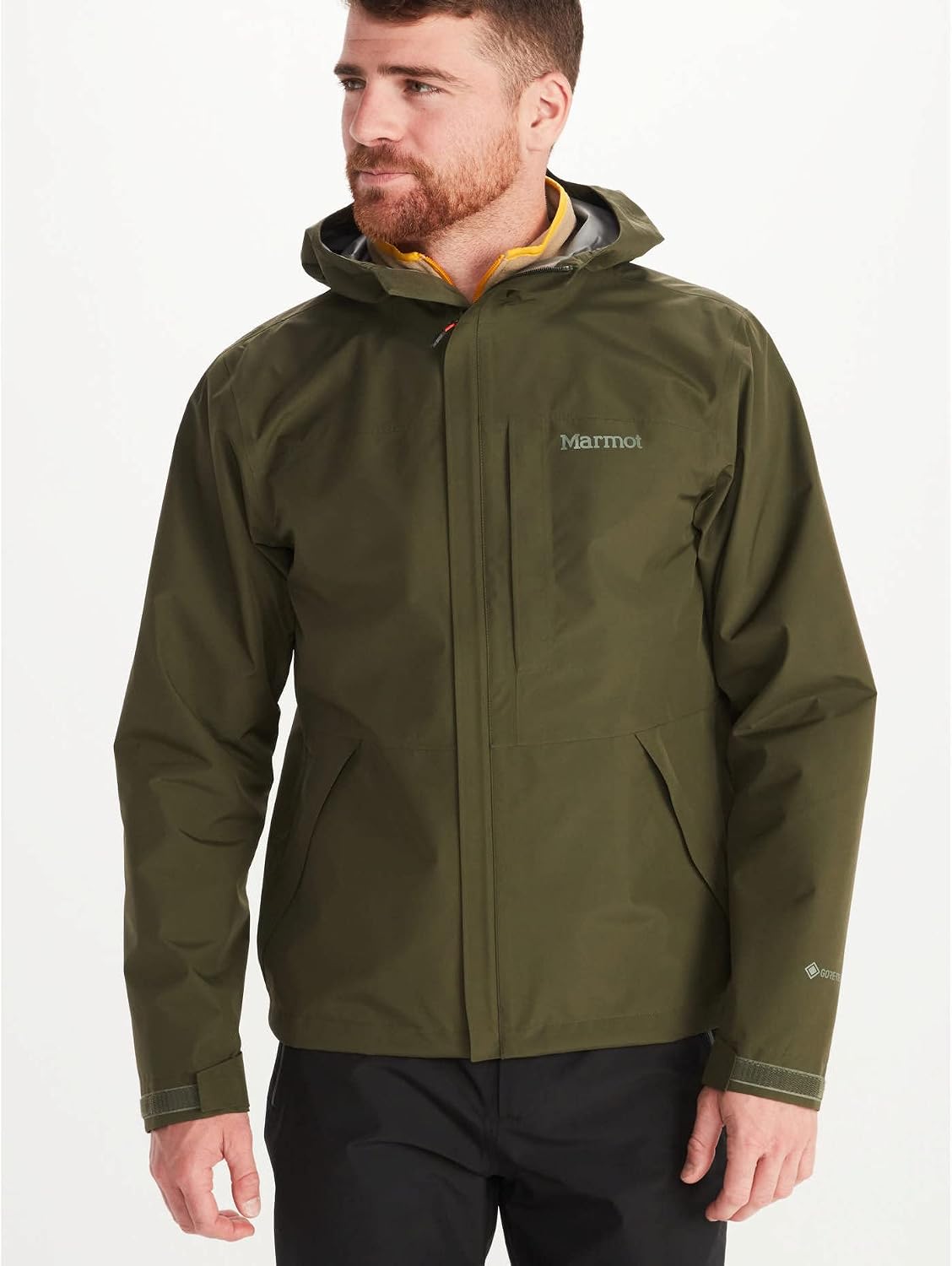
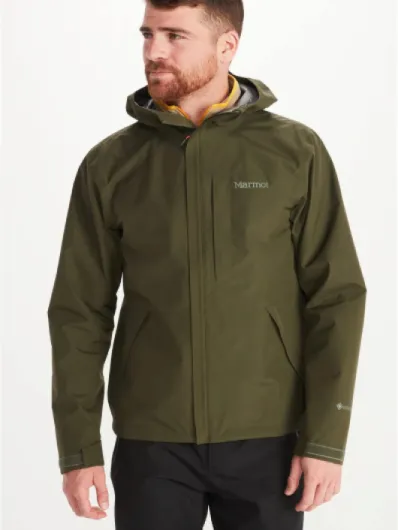
Design-wise, the Minimalist is pretty no‑nonsense. The Nori colour is basically a dark olive/green that doesn’t scream “technical gear,” which I like. I can wear it around town without looking like I’m on my way to climb a glacier. The branding is fairly low‑key too: small Marmot logo, nothing huge or shiny. If you want something that looks super urban and tailored, this probably won’t do it, but as a crossover between city and outdoors it’s fine.
The hood is one of the better parts of the design. It’s fully adjustable, has a high collar that comes up nicely over the chin, and it moves with your head pretty well when you turn. I’ve used it in strong wind and sideways rain, and I didn’t have that annoying feeling of the hood shifting and blocking my vision. It’s not some giant helmet-compatible alpinist hood, but for hiking, cycling, or walking the dog, it’s spot on.
The pocket layout is basic but practical. Two hand pockets with covered zips, and one chest pocket. All three are big enough for a phone, keys, gloves, etc. The hand pockets sit a bit low for wearing with a big hipbelt, but with a daypack or just hands-in-pockets walking around, they’re comfortable. The chest pocket is where I usually keep my phone or a small wallet when I don’t want to unzip the jacket fully in the rain.
On the downside, the design is nothing special visually. It’s not ugly, just very standard "outdoor shell". If you’re hoping for clever small details like internal mesh pockets, packable pocket stuff sack, or a two‑way main zip, you won’t find them here. Everything is straightforward: zip up, tighten hood and hem, go. Personally, I’m okay with that, but if you enjoy gear with lots of clever touches, this might feel a bit plain.
Comfort in real use: good protection, a bit clammy when you push it
In terms of comfort, the Minimalist does the main job: it keeps wind and rain off you, which already makes a big difference on a miserable day. The cut in XL gives me enough room in the shoulders and chest that I don’t feel restricted when I’m reaching up or bending over. I’ve worn it while adjusting bike locks, scrambling a bit on rocky paths, and messing around with the dog, and I never felt like the jacket was pulling or fighting me.
The downside is the typical 2.5‑layer feel on bare skin. If you wear it over just a T‑shirt in mild, humid weather and you’re moving at a decent pace, the inside can feel a bit clammy and sticky. It’s not unique to this jacket; that’s pretty standard for Paclite and similar constructions. I learned quickly that it’s more comfortable with at least a thin long-sleeve base layer, even in not-so-cold weather. That thin layer makes a big difference in how it feels against your arms.
The pit zips are a big plus for comfort. On an uphill section of a hike or when pedalling harder into the wind, opening those zips helps a lot. I’ve had jackets without pit zips, and I always ended up soaked from the inside. With this one, you still sweat (no magic here), but you can control it. The zips are long enough to matter and easy to open with one hand once you get used to them.
One thing I appreciate is the adjustability: Velcro cuffs, drawcord hem, and a hood that actually cinches around your head instead of flapping around. Being able to tighten the cuffs over gloves or around your wrists stops cold air from shooting up your sleeves. The hem drawcord keeps the jacket from riding up and also blocks drafts from below. Overall, comfort is good as long as you treat it like what it is: a shell that works best with some kind of layer underneath, not a soft, cozy piece you want directly on sweaty skin.
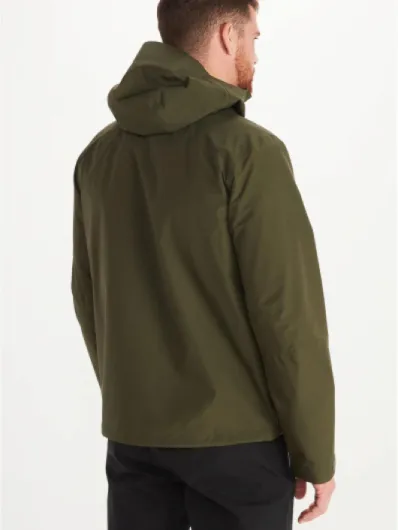
Gore‑Tex Paclite and recycled polyester: solid but with some trade-offs
The jacket is made from Gore‑Tex Paclite with a 100% recycled polyester plain‑weave face fabric. In practice, that means you get proper Gore‑Tex waterproofing and windproofing, but in a thinner, lighter construction than a full 3‑layer Pro shell. Paclite is a 2.5‑layer system: outer fabric + membrane + a protective coating rather than a full liner. That’s why the inside has that sort of slick, slightly plasticky feel instead of a fabric lining.
Waterproofing-wise, it does what you’d expect from Gore‑Tex. In steady rain and even in a couple of heavier downpours, no leaks at the shoulders, seams, or zips. All the seams are taped, and the DWR (PFC‑free) on the outside beads water nicely when the jacket is new. You can literally see the droplets roll off. After a while, like all DWRs, it’ll need a wash and reproof, but that’s normal. I’ve had cheaper “waterproof” jackets that start soaking through in 20 minutes; this one just doesn’t do that.
On the flip side, Paclite isn’t the most breathable material out there. If you’re pushing hard uphill or cycling fast in mild temperatures, you’ll get some condensation inside. That’s where the underarm zips (pit zips) are essential. Open those up and you can dump heat pretty quickly. Without them, this jacket would feel too sweaty for anything more than slow walking. So the material is fine, but don’t expect miracles on breathability; you still need to manage layers and vents.
I do like that the polyester is recycled and the DWR is PFC‑free. I’m not going to pretend that makes it some ultra-eco product, but it’s better than nothing. The fabric thickness feels like a good middle ground: not paper‑thin, not heavy. It’s enough that I don’t freak out every time I brush against a branch, but I wouldn’t go dragging it over rocks either. For an everyday and light-hiking shell, the materials feel well chosen, just keep in mind the usual Gore‑Tex reality: waterproof first, breathability second.
Durability after regular abuse: decent, but don’t treat it like armor
On the durability side, I’d say the Minimalist is holding up well for a lightweight shell, but you can feel it’s not built like a tank. After regular use – stuffed into backpacks, worn on wet forest paths, brushed against branches, tossed around in the car – the fabric still looks good. No obvious fraying on the cuffs or hem, and the taped seams are all intact. The zips still run smoothly, which is important because cheap jackets often start to snag or split there first.
The Gore‑Tex Paclite fabric has enough thickness that I’m not constantly worried about ripping it on something minor. But I’m also not dragging it over rocks or wearing it while squeezing through tight, abrasive spaces. You can tell from the weight and feel that it’s meant to be a light to medium duty shell, not a heavy-duty alpine jacket. For everyday use and weekend hikes, that’s fine. If you’re planning to bushwhack through dense scrub all the time, you might want something beefier.
One thing to keep in mind is the DWR coating and long-term waterproofing. Like all Gore‑Tex jackets, the outer face fabric will eventually wet out if you never wash or reproof it. That doesn’t mean the membrane stops being waterproof, but once the outer fabric is soaked, breathability drops and you feel clammy. So you do have to take care of it a bit: occasional machine wash with the right detergent and reproofing spray when you notice water no longer beading. That’s standard maintenance, not a flaw, just something people often ignore.
Overall, after a fair bit of use, I’d call the durability good for the weight and price bracket, but I wouldn’t pretend it’s bombproof. Treat it as a reliable everyday shell you look after, not as an indestructible work jacket. Used within its intended range – walks, hikes, commuting, light outdoor activities – I don’t see it falling apart any time soon.
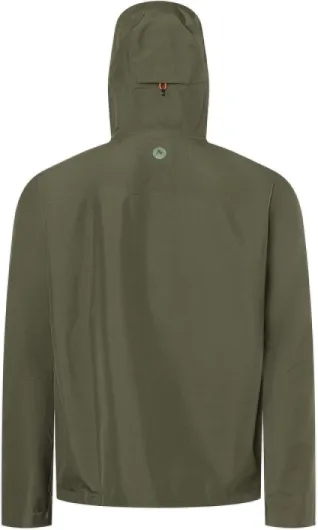
Waterproof and windproof performance: where it shines (and where it doesn’t)
Performance-wise, this jacket is clearly built for rain and wind, and in those conditions it does well. I’ve worn it during a few genuinely nasty downpours, including one all‑day drizzle to heavy rain mix on a hike, and I stayed dry underneath. No seepage at the shoulders, which is usually the weak spot, and the zips stayed sealed. The storm flap over the main zip helps here; I never felt water sneaking through the front.
Wind protection is also solid. On a couple of blustery days with strong gusts, the jacket cut the wind nicely. With just a fleece under it, I was comfortable walking around at around 5–8°C with wind and light rain. Obviously, it’s not insulated, so if you stand still in cold weather you’ll get cold – that’s not the jacket’s fault, that’s just how shells work. Its job is to block the elements so your layers can do their thing.
Where performance is a bit weaker is in breathability under sustained effort. If you’re trail running or power hiking uphill with a pack, you’ll sweat and you will feel moisture build up inside, especially around the forearms and back. The pit zips help, but they don’t change the basic physics: Paclite is okay, not magic. For casual hikes, dog walks, commuting, and moderate activity, it’s fine. For very intense stuff, I’d prefer something lighter and more breathable, even if it means sacrificing some durability.
Also, as Marmot hints, this is not the best choice for long backpacking trips. With a heavy pack, the constant rubbing on the shoulders and back can eventually wear down Paclite faster than a 3‑layer shell. I haven’t destroyed mine, but I can see how over weeks of backpacking you’d start to see wear. For day hikes with a normal daypack though, I’ve had no issues yet. So in short: excellent at keeping you dry and blocking wind, decent but not great on breathability, and best used for day‑to‑day and short outings rather than hardcore expeditions.
What this jacket actually is (and what it isn’t)
The Marmot Minimalist is basically a 2.5‑layer Gore‑Tex Paclite shell with a pretty classic rain‑jacket cut. No insulation, no lining, no fancy gimmicks. You get three external pockets (two hand pockets and one chest pocket), pit zips, a full front zip with a storm flap, adjustable cuffs, and a drawcord hem. That’s about it. If you’re looking for a jacket packed with a million pockets and weird features, this isn’t that.
Weight-wise, mine comes in roughly where Marmot claims, around 370 g for the XL. In practice, that means it’s light enough that you don’t think twice about tossing it in a backpack "just in case". It also compresses down pretty small; I usually just stuff it into its own hood or a side pocket in my pack. It’s not ultra‑light like the really minimal trail shells, but it feels a lot more durable than those super thin ones.
The cut is what I’d call regular outdoor fit. It’s not tailored like a city raincoat, and it’s not super baggy either. In XL, I can comfortably wear a fleece or even a light down jacket under it. For me, that’s the whole point of a shell like this: in summer I wear it over a T‑shirt, in colder months I just add layers underneath. Marmot’s own sizing sentiment of "true to size" matches my experience pretty well.
What it’s clearly not designed for is long backpacking trips with a heavy pack rubbing on it every day. Even Marmot says that in the description. Paclite is fine for day hikes and regular outdoor stuff, but if you’re planning multi‑day treks with a big rucksack, I’d look at a beefier 3‑layer shell. So I mentally file this jacket under "everyday raincoat + day hike shell", not "expedition armor".
Pros
- Gore‑Tex Paclite shell is properly waterproof and windproof for real bad-weather use
- Lightweight and packs small, easy to carry in a bag or pack as an emergency shell
- Good hood and pit zips make it more usable in wind and during higher-effort activities
Cons
- Breathability is limited during intense activity; can feel clammy on bare skin
- Not ideal for long backpacking trips with heavy packs due to Paclite durability limits
- Design and features are pretty basic for the price; no insulation or internal pockets
Conclusion
Editor's rating
The Marmot Men’s Minimalist Waterproof Jacket in XL (Nori) is a straightforward Gore‑Tex shell that does its main job well: it keeps you dry and blocks wind without weighing you down. It’s light, packs small, and has enough room for layering, which makes it easy to use as your default rain jacket for most of the year. The hood works well, the pit zips are genuinely useful, and the overall construction feels solid for everyday and weekend use.
It’s not perfect. The Paclite fabric can feel clammy next to bare skin, breathability has clear limits when you’re working hard, and it’s not the most stylish or feature-packed option out there. It’s also not really designed for long backpacking trips with a heavy pack grinding on it day after day. But if you keep it within its intended use – commuting, walking, day hikes, casual outdoor activities – it holds up well and feels like money reasonably well spent, especially at sale prices.
I’d recommend this jacket to people who want one reliable, no‑drama rain shell for mixed city and outdoor use. If you value proven waterproofing over fancy extras, this fits. On the other hand, if you’re a serious backpacker carrying heavy loads for days, or you run very hot and obsess about maximum breathability, you might be happier with a more technical 3‑layer shell or a lighter, sport‑focused jacket. For most regular users though, it’s a solid, honest piece of kit that gets the job done without fuss.