
Summary
Editor's rating
Value: good quality if you catch it at a decent price
Design: functional outdoor look, nothing flashy
Comfort: warm and easy to wear, but know its limits
Materials: good insulation, shell feels tough enough
Durability: feels robust enough for several seasons
Performance: good in cold and damp, but not a polar jacket
What this jacket actually is (and what it isn’t)
Pros
- Comfortable relaxed fit with good freedom of movement and easy layering
- 700 fill‑power down with moisture treatment that stays warm in damp, light wet conditions
- Decent wind and water resistance plus practical features (hood, pockets, cuffs, drawcord hem)
Cons
- Not warm enough on its own for extreme cold or long periods standing still below freezing
- Some feather shedding and only water‑resistant, not a full waterproof shell

Specifications
View full product page →| Brand | MARMOT |
A down jacket that’s warm, but not magic
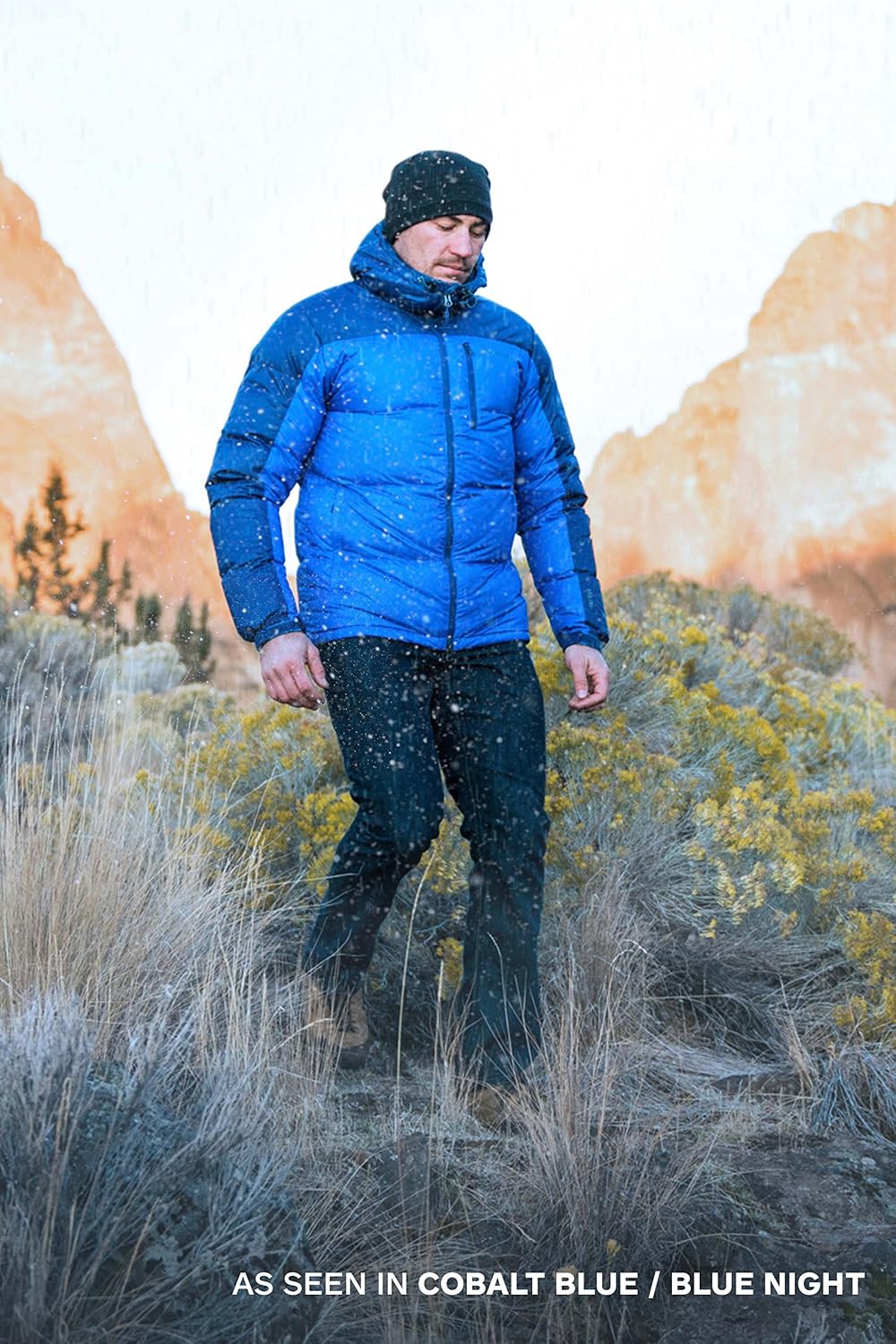
I’ve been wearing the Marmot Men’s Guides Down Hoody (700 fill, Jet Black, size M) for a few weeks in typical cold, wet autumn weather. Think 0–8°C, some wind, light rain, and a bit of wet snow. I used it for daily commuting, dog walks, and a couple of half‑day hikes. So this is not lab testing, just normal use from someone who gets cold pretty easily.
First impression when I pulled it out of the bag: it feels like a proper outdoor jacket, not a fashion puffer. It’s not ultra‑ultra light like some super minimalist down pieces, but still light enough that you don’t feel weighed down. The cut is relaxed, as advertised, so it doesn’t cling to the body. I’m around 1.80 m and 78 kg, and the M fits me with room for a fleece underneath without looking huge.
What surprised me most at the start is how comfortable it is right away. No stiff fabric, no noisy crinkly shell, and the hood sits decently even without adjustments. The zippers feel sturdy and don’t snag on the fabric every two seconds, which is something that annoys me on cheaper jackets. It feels like a jacket made for actually moving around, not just standing at the bus stop.
But it’s not perfect. The big thing: this is not an extreme‑cold parka. One Amazon reviewer nailed it: it’s fine down to around 4–5°C on its own for normal walking, maybe a bit lower if you’re moving a lot or layering properly. If you’re expecting to be warm in –10°C with just a t‑shirt under it, you’ll be disappointed. So my review is basically: solid, reliable jacket for cold but not brutal weather, with a few real pros and some limits you need to know before buying.
Value: good quality if you catch it at a decent price
On value, it really depends on what price you find it at. Marmot is not a bargain‑basement brand, so you’re paying for a recognized outdoor label, 700 fill down, and some proper design work. Compared to cheaper no‑name down jackets, you do feel the difference in materials, cut, and the little details like pockets and zippers. The Amazon rating of 4.5/5 from 300+ reviews lines up with my feeling: people generally like it, with the main complaint being that it’s not as warm as they expected.
If you’re looking for a jacket to survive deep winter in northern regions with just a t‑shirt underneath, this is not the best value. You’d be better off putting your money into a heavier, more insulated parka. But if your use is more like cold but not extreme—urban winter, autumn hikes, ski trips where you layer up—then the price starts to make more sense. You’re paying for a versatile, well‑built jacket that can be a stand‑alone piece in mild cold and a mid‑layer when it really gets rough.
Compared to some high‑end brands, this Marmot sits in a kind of middle ground: better quality than budget stuff, cheaper than the top luxury outdoor labels. For me, that’s a decent place to be. I don’t feel like I overpaid, but I also don’t feel like I got a crazy bargain. It’s just a solid, fair deal if you know what you’re buying: mid‑weight warmth, good comfort, and reliable build.
So overall, I’d say value is good but not mind‑blowing. If you find it on discount or in an outlet, it becomes a very attractive option. At full price, it’s still reasonable if you plan to actually use it a lot in autumn and winter, not just let it hang in the closet.
Design: functional outdoor look, nothing flashy
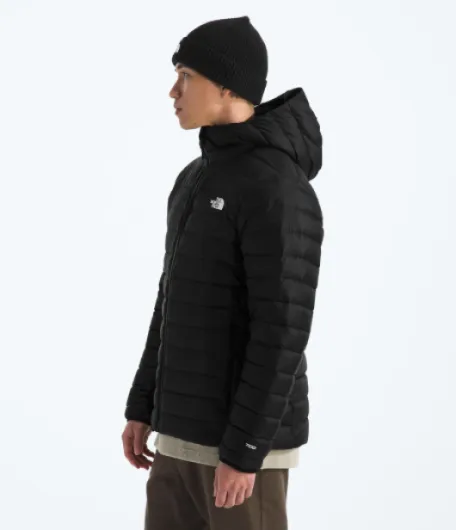
Design‑wise, this is a straightforward outdoor jacket. Jet Black, simple quilting, small Marmot logo, and that’s about it. If you’re looking for something that screams streetwear or fashion brand, this isn’t it. For me, that’s a plus: I can wear it to work, to the supermarket, or on a hike without looking like I’m in a catalog. It’s pretty low‑key, which I like.
The hood is insulated and permanently attached. It’s not super structured, but it covers the head well and moves with you without blocking vision. There’s no wired brim or fancy adjustments, but it cinches enough with the drawcord at the hem and the general cut. Over a beanie, it’s good. Over a climbing helmet, it’s borderline; it fits but feels a bit tight, at least on my medium helmet. This is where you feel that it’s more of an all‑rounder than a dedicated belay parka.
The cuffs have Velcro and the hem has a drawcord, which is pretty standard but useful. Being able to tighten the cuffs makes a real difference when it’s windy or you’re wearing gloves. I found the Velcro strips wide enough to stay put without peeling off by accident. The hem drawcord lets you seal heat in when you’re standing around. One detail I liked: the zipper pulls are large enough to grab with thin gloves, and I haven’t had them jam on the fabric yet.
In terms of overall cut, Marmot’s Angel‑Wing Movement is basically marketing for “you can raise your arms without the whole jacket riding up.” In practice, it works pretty well. I could reach up, belay, or mess around with a backpack without the jacket pulling tight across the shoulders. That’s a real plus if you’re using it for climbing or anything active. So design summary: functional, discreet, and built more for use than for looks. It’s not ugly, just simple. If you want lots of style details, this will feel a bit plain. If you just want a no‑nonsense black down jacket, it fits the bill.
Comfort: warm and easy to wear, but know its limits
Comfort is where this jacket does well for everyday use. The relaxed fit means it doesn’t squeeze your shoulders or belly, and you can easily add a hoodie or fleece underneath. I wore it over a simple long‑sleeve base layer around 5–8°C and felt comfortable just walking around town. When it dropped closer to 0°C with some wind, I added a light fleece under it and that combo felt solid for walking and light activity.
The collar and hood are well padded, so when you zip it all the way up, your neck feels nicely protected without being choked. The inside doesn’t scratch, and I didn’t feel any annoying seams rubbing on the neck or chin. The jacket moves well with the body; I carried a backpack, bent down to tie shoes, reached overhead, and never felt like the fabric was pulling in a weird way. This is where that “Angel‑Wing Movement” thing actually helps a bit.
Now, about warmth. One Amazon review said it clearly: it’s not for extreme cold, more of a spring/fall or mild winter jacket if worn alone. I agree. On a still day around 4–5°C, with only a t‑shirt underneath and not moving much, I started to feel the chill in my arms and shoulders after a while. With proper layering and some movement, I’d say it’s fine down to maybe –2 to 0°C for most people. Below that, you either need to move a lot or wear a serious mid‑layer and possibly a shell on top. So if you live somewhere with –15°C winters and a lot of wind, this should be part of a layering system, not your only line of defense.
Breathability is okay for a down jacket. On a short hike with some uphill, I got warm but not drenched. If you’re doing intense activity, you’ll still sweat and this isn’t a miracle solution; it’s a puffy, not an active insulation piece. Overall, comfort is good to very good, as long as your expectations about temperature are realistic. For commuting, walking the dog, light hikes, or as a mid‑layer for skiing, it’s a nice, comfy piece to throw on.
Materials: good insulation, shell feels tough enough
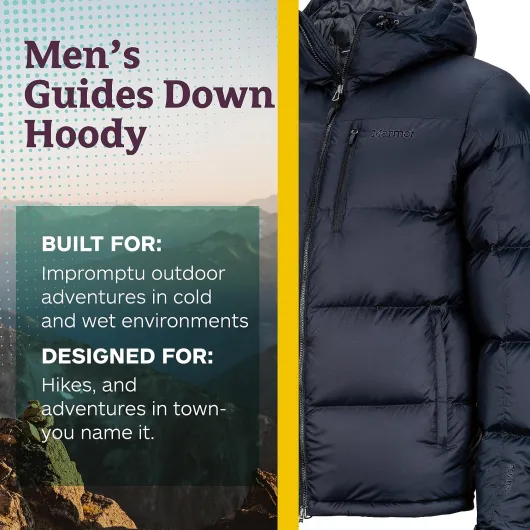
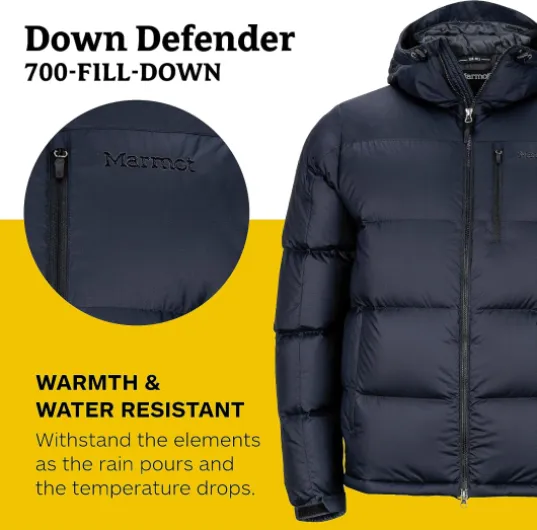
The heart of this jacket is the 700 fill‑power down with Marmot’s Down Defender treatment. 700 fill is a decent level: not ultra‑premium, but clearly better than the cheap low‑fill jackets you see everywhere. You can feel the loft when you squeeze the baffles; it puffs back up nicely after being compressed in a backpack for a few hours. After a couple of weeks of stuffing and unstuffing, I didn’t notice any flat spots or weird clumping.
The outer fabric is listed as a softshell‑style polyester with a bit of elastane. In hand, it feels smoother and more flexible than the very crunchy nylon on some budget puffers. It’s not super stretchy, but it has just enough give that it doesn’t feel restrictive. It also feels more durable than those super thin ultralight shells that you’re scared to brush against a tree. I did bump it into branches and rough walls a few times, and no visible damage so far.
Inside, the lining is nylon, which slides easily over base layers and fleeces. No weird static issues for me, and it hasn’t stuck to my clothes or felt clammy, even when I started to sweat a bit hiking uphill. The zippers are solid and run cleanly. The pocket linings are soft enough to be comfortable when you’re warming your hands, which is a small thing but you notice it when it’s actually cold.
One downside: like any down jacket, you get a bit of feather shedding here and there. I had a few little feathers poking through the lining after the first few wears. Nothing dramatic, and pretty normal for down, but if you’re picky about that, you’ll notice it. Overall, the materials feel pretty solid for the price range: good quality down, a shell that doesn’t feel cheap, and details that seem built to last more than one season if you’re not abusing it daily on rock.
Durability: feels robust enough for several seasons
Durability is always tricky to judge after just a few weeks, but there are some signs. First, the shell fabric doesn’t feel flimsy. I brushed against tree branches, leaned on rough walls, and stuffed it into backpacks, and I haven’t seen any snags, tears, or worn spots yet. It’s thicker and more confidence‑inspiring than those super light down jackets that feel like they’ll rip on a door handle.
The stitching around the baffles looks clean and even. No loose threads on my unit, and the seams haven’t started to pull or deform. The zippers also feel sturdy and run smoothly up and down, even after being yanked one‑handed a bunch of times. The Velcro on the cuffs still grips strongly and hasn’t started to peel or get clogged up with fluff yet, which is a good sign for longer‑term use.
About the down: after repeated compressions in a backpack and being stored hung up at home, the loft seems to hold up. It still puffs up nicely after a few minutes. I did notice a few feathers escaping through the lining, which is normal but something to expect. If you’re rough on your gear, you’ll probably see more of this over time. I haven’t washed it yet, but given the materials, a gentle machine wash and proper drying with tennis balls should keep it in decent shape. The fact that Marmot is a known outdoor brand also gives a bit of confidence compared to totally unknown names.
Overall, my impression is that this jacket should easily last several seasons of normal use: commuting, weekend hikes, some light mountain trips. If you’re climbing rock every weekend or dragging it through dense forest constantly, you’ll eventually test its limits, but for most people, it feels like a reliable, durable piece rather than a one‑season fashion item.
Performance: good in cold and damp, but not a polar jacket
Performance‑wise, I looked at three things: warmth, wind resistance, and water resistance. For warmth, as I said earlier, it does its job in regular cold weather but doesn’t turn you into a furnace. Walking around at 0–5°C, it’s comfortable with a normal layer underneath. Standing still for long periods at those temps, you start to feel the cold creeping in, especially if there’s wind. One reviewer complaining it’s only good to around 4°C with just a t‑shirt is basically right if you expect to just stand around and not move.
On the wind side, the shell blocks a good amount. In moderate wind, I didn’t feel it cutting through the jacket. When the wind picked up more, I could feel some cold around the arms and seams, but it never felt like wearing a fleece; it’s much better than that. For real strong, icy wind, I’d still put a shell on top, but for normal winter gusts it’s totally fine. The adjustable cuffs and hem help a lot to stop drafts sneaking in from below.
For water resistance, I tested it in light rain and wet snow. The water beads off the fabric at first thanks to the DWR (water‑repellent treatment) and the Down Defender on the insulation. After maybe 30–40 minutes, the outer fabric started to darken in some spots, meaning it was getting wet, but I never felt water coming through to my base layer. It’s clearly okay for short showers or snow, but if rain is in the forecast all day, you’re better off with a shell on top. The good news is, after getting damp, the down seemed to recover well; no floppy, dead spots.
In more active use (short hikes, light climbing and belaying), the jacket stays in place, doesn’t ride up too much, and handles a backpack without weird bunching. It’s not the warmest belay jacket I’ve used, but as a do‑it‑all mid‑weight piece, it performs reliably. I’d say performance is solid, but you need to pair it with other layers if you push into really harsh, windy, or wet conditions.
What this jacket actually is (and what it isn’t)
On paper, the Marmot Men’s Guides Down Hoody is a 700 fill‑power down jacket with a hood, water‑resistant treatment, and a fairly relaxed fit. It’s meant to be used either on its own or as an insulating layer under a shell for snow sports or wet, windy conditions. That’s basically how I ended up using it: alone for dry, cold days around town, and under a shell when the wind or wet snow kicked in.
The jacket weighs about 650 g in my size M (the spec says 658 g), so it’s not in the ultra‑light category, but that weight does give you a bit of confidence. It feels like it can handle some abuse, getting stuffed into a backpack, thrown in the car, etc. You get four pockets: two zippered handwarmer pockets on the outside and two inside pockets (including a zippered chest pocket). For everyday use, that’s enough: phone, wallet, keys, a pair of gloves, you’re covered.
Marmot advertises Down Defender, which is basically a moisture‑resistant treatment on the down so it doesn’t clump as fast if it gets damp. In practice, in light rain and wet snow for 20–30 minutes, the jacket held up fine. The outer fabric beads water decently and I didn’t feel the insulation collapsing or getting soggy. It’s important to be clear though: this is water‑resistant, not a raincoat. In a longer steady rain, the shell will eventually wet out and you’ll want a proper shell on top.
The jacket is marketed as relaxed fit and true to size, and that matches my experience. If you like a tighter, more “European” fit, you might even size down like one of the Amazon reviewers did (he’s 1.84 m / 83 kg and went from M to S). For me, regular size is better because I want room for layering. Overall, the presentation from Marmot is fairly honest: warm mid‑weight down hoody for cold conditions, not a full‑on arctic expedition piece, and that’s exactly how it behaves in real life.
Pros
- Comfortable relaxed fit with good freedom of movement and easy layering
- 700 fill‑power down with moisture treatment that stays warm in damp, light wet conditions
- Decent wind and water resistance plus practical features (hood, pockets, cuffs, drawcord hem)
Cons
- Not warm enough on its own for extreme cold or long periods standing still below freezing
- Some feather shedding and only water‑resistant, not a full waterproof shell
Conclusion
Editor's rating
After using the Marmot Men’s Guides Down Hoody in real‑world cold and wet conditions, my take is simple: it’s a solid, reliable mid‑weight down jacket, but it’s not a magic shield against extreme cold. The 700 fill‑power down, decent shell fabric, and practical details (good hood, adjustable cuffs, proper pockets) make it a jacket that’s easy to live with day to day. It’s comfortable, cuts wind reasonably well, handles light rain and wet snow without falling apart, and feels durable enough for several seasons of normal use.
Where people get disappointed is when they expect it to replace a heavy winter parka. On its own, it’s fine for around 0–8°C for most people, and with good layering it can go a bit below freezing. If you’re standing still in –10°C with wind, it’s not going to keep you toasty by itself. So it’s best seen as a versatile all‑rounder: great for commuting, dog walks, weekend hikes, ski trips as a mid‑layer, and general outdoor use in cold but not brutal weather.
If you want one jacket that you can throw on for most autumn and winter situations, and you’re okay with adding layers when it really gets nasty, this Marmot is a pretty solid choice. If you live somewhere with very harsh winters and hate layering, or you want a pure fashion piece, you should probably look elsewhere. Overall, I’d give it a 4/5: good quality, practical, and comfortable, just not a deep‑winter monster.