Base layers that survive late summer heat and early fall chill
When the weather swings from humid summer streets to crisp bar patios, your base layer has to work harder than any jacket. A breathable cotton shirt or linen blend polo lets transitional outfits men late summer handle sweat at noon while still feeling substantial enough when the temperature drops. Think of this late summer base as the anchor of every outfit, because the right fabric weight quietly controls how many layers you actually need.
Start with tightly woven cotton jersey tees around 160 to 180 GSM, which feel light in the summer early hours but hold warmth once you add layers after dark. A slim Oxford shirt in cotton or a cotton linen mix gives you a sharper option for the office, and it turns transition outfits into something you can wear under tailoring or a casual fall overshirt without bulk. Rotate two or three of these pieces in neutral tones so each outfit can move from summer clothes mode to subtle summer fall energy just by changing what you throw on top.
Lightweight merino is the secret weapon for the transitional season, especially for posts men who commute in over air conditioned trains and then walk home in muggy air. A fine gauge crewneck or quarter zips style knit around 200 GSM regulates temperature better than heavy cotton, so one outfit can handle both extremes. Use these knits as a refined outer layer on mild days, then slide them under a jacket once the fall transition really starts to bite.
On the bottom half, swap heavy chinos for mid weight cotton pants with a bit of taper, which keeps the outfit sharp without feeling like a sauna at lunch. Darker stone, tobacco, or navy pants already nod to fall outfits while still pairing cleanly with summer clothes like white shirts and pale tees. This is how you let the season shift gradually, one outfit at a time, instead of doing a hard wardrobe reset the first cool morning.
One piece insurance: overshirts, unlined jackets and smart outer layers
The smartest move for transitional outfits men late summer is carrying one extra piece you can put on at 18h without thinking. An overshirt in mid weight cotton twill or washed denim turns a basic shirt and pants combination into a complete outfit once the sun drops. You wear it open over a tee in the late afternoon, then button it up as an outer layer when the breeze picks up.
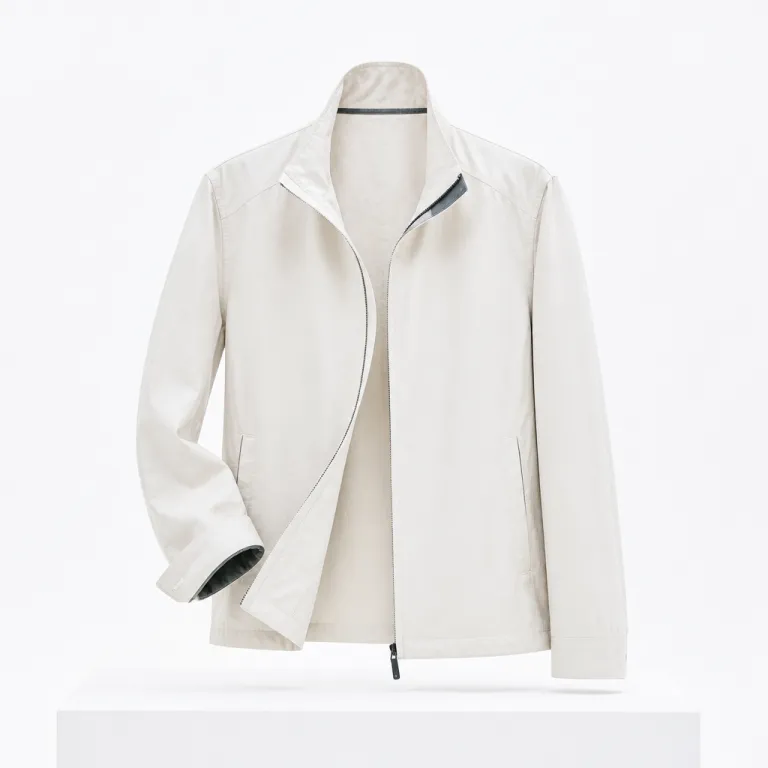
An unlined cotton or linen blend jacket does the same job for a sharper office look, especially in navy or dark olive that already feel like early fall. Look for a casual chore jacket or a soft blazer with minimal shoulder padding, because these pieces layer cleanly over both summer clothes and thin knits without ballooning your silhouette. This is where fabric weight matters more than fabric name, since a mid weight jacket breathes in the heat but still traps enough air to keep you warm at night.
For weekend outfit ideas, a light leather trucker or suede bomber works as a perfect fall bridge when worn over a simple cotton shirt. Leather jackets with thin linings handle the summer fall overlap better than thick shearling, and they instantly add structure to transition outfits built from soft tees and drawstring pants. Just keep the rest of the outfit clean and fitted so the jacket, not the bulk, does the talking.
If you are planning to invest in one serious outer layer for the fall transition, read a detailed guide on how to master the sweater with roll neck for refined autumn style, because it explains how a single knit can replace a jacket on many nights. That kind of knit becomes your casual fall armor when paired with dark denim and leather sneakers, especially once early fall mornings start to bite. The goal is to fall keep your core warm with one strong piece, so you can still wear lighter shirts underneath and avoid sweating through the commute.
Fabric weight, texture and the shift from summer brights to fall depth
When you are building transitional outfits men late summer, fabric weight quietly matters more than the label on the tag. A mid weight knit or shirt in cotton or merino traps a thin layer of air, which makes the same outfit feel comfortable at both 29 °C and 16 °C. Heavy pieces lock you into one temperature zone, while lighter layers give you options as the season slides toward early fall.
Texture mixing is where current style really lives, especially in the August to September crossover. Pair a smooth cotton tee with a textured linen overshirt and then add a denser knit scarf or one of your quarter zips when the night cools, so the outfit reads intentional rather than improvised. Denim with a bit of structure on the bottom balances softer fabrics on top, and that contrast keeps transition summer looks from feeling like leftover beach outfits.
Color is your other lever for signaling the summer fall shift without changing every piece in your wardrobe. Keep your favorite summer clothes like white tees and pale blue shirts, but start pairing them with pants in camel, chocolate, or charcoal and with jackets in deep green or rust. This is how you build fall outfits that still feel light enough for the transitional season, because the palette moves ahead of the weather.
When you are ready to invest in knitwear that will carry you from late summer into deep fall, study a specialist guide on the allure of luxurious cashmere sweaters to understand why some sweaters justify their price. A well chosen cashmere crewneck in a mid weight can be worn alone over a shirt in September, then under a heavier jacket once the fall add of cold really arrives. Think of these pieces as long term outfit ideas, not just one season trends, because they will quietly upgrade every transition outfits combination you already own.
Commute reality, smart layering and the August to September wardrobe edit
The real test for transitional outfits men late summer is not the weekend terrace, it is the commute between an over cooled office and a warm sidewalk. You might leave home in a light jacket over a cotton shirt and pants, only to carry that outer layer in your hand by lunchtime. The fix is to build layers that can be removed without breaking the outfit, so each piece still looks intentional when worn alone.
Start with a breathable base, then add a thin knit or overshirt, and finally a light jacket if the forecast leans toward a cooler night. This three step system lets you add layers or strip them off depending on the weather, while keeping the same core outfit for meetings, drinks, and the ride home. Quarter zips in fine merino or cotton blends are ideal mid layers here, because they zip down for summer early heat and zip up when the fall transition breeze hits.
On the bottom, rotate between dark denim and tailored cotton pants, which both work with sneakers at lunch and leather shoes at night. This is also the moment to review your wardrobe with a clear eye and avoid the markdown trap, so use a guide on what is actually worth buying in markdown season to decide which pieces earn space in your closet. Focus on versatile items that support multiple transition outfits rather than loud one off statements that only work for a single season.
As you refine your style for this awkward stretch between late summer and early fall, remember that every outfit should be able to handle at least a 10 °C swing without a full change. That means shirts that breathe, jackets that layer, and pants that look right with both summer clothes and more serious fall outfits. All rights reserved to your future self, who will thank you for building a wardrobe that serves the Monday morning commute, not the runway.
FAQ
What should men wear to the office during the late summer to early fall transition ?
Choose a breathable cotton or cotton linen shirt, mid weight tailored pants, and carry an unlined jacket or overshirt as an outer layer. This combination handles warm commutes and cool meeting rooms without needing a full outfit change. Stick to neutral colors that bridge summer and fall, like navy, stone, and olive.
How can I layer without overheating when it is hot at noon and cool at night ?
Use a light base layer, a thin mid layer like a fine knit or overshirt, and a very lightweight jacket you can remove easily. Each piece should look good on its own, so you can adjust to the weather hour by hour. Focus on mid weight fabrics rather than thick ones, because they trap enough warmth without feeling bulky.
Which fabrics work best for transitional outfits between summer and fall ?
Cotton, linen blends, and lightweight merino are the most reliable fabrics for this season. They breathe in the heat but still provide insulation when you add layers in the evening. Avoid very heavy wool or thick fleece until temperatures stay consistently low.
How do I shift my color palette from summer to fall without buying a new wardrobe ?
Keep your lighter summer pieces like white tees and pale shirts, but start pairing them with darker pants and jackets in earth tones. Colors such as camel, chocolate, olive, and charcoal instantly make an outfit feel more autumn ready. This approach lets you reuse existing summer clothes while still signaling the new season.
Are quarter zip sweaters useful for the August to September crossover ?
Quarter zip sweaters in lightweight merino or cotton blends are excellent for this crossover period. They work as a mid layer over a shirt at the office and as a casual outer layer over a tee at night. Because you can open or close the zip, they adapt quickly to changing temperatures throughout the day.
Sources
GQ, Esquire, Vogue Business