
Summary
Editor's rating
Value: worth it if you want comfort first
Design: street look with just enough “outdoor”
Comfort: sneaker feel with winter protection
Materials: warm tech, but not a tank
Durability: built well, but not indestructible
Performance: warmth, grip and waterproofing in real life
What these boots are (and what they’re not)
Pros
- Very comfortable and lightweight, feels more like a sneaker than a stiff boot
- Decent warmth and waterproofing for normal winter use with Omni-Heat and 200 g insulation
- Versatile design that works for both city wear and light hiking
Cons
- Runs slightly small; better to go up half a size if you use thick socks
- Textile upper not as durable or protective as full leather boots for rough terrain
- Waterproofing is fine for rain and shallow puddles but not ideal for long exposure to deep slush or standing water

Specifications
View full product page →| Brand | Columbia |
A winter boot that wears like a trainer
I’ve been wearing the Columbia Fairbanks Omni-Heat in Abyss Dark Adobe (size 7.5 UK) for a few weeks now, mostly for dog walks, commuting, and a couple of muddy hikes. I usually rotate between chunky leather winter boots and basic trainers, so this model sits kind of in the middle: looks more urban, but built for cold and wet weather. I didn’t baby them; they went straight into rain, wet grass, light snow, and a lot of pavement.
First thing I noticed: they feel more like a high‑top sneaker than a classic hiking boot. They’re light on the foot, you don’t get that heavy brick feeling, and there was basically no break‑in period. I laced them up, walked out the door, and my feet were fine even after a long day. For a winter boot, that’s pretty rare in my experience.
I also wanted to see if the Omni-Heat lining was just marketing or actually useful. I tend to get cold toes quite fast, especially when I’m standing around at a bus stop or watching a match. With normal socks in about 0–5°C weather, my feet stayed warm enough. With thicker hiking socks in slightly below freezing, still okay. Not the warmest boots I’ve ever worn, but clearly better than normal trainers or standard hiking shoes.
Overall, my first impression is: good everyday winter boot if you want something light and comfortable, but not a hardcore mountain boot or something for standing in slush all day. It does a lot of things well, but there are a couple of details I’d change, especially around sizing and long‑term waterproofing expectations.
Value: worth it if you want comfort first
On value, I’d say these sit in the good but not crazy bargain zone. You’re paying for a known outdoor brand, some tech features (Omni-Heat, Omni-Tech, Techlite), and a design that works both in the city and on light trails. Compared to cheap no-name winter boots, you’re getting better comfort, better grip, and a lighter feel. Compared to high-end leather hiking boots, you’re paying less but also getting less raw durability and extreme-weather performance.
Where they shine for the money is daily usability. If you’re going to wear them a lot in autumn and winter – commuting, walking the dog, weekend walks – the cost per wear drops fast. They’re comfortable enough to keep on all day, which is not always true for stiff boots. You don’t really need a separate “city shoe” and “hiking shoe” for mild stuff; this one can cover both as long as you stay within its limits. That kind of versatility makes the price easier to justify.
On the downside, if you rarely go out in bad weather and just want something for the odd snowy day, this might be more boot than you need. A cheaper water-resistant trainer could do the job for occasional use. Also, if you specifically want a boot for serious mountain hikes or deep snow, spending a bit more for a full leather or heavier insulated boot would make more sense long term. So value depends heavily on how you use them: for regular winter wearers who walk a lot, they’re good value; for occasional use or extreme conditions, less so.
Overall, I’m satisfied with what I got for the price: warm enough for my climate, very comfortable, and versatile. Not perfect, not the toughest thing out there, but a pretty solid balance of comfort, warmth, and style that justifies the cost if you actually put them to work over the colder months.
Design: street look with just enough “outdoor”
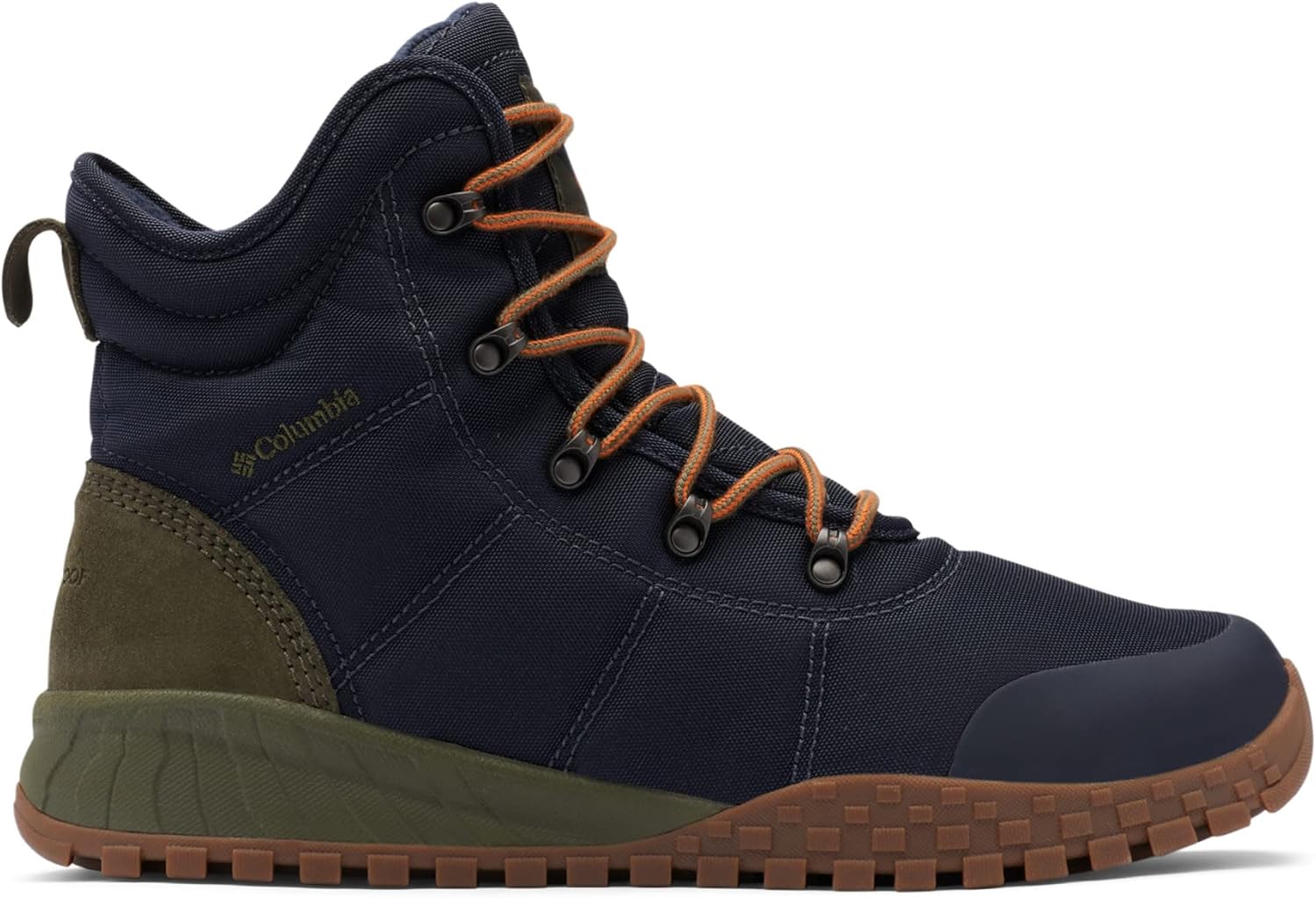
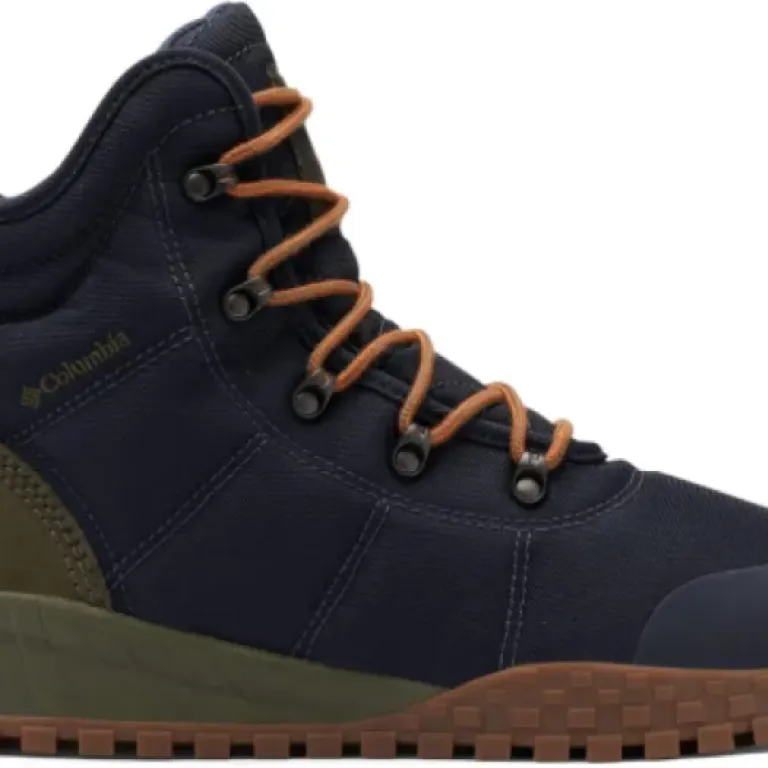
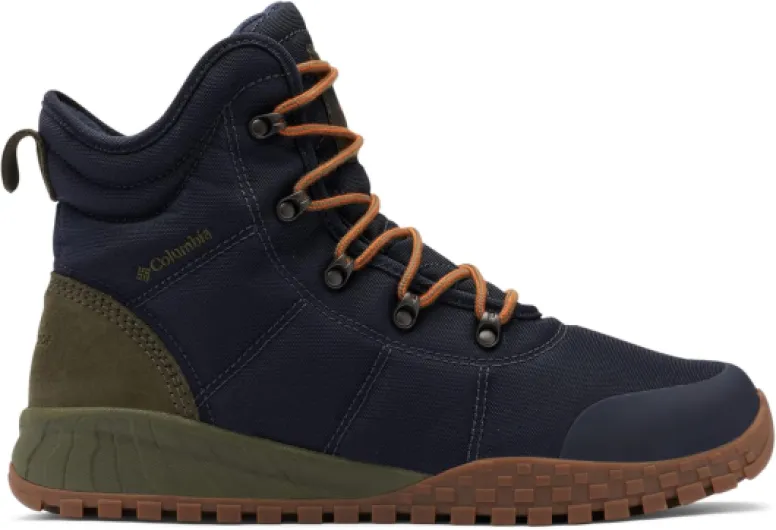
Visually, the Fairbanks Omni-Heat in Abyss Dark Adobe is pretty low-key. You’ve got a dark navy/charcoal kind of base (Abyss) with reddish-brown accents (Dark Adobe). No giant logos screaming at you, just a small Columbia logo on the side and tongue. I like that it doesn’t look like I’m coming back from an expedition when I’m just going to the supermarket. It pairs fine with jeans, joggers, or hiking trousers. I’ve worn them to the office without feeling out of place.
The design is clearly inspired by hiking boots: metal eyelets and hooks up top, ankle-height cut, and a slightly chunky sole. But overall shape is slimmer than a classic boot. On foot, they look more like a rugged sneaker than a military boot. The laces are a bit long, as some reviewers mention, so I double knot them or tuck them under the laces. Not a big deal, but worth mentioning if you hate floppy laces.
The boot has a fairly high padded collar that hugs the ankle. That helps with warmth and support, but it also means you feel it around your ankle more than a normal trainer. I got used to it after one day, but if you usually wear low‑tops, you’ll notice it at first. The tongue is gusseted, so snow and water splashes don’t easily get in from the top, which is practical in slush or wet grass.
In terms of bulk, they’re slimmer and lighter than a typical snow boot, so they don’t make your feet look like cinder blocks. If you care about looks, I’d say they’re pretty solid everyday winter shoes – not stylish in a fashion sense, but clearly more wearable in the city than big leather hikers. Colors are neutral enough that mud and salt stains don’t scream at you, and they clean up quickly with a damp cloth.
Comfort: sneaker feel with winter protection
Comfort is where this boot does well. Out of the box, I didn’t have any rubbing or hotspots. The Techlite midsole feels like a running shoe – soft enough to absorb shocks on pavement, but not so squishy that you lose stability. I wore them straight into a full day of walking (roughly 12–13k steps) and my feet were fine at the end. No blisters, no sore arches, just normal tiredness.
The insole is basic foam, nothing fancy, but it does the job. If you have fussy feet or need serious arch support, you’ll probably want to swap in your own insoles. There’s enough volume inside to do that without crushing your toes. The padded collar and tongue help keep pressure off the top of your foot and ankle. The metal hooks at the top let you dial in the ankle tightness, which I like when going up and down uneven ground.
On warmth, in real use: around 0–5°C with normal cotton or light hiking socks, my feet stayed comfortable during 1–2 hour walks. In slightly below freezing with a bit of wind, I switched to thicker socks and was still okay. If you’re standing still for long periods in strong cold, your toes will eventually feel it – these are warm, but not like insulated work boots rated for extreme temperatures. For the kind of winter where you’re moving around, they’re good enough and much more comfortable than heavy boots.
Breathability is acceptable for a winter boot. My feet didn’t get swampy on milder days (8–10°C) as long as I wore normal socks. If you run very hot, you might find them a bit overkill for autumn, but for typical cold wet months they hit a decent balance between warmth and not cooking your feet. Overall, if comfort and lightness are priorities, these are a strong option, with the main caveat being that the sizing runs slightly small, so consider going up half a size.
Materials: warm tech, but not a tank
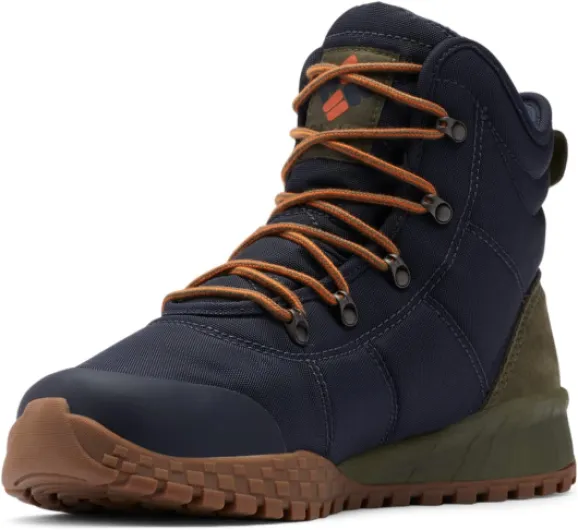
The upper is mainly Cordura-style textile with suede overlays. The textile keeps the weight down and lets the boot flex easily, so walking feels natural. The suede bits around the toe and sides give some extra structure and a bit of protection. Inside, you’ve got the Omni-Heat reflective lining – that shiny silver dot material – plus 200 g of insulation. Underfoot, there’s a Techlite foam midsole and a rubber Omni-Grip outsole.
Touching the materials, they feel decent for the price, but not bombproof. The textile isn’t thin like a cheap trainer, but it’s still fabric. If you drag your toes on rocks or constantly scrape against sharp stuff, it will wear faster than full-grain leather. The suede overlays help in high-wear areas, especially the toe bumper, but I still wouldn’t abuse them like mountaineering boots. For normal city and trail use, they seem fine. After a few weeks, no loose threads or peeling so far.
The lining is where most of the winter performance comes from. The Omni-Heat layer does trap warmth quite well, especially when you’re moving. It also means the inside feels kind of shiny and slightly plasticky to the touch, but with socks on you don’t notice it. The 200 g insulation is middle-of-the-road: more than a simple shoe, less than heavy-duty winter boots with 400 g or more. For most UK/European city winters, that’s enough if you combine it with decent socks.
If you want a boot you can keep for 10+ winters of hard trekking, I’d honestly go for something with more leather and a thicker sole. But for light to medium use (commuting, walking, weekend trails), the material choice makes sense: lighter, more flexible, easier to wear all day. Just be realistic: these are not industrial work boots, and if you abuse the textile upper on sharp terrain, it will eventually show.
Durability: built well, but not indestructible
Durability is always tricky to judge after only a few weeks, but I can comment on build quality and how they’re aging so far. Stitching around the suede overlays and along the sole looks neat and even. No glue blobs, no seams pulling apart yet. The textile doesn’t show any fraying after mud, wet grass, and some light trail use. The rubber outsole lugs have barely worn, which is normal after a short time, but at least they’re not made of super soft rubber that shreds immediately.
That said, the construction clearly prioritises lightness and comfort over bombproof toughness. The Cordura-style textile is more resistant than basic mesh, but it’s still fabric. If you regularly scrape your toes on rocks, kick steps, or do rough work in these, you’ll probably see damage faster than with full leather boots. Same for the heel area: there’s some reinforcement, but it’s not a massive rubber rand. For my use (city, dog walks, occasional muddy paths), I expect them to last several winters without major issues, as long as I clean and dry them properly.
The waterproofing layer is another durability question. Any fabric-based waterproof bootie tends to lose some performance over time, especially if you bend the forefoot a lot and don’t reproof the outer. I’d treat them with a spray for textile/suede from time to time and avoid drying them right on a radiator. That usually extends life quite a bit. The inside lining shows no pilling or tearing so far, which is a good sign, especially around the heel where many boots fail first.
So, if you’re expecting a light, decently built winter boot for normal use, these make sense. If you want something to abuse daily on building sites, heavy backpacking, or sharp rocky terrain, I’d look for a more rugged leather model. For the price and target use, durability looks acceptable, but they’re not tanks – treat them like quality winter sneakers with benefits, not like industrial safety boots.
Performance: warmth, grip and waterproofing in real life
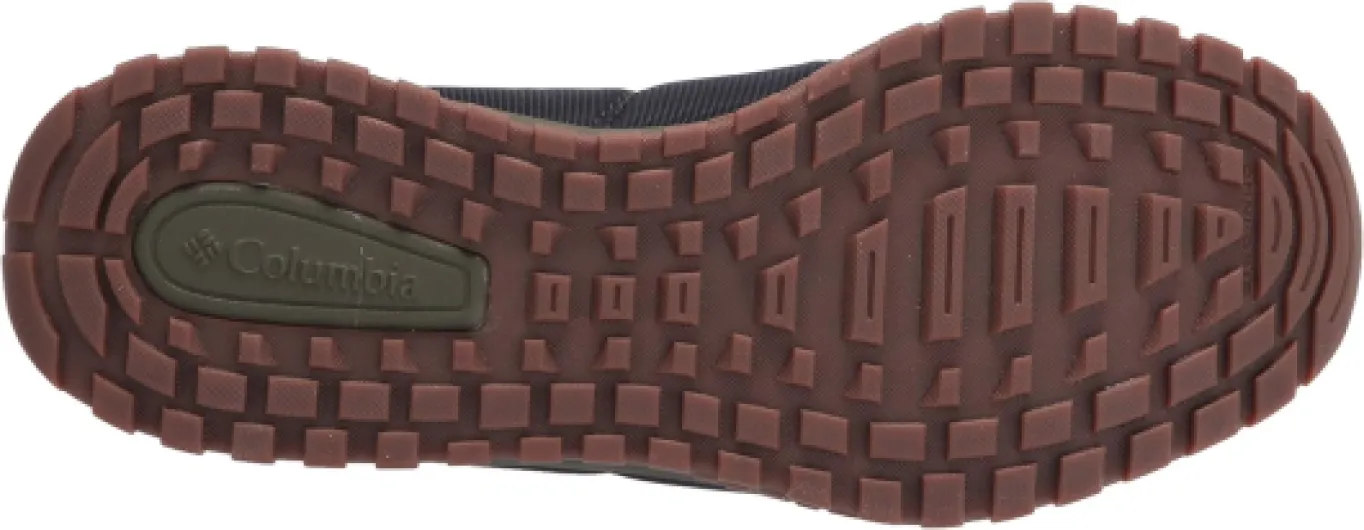
In terms of pure performance, I looked at three things: grip, waterproofing, and warmth in nasty weather. The Omni-Grip outsole has a decent lug pattern, not super deep but enough to bite into mud and loose stuff. On wet pavement and packed snow, traction has been solid so far. On proper ice, like any rubber sole without spikes, you still need to be careful – they’re not magic. For typical city winter conditions (wet tiles, leaf-covered paths, slushy crossings) they hold their own.
Waterproofing is where expectations need to be realistic. Columbia says Omni-Tech waterproof breathable construction, but some listings weirdly say “Not Water Resistant” which is confusing. In practice, walking through wet grass, shallow puddles and light rain, my feet stayed dry. The gusseted tongue helps keep splashes out. However, I wouldn’t stand in ankle-deep water or heavy slush for long and expect bone-dry socks. These feel more like very water-resistant winter trainers than full rubber wellies or proper leather mountain boots.
For warmth, that Omni-Heat lining plus 200 g insulation does a decent job. When I was moving, my feet stayed warm even when the rest of me was starting to feel the cold. When I stopped for a while, like standing around talking or waiting, the heat gradually faded but never to the point of being painful. If you live somewhere with brutal winters and -15°C or worse, I’d call these borderline unless you combine them with thick socks and keep moving. For UK / most Western European winter weather, they’re pretty well matched.
One more point: they’re very light for a winter boot, which makes a big difference on longer walks. Compared to my old leather hikers, I notice my legs don’t feel as heavy after a few miles. The trade-off is slightly less support and protection, but for light to moderate trails I prefer the lighter feel. So performance-wise: good grip, good enough waterproofing for normal use, solid warmth when moving, and very comfortable over distance, as long as you don’t treat them like extreme-weather mountaineering gear.
What these boots are (and what they’re not)
On paper, the Fairbanks Omni-Heat is sold as a sort of hybrid: urban winter boot with hiking DNA. You get Columbia’s Omni-Heat reflective lining, Omni-Tech waterproof construction, 200 g insulation, a Techlite midsole, and Omni-Grip rubber outsole. Translation into real life: warm-ish, reasonably water resistant, cushioned like a trainer, and with enough grip for most everyday winter situations. They sit around the ankle, so they’re more high‑top than full boot.
Columbia calls this a snow boot / hiking shoe, but I’d place it more in the “winter commuter / light hiking” category. It’s not built like stiff alpine boots with thick leather and big lugs. Instead you’ve got a textile/Cordura upper with suede overlays, foam midsole, and a fairly flexible sole. That makes them good for walking, driving, going to work, and doing errands, but I wouldn’t pick them for multi‑day backpacking or crampon use. They feel closer to Nike ACG / Salomon urban hikers than to classic heavy boots.
Fit-wise, the 7.5 UK on me runs a bit on the small side, especially if you plan to wear thick socks. Several people online said the same: better to go up half a size if you’re between sizes. The toe box is reasonably wide, which I appreciate; I don’t like my toes squeezed. But lengthwise, if I tried to put on fat mountaineering socks, it would be tight. With normal or mid‑weight hiking socks, the fit is good and secure.
So in practice: if you want a light, warm-ish, trainer-style boot for winter streets, light trails, and dog walks, this is exactly that. If your idea of hiking is steep rocky terrain with a heavy pack, this model is too soft and casual. It’s important to put it in the right box from the start, otherwise you’ll expect something it’s not designed to deliver.
Pros
- Very comfortable and lightweight, feels more like a sneaker than a stiff boot
- Decent warmth and waterproofing for normal winter use with Omni-Heat and 200 g insulation
- Versatile design that works for both city wear and light hiking
Cons
- Runs slightly small; better to go up half a size if you use thick socks
- Textile upper not as durable or protective as full leather boots for rough terrain
- Waterproofing is fine for rain and shallow puddles but not ideal for long exposure to deep slush or standing water
Conclusion
Editor's rating
After using the Columbia Fairbanks Omni-Heat as my main winter boot for a while, I’d sum them up as lightweight, comfortable winter trainers disguised as boots. They’re warm enough for typical cold, wet city weather, they grip well on most surfaces, and they’re easy to wear all day without your feet feeling beaten up. The Omni-Heat lining and 200 g insulation do their job as long as you’re moving, and the Techlite midsole makes them feel much more like sneakers than traditional clunky boots.
They’re not perfect: sizing runs a bit small, they’re not built for extreme cold or deep, wet slush all day, and the textile upper won’t handle the same abuse as full leather mountain boots. But if your reality is more dog walks, commutes, and weekend trails than climbing icy ridges, they make sense. They hit a good balance between warmth, comfort, and a design you can wear in town without looking like you’re on an expedition.
I’d recommend them to anyone who walks a lot in autumn/winter, wants one pair that can handle both city and light hiking, and values comfort over bombproof construction. If you’re going to be in very harsh conditions, carrying heavy loads, or want something to last through years of rough treatment, I’d look at heavier leather options instead. For everyday winter use, though, these are a pretty solid choice that gets the job done without fuss.