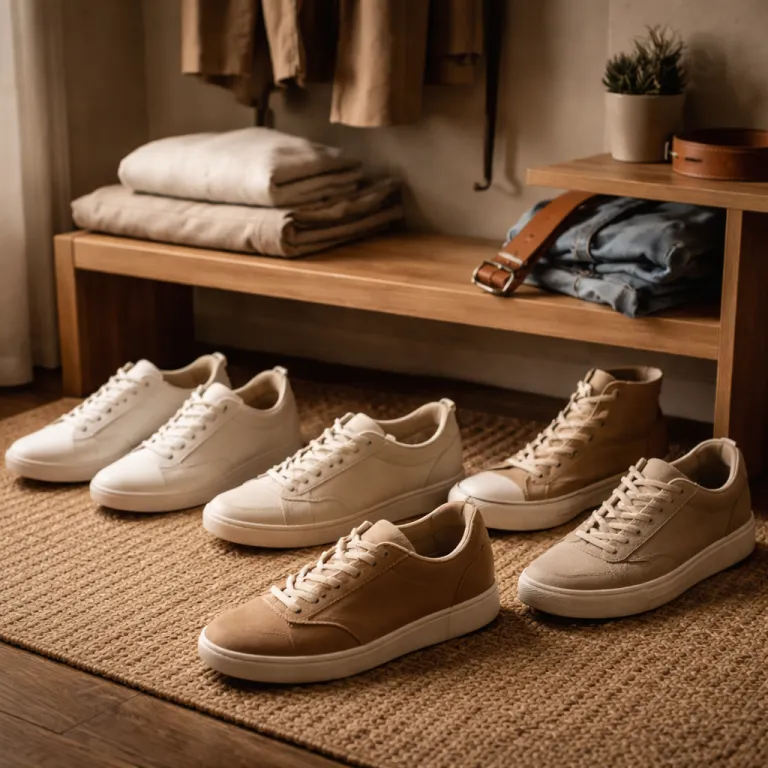
The five-pair rule for the best sneakers for men
Most men overbuy sneakers and underthink outfits. When you focus on a tight rotation of five pairs of shoes, you cover work, weekend, running and travel without a wall of boxes or a painful shoes price shock. This is how you build a capsule of the best sneakers for men that actually matches your life, not an influencer shelf.
The goal is simple and ruthless. Every sneaker and every pair of men shoes in this guide must earn its place by working with jeans, chinos and even business casual tailoring, while staying comfortable across different sizes and foot shapes. If a sneaker only works with one trend or one pair of trousers, it does not belong in a beginner’s capsule of the best sneakers for men.
You need five roles covered. First, a white leather low profile everyday sneaker that behaves like a dress shoe in disguise and quietly replaces most casual shoes in your wardrobe. Then a slim retro runner, a canvas casual sneaker, a real performance running shoes option and finally a loafer sneaker hybrid that bridges casual and business casual outfits for men who want polish without stiffness.
Everyday leather low top: your default pair
The everyday leather low top is the backbone of any list of the best sneakers for men. Think of a clean white sneaker in smooth leather, minimal branding, low profile and a slightly tapered toe that works with navy chinos, grey wool trousers and washed denim. When you choose this pair carefully, it replaces most casual sneakers and even some dress shoes in your weekly rotation.
Look at models in the vein of the adidas Stan Smith, the Nike Killshot 2 or a simple leather or suede court shoe from a quality sporting goods brand, but avoid loud panels and giant logos. A white leather sneaker with a flat cup sole and subtle perforations reads almost like smart men shoes when worn with an unstructured blazer and a knit polo in a business casual office. Keep the upper in full grain leather or a leather suede mix, because these materials age better than plastic coated shoes and can be refreshed with conditioner and a soft brush.
Fit is where beginners often stumble. Try at least two sizes and consider a half size down if the leather is known to stretch, especially in brands where lifestyle models tend to run slightly long for men and women. Aim for a snug heel, a thumb’s width at the toe and enough room to wear thin socks in summer and thicker socks in winter without the sneaker feeling sloppy.
Price should be rational, not aspirational. You do not need luxury logo shoes with a painful shoes price when a mid range leather low from Nike, Adidas or a solid independent brand will last several years with care. Typical prices for these everyday leather sneakers range from around 70 to 150 dollars depending on materials and construction, which is far less than many designer pairs while still delivering quality.
Slim retro runner: adidas Samba and the low profile wave
Once your white leather low is locked in, the next step in building the best sneakers for men is a slim retro runner. The shape to chase is low profile, slightly curved and light on the foot, closer to an adidas Samba or SL 72 than a bulky air max dad shoe. This kind of sneaker brings a sharper, sportier line to casual outfits and instantly modernises straight leg jeans or tailored joggers.
The adidas Samba in leather suede, the Onitsuka Tiger Mexico 66 and similar slim shoes from Nike or New Balance all sit in this lane. They are technically casual sneakers, but the narrow sole and low silhouette make them feel more refined than a chunky Air Jordan or Jordan Low basketball shoe, especially when you pair them with cropped trousers and a tucked in Oxford shirt. GQ Middle East has highlighted that these slim silhouettes dominate the sneaker landscape, which matches what you see on city streets and in every serious sporting goods store window.
Colour is where you can have fun without sabotaging versatility. A black and white adidas Samba, a gum sole Nike Killshot 2 or a navy suede retro runner all work with stone chinos, olive cargos and even dark denim for casual Friday in a business casual office. Expect to pay roughly 80 to 130 dollars for these low profile runners, with premium collaborations sometimes climbing higher but rarely adding everyday comfort.
Again, fit matters. Retro runners often run narrow, so men with wider feet may need to go up a half size or look at brands that offer wide options for both men and women. The right pair should hug the midfoot without crushing your toes, and the low profile sole should still feel cushioned enough for a full day on pavements.
Canvas sneaker and performance running shoes: beating the weekend
Leather sneakers do a lot, but they should not mow lawns or survive beach bars. That is where a simple canvas sneaker under a sensible price comes in, ideally under 80 dollars so you do not baby them when they get soaked or stained. A classic low canvas sneaker with a rubber toe cap and flat laces is the pair you throw on for barbecues, festivals and messy errands.
Think of models in the spirit of a Converse Chuck Taylor style low or a Vans Authentic style casual sneaker, but pay attention to how they feel underfoot, because cheap shoes can punish you after a long day. Canvas casual sneakers are unisex by nature, so sizes usually run for both men and women, which makes it easier to share style references with a partner or friend. Choose a neutral colour like off white, navy or black so the sneaker works with most casual outfits and does not fight your jeans or shorts.
Next to that canvas pair, you need real performance running shoes that are built for kilometres, not coffee runs. A proper running sneaker from Nike, Adidas, Asics, New Balance or another sporting goods specialist will have a cushioned midsole, a breathable mesh upper and a heel counter that locks you in without rubbing. This is not the place for leather suede uppers or heavy air max retro soles, because weight and breathability matter more than style when you are actually running.
For fit, try on several sizes and pay attention to how your foot swells after a short jog in the store. Many runners go up a half size in performance shoes to allow for toe splay, especially in brands where racing and training models can feel snug. Rotate this running pair only for training and gym sessions, and keep your leather and canvas sneakers for daily wear so each shoe lasts longer and smells better.
Loafer sneaker hybrids and dressing for business casual
The last slot in a five pair capsule of the best sneakers for men belongs to a loafer sneaker hybrid. This is the shoe that lets you handle business casual dress codes, date nights and smart dinners without defaulting to stiff dress shoes. Think of a low profile slip on with a leather upper, a sneaker style rubber sole and a slightly higher vamp that echoes a penny loafer.
Brands across the spectrum, from big sportswear names to more tailored labels, now offer hybrids that sit between casual sneakers and classic men shoes. Look for clean leather or leather suede uppers in brown, dark chocolate or black, because these colours pair easily with navy blazers, grey trousers and even black jeans. The best versions have minimal branding, a slim sole and a last that feels closer to a loafer than a basketball sneaker like an Air Jordan or Jordan Low.
This is also where you can play with texture. A suede loafer sneaker hybrid adds depth to simple outfits and works beautifully with knitwear and tailored outerwear, while a smooth leather version feels sharper with business casual suits. Expect prices to land somewhere between everyday leather sneakers and traditional dress shoes, often in the 100 to 200 dollar range depending on brand and construction.
When you try them on, test them with the trousers you actually wear. The hem should break cleanly on the shoe without pooling, and the low profile sole should not make your ankles look too exposed with slimmer cuts. If you are between sizes, a half size up often works better in slip on styles, especially for men with higher insteps, while women who borrow these shoes may prefer to size down for a snug fit.
Care, rotation and what to skip in your sneaker lineup
Owning the best sneakers for men means nothing if you let them rot in a pile. A simple care routine keeps leather, suede and canvas shoes looking sharp and extends their life by years, which is the real way to beat the shoes price game. Think of maintenance as part of the cost per wear, not an optional extra.
For leather sneakers, wipe them down after heavy wear, condition the uppers every few months and use shoe trees to keep the shape. Suede and leather suede pairs need a soft brush to lift the nap, plus a water repellent spray before the rainy season so stains do not set in. Canvas sneakers can go through a gentle hand wash with mild soap, but avoid the washing machine if you want the glue and rubber to survive more than one summer.
Insoles are the hidden comfort feature most men ignore. Replace the insoles in your most worn sneakers roughly every twelve months, especially in your running shoes and your everyday leather low, because compressed foam loses support long before the outsole dies. When you buy new insoles, check that they match your sizes and trim them carefully so they sit flat inside the sneaker without bunching.
Rotation matters as much as cleaning. Try not to wear the same pair two days in a row, because leather and canvas need time to dry out, and this habit dramatically reduces odour and creasing. If you want to add personality above the neck while your sneakers stay minimal, experiment with accessories like caps, watches or subtle jewellery, which can shift an outfit from casual to considered without buying another pair of shoes.
There is also a clear skip list. Chunky dad sneakers with oversized air max style soles are declining in relevance and are harder to style with tailored trousers, while logo heavy luxury runners tend to lose resale value fastest and rarely justify their price. Focus instead on versatile, low profile shapes from credible sporting goods brands and you will get more wear, more comfort and a cleaner silhouette on the street and in the office.
How to choose sizes, brands and prices with confidence
Choosing the best sneakers for men is really about matching your lifestyle, your feet and your budget. Start by mapping your week and assigning each of the five pairs a clear role, from office ready leather low tops to gym only running shoes. When every sneaker has a job, you stop impulse buying and start building a wardrobe that works.
On sizing, remember that different brands cut their shoes on different lasts. Nike lifestyle sneakers often run slightly narrow and long, so many men go down a half size in casual models like Nike Killshot 2, while performance running shoes from the same brand may require going up for toe room. Adidas models such as the adidas Samba or Stan Smith can feel a touch shorter and wider, which suits some feet better and explains why both men and women swear by them for all day wear.
Price should follow use, not hype. Spend more on the pairs you wear most, like your everyday leather low and your performance running sneaker, and less on canvas beaters that will get trashed at festivals or on holiday. Check the shoes price against the materials, the build quality and the cost per wear you realistically expect over two or three years, rather than chasing the top limited edition drop that will sit in the box.
Finally, remember that style is built over time. A tight five pair rotation of low profile sneakers, retro runners, canvas shoes, running shoes and loafer sneaker hybrids will carry you through work, weekends and travel with ease. This is not the runway, but the Monday morning commute, and that is where your footwear needs to perform.
Key figures on men’s sneakers and casual shoes
- Industry estimates from major market research firms suggest that global athletic footwear sales are well into the hundreds of billions of dollars annually, with men’s sneakers representing a substantial share of that demand across casual and performance categories.
- Analysts tracking sneaker trends report that retro inspired sneakers and low profile runners have grown their segment significantly over recent years, reflecting the shift away from bulky dad shoes toward slimmer silhouettes like adidas Samba and similar models.
- Consumer surveys by footwear retailers and research agencies commonly find that men typically wear only 4 to 6 pairs of shoes regularly, which aligns closely with the five pair capsule approach outlined in this guide for everyday, business casual and sporting use.
- Sports medicine guidance on footwear comfort indicates that replacing insoles roughly every 12 months can meaningfully reduce reported foot fatigue, especially in running shoes and heavily used casual sneakers.
- Resale market data from major sneaker platforms consistently shows that logo heavy luxury sneakers tend to depreciate faster than classic models from established sporting goods brands, underlining the value of timeless designs over hype driven releases.
Frequently asked questions about the best sneakers for men
How many pairs of sneakers does a man really need?
Most men can cover almost every situation with five pairs of sneakers and shoes. A white leather low top, a slim retro runner, a canvas casual sneaker, a dedicated running shoe and a loafer sneaker hybrid will handle work, weekends, travel and training. Anything beyond that is personal taste, not necessity.
Are leather or suede sneakers better for everyday wear?
For everyday use, smooth leather sneakers are usually more practical than suede because they resist rain and stains better and are easier to wipe clean. Suede and leather suede options look richer and more textured, but they demand more brushing and water repellent spray. Many men choose leather for their main pair and reserve suede for drier seasons or smarter outfits.
Can sneakers work in a business casual office?
Yes, sneakers can fit comfortably into a business casual dress code if you choose low profile, minimal designs in leather or high quality suede. A clean white or dark leather low top or a loafer sneaker hybrid pairs well with chinos, Oxford shirts and unstructured blazers. Avoid loud colours, oversized soles and heavy branding if you want your shoes to read as professional.
How should running shoes fit compared with casual sneakers?
Running shoes generally need a little more room than casual sneakers because your feet swell and move more during exercise. Many runners go up a half size compared with their everyday shoes to allow a thumb’s width of space at the front and prevent black toenails. The heel should still feel locked in, with no slipping when you jog or change direction.
When is it time to replace a pair of sneakers?
You should replace sneakers when the outsole is worn flat, the midsole feels dead or the upper is torn beyond simple repair. For running shoes, most experts recommend changing pairs every 500 to 800 kilometres, depending on your weight and running style. Casual leather or canvas sneakers can last several years if you rotate them, clean them and replace insoles regularly.