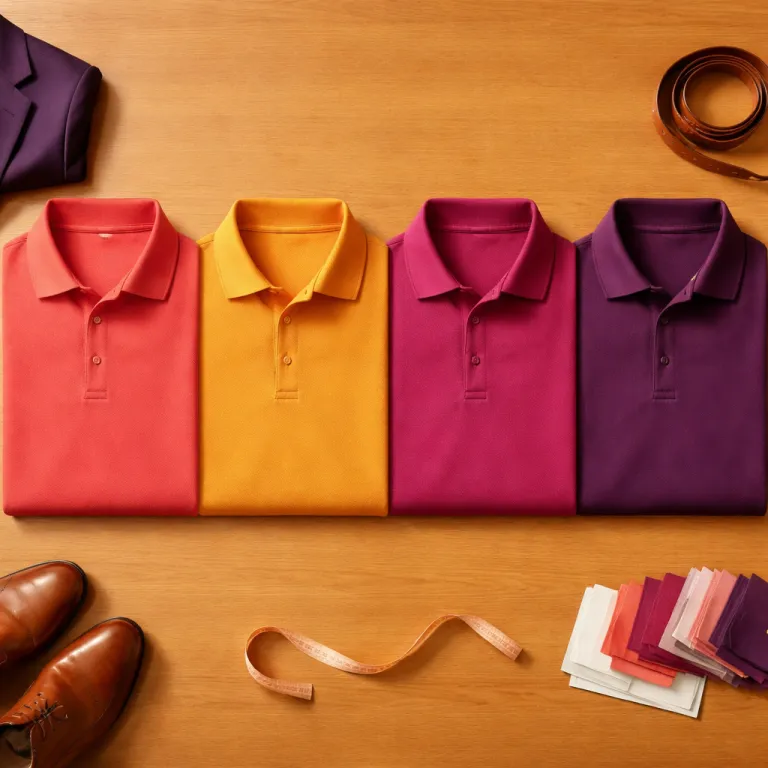
Why the performance polo men office wardrobe starts with fabric
The performance polo for the office lives or dies on fabric choice. A polo that feels like a gym jersey on the skin will never look like a serious shirt under a blazer, even if the color and collar seem right on the hanger. Think of your polos as technical tools that must balance comfort, drape and a quietly sharp style.
For most men who work in a hybrid schedule, three fabric families cover almost every performance need in the office: merino jersey, technical knit with Nano-Tex style treatments, and stretch pique cotton that behaves better than the classic rugby polo shirt. Merino jersey polos from Wool & Prince or Unbound Merino regulate temperature better than many synthetic performance tops, so you can walk to the shop at lunch, sit in a warm meeting room, then ride the métro home without changing your shirt.
Technical knit polos such as the Lululemon Evolution or Mack Weldon Versa use synthetic yarns and moisture wicking finishes that mimic a golf jersey but with a cleaner surface. When the knit is dense and the pique texture is subtle, these performance polo options read more like a fine gauge sweater than a mesh polo from traditional golf brands, which is exactly what you want for business casual offices. Stretch cotton polo shirts from Asket or Buck Mason use compact cotton fabric with a touch of elastane, giving you the best mix of breathability, structure and comfort for shirts men wear from desk to dinner.
The collar and fit tests that separate office ready polos from golf polos
A performance polo for office wear fails instantly when the collar collapses like a tired tee. Lay the polo flat in the shop and look at the collar points: if they curl up or twist before you even wash the product, they will only get worse after a few shipping orders and spins in the machine. A proper office polo collar should stand on its own, frame the neck like a casual shirt collar and sit cleanly under a blazer lapel.
Next comes fit, where most men either size up into sloppy golf polos or squeeze into jersey polo styles that cling like gym shirts. Aim for a short sleeve that ends around mid biceps, with enough room to slide two fingers between the sleeve and your arm, because that keeps the line sharp without turning the polo shirt into a compression top. The hem of performance polos should hit roughly mid fly when untucked, so you can wear the polo with tailored shorts on Friday or with wool trousers on Monday without flashing your waistband every time you reach for a laptop.
Length matters even more when you tuck the polo into tailored chino shorts or higher rise trousers for business casual meetings. Too long and the fabric pools above the belt like a cheap long sleeve jersey, too short and every stretch exposes your lower back in a way that feels more swim deck than boardroom. For more ideas on balancing proportions with casual tops, look at how a red and black flannel shirt is styled in this guide to styling a flannel shirt for men who love fashion, then apply the same eye for sleeve length, hem position and overall drape to your polos.
Merino, technical knit and stretch pique: how each fabric behaves in real life
Once you pass the collar and fit tests, the decision about a performance polo for the office becomes a question of how you actually live in your clothes. Merino jersey polos are the quiet workhorses: they resist odour, handle temperature swings and can be worn on multiple days of travel with only an overnight air out, which makes them ideal shirts men pack for work trips. A mid weight merino knit around 160 to 190 GSM—roughly the range many outdoor brands use for all-season base layers—gives enough structure to mimic a cotton polo while still feeling like your softest tee.
Technical knit polos with Nano-Tex style treatments lean harder into performance, using polyester or nylon yarns with moisture wicking finishes that move sweat away from the skin during a rushed commute. When brands get the knit density right, these performance polos look like refined jersey polo shirts rather than shiny golf tops, so you can wear them with tailored chino shorts and still feel office appropriate. Look for a smooth surface rather than an open mesh polo texture, because heavy mesh belongs on the golf course, not in a client presentation.
Stretch pique cotton sits in the middle, giving you the familiar feel of a cotton polo with better recovery and less bagging at the elbows or hem. A compact pique fabric with 3 to 5 percent elastane will hold its shape through long sleeve and short sleeve options, which matters when you rotate the same long and short sleeve polos through a busy week. For timeless options that lean into this category, study how classic cotton long sleeve polo shirts are presented in this timeless cotton long sleeve polo guide and then apply the same criteria to any performance polo you are considering.
How to style performance polos in a tailored relaxed wardrobe
The performance polo in a modern office wardrobe earns its keep when it replaces both the dress shirt and the weekend tee without looking like leftover team merch. For a clean office formula, pair a dark navy or charcoal polo shirt in merino or dense technical knit with cropped wool trousers and a slim loafer, keeping the hem just long enough to stay tucked when you sit. This combination reads as business casual but feels closer to your favourite jersey tee, especially when the fabric has subtle stretch and moisture wicking properties.
Travel days call for a different balance, where you want the best mix of comfort and polish from your polos. Try a jersey polo in a mid tone like olive or taupe with tapered chinos and a low profile sneaker, then add a lightweight jacket such as a retro Denali style from this tested men’s retro Denali jacket review when the cabin air turns cold. The knit structure of a good performance polo keeps the collar neat under outerwear, avoiding the limp look you get from cheaper shirts that collapse under a backpack strap.
Dinner or client drinks are where a cotton polo or merino polo shirts can quietly outclass a standard button down. Wear a deep coloured performance polo with pleated trousers and a suede derby, letting the short sleeve or long sleeve choice follow the season while the overall style stays sharp. In all these outfits, keep logos small, avoid chest branding larger than a coin and skip loud horse-and-rider style motifs if you want the polo to read as intentional menswear rather than as a free golf product from a corporate tournament.
Brands to skip, care rules and why fabric softener is the enemy
The performance polo market for office wear is crowded with shirts that feel technical but look like sports uniforms. Skip heavily sponsored golf brands that plaster logos across the chest and sleeves, because those shirts men wear on the course rarely translate to a meeting room, no matter how advanced the moisture wicking claims. Anything with contrast piping, neon mesh panels or oversized branding belongs firmly in the golf bag, not under a blazer.
Caring for your polos is as important as choosing the right knit or fabric in the first place. Merino jersey prefers cool washes around 30°C (86°F) and air drying, while technical knit and pique cotton polos can usually handle a gentle machine cycle at moderate temperature, but all three hate fabric softener because it clogs fibres and kills moisture wicking performance over time. A simple test is to drip water on the fabric: if it beads instead of soaking in, residue is blocking the fibres and it is time to strip out old softener. Treat your cotton polo and jersey polo shirts like tailored garments rather than gym gear: wash them in a mesh bag, reshape the collar while damp and dry them flat to keep the collar standing and the hem straight.
Even shorts and short sleeve polos benefit from this level of care, because a warped collar or twisted side seam will ruin the line of an otherwise sharp outfit. Reserve the dryer for old swim shorts and gym shirts, not for the performance polos you rely on for business casual credibility. When you handle your polos with the same respect you give a good knit sweater or a favourite long sleeve oxford shirt, they stop reading like sportswear and start feeling like core pieces in a grown man’s wardrobe.
FAQ
How many performance polos does a men office wardrobe really need ?
Most men can build a complete performance polo rotation for the office with four to six pieces. Aim for two merino jersey options, two technical knit polos and one or two stretch pique cotton polo shirts for variety. This mix covers office days, travel, client dinners and casual Fridays without feeling repetitive.
Can a performance polo replace a dress shirt with a suit ?
A performance polo can replace a dress shirt with a softly structured suit in many business casual offices. Choose a solid colour polo shirt with a firm collar, minimal branding and a fine knit fabric that resembles a lightweight sweater. Avoid mesh polo textures and loud golf polos, which clash with tailored jackets and read as too casual.
What is the best fabric for hot office commutes ?
For hot commutes, technical knit polos with moisture wicking finishes usually perform best. They move sweat away from the skin faster than pure cotton polo styles while still looking polished enough for meetings. Merino jersey is a close second, especially if you value odour resistance on long days.
How should a polo fit around the shoulders and sleeves ?
The shoulder seam of a performance polo should sit right at the edge of your shoulder bone, not drooping down the arm. Sleeves should end around mid biceps and allow a couple of fingers of ease between the sleeve and your arm. This fit keeps the polo sharp enough for the office while still comfortable for all day wear.
Are long sleeve performance polos office appropriate ?
Long sleeve performance polos are very office appropriate when the fabric is smooth and the collar holds its shape. They work especially well under unstructured blazers or with tailored trousers in cooler months. Treat them like lightweight knit shirts and keep colours muted for the most versatile business casual outfits.